What Is A Denture Arch

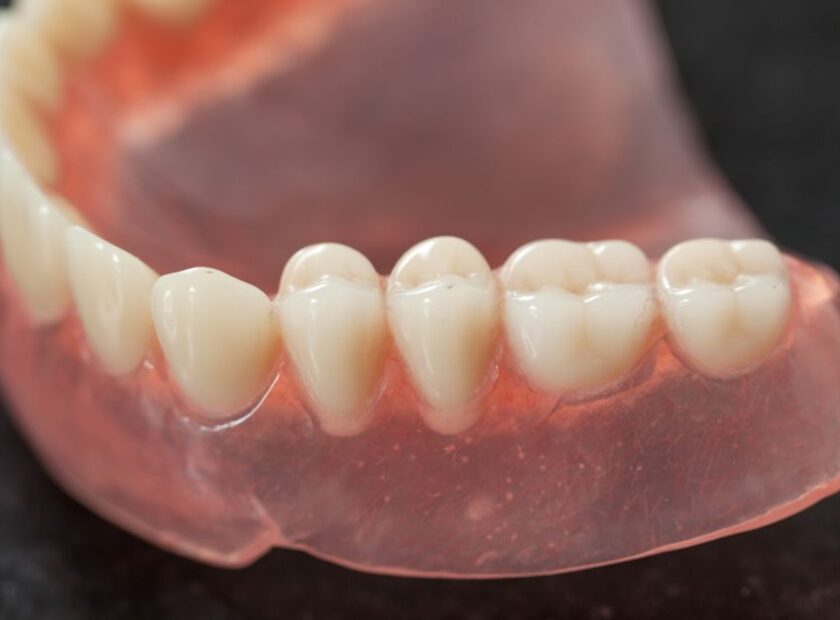
A denture arch is a complete set of replacement teeth that restores one jaw, either the upper arch (maxillary) or the lower arch (mandibular). When someone says they need “one arch” or “a full arch denture,” they mean all the teeth in that jaw will be replaced by a single appliance. Needing a full arch replacement is common when many teeth are missing or failing, and a visit to an experienced dental office in Tillsonburg will help you understand which type of denture arch fits your mouth and lifestyle.
A denture arch is a horseshoe-shaped prosthesis with artificial teeth set into a gum-coloured base. Upper arches usually cover the palate, lower arches leave space for the tongue, and either can be removable or fixed onto implants.
Full arch dentures are one of many tooth replacement options listed among the clinic’s dental services. The right design depends on how many teeth remain, your bone and gum health, and how much stability you want.
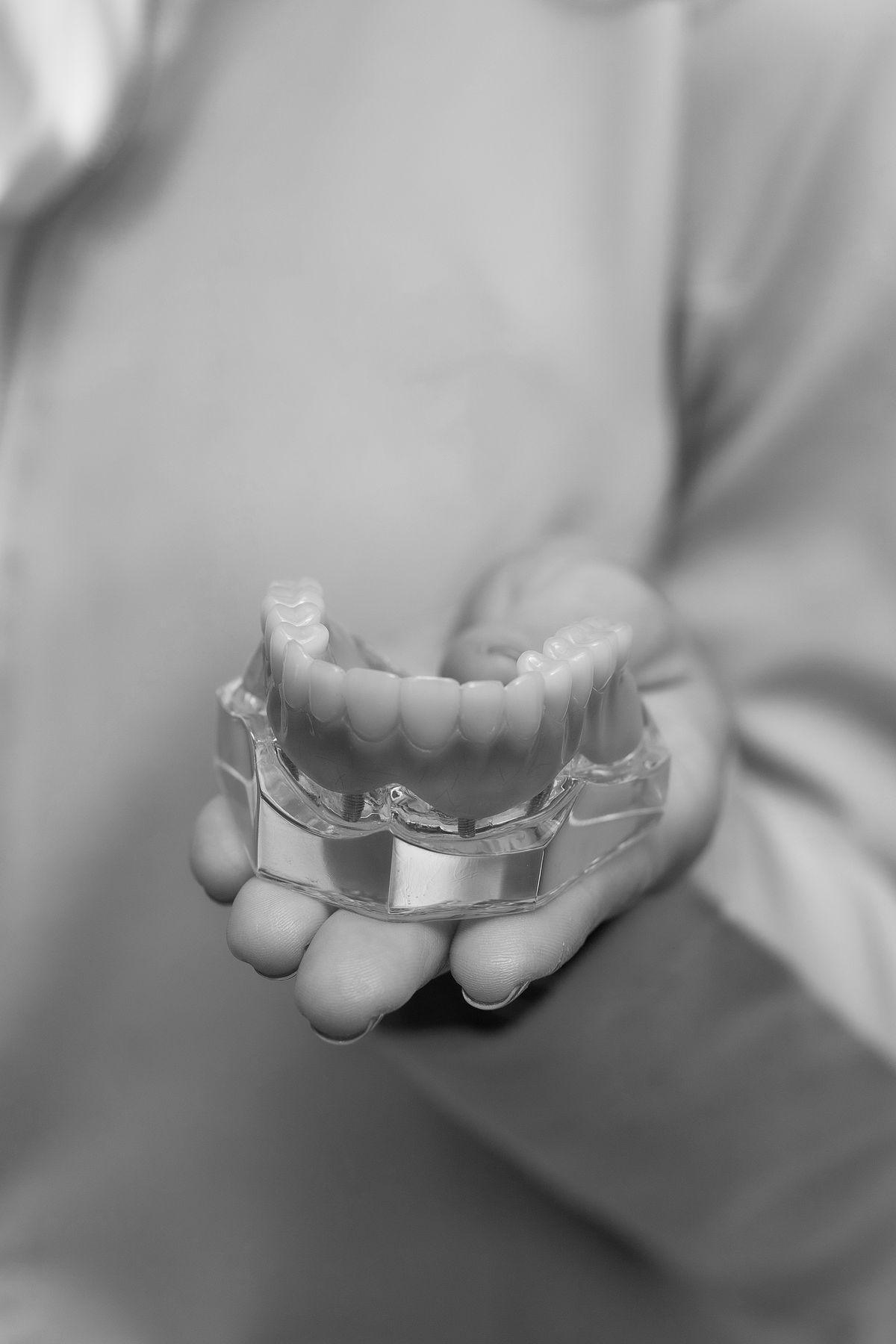
For patients who want a denture arch that does not move, implant-supported arches can be either removable snap-in dentures or fixed full-arch bridges.
If you are not sure where to start, you can book a consultation to have your arches assessed and your options explained.
The Parts of a Denture Arch
Artificial teeth
Front teeth for appearance and back teeth for chewing, set in a curve that matches your jaw.
Denture base
The pink, gum-coloured acrylic that holds the teeth and rests on your gums.
Flange
The edge of the base that extends along the cheeks and lips to add stability and support.
Palatal section
On upper arches, the thin plate covering the roof of the mouth that creates suction.
Fitting surface
The inside of the denture, shaped to match your gums exactly.
Attachments
On implant dentures, small connectors that snap or screw onto implants.
Upper Denture Arch vs Lower Denture Arch
| Feature | Upper denture arch | Lower denture arch |
|---|---|---|
| Shape | Full plate including palate | Horseshoe shape around the tongue |
| Retention | Suction from palate coverage | Relies on fit, muscle control, or implants |
| Typical stability | Usually more stable | Often less stable without implants |
| Effect on taste | Palate coverage may slightly reduce taste and temperature sense | No palate coverage |
| Implant benefit | Allows palate-free designs | Often a dramatic improvement in stability |
Single Arch vs Double Arch Dentures
Some people need only one denture arch, while others need both.
- Single arch: One full denture, either upper or lower, paired with natural teeth, a partial, or implants in the opposite jaw.
- Double arch: Full dentures for both the upper and lower jaws, designed to work together as a balanced set.
When only one arch is replaced, the denture must be carefully designed to meet the opposing natural teeth evenly. Uneven forces can cause the denture to tip or the natural teeth to wear.
Types of Denture Arches
| Type | Removable? | Support | Best for |
|---|---|---|---|
| Conventional full arch | Yes | Gums and bone | Non-surgical full tooth replacement |
| Immediate full arch | Yes | Gums, placed on extraction day | Avoiding time without teeth |
| Implant overdenture arch | Yes | 2 to 4 implants plus gums | Better stability with easy home cleaning |
| Fixed full-arch implant bridge | No | 4 to 6 or more implants | Maximum stability and a natural feel |
How a Denture Arch Is Made
- Assessment. Examination of the gums, bone, and any remaining teeth.
- First impressions. Basic moulds capture the shape of the arch.
- Final impressions. Custom trays capture fine detail and muscle movement.
- Bite records. Measurements set face height and how the arches meet.
- Tooth selection. Shade, size, and shape are chosen for your face.
- Wax try-in. You preview the look and feel of the arch.
- Delivery. The finished arch is fitted and adjusted.
Myths About Denture Arches
How Do You Know You Need a Full Denture Arch?
A full arch denture is usually considered when keeping the remaining teeth in one jaw is no longer practical. Your dentist will look at the health of each tooth, the gums, and the supporting bone before recommending this step.
- Most teeth in one jaw are missing, loose, or severely decayed
- Advanced gum disease has caused significant bone loss
- Existing bridges or crowns have failed across much of the arch
- A current partial denture no longer has enough healthy teeth to hold onto
- Ongoing infections or pain affect daily life and general health
If only a few teeth are missing and the rest are healthy, a partial denture, bridge, or implants for individual teeth may be better options than replacing the whole arch.
Palate-Free Upper Denture Arches
Traditional upper denture arches cover the roof of the mouth to create suction. Some people find this palate coverage affects taste, makes them gag, or feels bulky. When implants are placed in the upper jaw, the denture can often be designed in a horseshoe shape that leaves the palate open, because the implants provide the retention instead of suction.
Better taste
With the palate uncovered, many people enjoy food flavours and temperatures more fully.
Less gagging
A smaller denture is easier for people with a sensitive gag reflex.
More natural feel
Less acrylic in the mouth can make speaking feel more natural.
How the Two Arches Work Together
When both arches are replaced, they are designed as a matched pair. The teeth are arranged so they meet evenly on both sides when you bite and chew. This balance helps keep both dentures stable. If the bite is uneven, one side may lift while you chew on the other, causing looseness and sore spots.
Dentists use a concept called balanced occlusion for many full denture cases. It means that when you slide your jaw from side to side, the teeth stay in contact in a way that supports both dentures rather than tipping them. This careful arrangement is one reason why denture teeth are set by hand and checked at the try-in stage.
Living With a Denture Arch
- Daily cleaning. Brush the denture with a soft brush and denture cleanser, and clean your gums and tongue.
- Overnight rest. Remove removable arches at night to let your gums recover.
- Moist storage. Keep the denture in water or soaking solution when not in your mouth.
- Gradual diet changes. Start with softer foods and build up to firmer textures as you adapt.
- Regular checkups. Yearly visits monitor fit, oral tissues, and the need for relines.
Signs Your Denture Arch Needs Attention
| Sign | Possible reason | Common solution |
|---|---|---|
| Loose or slipping | Bone and gum shrinkage | Reline or new denture |
| Sore spots | Pressure points or rough edges | Adjustment and polishing |
| Clicking when speaking | Movement of the denture | Reline, bite adjustment, or implants |
| Worn, flat teeth | Normal wear over years | New teeth or a new denture |
| Cracks or chips | Drops or stress on the base | Repair or replacement |
Moving From a Removable Arch to Implants
Many people start with a conventional denture arch and later choose implants for extra security. Your existing denture can sometimes be modified to snap onto new implants, or a new denture can be made. A full assessment, including X-rays or 3D imaging, shows how much bone is available and where implants can be placed safely. The decision is personal and depends on comfort, goals, health, and budget.
Denture Arch Terms You May Hear
| Term | Meaning |
|---|---|
| Maxillary arch | The upper jaw and its denture |
| Mandibular arch | The lower jaw and its denture |
| Residual ridge | The bony ridge left after teeth are removed, which supports the denture |
| Post dam | A seal area at the back of an upper denture that helps create suction |
| Overdenture | A removable denture that fits over implants or retained roots |
| Reline | Adding new material to the inside of the denture to improve fit |
| Rebase | Replacing the entire pink base while keeping the existing teeth |
Knowing these words makes conversations with your dental team easier and helps you understand each step of your treatment. Never hesitate to ask your dentist to explain anything that is unclear, since feeling informed is an important part of being comfortable with your new denture arch.
Adjusting to a New Denture Arch
The first few weeks with a new denture arch are a learning period. Your cheeks, lips, and tongue are learning to hold the denture in place, and your gums are getting used to new pressure. Speaking may feel slightly different at first, and you may produce more saliva. Starting with soft foods, cutting meals into small pieces, and chewing on both sides at the same time all help. Short follow-up visits to relieve any sore spots are a normal part of this stage, and most people feel comfortable and confident with their new arch within a month.
Full Arch Care at a Top Dental Clinic in Tillsonburg
Family Dentistry on Brock is one of the most trusted dental clinics in Tillsonburg, with a 5.0 Google rating and 252+ patient reviews. The clinic welcomes new patients and CDCP (Canadian Dental Care Plan) patients, and offers dental implants, clear aligners, restorative care, dental veneers, laser treatment, teeth whitening, dental emergency care, sedation dentistry, dental surgery, and orthodontics.
Considering a full arch denture?
Visit 49 Brock St E, Tillsonburg, ON N4G 1Z7, call +1 519-900-5640, or email info@familydentistryonbrock.com. Mondays are open until 7:00 PM, and Saturday appointments are available.
Frequently Asked Questions
What is the difference between a denture arch and a partial denture?
A denture arch replaces all teeth in one jaw, while a partial denture replaces only some missing teeth and attaches to remaining natural teeth.
Can I have a denture arch on just the top?
Yes. Many people wear an upper full arch denture while keeping natural teeth or a partial denture on the bottom.
Is a fixed full arch the same as a denture?
A fixed full arch looks similar but is attached to implants and cannot be removed at home.
How long does a denture arch last?
Many removable denture arches last several years, with relines as gums change. Teeth may wear and need replacement over time.
Will an upper denture arch affect my taste?
Palate coverage can slightly change taste and temperature sense. Implant designs can reduce or remove palate coverage.
Conclusion
A denture arch is a complete set of replacement teeth for one jaw, designed differently for the upper and lower arches. Options range from conventional removable dentures to snap-in and fixed implant-supported arches. A professional assessment helps you choose the arch that gives you the best comfort, stability, and confidence.