What Is An Arch In Dentures

In dentures, an arch is the curved, horseshoe-shaped row of teeth and gum-coloured base that fits one jaw, either the upper (maxillary) arch or the lower (mandibular) arch. When people talk about a “full arch denture,” they mean a denture that replaces every tooth in one jaw. Understanding your arch is a normal first step in planning dentures, and an experienced family dentist in Tillsonburg will measure it carefully so the denture fits, looks natural, and lets you chew comfortably.
A dental arch is the curved line formed by the teeth and the bony ridge that holds them. In denture terms, each arch is restored separately: an upper arch denture covers the palate, while a lower arch denture is horseshoe-shaped to leave room for the tongue.
The shape and size of your arch affect almost every part of the denture, from the width of the smile to how stable it feels when you eat. That is why the planning stage is so important, and why patients often like to meet the dental team who will guide them through each appointment.
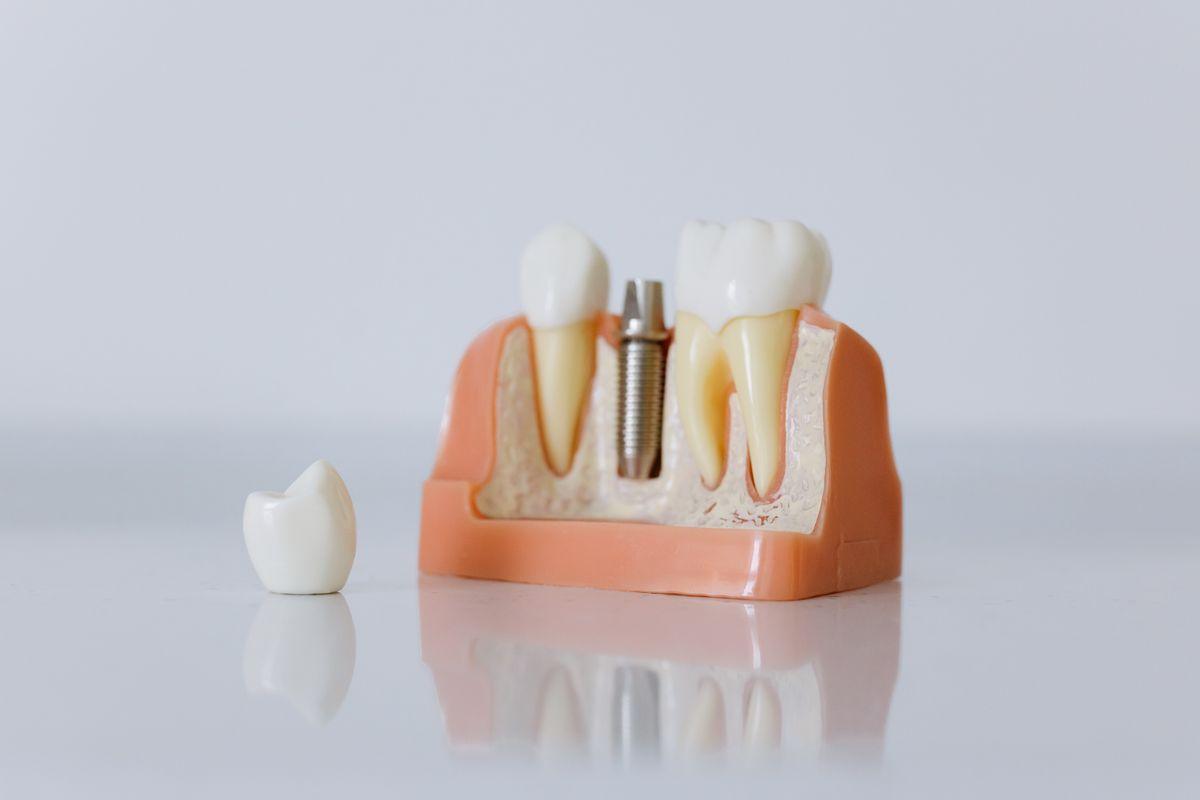
For people whose arches have lost a lot of bone after years without teeth, standard dentures can feel loose. In these situations, implant-supported arch solutions may be discussed to give the denture a firmer foundation.
Others only need part of an arch restored. In that case, a partial denture, bridge, or crown might be a better fit within a broader restorative treatment plan.
Upper Arch vs Lower Arch: What Is the Difference?
Your two dental arches have different shapes and jobs, so their dentures are designed differently.
| Feature | Upper (maxillary) arch | Lower (mandibular) arch |
|---|---|---|
| Denture coverage | Teeth plus the roof of the mouth (palate) | Teeth plus the gum ridge only |
| Shape | Wider, with a large supporting surface | Narrower U shape around the tongue |
| Suction and stability | Usually good natural suction | Less suction, more movement from tongue and cheeks |
| Bone changes over time | Ridge tends to shrink upward and inward | Ridge often shrinks faster and can flatten |
| Common extra support | Adhesive or implants in some cases | Two or more implants are often very helpful |
What Are the Common Arch Shapes?
Dental professionals often describe arch form in three general shapes. Your natural shape guides how replacement teeth are positioned so they look right with your face.
Square arch
A broad front with fairly straight sides. Teeth are set wider across the front of the smile.
Tapered arch
A narrower, more V-shaped front. Teeth are set closer together toward the centre.
Ovoid arch
A rounded, smooth curve. This is one of the most common arch forms.
Matching the denture to your arch form helps the teeth sit over the supporting ridge. When teeth are set too far outside or inside the ridge, the denture can tip when you bite, causing sore spots and looseness.
Why Arch Form Matters for Denture Fit
- Stability: Teeth placed over the ridge transfer chewing forces straight down, which keeps the denture steady.
- Comfort: A base that follows the arch shape spreads pressure evenly and reduces sore spots.
- Appearance: The arch curve controls how much of the teeth show and how full the lips look.
- Speech: Correct tongue space and tooth position help you pronounce words clearly.
- Bite balance: Upper and lower arches must meet evenly so the dentures do not rock.
How Your Arch Is Measured for Dentures
- Oral examination. The dentist checks the ridges, soft tissues, and any remaining teeth.
- Preliminary impressions. Initial moulds capture the general shape of each arch.
- Custom tray impressions. A second, more accurate impression records the borders and muscle movements.
- Bite registration. Wax rims are used to record how the arches meet and the correct face height.
- Tooth arrangement. Teeth are set in wax along your arch curve for a try-in.
- Final processing. Once approved, the denture is made in durable acrylic and fitted.
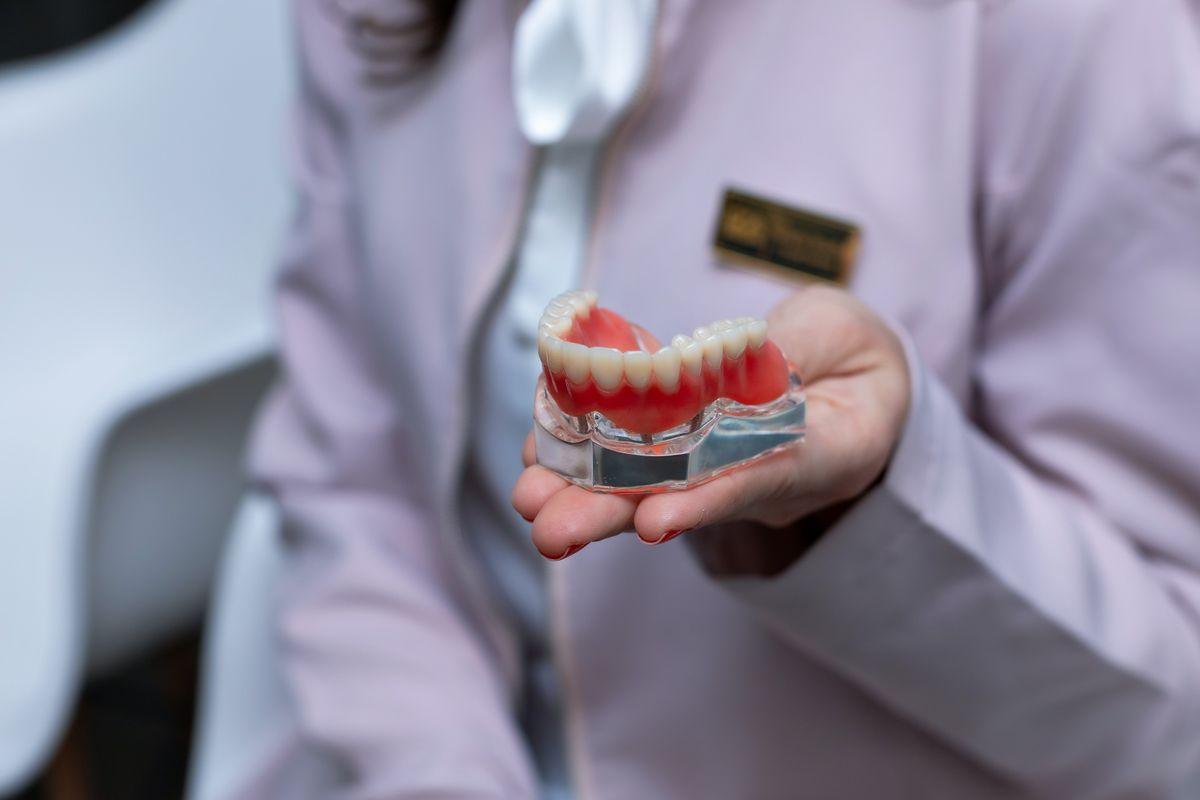
Full Arch, Partial Arch, and Implant Arch Options
Full arch conventional denture
Replaces all teeth in one arch and rests on the gums. It is removable and non-surgical, and suits many patients well, especially for the upper arch.
Partial arch denture
Fills gaps when some natural teeth remain. It clips onto existing teeth with clasps or attachments and helps stop neighbouring teeth from drifting.
Implant-retained arch denture
A removable denture that snaps onto two to four implants. It is far more stable, particularly for the lower arch.
Fixed full arch on implants
A non-removable bridge of teeth attached to several implants. It feels closer to natural teeth but requires surgery and enough bone.
Myths About Denture Arches
Caring for Your Arches and Dentures
- Remove dentures at night to let the arch tissues rest
- Gently brush your gums, tongue, and palate each day
- Clean dentures daily with a soft brush and a non-abrasive cleanser
- Book checkups to monitor ridge changes and denture fit
- Watch for redness, swelling, or white patches and have them checked
What Is the Residual Ridge Inside the Arch?
When teeth are removed, the bone that once held the roots remains as a curved ridge along the arch. This is called the residual ridge, and it is the main foundation a conventional denture sits on. Its height and shape strongly influence how well a denture stays in place.
| Ridge type | Description | Effect on denture |
|---|---|---|
| Broad and rounded | Good height with a smooth, wide top | Usually the most stable and comfortable support |
| Flat or low | Height lost through long-term bone resorption | Less resistance to sideways movement; implants may help |
| Knife-edge | Thin, narrow crest of bone | Can be tender under pressure; soft liners or implants may be considered |
| Uneven | Irregular areas after extractions or injury | May need smoothing or careful relief in the denture base |
Why Does the Arch Shrink Over Time?
Natural tooth roots stimulate the surrounding jawbone every time you chew. Once teeth are lost, that stimulation stops, and the body gradually resorbs some of the bone. The change is usually fastest in the first year after extractions and continues slowly for life. The lower arch often loses height faster than the upper arch.
- Dentures that fitted well at first may become loose after a few years
- The face can look shorter, with lips appearing thinner or folded inward
- Sore spots may develop as the denture rests on new pressure points
- Chewing efficiency may drop as the denture shifts
Relines, rebases, and new dentures are routine ways to keep up with these changes. Implants help slow bone loss in the areas where they are placed because they transfer chewing forces into the bone.
How the Arch Supports Your Facial Appearance
Your dental arches do more than hold teeth. They support the lips, cheeks, and the lower third of your face. A denture set to the correct arch width and height restores this support, which is why a well-made denture can make the face look fuller and more relaxed.
Lip support
Front teeth set in the correct position keep the upper lip from sinking inward.
Face height
Correct vertical spacing between the arches prevents the chin from moving too close to the nose.
Cheek fullness
Teeth and flanges placed along the arch help support the cheeks and corners of the mouth.
Arch-Related Denture Problems and Practical Solutions
| Problem | Likely arch-related cause | Common solution |
|---|---|---|
| Lower denture lifts when talking | Flat lower ridge or overextended borders | Border adjustment, reline, or implant retention |
| Upper denture drops | Loss of seal at the back of the palate | Reline or adjustment of the posterior seal |
| Sore spots on the ridge | Pressure points after bone changes | Relief of the denture base and follow-up check |
| Teeth look sunken | Arch shrinkage and worn teeth | New denture with updated tooth position |
Should You Restore One Arch or Both?
Some people need a denture on just one arch, while others need both. The decision depends on the condition of the remaining teeth, how the arches meet, and your long-term goals.
- One arch only: Common when the lower teeth are healthy but the upper teeth are lost, or the reverse. The denture is designed to meet your natural teeth evenly.
- Both arches: Recommended when neither jaw has enough healthy teeth. Both dentures are balanced together so they support each other during chewing.
- A mix of options: A full upper denture can be paired with a lower partial denture, lower implants, or a fixed bridge.
When only one arch is restored, it is important to protect the opposing natural teeth. Porcelain denture teeth, for example, can wear down natural enamel faster than acrylic, so materials are chosen with the opposing arch in mind. Your dentist will explain how each choice affects comfort, chewing, appearance, and maintenance over the years ahead, so you can choose with confidence.
Denture Planning at a Top Dental Clinic in Tillsonburg
Family Dentistry on Brock has earned a 5.0 Google rating from 252+ patient reviews and is widely seen as one of the most trusted dental clinics in Tillsonburg. New patients are welcome, CDCP (Canadian Dental Care Plan) patients are accepted, and services include dental implants, clear aligners, restorative care, dental veneers, laser treatment, teeth whitening, dental emergency care, sedation dentistry, dental surgery, and orthodontics.
Find out what your arch needs
Visit 49 Brock St E, Tillsonburg, ON N4G 1Z7, call +1 519-900-5640, or send a message to info@familydentistryonbrock.com. Evening care is available until 7:00 PM on Mondays, and Saturdays are offered by appointment.
Frequently Asked Questions
What does full arch mean in dentures?
A full arch denture replaces all the teeth in either the upper or the lower jaw. Some people need one full arch, others need both.
Can I get a denture for only one arch?
Yes. Many patients have a full denture on one arch and natural teeth or a partial denture on the other.
Why does my lower arch denture feel looser than my upper?
The lower arch is narrower, has less suction, and is surrounded by moving muscles. Implants or a reline can often improve stability.
Does arch shape change as I age?
Yes. After teeth are lost, the bone in the arch slowly resorbs. Dentures may need relining or remaking to follow these changes.
How is the correct arch size chosen for denture teeth?
The dentist uses impressions, bite records, and facial measurements to choose tooth size and position that match your arch and features.
Conclusion
An arch in dentures is the curved set of teeth and base that restores one jaw, upper or lower. Arch shape, ridge height, and bite all shape how stable, comfortable, and natural a denture feels. A careful assessment and accurate impressions are the foundation of a denture that truly fits your arch.
Replacing a full arch of teeth
General dentist registered with the Royal College of Dental Surgeons of Ontario (RCDSO), practising at Family Dentistry on Brock, Tillsonburg. Last reviewed November 2026. This guide is general information and does not replace an exam with your own dentist.
Full-arch options compared
| Complete denture | Implant overdenture | Fixed hybrid | |
|---|---|---|---|
| Implants | None | 2 to 4 | 4 to 6 |
| Removable by you | Yes | Yes | No |
| Stability | Lowest | High | Highest |
| Palate coverage (upper) | Yes | Sometimes reduced | No |
| Treatment time | Weeks | Months | Months |
| Cleaning | Out of mouth | Out of mouth plus abutments | In place with special tools |
Questions that guide the choice
- How stable is your current denture, and what bothers you most?
- How much bone is there for implants?
- Do you prefer something you can remove?
- Can you manage cleaning around implants?
- What timeline and budget suit you?
Which arch benefits most from implants?
The lower arch, because lower dentures have little suction. Two implants under a lower denture are often a simple, effective upgrade.
Can I start with a denture and add implants later?
Yes. Many people begin with a complete denture and convert it to an overdenture once implants are placed.
Coverage and the Canadian Dental Care Plan
The CDCP covers complete dentures for eligible patients, with possible co-payment. It does not cover implants, overdentures or hybrid dentures.
Full-arch care at Family Dentistry on Brock
Family Dentistry on Brock is at 49 Brock St E in Tillsonburg, and we welcome patients from Tillsonburg, Norfolk County and Oxford County. We accept new patients and the CDCP. Read about what a denture arch is, hybrid dentures and implants after dentures.
Full-Arch Replacement FAQs
What is a full-arch denture?
A denture replacing all teeth in one jaw.
What is an implant overdenture?
A removable denture that snaps onto implants.
What is a hybrid denture?
Fixed teeth screwed onto implants.
Which is most stable?
A fixed hybrid.
How many implants does an overdenture need?
Usually two to four.
Can I upgrade my denture later?
Yes, with implants.
Which arch needs implants more?
Usually the lower.
Does the CDCP cover full dentures?
Yes, standard complete dentures.
Book a full-arch consultation in Tillsonburg
Compare full-arch options for your smile. Family Dentistry on Brock, 49 Brock St E, Tillsonburg, ON N4G 1Z7. Call 519-900-5640 or book online. New patients and CDCP patients are welcome.
Book an appointment