Dental implants in Tillsonburg

Dental Implants in Tillsonburg: Strong, Natural-Looking Replacement Teeth

Dental implants in Tillsonburg replace missing teeth with a titanium post that bonds to your jawbone and holds a custom crown, bridge or denture. Losing a tooth is common and rarely an emergency, but the bone under the gap shrinks over time, so it pays to talk to a dentist in Tillsonburg sooner rather than later.

If a damaged tooth has to come out first, our dental surgery in Tillsonburg team can remove it gently and plan the implant at the same time.

New and CDCP patients welcomeSedation availableMondays until 7 PMSaturdays by appointment
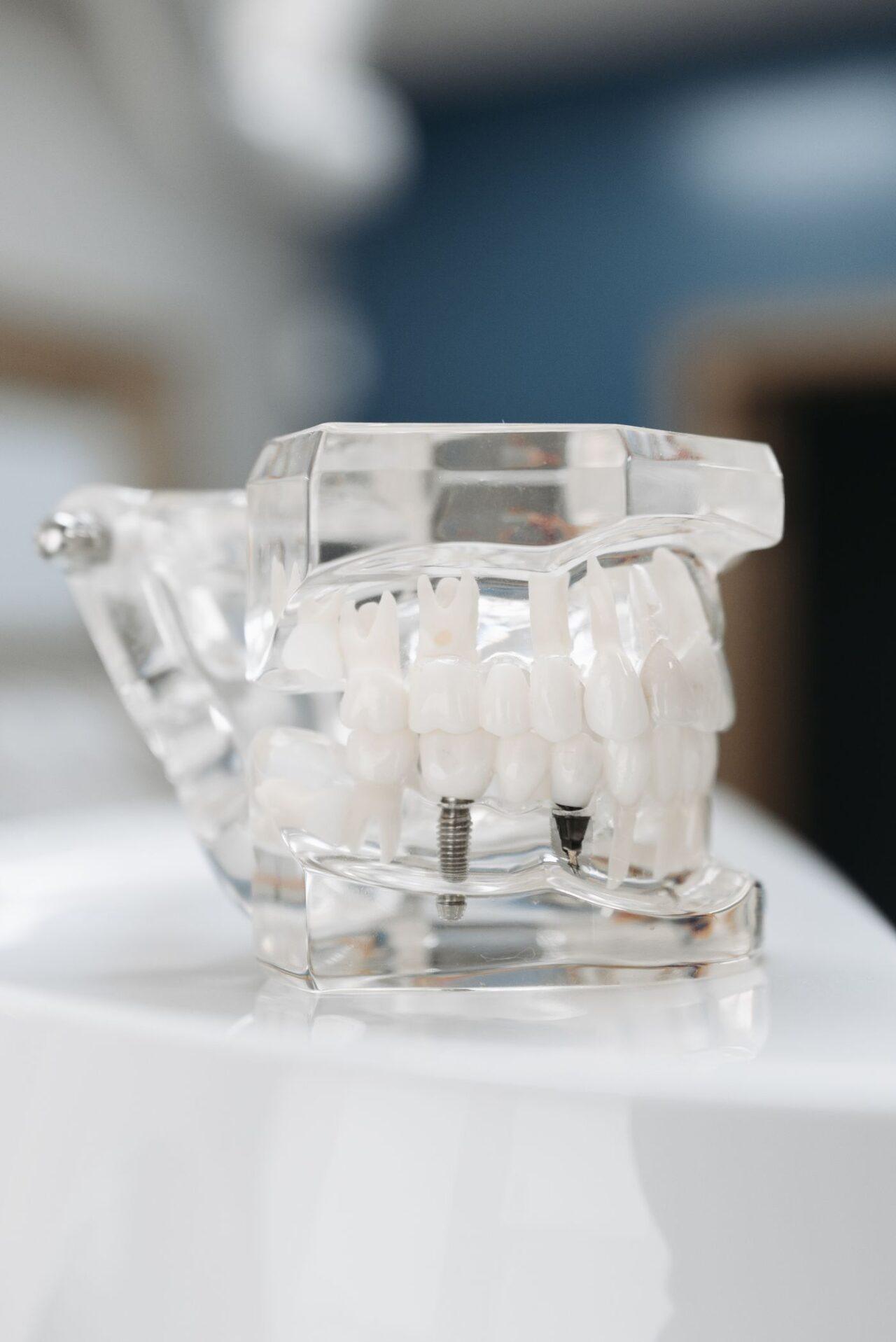
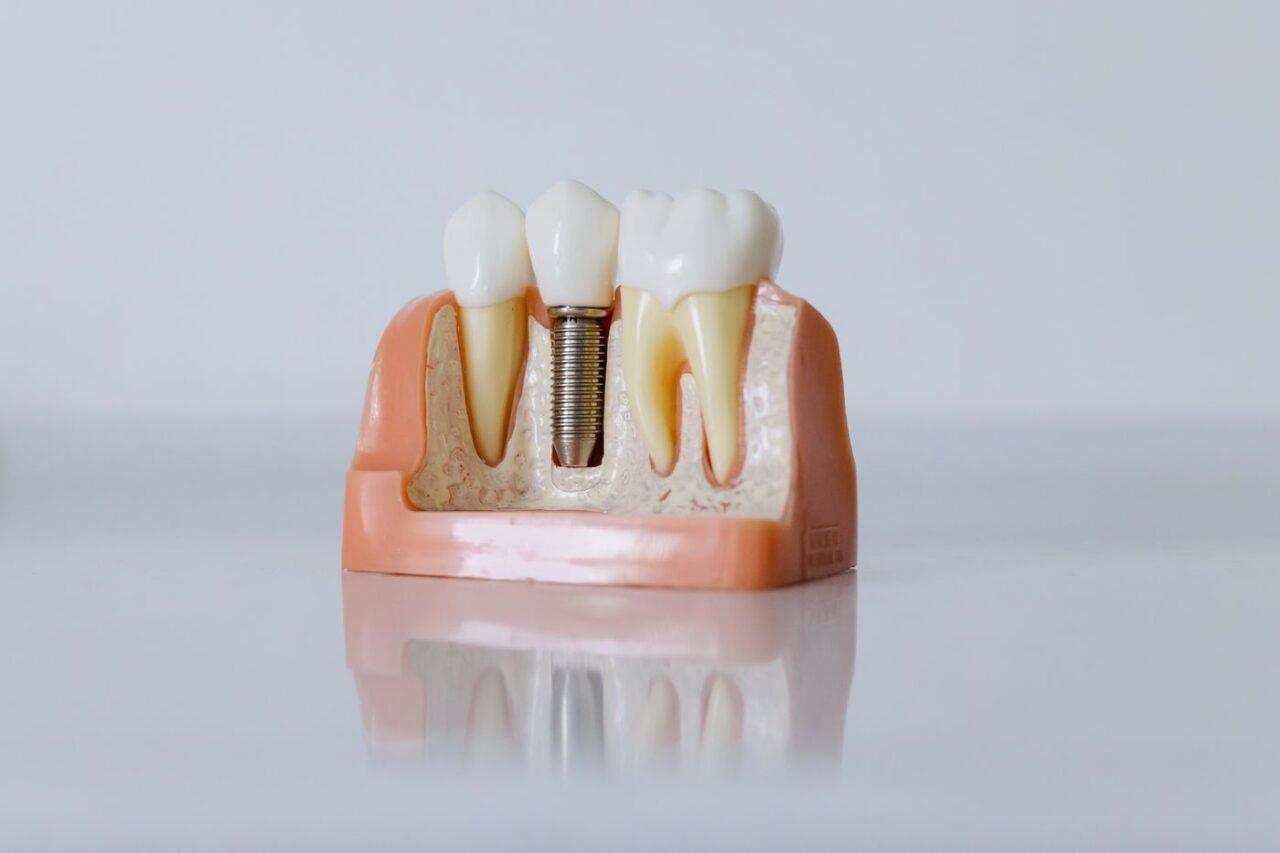
Dental implants in Tillsonburg shown on a transparent jaw model
5.0 ★ Google ratingfrom 252+ patient reviews
What is a dental implant?

Quick answer

A dental implant is an artificial tooth root made of titanium. It is placed in the jawbone, where bone grows tightly around it over about 3 to 6 months. A small connector called an abutment then holds the visible tooth, so the replacement is anchored in bone like a natural tooth.

The crown, bridge or denture on top is part of our restorative care, designed to match your bite and the shade of your other teeth.

Nervous about surgery? Sedation dentistry in Tillsonburg can help you stay relaxed through the placement.

Implants are one option among many on our list of all dentistry services, and we’ll compare them openly with bridges and dentures.

Want to know who plans the work? Meet our doctors before you book.

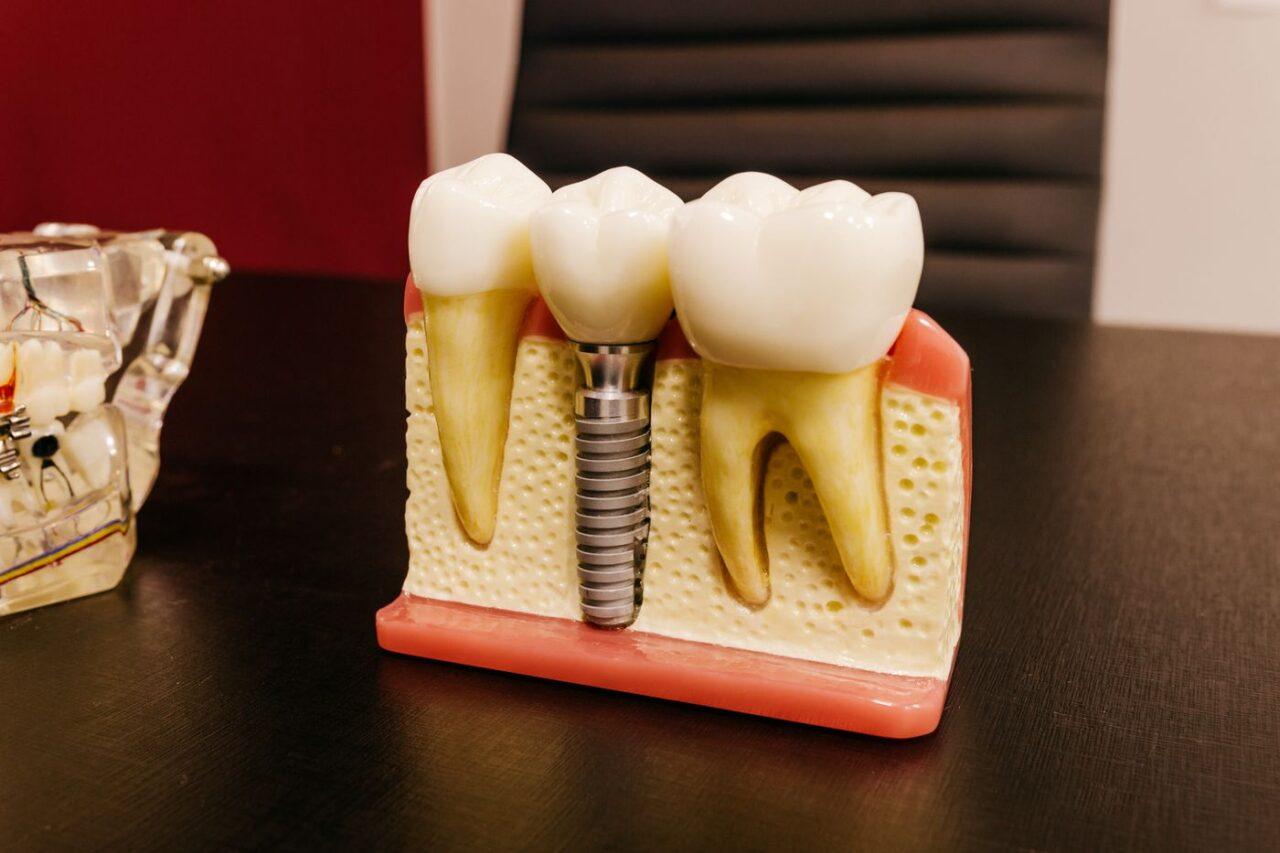
The 3 parts of an implant

  • Implant post: the titanium root in the bone
  • Abutment: the connector at the gumline
  • Restoration: the crown, bridge or denture you see
Dental implant and crown model at a dental clinic in Tillsonburg

Which type of dental implant treatment do you need?

It depends on how many teeth are missing and how much bone you have.

01

Single-tooth implant

One post and one crown fill a single gap without touching the teeth on either side.

02

Implant bridge

2 implants can support a bridge of 3 or 4 teeth, so you don't need one post per tooth.

03

Implant-retained denture

A denture that clicks onto 2 to 4 implants, so it stops sliding when you eat or talk.

04

Full-arch fixed teeth

A complete fixed set of teeth on several implants, removed only by your dentist.

05

Immediate implant

Placed the same day a tooth comes out, when there's no active infection and the bone is firm.

06

Bone grafting

Rebuilds thin bone so an implant has enough support. Upper back teeth sometimes need a sinus lift.

What are the signs you might need a dental implant?

Implants come up in more situations than people think.

01

A gap you've lived with for years

Older gaps can often still be restored, sometimes after a graft.

02

A tooth that keeps breaking

Repeated fractures or a split root may mean replacing is wiser than repairing again.

03

A bridge that's failing

Decay under bridge supports is a common reason to switch to implants.

04

A denture that rubs or slips

A few implants can hold a lower denture firmly in place.

05

Chewing on one side only

Missing back teeth push all the work onto the other side and your jaw joint.

06

Teeth lost to gum disease

Once gum disease is controlled, implants can replace what was lost.

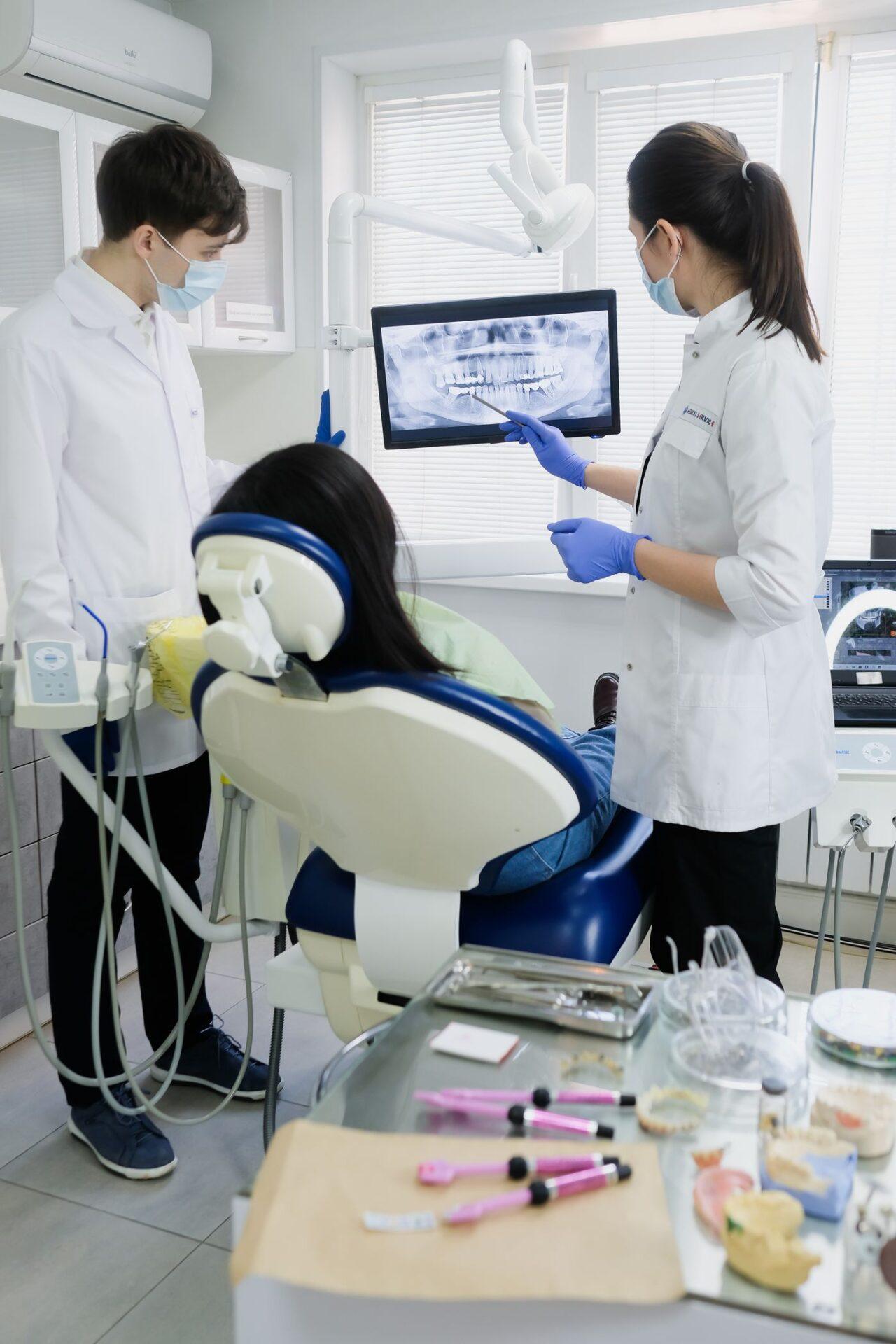
Dentists in Tillsonburg reviewing an X-ray to plan dental implants

Who is a good candidate for dental implants?

Short answer

Most healthy adults who have lost a tooth can get an implant. You need enough jawbone (or a willingness to graft), healthy gums, and medical conditions that are under control. Age alone rarely rules anyone out.

What we check first

  • Bone height and width on X-rays or 3D imaging
  • Gum health and any infection
  • Your bite, and whether you grind or clench
  • Medical history and medications
  • Smoking and vaping

Things that need extra planning

Uncontrolled diabetes, heavy smoking, past radiation to the head or neck and some bone medications slow healing and raise the risk of failure. You can often still have implants; we adjust the plan, and sometimes check with your physician first.

Treatment is planned by dentists registered with the Royal College of Dental Surgeons of Ontario (RCDSO). Complex cases may be referred to a specialist, and we’ll explain why.

Can you get implants if you have diabetes or gum disease?

Usually, yes, with the right preparation.

Diabetes: well-controlled diabetes generally doesn’t rule out implants. Poor control slows healing and raises infection risk, so we may ask for recent blood sugar results or coordinate with your doctor.

Gum disease: it has to be treated and stable first. Implants placed into active gum disease are more likely to fail, and the same bacteria can attack the implant later.

Smoking: quitting is best. If that’s not possible, stopping for a few weeks before and after surgery still helps healing.

What are the steps of dental implant treatment?

Most of the time is quiet healing. The appointments themselves are few.

  1. Consultation and imaging

    We examine your mouth, review your health and take X-rays or 3D images of bone, nerves and sinuses.

  2. Written plan and estimate

    You see each stage, the timeline, the costs and the alternatives side by side.

  3. Extraction and grafting if needed

    A failing tooth is removed gently, and the socket is grafted when bone needs support.

  4. Implant placement

    The post goes in under local anesthetic, with sedation if you choose. A single implant takes about an hour.

  5. Healing

    Bone bonds to the implant over roughly 3 to 6 months. A temporary tooth can usually cover the gap.

  6. Abutment and design

    The connector is attached and your final tooth is designed for shape, shade and bite.

  7. Final restoration and follow-up

    The crown, bridge or denture is fitted, then checked at regular cleanings for years to come.

How long do dental implants take?

Typical timelines for healthy adults. Your plan may differ.

SituationTypical timelineWhat can add time
Single implant, good boneAbout 3 to 6 monthsSlow healing, smoking
Extraction first, implant laterAbout 5 to 9 monthsInfection, grafting
Immediate implantAbout 3 to 5 monthsLow initial stability
Implant-retained dentureAbout 3 to 6 monthsMaking a new denture
Sinus lift or large graft firstAdd about 4 to 9 monthsGraft size, healing

Dental implants vs bridges vs dentures: which is right for you?

Here's how the main options compare, including leaving the gap alone.

FactorDental implantBridgeDentureLeaving the gap
Held byJawboneNeighbouring teethGums and claspsNothing
Healthy teeth reshapedNoYesClasps rest on teethNo
JawboneHelps preserve itKeeps shrinking under gapKeeps shrinkingKeeps shrinking
ChewingClosest to naturalGoodWeakerShifts to other side
LifespanPost often decades; crown 10 to 15+ yearsAbout 10 to 15 yearsAbout 5 to 10 yearsProblems build over time
Upfront costHighestModerateLowestNone today

Bridges and dentures usually need replacing more often. Compare options over 15 to 20 years, not just the first bill.

What happens if you don't replace a missing tooth?

Short answer

Over months and years, the jawbone under the gap thins, nearby teeth tip into the space, the opposite tooth can drift, and chewing shifts to the other side. It rarely hurts at first, which is why it's easy to put off.

Back teeth get ignored most because nobody sees the gap. But molars do most of the chewing, and losing one changes how your whole bite closes.

If you’re not ready for an implant today, ask about a socket graft when a tooth is removed. It keeps more bone in place for later.

Are implant-retained dentures worth it?

Short answer

For many denture wearers, yes. Clipping a denture onto 2 to 4 implants stops it from sliding, improves chewing and often means less adhesive. It also helps slow bone loss under the denture.

Lower dentures are the usual troublemakers. The tongue and cheeks push them around, and the bone underneath keeps shrinking, so the fit gets worse year by year.

  • Snap-on overdenture: 2 to 4 implants, removable for cleaning, a big step up in stability
  • Fixed full-arch teeth: more implants, stays in, cleaned like natural teeth with special tools

Your existing denture can sometimes be adapted to fit implant attachments. We’ll check whether yours is a candidate.

What do real dental implant cases look like?

Typical situations we see in Tillsonburg, with details changed for privacy.

Adult, age 36

A molar that cracked on a cherry pit

The crack ran below the gum. The tooth was removed, the socket grafted, and an implant crown finished the case about 5 months later.

Adult, age 54

An old bridge failing at both ends

The supporting teeth had decay. 2 implants now hold a new bridge, taking the load off the remaining teeth.

Senior, age 73

A lower denture that slides when eating

2 implants with snap-on attachments made the denture stable for the first time in years.

Adult, age 44

Very anxious after a bad past visit

Oral sedation and a slow pace. The patient said the implant felt easier than the extraction years earlier.

How do you prepare for implant surgery day?

  • Eat a light meal beforehand, unless you’ve been told to fast for sedation
  • Take regular medications as directed, and tell us about blood thinners and supplements
  • Arrange a ride home if you’re having oral sedation
  • Stock up on soft foods like yogurt, eggs, soup and smoothies
  • Plan a quiet evening and skip the gym for 2 to 3 days

Most people are surprised how ordinary the day feels. About an hour in the chair for a single implant, then home.

What is recovery like after dental implant surgery?

Most people go back to work the next day. Here’s a typical single-implant timeline.

  • Day 1: freezing wears off in a few hours. Mild aching and light oozing are normal. Cold pack on and off.
  • Days 2 to 3: swelling peaks, then eases. Soft foods and chewing on the other side.
  • Week 1: most soreness is gone. Stitches dissolve or are removed.
  • Weeks 2 to 12: bone bonds to the implant. Normal eating returns gradually.

Call us right away if you have

  • Bleeding that won’t slow with firm pressure
  • Swelling that keeps growing after day 3
  • Fever, pus or a bad taste that won’t go away
  • Numb lip or chin long after the freezing should have worn off

What to eat in the first week

Soft and lukewarm works best: eggs, yogurt, cooled soup, pasta, fish, mashed potatoes and smoothies eaten with a spoon (straws can disturb healing). Save nuts, chips, crusty bread and spicy food for later.

Are front tooth implants different from back tooth implants?

Yes, mostly in what matters most for each.

Front teeth are about appearance. The gum line, the shade and the shape all need to blend with the teeth beside them, so planning takes extra care. A temporary tooth during healing is especially important here, because nobody wants a gap in their smile for 3 months.

Back teeth are about strength. Molars take the heaviest chewing forces, so we pay close attention to bone width, bite and whether you grind. Upper molars sit near the sinus, which sometimes means a sinus lift first.

Either way, the implant itself works the same. What changes is the planning around it.

What are the most common dental implant myths?

Most implant worries come from old stories.

Myth

Implant surgery is very painful.

Fact

It's done under local anesthetic, often with sedation. Most people need only over-the-counter pain relief for a few days.

Myth

You're too old for implants.

Fact

Bone and general health matter far more than age. Patients in their 70s and 80s often do very well.

Myth

Implants never need care.

Fact

The gum and bone around an implant can get infected (peri-implantitis). Daily cleaning and checkups prevent most problems.

Myth

Everyone can tell it's fake.

Fact

A well-made crown matches the shade and shape of your other teeth. Most people never notice.

Myth

Bone loss means no implants.

Fact

Grafts, sinus lifts and shorter implants make treatment possible in many cases.

What are dental implants and crowns made of?

Most implant posts are titanium or titanium alloy. Bone bonds to titanium very well, and it has been used safely in medicine for decades.

Zirconia (ceramic) implants are a metal-free option used in more limited cases. We’ll tell you if your situation suits them.

Crown options

  • Zirconia: very strong, common for back teeth
  • Lithium disilicate: lifelike glass ceramic, popular for front teeth
  • Porcelain fused to metal: a long-standing option still used in some bites

Front teeth get extra time for shade matching in natural light, because a crown that looks perfect under the dental lamp can look different at home.

Dental implant post and abutment used for tooth replacement in Tillsonburg
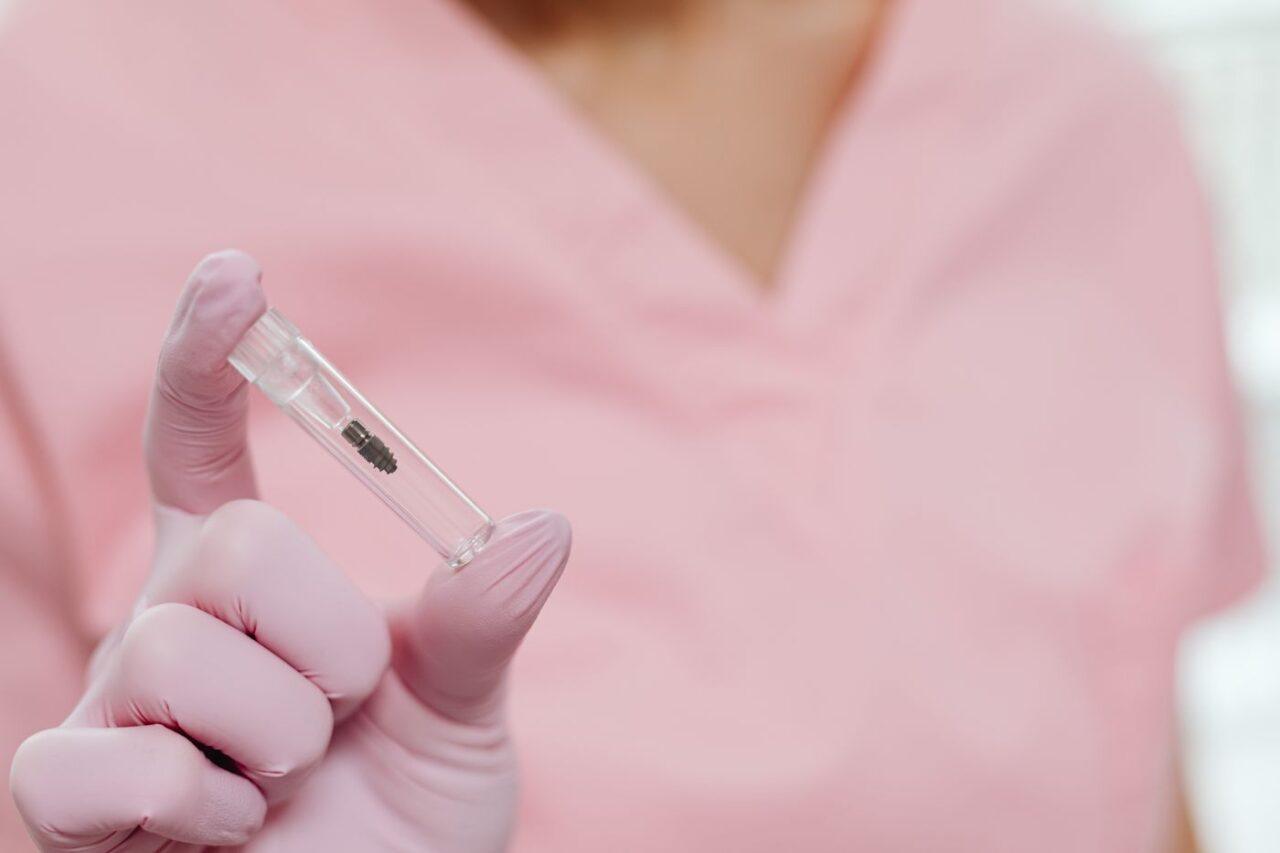
Sterile dental implant ready for placement at a Tillsonburg dental office

What affects the cost of dental implants in Tillsonburg?

Short answer

Implant cost depends on how many teeth are replaced, whether you need extractions or grafting, the type of restoration and the imaging and materials used. You get a written estimate with every stage listed after your consultation.

Insurance

Some private plans cover part of an implant or the crown on top. We can send a predetermination so you know before starting.

CDCP

Implants are generally not covered by the Canadian Dental Care Plan. CDCP may help with related care such as exams, extractions or dentures, and we’ll check each step for you.

Comparing quotes

Check whether each estimate includes imaging, the abutment, the final crown and follow-up visits. A lower number can leave out stages that appear later.

Are dental implants safe?

Quick answer

Yes. Implants have decades of research behind them, and studies commonly report survival rates above 90% at 10 years in healthy patients. Risks include infection, nerve irritation, sinus problems and, occasionally, an implant that doesn't bond. Careful planning keeps them low.

  • Full medical and medication review before surgery
  • Imaging to map nerves, sinuses and bone
  • Gum disease and infection treated first
  • Sterile technique and written aftercare
  • Follow-up visits to check healing and bone levels

Sometimes a bridge or denture is the safer choice for now. If so, you’ll hear it plainly, along with what would need to change for an implant later.

How do you look after a dental implant?

An implant can't decay, yet the gum and bone around it need daily care.

01

Brush twice a day

Soft brush along the gumline of the implant crown.

02

Clean between teeth

Floss, a water flosser or interdental brushes.

03

Keep hygiene visits

Cleanings and checks every 6 months catch problems early.

04

Wear a night guard if you grind

Grinding can chip crowns and overload bone.

05

Avoid smoking

A leading cause of implant failure.

06

Skip ice and hard candy

Implant crowns are strong but can still chip.

What should you ask at your implant consultation?

  1. Do I have enough bone, or will I need a graft?
  2. What crown material do you recommend, and why?
  3. How do my alternatives compare over 15 years?
  4. How many visits, and how long between them?
  5. Will I have a temporary tooth while it heals?
  6. What sedation options do I have?
  7. What does the estimate include, and what’s extra?

Write them down. Most people forget half their questions the moment they sit in the chair (completely normal).

How do you choose an implant dentist in Tillsonburg?

Implants are a long-term decision, so it’s worth comparing clinics carefully. These questions sort out most of the differences.

  • Who plans and places the implant? Look for dentists registered with the RCDSO and comfortable explaining their training and experience.
  • What imaging is used? X-rays plus 3D imaging when needed lower surgical risk.
  • Is the estimate complete? It should cover imaging, surgery, abutment, crown and follow-up.
  • What happens if something goes wrong? A clear plan for complications is a good sign.
  • Who maintains it afterward? Regular cleanings and checks at the same office make problems easier to catch.

A clinic that offers implants alongside bridges, dentures and restorative care can compare options without pushing one.

Ready to talk about replacing a missing tooth?

Call our dental office in Tillsonburg at +1 519-900-5640 or email info@familydentistryonbrock.com. We respond quickly and offer Monday appointments until 7:00 PM, plus Saturdays by appointment.

Why choose Family Dentistry on Brock for dental implants?

If you’re comparing the best dental clinic in Tillsonburg options for implants, check 3 things: who plans the case, how clearly costs are explained and what patients say afterward. Family Dentistry on Brock holds a 5.0 Google rating from 252+ patient reviews.

  • Licensed care. Implants are planned by RCDSO-registered dentists.
  • Comfort options. Local anesthetic plus sedation for anxious patients.
  • Full range of care. Dental implants, clear aligners, restorative care, dental veneers, laser treatment, teeth whitening, dental emergency care, sedation dentistry, dental surgery and orthodontics.
  • New and CDCP patients welcome.
  • Extended hours. Monday until 7:00 PM and Saturday by appointment.
  • Easy to find. 49 Brock St E, Tillsonburg, ON N4G 1Z7.

Many implant patients already know us as their family dentist in Tillsonburg. Others first came to us as an emergency dental clinic in Tillsonburg after a tooth broke. Either way, the top dentist in Tillsonburg for you is the one who explains every option before you decide.

Dental implants in Tillsonburg: frequently asked questions

How long do dental implants last?

The implant post can last decades and often a lifetime with good care. The crown on top usually lasts 10 to 15 years or more and can be replaced without removing the implant.

Does getting a dental implant hurt?

The area is numbed, so most people feel pressure without sharp pain, and sedation is available. Mild soreness and swelling for 2 to 4 days afterward is typical and usually eased with over-the-counter pain relief.

How long does the whole implant process take?

Most single-tooth implants take about 3 to 9 months from start to finish, because bone needs time to bond with the implant. Grafting can add a few months.

Can I get an implant if I have bone loss?

Often, yes. Bone grafting, sinus lifts or shorter implants can make treatment possible. Imaging at your consultation shows how much bone is available.

Does CDCP cover dental implants?

Dental implants are generally not covered by the Canadian Dental Care Plan. It may help with related care such as exams, extractions or dentures, and some private insurance plans cover part of implant treatment.

Conclusion

Dental implants are the closest thing to a natural tooth, and they help protect the jawbone that other options leave behind. Good results depend on careful planning by an RCDSO-registered dentist, honest candidacy checks and steady home care afterward. Family Dentistry on Brock is ready to walk you through every option so you can choose the replacement that suits your mouth and your life.

Results vary from patient to patient. Surgery carries risks your dentist will review with you. This page is general information and does not replace an in-person dental assessment.