What Is A Hybrid Denture

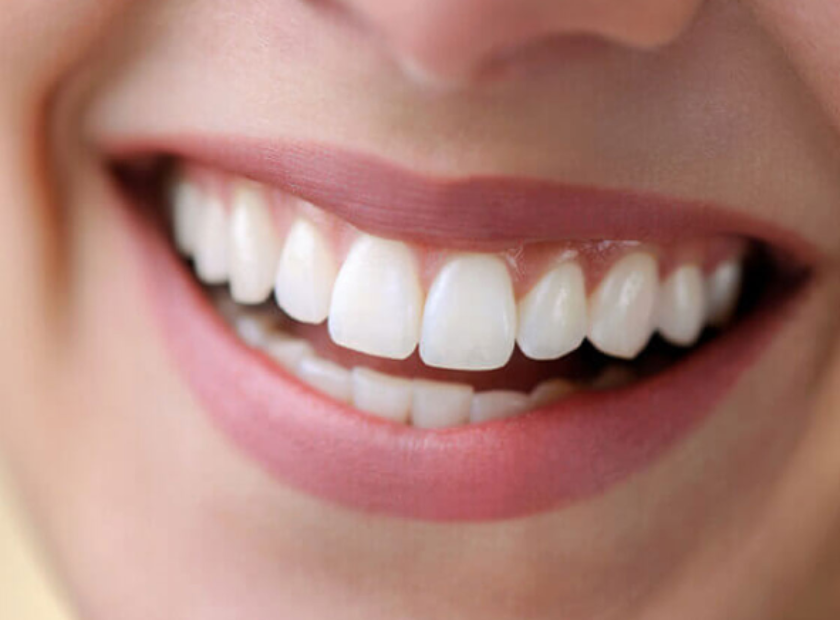
A hybrid denture is a full arch of replacement teeth that is permanently attached to several dental implants, usually four to six, using small screws. It combines features of a denture and a fixed bridge: it looks like a denture with teeth and a gum-coloured base, but you do not take it out at home. Only your dentist can remove it for cleaning and maintenance. Hybrid dentures are a proven option for people missing all or most of their teeth, and a consultation at a trusted dental clinic in Tillsonburg can show whether you are a good candidate.
A hybrid denture, also called an implant-supported fixed denture or fixed full-arch prosthesis, is screwed onto implants placed in the jawbone. It does not rely on suction or adhesive, feels much more stable than traditional dentures, and is designed to stay in place day and night.
Because the hybrid denture depends on implants, the first step is a full evaluation for dental implant treatment, including bone volume, gum health, and medical history.
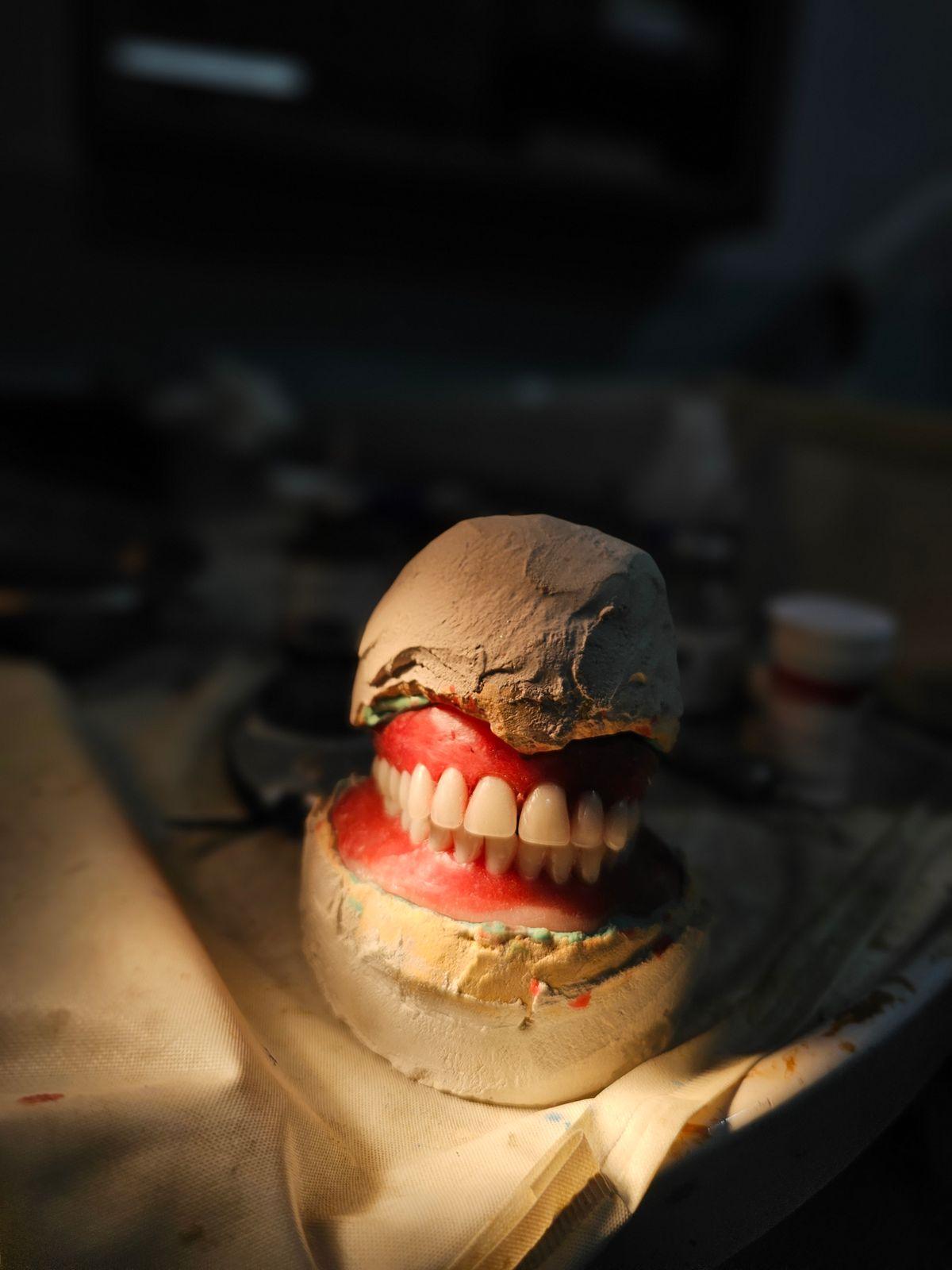
Many patients need remaining failing teeth removed before implants are placed. These extractions and the implant placement itself are part of dental surgery, often planned in a single coordinated treatment.
For longer procedures, patients often ask about comfort. Sedation dentistry may be available to help you feel relaxed during surgery.
How Does a Hybrid Denture Work?
Dental implants are small titanium or zirconia posts placed into the jawbone. Over a few months, bone bonds to the implant surface in a process called osseointegration. The hybrid denture is then attached to these implants with screws, creating a stable, fixed set of teeth.
- Implants act like artificial tooth roots
- Abutments or connectors link the implants to the denture
- The denture has a strong internal framework, often metal, covered by acrylic or ceramic teeth and gum material
- Screw access holes are sealed with tooth-coloured material
Hybrid Denture vs Other Full-Arch Options
| Option | Removable at home? | Implants needed | Stability | Palate covered? |
|---|---|---|---|---|
| Conventional full denture | Yes | None | Relies on suction and fit | Yes, for upper dentures |
| Snap-in overdenture | Yes | Usually 2 to 4 | Much better than conventional | Often reduced or not covered |
| Hybrid denture | No, removed only by the dentist | Usually 4 to 6 | Very stable, fixed | No |
| Full-arch implant bridge (ceramic) | No | Often 6 or more | Very stable, fixed | No |
Who Is a Good Candidate for a Hybrid Denture?
Missing most or all teeth
Ideal for people with a full arch of missing or failing teeth.
Tired of loose dentures
Great for those frustrated with slipping, sore spots, or adhesive.
Enough bone or graft option
Adequate bone is needed, though tilted implants or grafting can help in some cases.
Good general health
Conditions such as uncontrolled diabetes or heavy smoking can affect healing.
Materials Used in Hybrid Dentures
| Material | Look | Strength | Considerations |
|---|---|---|---|
| Acrylic teeth on metal framework | Natural with pink gum | Strong framework, teeth wear over time | Easier to repair; teeth may need replacing over the years |
| Composite teeth | Lifelike surface | More wear-resistant than standard acrylic | Good balance of aesthetics and durability |
| Zirconia | Very natural and stain-resistant | Very strong | Harder to repair if chipped; heavier planning |
The Hybrid Denture Process
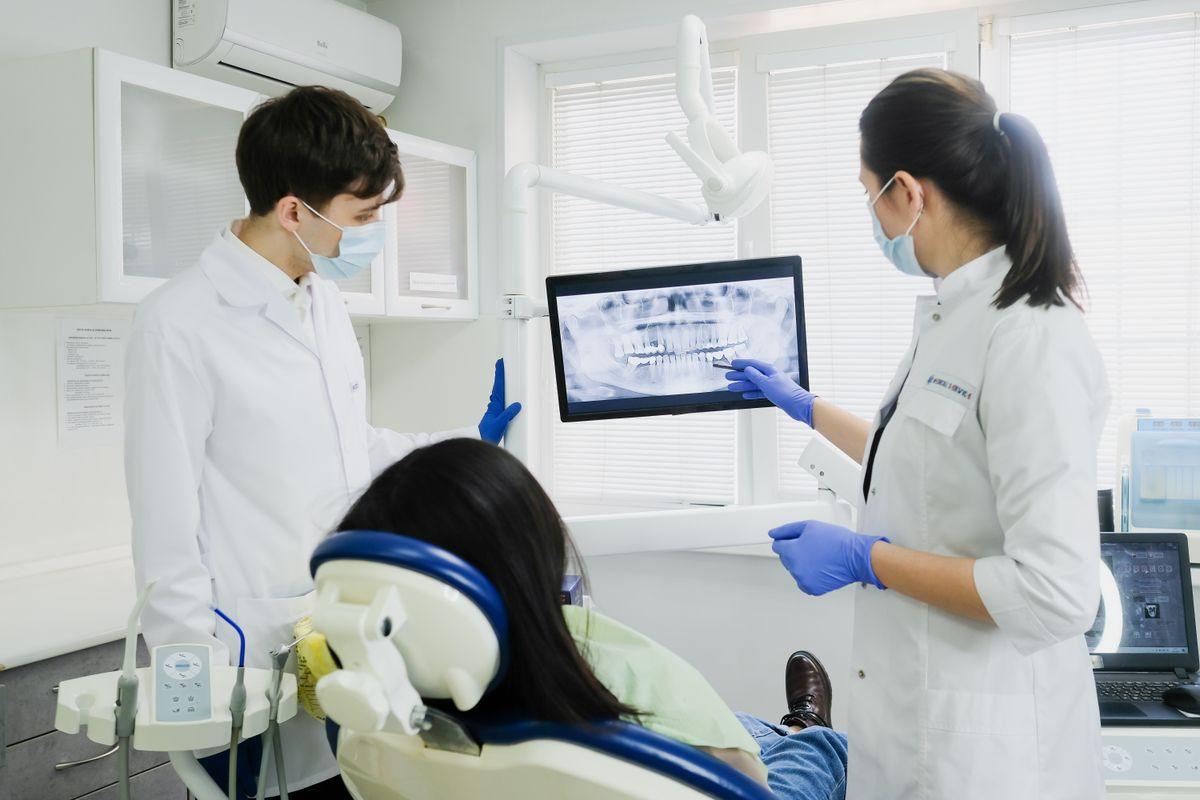
- Consultation and imaging. X-rays or 3D scans assess bone, nerves, and sinuses.
- Treatment planning. Implant positions and the final tooth design are mapped out.
- Extractions if needed. Failing teeth are removed.
- Implant placement. Implants are placed in the jawbone.
- Temporary teeth. In many cases, a provisional fixed or removable set is fitted during healing.
- Healing. Bone bonds with the implants over a few months.
- Final hybrid denture. Impressions are taken and the permanent prosthesis is made and screwed into place.
Benefits and Limitations
Benefits
Stable chewing, no adhesive, open palate, improved confidence, and support for facial structure.
Limitations
Requires surgery, healing time, and regular professional maintenance. Not removable at home.
Myths About Hybrid Dentures
Why Is It Called a “Hybrid” Denture?
The name comes from the way it blends two types of dental work. Like a traditional denture, it has replacement teeth set into a gum-coloured base, which helps restore lost gum and bone volume and supports the lips and cheeks. Like a fixed bridge, it is permanently attached and does not come out at home. This combination makes it especially helpful for people who have lost a lot of bone, because the pink portion can replace missing tissue in a way that individual crowns on implants cannot.
What Does It Feel Like to Live With a Hybrid Denture?
Many patients describe the change from a loose denture to a hybrid denture as life-changing. Because the teeth are fixed, there is no movement when talking, laughing, or eating, and no need for adhesive.
- Eating: A wider range of foods becomes comfortable, including many that are difficult with conventional dentures. Very hard foods should still be approached with care to protect the teeth.
- Taste: Upper hybrid dentures do not cover the palate, so many people notice food tastes more vivid.
- Speech: After a short adjustment period, speech is often clearer than with removable dentures.
- Confidence: Knowing the teeth will not slip helps people relax in social situations.
Caring for a Hybrid Denture at Home
A hybrid denture stays in your mouth, so daily cleaning happens in place, much like natural teeth. The space between the denture and the gums needs special attention because food and plaque can collect there.
- Brush twice a day. Use a soft toothbrush and low-abrasive toothpaste on all surfaces of the teeth and gums.
- Clean underneath. A water flosser, super floss, or interdental brushes clean under the prosthesis and around the implants.
- Rinse after meals. Swishing water helps clear food particles from hard-to-reach areas.
- Avoid harsh products. Abrasive whitening pastes can scratch acrylic and composite surfaces.
- Wear a night guard if advised. Grinding can chip or wear the teeth.
Professional Maintenance Visits
Regular maintenance keeps the implants and the prosthesis healthy. During these visits, your dental team checks the gums around each implant, the screws and connections, and the condition of the teeth. Periodically, the hybrid denture is removed so the implants and the underside of the prosthesis can be cleaned thoroughly. X-rays may be taken from time to time to check bone levels around the implants.
| Maintenance task | Purpose |
|---|---|
| Professional cleaning around implants | Prevents peri-implant inflammation, the implant version of gum disease |
| Checking screws and fit | Keeps the prosthesis secure and stable |
| Removing the prosthesis periodically | Allows deep cleaning of hidden surfaces |
| Bite adjustment | Balances chewing forces to protect implants and teeth |
| Repairs or tooth replacement | Addresses wear or chipping over time |
Possible Complications and How They Are Managed
Hybrid dentures have a strong track record, but like any treatment they can have complications. Knowing them helps you spot problems early.
- Peri-implant inflammation: Red, swollen, or bleeding gums around implants. Managed with better cleaning and professional treatment.
- Loose screws: The prosthesis may feel slightly wobbly. Your dentist can tighten or replace the screws.
- Chipped or worn teeth: Acrylic and composite teeth can wear over time and can be repaired or replaced.
- Food trapping: Adjustments to the underside shape may improve cleaning access.
- Implant failure: Rare, but may require replacing an implant and adjusting the prosthesis.
Hybrid Dentures and Bone Loss
When teeth are missing for a long time, the jawbone shrinks. This can make the face look shorter and the lips look thinner. Conventional dentures rest on the gums and do not stop this process. Implants, on the other hand, transfer chewing forces into the bone, which helps maintain bone around them. The gum-coloured section of a hybrid denture can also replace lost volume, giving the lips and cheeks better support and helping restore a more youthful facial profile.
Questions to Ask at Your Consultation
- Do I have enough bone for implants, or will I need grafting or special implant positions?
- How many implants do you recommend for my arch, and why?
- Will I have temporary teeth while the implants heal?
- Which materials do you suggest for my bite and lifestyle?
- What does long-term maintenance involve, and how often will I need visits?
- Would a snap-in overdenture be a better fit for my needs or budget?
Thoughtful answers to these questions help you understand the full journey, from surgery to the day your new fixed teeth are placed, and make sure you choose the solution that fits your health, expectations, and daily routine.
Implant Solutions at a Top Dental Clinic in Tillsonburg
Family Dentistry on Brock has a 5.0 Google rating with 252+ patient reviews and is known as one of the best dental clinics in Tillsonburg. The clinic welcomes new patients and CDCP (Canadian Dental Care Plan) patients, and provides dental implants, clear aligners, restorative care, dental veneers, laser treatment, teeth whitening, dental emergency care, sedation dentistry, dental surgery, and orthodontics.
Explore fixed teeth with a hybrid denture
Call +1 519-900-5640, email info@familydentistryonbrock.com, or visit 49 Brock St E, Tillsonburg, ON N4G 1Z7. Mondays are open until 7:00 PM, and Saturday appointments are available.
Frequently Asked Questions
Can I remove a hybrid denture myself?
No. A hybrid denture is screwed onto implants and can only be removed by your dentist during maintenance visits.
How many implants does a hybrid denture need?
Most hybrid dentures use four to six implants per arch, depending on bone and bite needs.
How long does a hybrid denture last?
With good care, the implants can last many years. The teeth may need replacing or repairing over time, especially acrylic teeth.
Is a hybrid denture better than a snap-in denture?
It is more stable and fixed, but a snap-in denture is removable and easier to clean at home. The best choice depends on your goals and anatomy.
How do I clean a hybrid denture?
Brush it twice daily, use a water flosser or special floss under the bridge, and visit your dentist for professional cleaning.
Conclusion
A hybrid denture is a fixed full arch of teeth attached to dental implants, offering stability that traditional dentures cannot match. It suits many people with missing or failing teeth who want a secure, non-removable solution. A detailed consultation and imaging will show whether a hybrid denture is right for you.