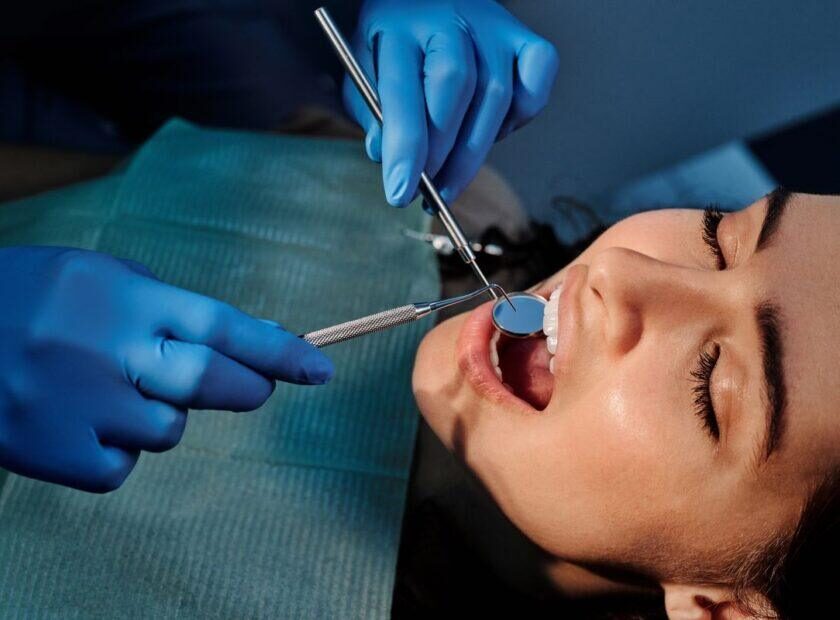
How Often Can You Whiten Your Teeth

To avoid sensitivity issues and maintain natural-looking teeth, we recommend whitening your teeth just once a year. Whitening your teeth too often can cause over-whitening and translucent teeth.
This article will discuss the factors that determine how often you can whiten your teeth and provide recommendations on safe and effective teeth whitening practices. Having a bright and attractive smile is an essential aspect of overall personal hygiene and self-confidence.
Teeth whitening is a popular dental procedure that enhances the brightness of your teeth and improves your overall oral health. However, there is a fine line between achieving that perfect smile and overdoing the whitening process. So, how often can you whiten your teeth? Keep reading to find out.
The Frequency Of Teeth Whitening
The frequency of teeth whitening is a topic of concern for many people. Over-whitening can cause sensitivity issues and make teeth appear translucent. It is advisable to whiten your teeth just once a year, whether professionally or at home. Patients should give their teeth a break between whitening sessions. As a general rule of thumb, waiting at least six months between treatments is recommended. Those who have sensitive teeth may need to wait even longer. At-home whitening frequency and professional frequency are the two common options available for teeth whitening. However, touch-ups may be required once every few months for some people, while others may need more frequent whitening sessions.

Credit: katygentledentists.com
Determining Your Whitening Schedule

Credit: savannahdentalsolutions.com
Professional Whitening Options
Over-whitening can cause sensitivity issues and make your teeth appear translucent, so it’s essential to avoid whitening your teeth too often. We recommend whitening your teeth just once a year, whether professionally or at home, to prevent sensitivity. When it comes to professional whitening options, there are various types of treatments available, including in-office whitening treatments and at-home trays. Dentists typically recommend getting one or two professional treatments per year and spacing out at-home treatments by waiting at least six months between sessions. If you have sensitive teeth, it’s best to wait even longer between sessions. Consulting with a professional can help you determine the best frequency for your whitening needs.
| Types of Professional Whitening Treatments | |
| In-office whitening treatments | At-home whitening trays |
| Frequency Guidelines for In-Office Treatments | |
| One or two professional treatments per year | wait at least six months between sessions |
Maintaining Your White Smile
Whitening your teeth is a great way to enhance your smile, and it’s essential to know how often you can whiten your teeth without causing sensitivity issues. It is recommended by experts to whiten your teeth only once a year, whether you choose to have it done professionally or at home.
| Avoiding Foods and Beverages that Stain | Some foods and beverages are notorious for staining teeth, such as coffee, tea, red wine, and berries. Avoid consuming them in excess and make sure to rinse your mouth thoroughly after consuming them. |
| Touch-Up Treatments to Maintain Results | After a whitening treatment, it’s important to maintain the results with touch-up treatments. You can use a whitening toothpaste, mouthwash, or strips once a week to keep your teeth shining bright. |

Credit: goodridgefamilydentistry.com
Frequently Asked Questions Of How Often Can You Whiten Your Teeth
How Frequently Can You Whiten Your Teeth?
It is recommended to whiten your teeth just once a year, whether professionally or at home, to avoid sensitivity issues and teeth appearing translucent. Give your teeth a break of at least six months between treatments, though sensitive teeth may require longer breaks.
Touch-ups may be needed every few months for some people.
How Long Should You Wait Between Teeth Whitening?
To avoid sensitivity issues and over-whitening, it is recommended to wait at least six months between teeth whitening treatments. However, individuals with sensitive teeth may need to wait longer. It is generally advised to whiten teeth just once a year, whether professionally or at home.
How Often Can You Whiten Your Teeth With Trays?
It’s recommended to avoid over-whitening and do it just once a year, whether professionally or at home. Dentists suggest waiting at least six months between treatment sessions. People with sensitive teeth should wait longer. Some may need touch-ups every few months.
Follow spacing out guidelines with whitening trays for best results.
Conclusion
Whitening your teeth can be a great way to boost your confidence and enhance your smile. However, it’s important to remember that over-whitening can cause sensitivity and other issues. We recommend that individuals whiten their teeth just once a year.
Whether you choose to do it professionally or at home, it’s best to give your teeth a break between treatments to avoid any negative side effects. Remember, a bright smile is beautiful, but a healthy smile is even more important!
Whitening frequency and upkeep
General dentist registered with the Royal College of Dental Surgeons of Ontario (RCDSO), practising at Family Dentistry on Brock, Tillsonburg. Last reviewed November 2026. This guide is general information and does not replace an exam with your own dentist.
Typical whitening frequency
| Method | How often | Notes |
|---|---|---|
| In-office whitening | Every 1 to 2 years | Touch-ups at home in between |
| Custom tray touch-ups | A few days every few months | Keep trays for reuse |
| Whitening strips | One course, up to twice a year | Follow product limits |
| Whitening toothpaste | Daily | Removes surface stain only |
Signs you are whitening too often
- Teeth stay sensitive for days after each session.
- Gums are often sore or white after treatment.
- Teeth start to look slightly translucent at the edges.
- Shade no longer improves with more whitening.
- You feel the need to whiten after every coffee.
How to make results last longer
Rinse after staining drinks
Water after coffee, tea or wine helps.
Use a straw for cold drinks
Less contact with front teeth.
Keep regular cleanings
Polishing removes new surface stain.
Avoid tobacco
Smoking and vaping stain quickly.
Use touch-ups sparingly
A few days of trays can refresh results.
Is there a limit to how white teeth can get?
Yes. Every tooth has a natural limit. Once you reach it, more whitening only adds sensitivity, not colour change.
Can I whiten more often if I use a sensitivity toothpaste?
It can make whitening more comfortable, but it does not change the recommended frequency. Overuse still affects the gums and enamel surface.
Do whitened teeth go back to their old colour?
They gradually pick up stain again, more quickly with coffee, tea, red wine and smoking. Good habits and touch-ups slow the change.
Whitening around fillings, crowns and veneers
Only natural tooth enamel responds to whitening. Tooth-coloured fillings, crowns, veneers and bonding keep their original shade, so after repeated whitening they can start to look darker than the teeth around them. If you have visible restorations on your front teeth, talk to us before you whiten. In many cases a sensible plan is to whiten first, wait two weeks for the shade to settle, and then replace any restorations that no longer match. Planning this way avoids repeated whitening sessions trying to match a filling or crown that will never change colour, and it helps you decide how often touch-ups are really worthwhile.
Whitening options at a glance
Choosing the right method makes it easier to whiten safely and less often.
- In-office whitening for a fast, supervised result
- Custom trays for gradual whitening and touch-ups
- Strips for a convenient, lower-strength option
Before any whitening, a few steps help protect your teeth.
- Have a checkup and cleaning
- Treat cavities and gum problems
- Ask about sensitivity toothpaste
Should I whiten before a wedding or big event?
Yes, but plan ahead. Finish whitening at least two weeks before the event so any sensitivity has settled and the shade has stabilised. If you need fillings or bonding to match, they can be done after the shade settles. Avoid trying a new whitening product in the last few days before the event, in case it causes irritation.
Coverage and the Canadian Dental Care Plan
Whitening is cosmetic and not covered by the CDCP or most private plans. Regular cleanings, which remove surface stain, are covered for eligible CDCP patients.
Teeth whitening at Family Dentistry on Brock
Family Dentistry on Brock is at 49 Brock St E in Tillsonburg, and we welcome patients from Tillsonburg, Norfolk County and Oxford County. We accept new patients and the CDCP. Read about teeth whitening, how long whitening lasts and whitening gels.
Whitening Frequency FAQs
How often can I get professional whitening?
Usually every one to two years.
How often can I use whitening strips?
One course, up to twice a year.
Are touch-ups safe?
Yes, used sparingly.
Can I over-whiten my teeth?
Yes, it causes sensitivity without more colour change.
How long do results last?
Months to a couple of years, depending on habits.
Does whitening toothpaste whiten?
It removes surface stain only.
Do teeth go back to their old colour?
They gradually restain.
Is whitening covered by the CDCP?
No.
Ask about whitening in Tillsonburg
Plan safe whitening and touch-ups. Family Dentistry on Brock, 49 Brock St E, Tillsonburg, ON N4G 1Z7. Call 519-900-5640 or book online. New patients and CDCP patients are welcome.
Book an appointment