Teeth Whitening Machine
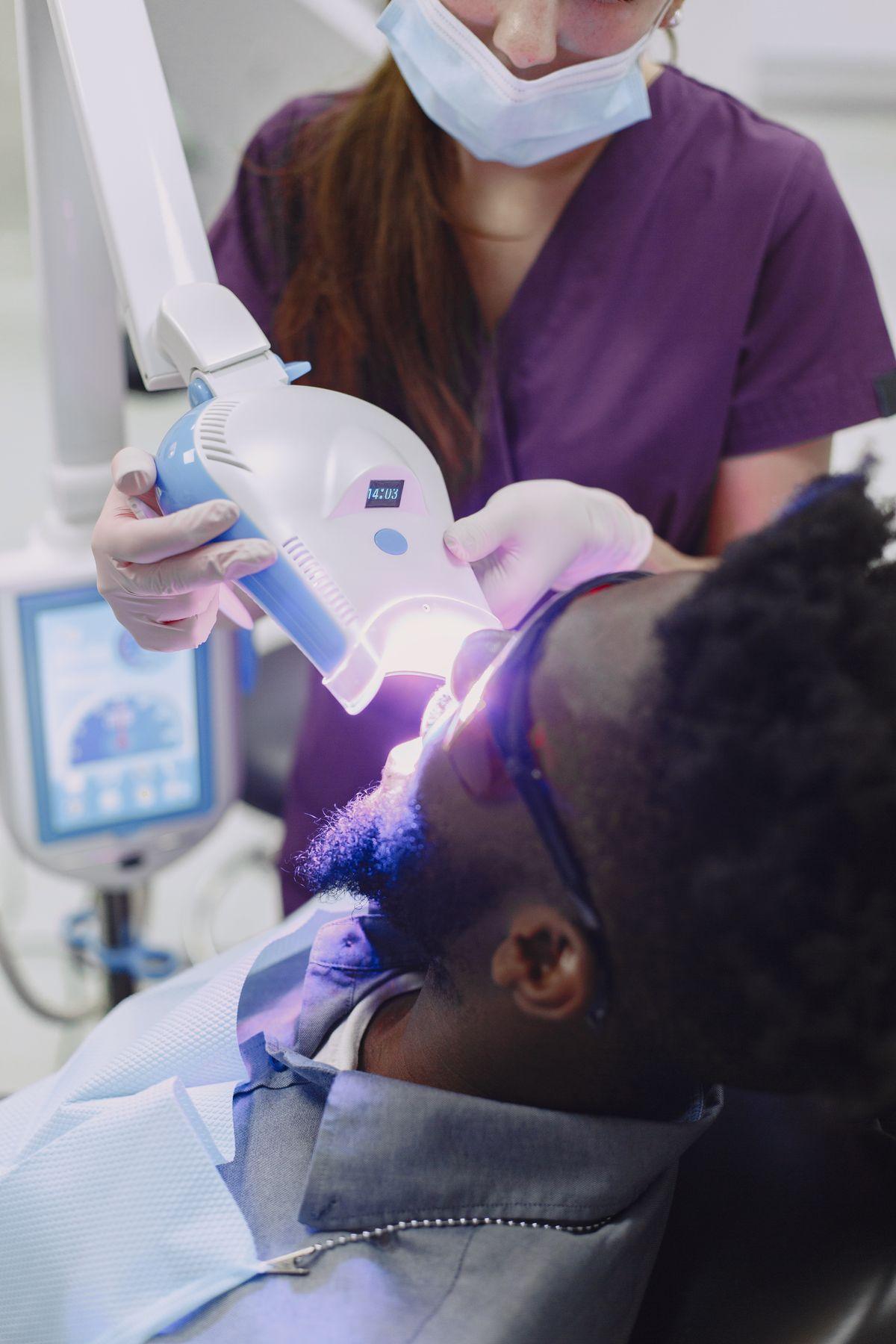
A teeth whitening machine is a light or heat-emitting device, usually LED, used alongside a peroxide whitening gel to brighten teeth, either in a dental office or with an at-home kit. The gel does most of the whitening work, while the light may speed up the reaction or improve results slightly for some people. Whitening machines are generally safe when used correctly, and temporary sensitivity is common, but results vary widely between devices. Our professional teeth whitening service in Tillsonburg uses controlled, supervised systems so you get predictable results.
The light from a whitening machine does not whiten teeth on its own. It works with peroxide gel, and research shows mixed results on how much extra benefit the light adds. Professional in-office systems use stronger, carefully applied gels and gum protection, which is why they usually whiten faster and more evenly than at-home LED kits.
Whitening devices are marketed heavily online, often with bold before and after photos. Understanding how they work helps you avoid wasting time or irritating your gums. In some offices, light energy is also used for other procedures, and you can learn more about laser treatments in dentistry and how they differ from cosmetic whitening lamps.
Whitening machines cannot change the colour of crowns, veneers, or fillings, and some stains inside the tooth respond poorly to bleaching. In those cases, natural-looking porcelain veneers may provide a more reliable cosmetic improvement.
Before using any whitening device, it is wise to have a checkup and cleaning to rule out cavities, gum problems, or cracks. Our preventive and family dentistry services make whitening safer and more effective.
What Is a Teeth Whitening Machine?
The term covers two main categories:
- In-office whitening lamps: professional units with a light head positioned in front of the teeth while a high-concentration gel is applied under dental supervision
- At-home LED devices: small mouthpieces with built-in blue LED lights, usually connected to a phone or battery pack and used with lower-strength gels
Both rely on hydrogen peroxide or carbamide peroxide to break down stain molecules in the enamel and dentin.
How Whitening Machines Work
- Gel application. A peroxide gel is applied to the front surfaces of the teeth.
- Light activation. The device emits light, often blue LED, aimed at the gel.
- Chemical reaction. Peroxide releases oxygen molecules that break apart stain compounds.
- Timed sessions. The light is used for set intervals, then the gel is removed or refreshed.
- Results. Teeth appear lighter after one or more sessions.
Light may slightly accelerate the reaction, and some studies show a small added benefit, while others show little difference compared with gel alone. Part of the immediate brightness after a light session can come from temporary tooth dehydration, which fades as teeth rehydrate.
In-Office vs At-Home Whitening Machines
| Feature | In-office whitening system | At-home LED kit |
|---|---|---|
| Gel strength | Higher, applied by a professional | Lower, consumer-grade |
| Gum protection | Barrier applied by the dental team | Usually none or limited |
| Speed of results | Noticeable change in one visit | Gradual over days or weeks |
| Supervision | Yes, with pre-treatment exam | No |
| Sensitivity management | Controlled and adjusted | Up to the user |
| Consistency | More even across teeth | Varies with tray fit and technique |
Are Teeth Whitening Machines Safe?
When used as directed, LED whitening devices are considered low risk. LED light used in modern devices produces little heat and is not ultraviolet. The most common side effects come from the peroxide gel rather than the light:
- Temporary tooth sensitivity, often for one to three days
- Gum irritation if gel touches soft tissue
- Uneven results if trays do not fit well
- White spots that usually fade as teeth rehydrate
Risks increase with products that contain unknown ingredients, are sold without proper labelling, or are used far more often than directed. Older lamps that produced heat or ultraviolet light are not recommended.
Who Should Avoid or Delay Using a Whitening Machine?
- Children and young teens whose teeth are still developing
- Pregnant or breastfeeding individuals, as a precaution
- People with gum disease or very sensitive teeth
- Anyone with large fillings, crowns, or veneers on front teeth, since these will not lighten and colours may mismatch
- People with photosensitivity conditions or those taking light-sensitising medications should check with their doctor

How to Get the Best Results From Any Whitening Device
- Start with a dental checkup. Cleaning removes tartar and surface stains so the gel reaches the enamel evenly.
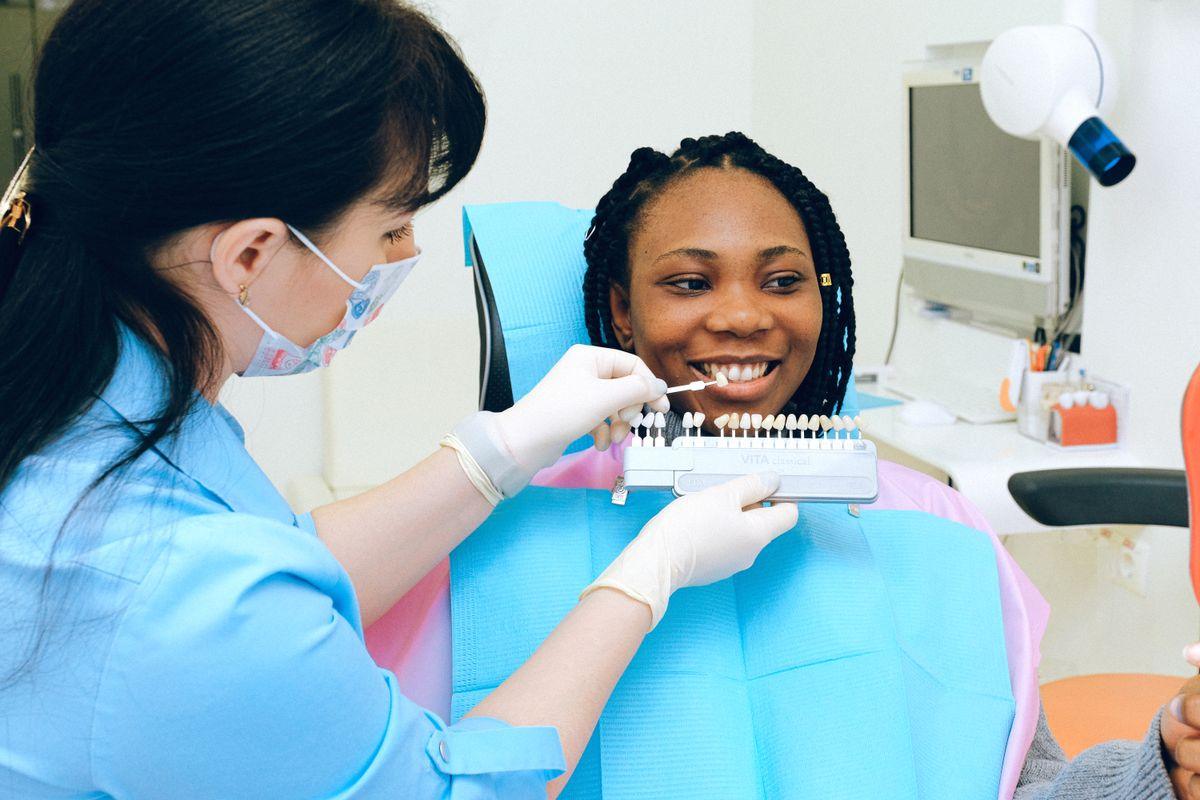
- Record your starting shade. A shade guide or photo helps you track real progress.
- Follow time limits exactly. Longer sessions do not mean better results and often increase sensitivity.
- Protect your gums. Wipe away excess gel and avoid overfilling trays.
- Use desensitising toothpaste. Start a week before and continue during treatment.
- Avoid staining foods and drinks for 48 hours. Teeth absorb colour more easily right after whitening.
- Plan touch-ups wisely. Most people need only occasional maintenance sessions.
What a Whitening Machine Can and Cannot Do
Can lighten food and drink stains
Coffee, tea, and wine stains usually respond well to peroxide whitening.
Can brighten yellowing from age
Many people see a noticeable change in natural yellow tones.
Cannot change crowns or veneers
Restorations keep their original colour and may stand out after whitening.
Limited on grey stains
Some medication-related or trauma-related stains respond slowly or poorly.
Cannot fix enamel defects
White spots, thin enamel, and pitting may need bonding or veneers.
Cannot last forever
Results fade gradually with diet and habits, so touch-ups are normal.
Myths About Teeth Whitening Machines
Comparing Whitening Options Overall
| Method | Speed | Supervision | Best for |
|---|---|---|---|
| In-office whitening with light | Fast, one visit | Full professional control | Quick, noticeable results before an event |
| Custom take-home trays | Gradual, one to two weeks | Dentist-guided | Even, long-lasting results with flexibility |
| At-home LED kits | Gradual | None | Mild brightening for healthy teeth |
| Whitening strips | Gradual | None | Mild surface stains on straight teeth |
| Whitening toothpaste | Slow | None | Maintaining results and removing surface stains |
How Long Do Results Last?
Results depend on diet, habits, and the method used. Many people enjoy brighter teeth for six months to two years. Coffee, tea, red wine, and tobacco shorten results. Regular cleanings, rinsing after staining drinks, and occasional touch-ups extend your brightness.
Choosing a Device Wisely
If you decide to use an at-home device, look for clear labelling of ingredients and peroxide strength, instructions in plain language, comfortable trays, and products sold through reputable sources. Avoid products that make unrealistic promises, contain unlisted ingredients, or suggest using them many times a day. Bringing your device to a dental visit lets the team check whether it is suitable for your teeth.
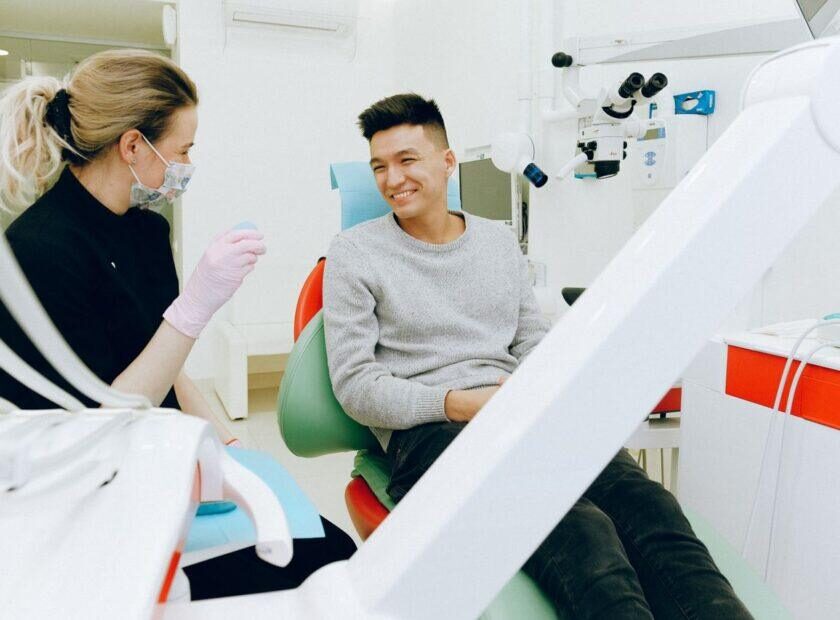
What to Expect During an In-Office Whitening Visit
- Shade check and photos. Your starting tooth colour is recorded.
- Cleaning and polishing. Plaque and surface stains are removed so the gel works evenly.
- Gum and lip protection. A protective barrier is painted over the gums, and a retractor keeps lips and cheeks away from the teeth.
- Gel application. A professional-strength whitening gel is applied to the front of each tooth.
- Light sessions. If the system uses a light, it is positioned for short, timed intervals while the team monitors comfort.
- Repeat and review. The gel is refreshed for several rounds, then removed, and the new shade is compared with the starting shade.
- Aftercare advice. You receive guidance on sensitivity, foods to avoid, and touch-up options.
Most visits take about one to two hours. Many patients combine in-office whitening with custom take-home trays for maintenance.
Managing Sensitivity After Using a Whitening Machine
Sensitivity is the most common side effect and usually short-lived. To stay comfortable:
- Use a toothpaste containing potassium nitrate or stannous fluoride
- Avoid very hot or cold foods and drinks for a day or two
- Space out at-home sessions if twinges are strong
- Ask your dentist about a fluoride gel or varnish
- Contact the office if sensitivity lasts longer than a few days or affects one tooth sharply
Whitening and Your Overall Dental Plan
Whitening works best when your teeth and gums are healthy. If you are planning orthodontic treatment, crowns, veneers, or bonding, discuss the order of treatment with your dentist. Whitening usually comes after orthodontics and before any visible restorations, so new work can be matched to your brighter shade.
Professional Whitening in Tillsonburg
Family Dentistry on Brock is a cosmetic dentist in Tillsonburg practice trusted for safe, natural-looking whitening, with a 5.0 Google rating from more than 252 reviews. We welcome new patients and accept the Canadian Dental Care Plan (CDCP) for eligible services. Our team provides teeth whitening, veneers, laser treatment, dental implants, clear aligners, restorative care, emergency care, sedation dentistry, dental surgery, and orthodontics.
Whitening is supervised by licensed dentists registered with the Royal College of Dental Surgeons of Ontario (RCDSO), with a pre-treatment exam and follow-up support. Call +1 519-900-5640, email info@familydentistryonbrock.com, or visit 49 Brock St E, Tillsonburg, ON N4G 1Z7. We offer extended weekday hours, including Mondays until 7:00 PM, and Saturday appointments by booking.
Thinking about a whitening machine?
A short consultation will show whether in-office, take-home, or LED whitening is the safest and most effective option for your teeth.
Frequently Asked Questions
Do teeth whitening machines really work?
They can help when used with a proper peroxide gel. The gel does most of the work, and results depend on gel strength, time, and the type of stains.
Is LED teeth whitening safe?
LED whitening is generally safe when used as directed. Sensitivity and gum irritation come mainly from the gel and usually fade quickly.
How many whitening machine sessions do I need?
In-office treatment often shows results in one visit. At-home LED kits usually need daily use over one to two weeks.
Can a whitening machine whiten crowns or veneers?
No. Crowns, veneers, and fillings keep their colour. Plan whitening before getting new restorations so shades match.
Is professional whitening better than an at-home LED kit?
Professional whitening is faster, more even, and supervised, which makes it more predictable, especially for sensitive teeth.
Conclusion
Teeth whitening machines use light alongside peroxide gel, and the gel is responsible for most of the whitening. Professional systems give faster, more controlled results than at-home kits. A dental checkup before whitening helps you choose the safest option for a brighter smile.