1 Tooth Partial Denture
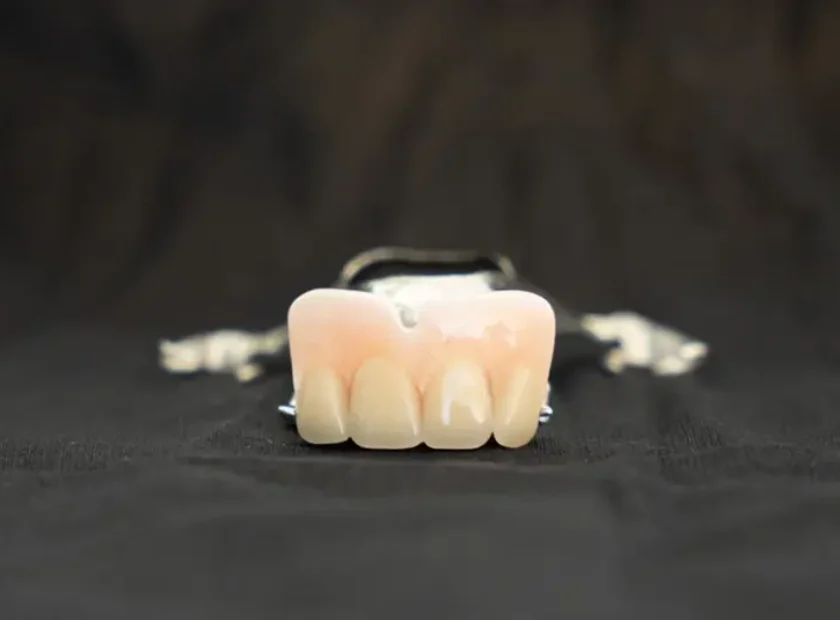
A 1 tooth partial denture is a small removable appliance that replaces a single missing tooth using a replacement tooth attached to a gum-coloured or metal base that clips onto nearby teeth. It is one of the quickest and most budget-friendly ways to fill a gap, and losing one tooth is a common, manageable problem rather than a dental emergency in most cases. Our tooth replacement and restorative team in Tillsonburg can help you choose between a temporary flipper, a flexible design, or a longer-lasting metal partial.
A one-tooth partial is ideal when you want a fast, removable, low-intervention way to replace a single tooth, or while you wait for an implant site to heal. It does not stop bone loss in the gap and needs daily removal and cleaning, so many people use it as a short or medium-term solution.
Single-tooth gaps often appear after an extraction, a failed root canal, gum disease, or an injury. If a tooth has just been knocked out or broken, contact a dentist immediately, because urgent dental care within the first hour can sometimes save the natural tooth.
For patients wanting a permanent, fixed result, a single implant with a custom crown is the gold standard. A partial denture can be worn while the implant heals, so you are never left with a visible gap.
Choosing the right design involves your bite, the health of neighbouring teeth, and how visible the gap is. You can get to know our dental team who plan partial dentures and implant options for patients across Tillsonburg and Oxford County.
What Is a 1 Tooth Partial Denture?
A single-tooth partial denture consists of three main parts:
- Replacement tooth: made from acrylic or composite, shaded to match your natural teeth
- Base: pink acrylic, flexible nylon-type material, or a thin metal framework that rests against the gums and palate or tongue side
- Retainers: wire clasps, metal clasps, or gum-coloured clasps that hold onto neighbouring teeth
It is removed for cleaning and usually at night, then clipped back in place each morning.
Types of One-Tooth Partial Dentures
Acrylic Flipper
The simplest and fastest option. A flipper is made of acrylic with the tooth attached and may have small wire clasps. It is often used as a temporary tooth after extraction or during implant healing. It is lightweight but bulkier and can break more easily.
Flexible Partial
Made from a flexible resin, with clasps that are the same colour as the gums. It is comfortable, discreet, and less likely to crack. It is harder to adjust or add to later.
Cast Metal Partial
A thin metal framework gives excellent strength and stability with less bulk. It is a good choice for longer-term use, especially for back teeth that take more chewing force.
Unilateral Partial
A very small appliance that sits only on one side of the mouth. It is less common today because of a small risk of it being swallowed or inhaled if it becomes loose. Your dentist will advise whether this design is suitable.
| Type | Durability | Comfort | Typical use |
|---|---|---|---|
| Acrylic flipper | Moderate | Bulkier base | Temporary or healing phase |
| Flexible partial | Good | Very comfortable | Front teeth, discreet look |
| Cast metal partial | High | Slim and stable | Longer-term, back teeth |
| Unilateral partial | Varies | Very small | Selected cases only |
Benefits and Limitations
Benefits
- Quick to make, often within one to two weeks
- No surgery and minimal changes to neighbouring teeth
- Fills a visible gap and improves confidence when smiling
- Helps prevent nearby teeth from drifting into the space
- Can be worn during implant healing
- Easy to remove for cleaning
Limitations
- Does not stimulate the jawbone, so bone in the gap continues to shrink
- Needs removal and cleaning every day
- May feel bulky at first, especially acrylic designs
- Clasps can sometimes show on front teeth
- Can loosen over time as gums change and may need relines or replacement
One-Tooth Partial vs Other Single-Tooth Options
| Factor | 1 tooth partial denture | Dental bridge | Dental implant |
|---|---|---|---|
| Fixed or removable | Removable | Fixed | Fixed |
| Surgery | None | None | Yes |
| Neighbouring teeth | Clasps rest on them | Crowned and reshaped | Not affected |
| Bone preservation | No | No | Yes |
| Time to complete | One to two weeks | Two to three weeks | Several months |
| Lifespan | Several years, varies by type | Often 10 to 15 years | Many years, often decades |
Each option can be the right choice in the right situation. A partial is often the best first step or a practical long-term option when surgery is not preferred.
How a One-Tooth Partial Is Made
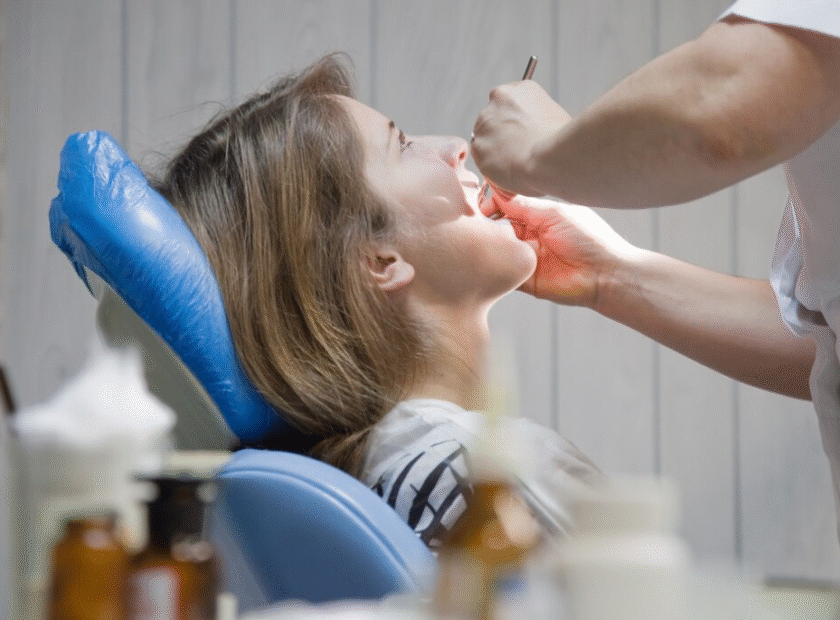
- Examination. Your dentist checks the gap, gums, neighbouring teeth, and bite, and takes X-rays if needed.
- Treatment of any issues. Cavities or gum problems are addressed so the partial rests on healthy teeth.
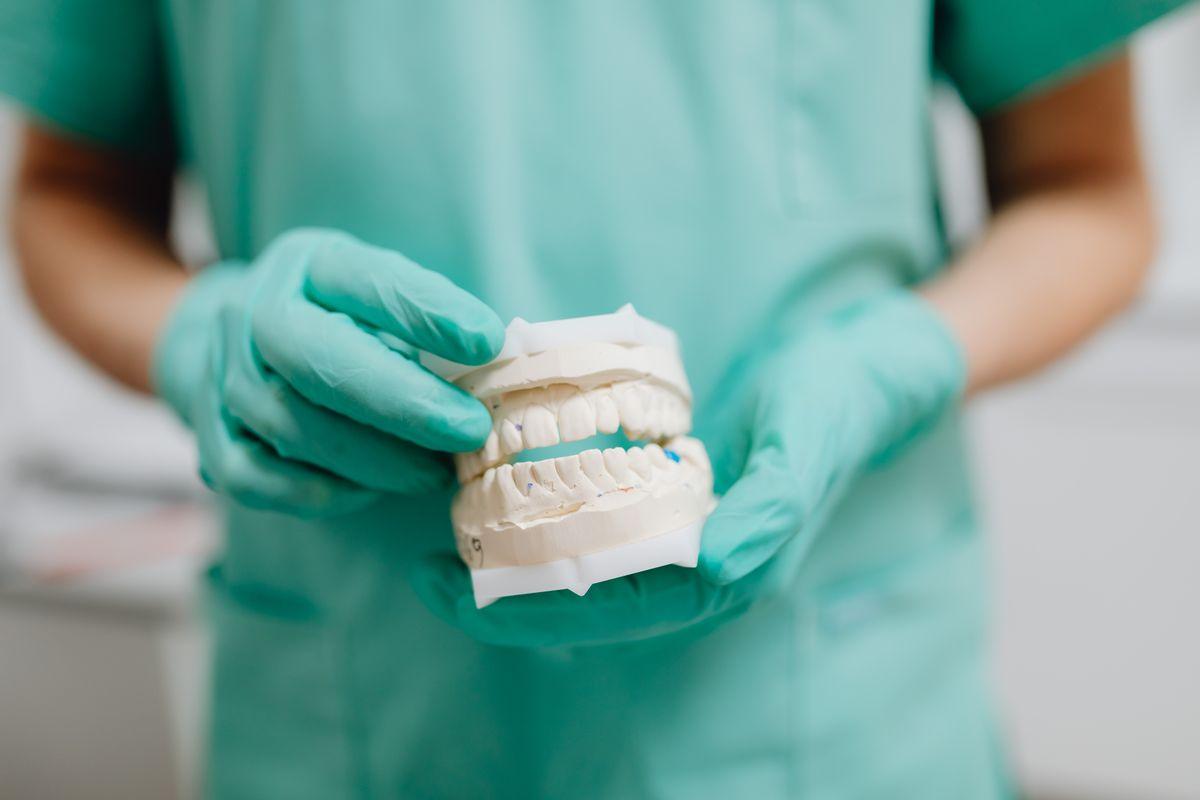
- Impressions or digital scan. Precise models of your teeth and bite are recorded.
- Shade and design. The tooth shade and clasp positions are selected to look natural.
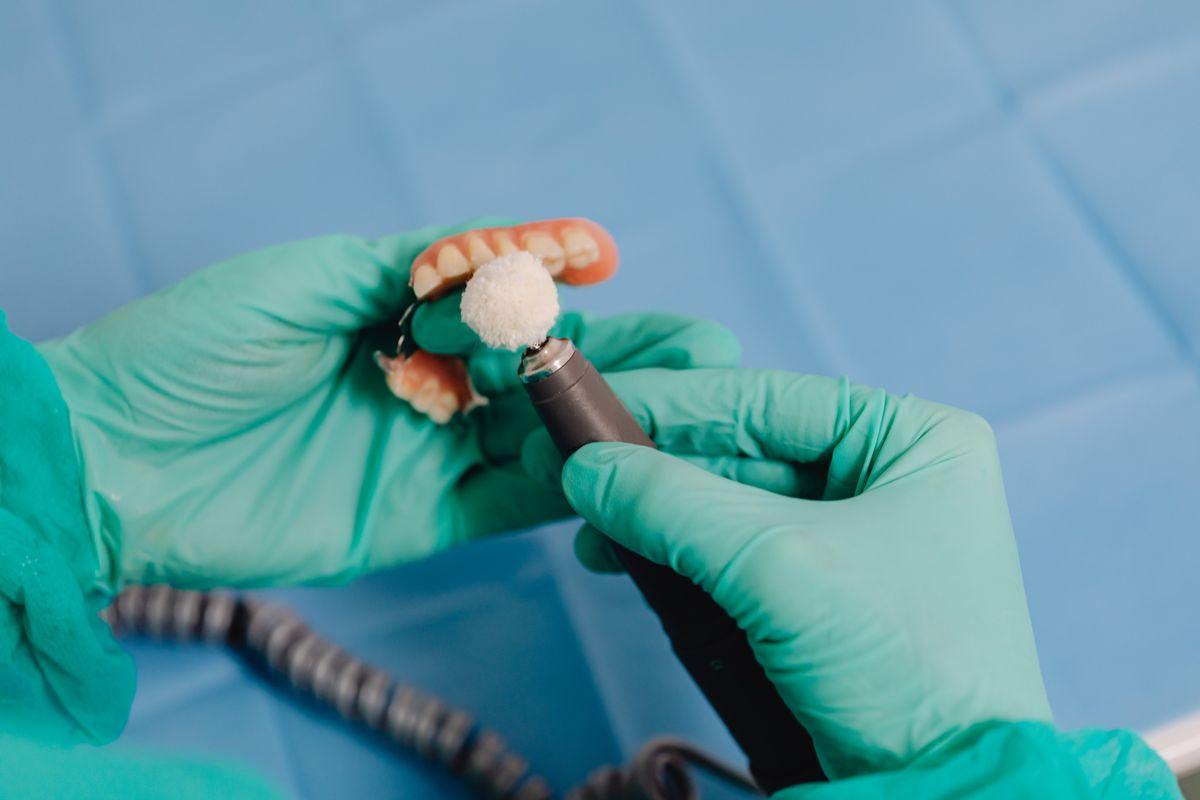
- Fabrication. A dental laboratory makes the partial to your models.
- Fitting. The partial is placed and checked for comfort, stability, and bite.
- Adjustments. Short follow-up visits smooth any pressure spots during the first weeks.
Living With a 1 Tooth Partial Denture
Eating
Start with softer foods and cut food into smaller pieces. Avoid very sticky or hard foods that can dislodge or damage the appliance. Over time, most people eat comfortably.
Speaking
Your tongue may notice the base at first, especially if it covers part of the palate. Speech usually returns to normal within a few days. Reading aloud can speed up adjustment.
Wearing It Overnight
Most dentists recommend taking the partial out at night to let the gums rest and to reduce the risk of fungal irritation. Store it in water or a recommended solution so it does not dry out or warp.
Cleaning and Care Routine
- Rinse after meals. Remove the partial and rinse away food particles under cool water.
- Brush daily. Use a soft denture brush and a non-abrasive cleaner. Avoid regular toothpaste, which can scratch acrylic.
- Clean your natural teeth. Brush and floss thoroughly, paying close attention to teeth that hold the clasps.
- Soak overnight. Keep the partial moist in water or a soaking solution recommended for your material.
- Handle with care. Clean it over a towel or a basin of water so a drop does not crack it.
- Never adjust it yourself. Bending clasps can break them or damage your teeth.
Myths About One-Tooth Partial Dentures
How Long Does a One-Tooth Partial Last?
Lifespan depends on the material and how it is cared for. Acrylic flippers may last a few years and are often replaced once a permanent solution is chosen. Flexible and metal partials typically last longer. Relines, clasp adjustments, or a new partial may be needed as the gum in the gap shrinks.
Front Tooth vs Back Tooth Gaps
For a missing front tooth, appearance is usually the priority, so flexible partials with gum-coloured clasps or an implant are common choices. For a back tooth, chewing strength matters more, and a cast metal partial or implant often performs better. Your dentist will recommend a design that balances looks, function, and comfort for your particular gap.
Signs Your Partial Needs Attention
Even a well-made partial will change over time. Book a check if you notice:
- The partial rocks or lifts when you chew or speak
- Sore spots or red patches on the gums under the base
- A clasp that feels loose, sharp, or bent
- Cracks, chips, or a replacement tooth that has worn down
- Food packing under the base more than before
- Decay or tenderness on the teeth holding the clasps
- A bad taste or odour despite regular cleaning
Small adjustments often fix these issues quickly. Leaving them can lead to gum irritation, decay on the clasp teeth, or a broken appliance.
Planning for the Future
Many patients start with a one-tooth partial and later move to an implant once they are ready. If this is your plan, mention it early. Your dentist can monitor bone levels in the gap and recommend the best time to place an implant before significant bone loss occurs. Some patients choose to keep a well-made metal partial long term, and that is also a sound choice with regular checkups.
Replace a Missing Tooth With Confidence in Tillsonburg
Family Dentistry on Brock is a dentist in Tillsonburg that patients trust for practical, honest tooth replacement advice, with a 5.0 Google rating from more than 252 reviews. We welcome new patients and accept the Canadian Dental Care Plan (CDCP). Our services include dental implants, clear aligners, restorative care, veneers, laser treatment, teeth whitening, emergency care, sedation dentistry, dental surgery, and orthodontics.
Partials and implants are planned by licensed dentists registered with the Royal College of Dental Surgeons of Ontario (RCDSO). Call +1 519-900-5640, email info@familydentistryonbrock.com, or visit 49 Brock St E, Tillsonburg, ON N4G 1Z7. We are open late on weekdays, including Mondays until 7:00 PM, with Saturday appointments by booking.
Missing one tooth?
A short consultation will show whether a one-tooth partial, a bridge, or an implant is the best fit for your gap.
Frequently Asked Questions
How long does it take to get a 1 tooth partial denture?
Many one-tooth partials are ready within one to two weeks after impressions, depending on the material and laboratory.
Can I eat with a one-tooth partial?
Yes. After a short adjustment period, most people eat normally, though very hard or sticky foods should be avoided.
Is a flipper tooth the same as a partial denture?
A flipper is a simple type of acrylic partial denture, usually intended for temporary use.
Can a partial denture be used while waiting for an implant?
Yes. A one-tooth partial is often worn during implant healing so the gap is not visible.
Do I need to remove my partial at night?
Most dentists recommend removing it at night to rest the gums, clean the appliance, and reduce the risk of swallowing it if it loosens.
Conclusion
A 1 tooth partial denture is a quick, non-surgical way to fill a single gap and protect your bite. It works well as a temporary or long-term option when designed and cared for properly. A dental assessment will help you decide whether a partial, bridge, or implant suits you best.
Front or back: designing a 1-tooth partial
General dentist registered with the Royal College of Dental Surgeons of Ontario (RCDSO), practising at Family Dentistry on Brock, Tillsonburg. Last reviewed November 2026. This guide is general information and does not replace an exam with your own dentist.
Front gap versus back gap
| Front tooth | Back tooth | |
|---|---|---|
| Main goal | Natural look, clear speech | Stable chewing |
| Common design | Flexible or acrylic flipper | Cast metal or acrylic with clasps |
| Clasps | Hidden or gum-coloured | Metal clasps rarely seen |
| Covers palate? | Often a small plate | Narrow connector across the arch |
| Long-term alternative | Implant or bridge | Implant or bridge |
Tips for a comfortable 1-tooth partial
- Insert it with your fingers, never by biting down.
- Chew softer foods at first and cut food small.
- Practise words with s and th sounds for front partials.
- Remove it after meals to rinse away food.
- Book a clasp adjustment if it starts to loosen.
Can a back-tooth gap be left empty?
Sometimes, but neighbouring and opposing teeth can drift into the space over time, changing your bite. A partial or other replacement helps hold the space.
Is a 1-tooth partial a good long-term choice?
It can be, especially a well-made metal or flexible partial. Many people later choose an implant for a fixed result.
Coverage and the Canadian Dental Care Plan
The CDCP covers partial dentures for eligible patients with possible preauthorization and co-payment. Implants are not covered.
Single-tooth partials at Family Dentistry on Brock
Family Dentistry on Brock is at 49 Brock St E in Tillsonburg, and we welcome patients from Tillsonburg, Norfolk County and Oxford County. We accept new patients and the CDCP. Read about single-tooth partial dentures, single-tooth dentures and dental implants.
1-Tooth Partial FAQs
Can a partial replace one back tooth?
Yes, often with a metal or acrylic design.
Which partial suits a front tooth?
Flexible or slim designs with hidden clasps.
Will a 1-tooth partial affect my speech?
Front partials may cause a brief lisp.
Should I leave a back gap empty?
Teeth may drift, so replacement is often advised.
How do I put it in?
With your fingers, not by biting.
Can it last long term?
Yes, with good fit and care.
Can I get an implant later?
Yes.
Does the CDCP cover it?
Yes, for eligible patients.
Book a single-tooth consultation in Tillsonburg
Find the right design for your gap. Family Dentistry on Brock, 49 Brock St E, Tillsonburg, ON N4G 1Z7. Call 519-900-5640 or book online. New patients and CDCP patients are welcome.
Book an appointment