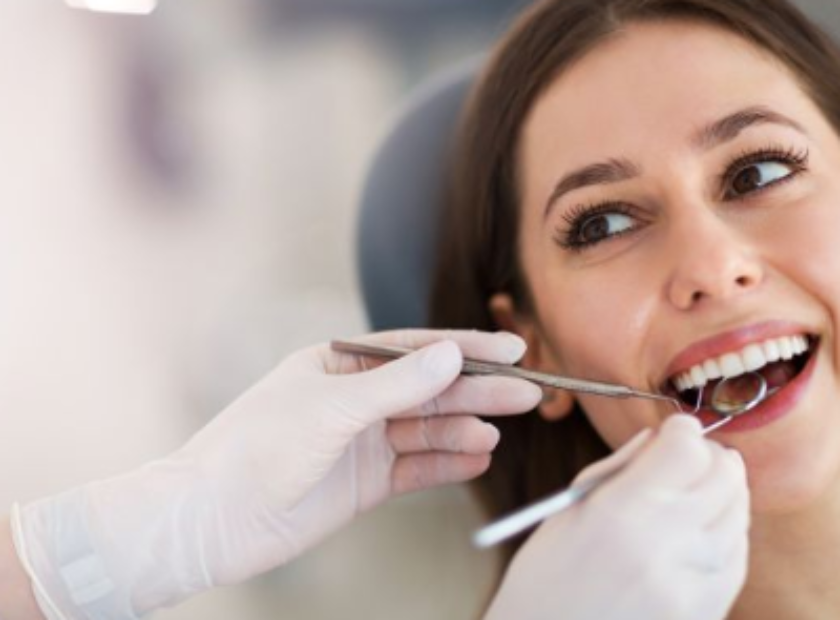
Front Teeth Partial Dentures Pictures

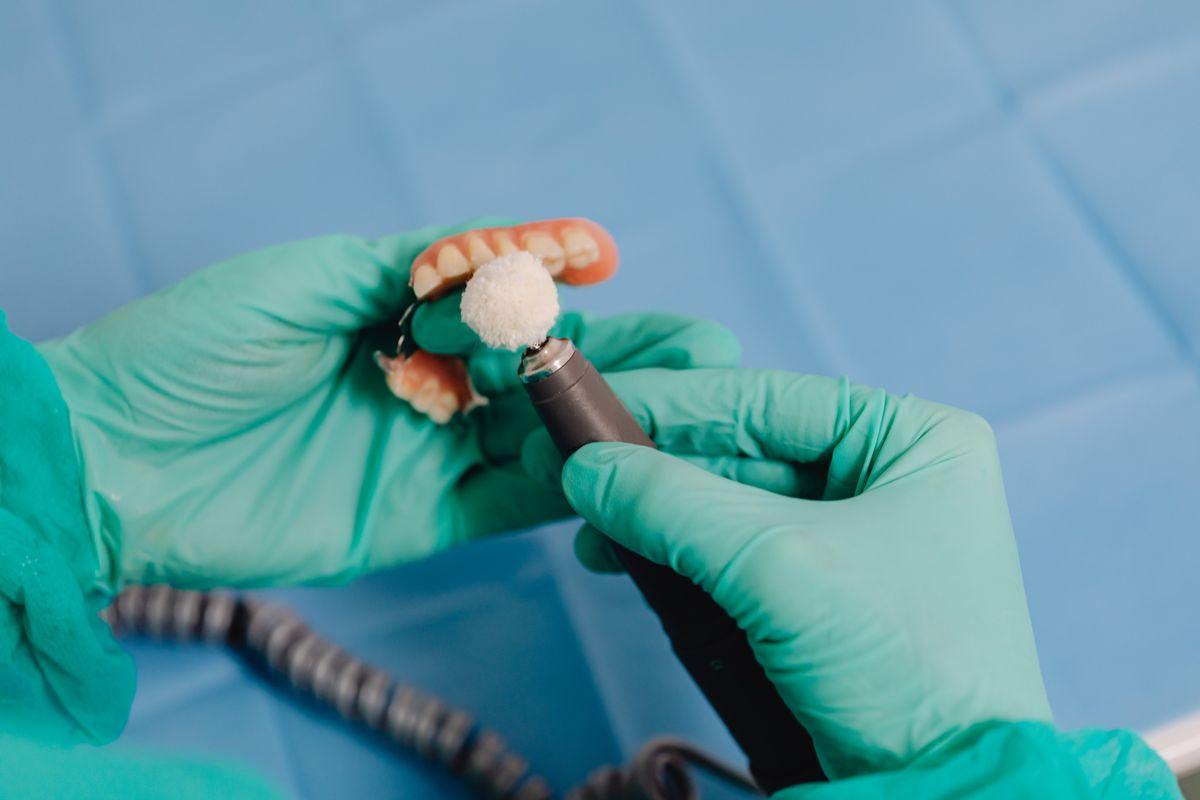
Front teeth partial dentures pictures usually come in two kinds: photos of the appliance outside the mouth, which show the replacement teeth, pink base, and clasps or framework, and photos of the smile with the partial in place, which show how natural it looks. In a good in-mouth picture, the replacement teeth match the neighbouring teeth in shade and shape, the gum section blends into the real gumline, and any clasps are hard to spot. Missing front teeth are a common concern, and partial dentures are a quick and practical solution, so reviewing photos with a dental clinic in Tillsonburg can help you picture your own result.
Judge front partial pictures by the smile line, gumline, shade match, and visibility of clasps. Out-of-mouth photos can look bulky even when the partial looks natural in the mouth, so in-mouth photos taken in daylight are the most useful comparison.
Front partials are one of several tooth replacement options in restorative dentistry. Looking at pictures of each option side by side helps you decide which look and feel you prefer.
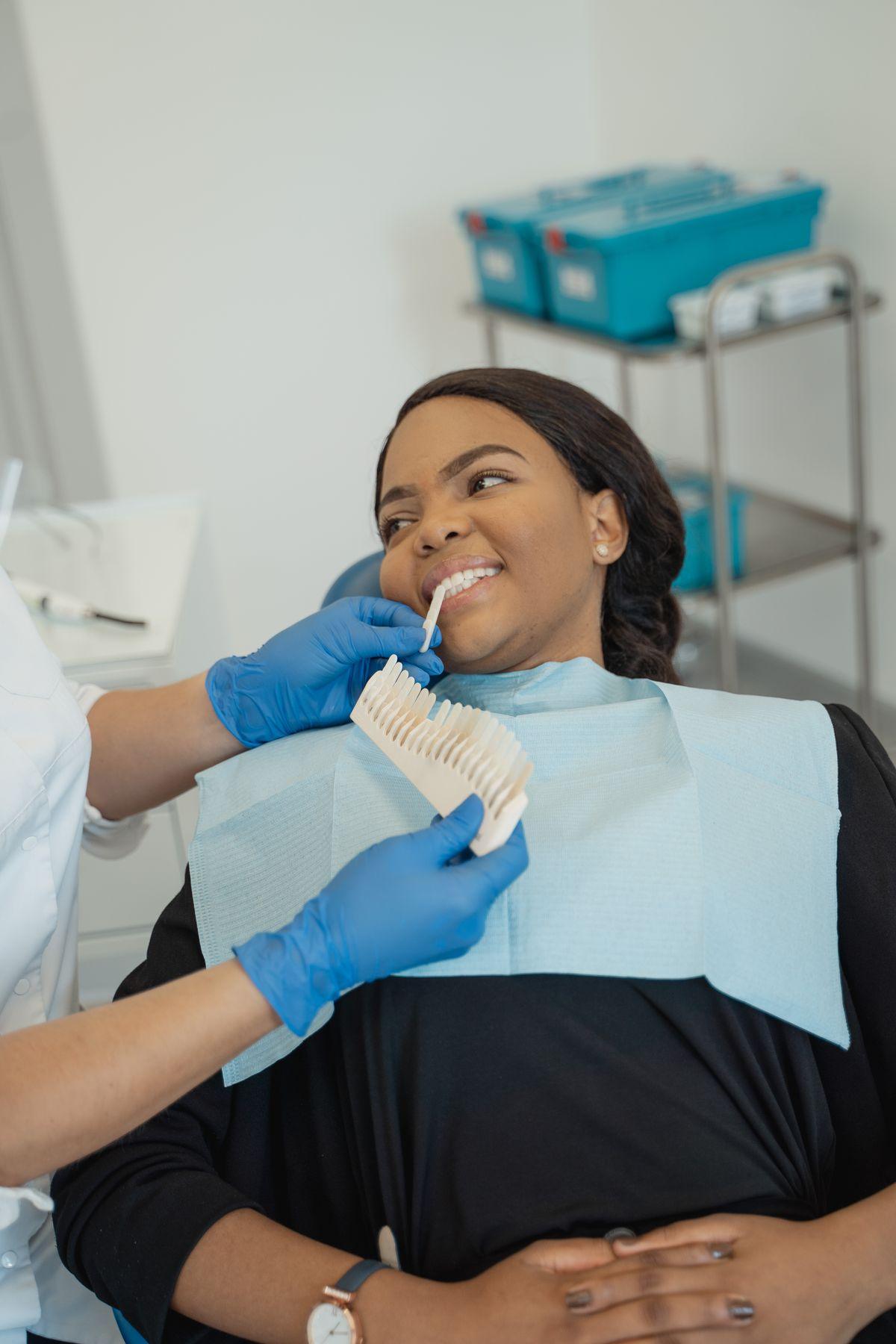
Some patients start with a partial and later move to a fixed dental implant for a single front tooth, so photos of both are worth comparing.
When front teeth have drifted into the gap, pictures may also show uneven spacing. In those cases, short-term tooth movement with clear aligners is sometimes used first so the replacement tooth fits more naturally.
Pictures by Situation: What to Expect
One missing upper front tooth
Photos of a single-tooth front partial often show a small appliance with one replacement tooth and a pink base that sits behind the neighbouring teeth or covers part of the palate. In the mouth, the main things you notice are whether the replacement tooth matches the shade and length of the tooth beside it, and whether the gum around it looks natural. Small wire clasps may be visible on the canines in some designs, while flexible partials use gum-coloured clasps that blend in.
Two missing central incisors
When both upper front teeth are missing, the partial becomes the focus of the smile. Pictures that look natural show two teeth that are mirror images of each other, with the midline lined up with the centre of the face and edges that follow the lower lip. Because these teeth are so visible, shade and shape choices make a big difference.
Several upper front teeth
Partials that replace three to six front teeth usually include a larger gum section, which can restore lost gum and bone volume after extractions. Good pictures show a continuous, natural gumline across the front of the smile.
Lower front teeth
Lower front partials are less visible in most smiles but show when you speak. Pictures often reveal a thin metal bar or flexible base behind the lower teeth, which is rarely seen in everyday life.
Out-of-Mouth vs In-Mouth Photos
| Photo type | What it shows well | What it can hide or exaggerate |
|---|---|---|
| Out of the mouth | Design, materials, clasps, framework, thickness | Can look bulky or obvious even when the partial looks natural when worn |
| In the mouth, front view | Shade match, tooth shape, smile line | May not show how the partial looks from the side |
| In the mouth, side view | Profile, lip support, visibility of clasps on canines | Lighting can change shade appearance |
| Candid or video | How the partial behaves when talking and laughing | Lower image quality but more realistic |
Flexible vs Metal Front Partials in Photos
Flexible partial pictures
Show translucent pink clasps that wrap around teeth near the gumline. In the mouth, there is usually no visible metal.
Cast metal partial pictures
Show a thin metal framework. In the mouth, the framework sits behind the teeth, but clasps may show on visible teeth if not carefully placed.
Acrylic flipper pictures
Show a simple pink plate with teeth and small wires. Often used as a temporary solution.
Precision attachment pictures
Show hidden connectors on crowned teeth, with no visible clasps in the smile.
Checklist: Is This a Natural-Looking Result?
- The replacement tooth colour matches the neighbouring teeth in the same light
- Tooth length and edge shape match the natural teeth on each side
- The gum section follows the curve of the real gumline
- No obvious metal shows in a relaxed smile
- The centre line between the upper front teeth lines up with the face
- The lip looks naturally supported, not pushed forward
Myths About Front Partial Denture Photos
How to Take Useful Photos of Your Own Smile
If you are considering a front partial, taking a few photos of your current smile can help your consultation. These photos give your dentist a clear view of your teeth, gums, and smile line, and they make it easier to compare your before and after results later.
- Use natural light. Stand facing a window during the day, avoiding direct sunlight and flash.
- Take a relaxed smile. Smile naturally, as you would in conversation.
- Take a full smile. Smile widely to show how much of your teeth and gums are visible.
- Take side views. Turn your head slightly to each side to show the profile of your teeth and lips.
- Take a lips-at-rest photo. This shows how much tooth shows when your mouth is relaxed.
- Keep the camera level. Hold it at the height of your mouth, not above or below.
What Your Dentist Learns From Your Photos
Photos show details that are easy to miss during a quick look in the mirror. Your dentist can see how high your lip lifts when you smile, which tells them how much of the gum section of the partial will show. They can also see the angle of your front teeth, the shape of your smile curve, and any differences in shade between your teeth. If you have old photos from before you lost the tooth, these can be especially valuable for recreating the shape and size of your original tooth.
Factors That Change How Your Partial Will Look
Lip line
A high smile shows more gum, so the pink section needs careful shaping and shading.
Neighbouring teeth
Stained, worn, or restored neighbours affect shade matching. Whitening first may help.
Gap size
Teeth drifting into the space can leave too little or too much room for a natural-looking tooth.
Bone loss
After an extraction, the ridge shrinks, which affects how the replacement tooth sits against the gum.
Comparing Partial, Bridge, and Implant Pictures
When you compare photos of different tooth replacement options, you may notice that implants and bridges often look slightly more natural at the gumline because the tooth appears to grow from the gum, rather than sitting on a pink base. Partials, however, can restore lost gum volume, which is helpful when bone has shrunk after a tooth was removed. Each option has visual strengths, and the best choice depends on your anatomy, health, and long-term goals.
| Option | Typical look in photos | Visual strength |
|---|---|---|
| Partial denture | Replacement tooth with a pink base behind or around it | Can replace missing gum volume |
| Bridge | Fixed tooth attached to crowns on neighbouring teeth | Natural emergence from the gum with no visible base |
| Implant | Single crown rising from the gum like a natural tooth | Independent tooth with natural contours |
Making the Most of Your Try-In
The try-in appointment is your chance to see the replacement teeth in your mouth before the partial is finished. Look at the result in a hand mirror and in a larger mirror at conversational distance. Smile, speak, and laugh. Ask a trusted friend or family member to come with you if you would like a second opinion. Mention anything that feels off, such as a tooth that looks too long, too yellow, or slightly turned. Changes at this stage are simple, and your feedback helps create a result you are happy to see in every photo.
Keeping Your Front Partial Photo-Ready
A front partial can look as good years later as it did on day one with the right care. Brush it daily with a soft brush and a non-abrasive cleanser, rinse after coffee, tea, or red wine, and soak it overnight to keep it hydrated and clean. Avoid regular toothpaste, which can scratch acrylic and dull its shine. At checkups, your dental team can polish the partial, check the clasps, and look for any changes in fit. Small, regular steps like these keep your smile looking natural in every photo.
Support From a Top Dentist in Tillsonburg
Patients rate Family Dentistry on Brock 5.0 on Google across 252+ reviews, making it one of the top dental offices in Tillsonburg. The practice welcomes new patients, accepts CDCP (Canadian Dental Care Plan) patients, and offers dental implants, clear aligners, restorative care, veneers, laser treatment, teeth whitening, dental emergency care, sedation dentistry, dental surgery, and orthodontics.
Talk to the team before you decide
Call +1 519-900-5640 or email info@familydentistryonbrock.com. The office is located at 49 Brock St E, Tillsonburg, ON N4G 1Z7, with Monday hours until 7:00 PM and Saturday appointments available on request.
Frequently Asked Questions
Can I see pictures of my partial before it is finished?
Yes. A wax try-in lets you see the teeth in your mouth before the partial is completed.
Why does my partial look different in photos than in the mirror?
Camera lenses, flash, and lighting change colours and proportions. Daylight photos are usually most accurate.
Do flexible partials look better in pictures?
They often hide clasps well, which can look more natural, but the best choice depends on your mouth.
Should I bring photos of my old smile?
Yes. They help your dentist match tooth shape, size, and position.
Can a front partial be adjusted if I do not like the look?
Teeth can sometimes be reset or replaced, especially if concerns are raised at the try-in stage.
Conclusion
Front teeth partial dentures pictures are most helpful when you know what to look for, from shade and gumline to clasp visibility and smile line. In-mouth photos in natural light give the most honest picture of how a partial will look. A personal consultation and try-in turn those images into a result that suits your own smile.