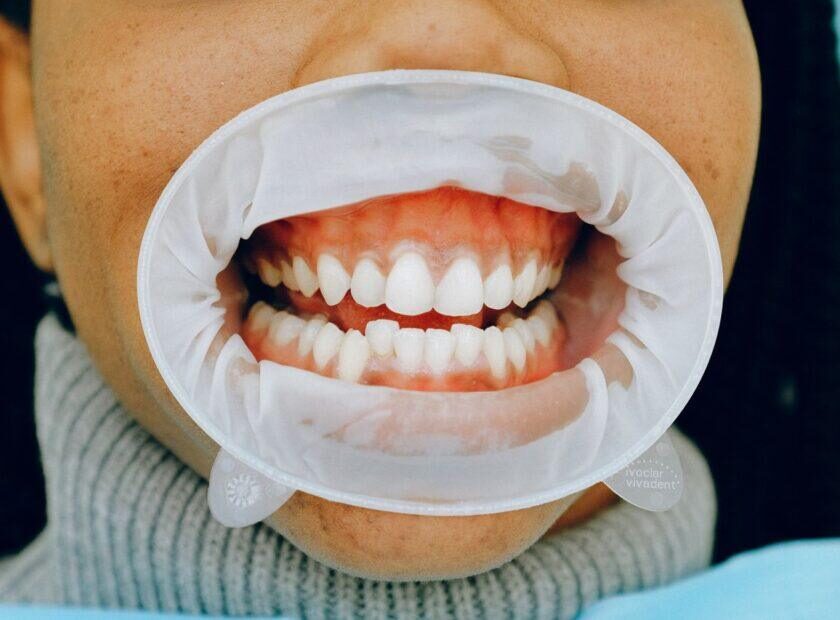
Metal Partial Denture

A metal partial denture is a removable appliance built on a thin, strong framework, usually made from a cobalt-chromium alloy, with natural-looking acrylic teeth and gum-coloured sections attached. The metal framework rests on and clasps around your remaining teeth, making it slimmer, more stable, and longer lasting than an all-acrylic partial. Metal partials are one of the most common and reliable ways to replace several missing teeth, and an assessment at a trusted dental clinic in Tillsonburg will show whether this design is the right fit for you.
Metal partials are thin, rigid, and strong. They spread chewing forces through small rests on the natural teeth, feel less bulky than acrylic partials, and often last many years. Clasps may be visible on some teeth, though careful design can keep them discreet.
Metal partials are a central part of restorative dentistry for people who still have healthy natural teeth but are missing several others in different areas of the mouth.
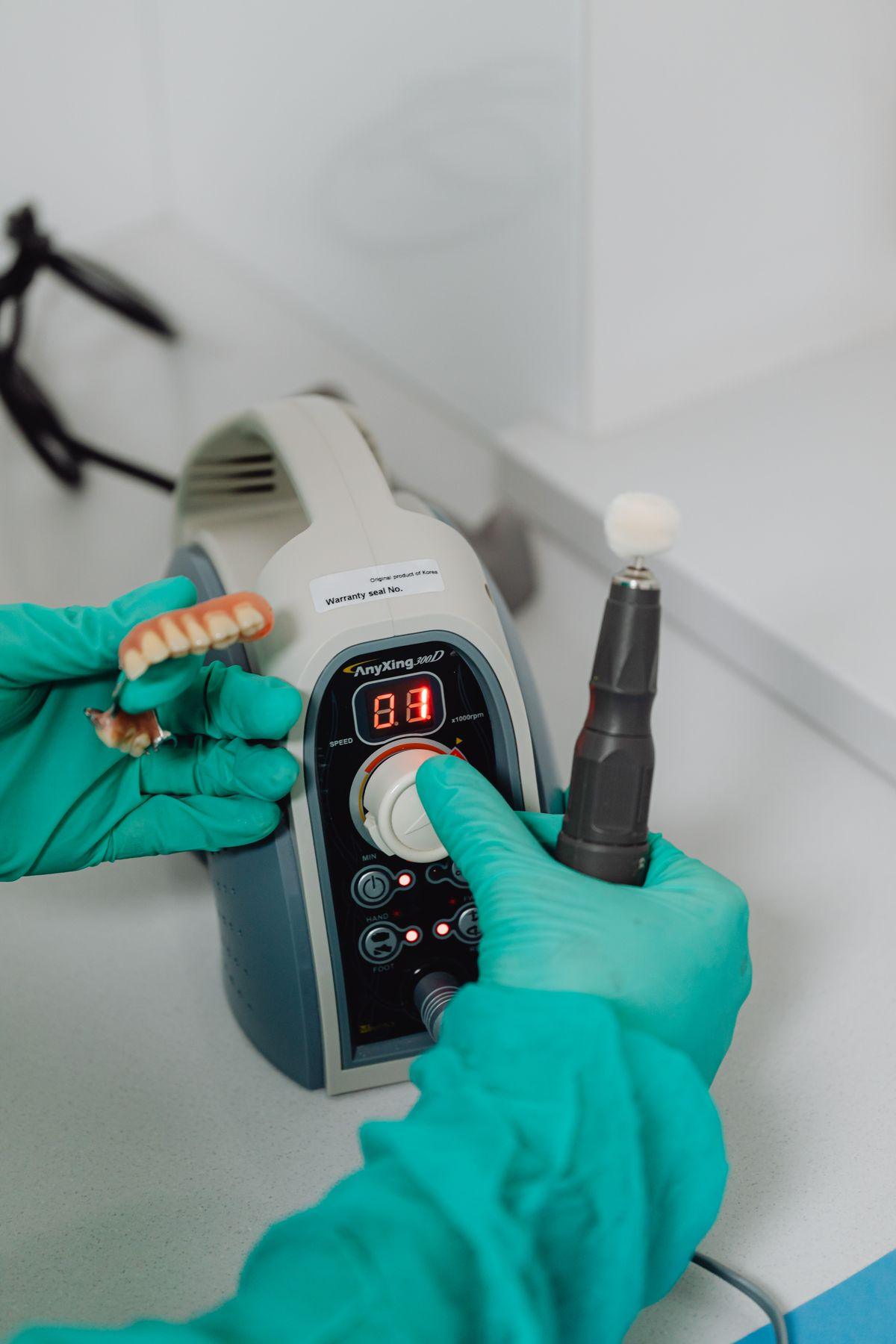
Some patients compare a metal partial with dental implants, which are fixed and independent of neighbouring teeth but require surgery and enough bone.
You can also review the clinic’s complete list of dental services to see how partials fit alongside bridges, crowns, and other options.
How a Metal Partial Denture Works
Every metal partial has a few key components that work together. The major connector is the main part of the framework that joins the left and right sides. On the upper jaw, it is often a thin plate or strap across the palate. On the lower jaw, it is usually a bar that runs behind the lower front teeth. Rests are small extensions that sit in shallow seats on the natural teeth, carrying chewing forces down the length of those teeth so the partial does not sink into the gums. Clasps wrap around selected teeth to hold the partial in place. The acrylic sections hold the replacement teeth and sit over the gum ridge where teeth are missing.
Major connector
Joins both sides and provides rigidity.
Rests
Support the partial on natural teeth and protect the gums.
Clasps
Grip the teeth to stop the partial lifting out.
Acrylic saddles
Hold replacement teeth over the gaps.
Metal vs Acrylic vs Flexible Partials
| Feature | Metal partial | Acrylic partial | Flexible partial |
|---|---|---|---|
| Thickness | Thin and slim | Thicker for strength | Thin but flexible |
| Strength | Very strong and rigid | More prone to cracking | Flexible, resists breaking |
| Support | Rests share forces with teeth | Mostly rests on gums | Mostly rests on gums |
| Appearance | Clasps may show on some teeth | Small wire clasps may show | Gum-coloured clasps, no metal |
| Adjustability | Clasps can be adjusted; teeth can be added | Easy to add teeth and reline | Harder to adjust or reline |
| Typical use | Long-term replacement | Temporary or budget option | Aesthetic, metal-free option |
Benefits of a Metal Partial Denture
- Comfort: The thin framework takes up less space, especially on the palate and behind the lower teeth.
- Stability: Rigid design and rests reduce rocking and movement when chewing.
- Gum protection: Rests transfer forces to the teeth, reducing pressure on the gums.
- Durability: The alloy resists fracture and can last many years.
- Hygiene: Less coverage of the gums around natural teeth can make cleaning easier.
- Expandability: Teeth can often be added if another natural tooth is lost.
Possible Drawbacks
- Clasps may be visible on canines or premolars in some smiles
- Some people notice a slight metallic feel or taste at first
- More appointments are needed because the framework is custom cast and tried in
- People with known metal sensitivities should discuss alternatives
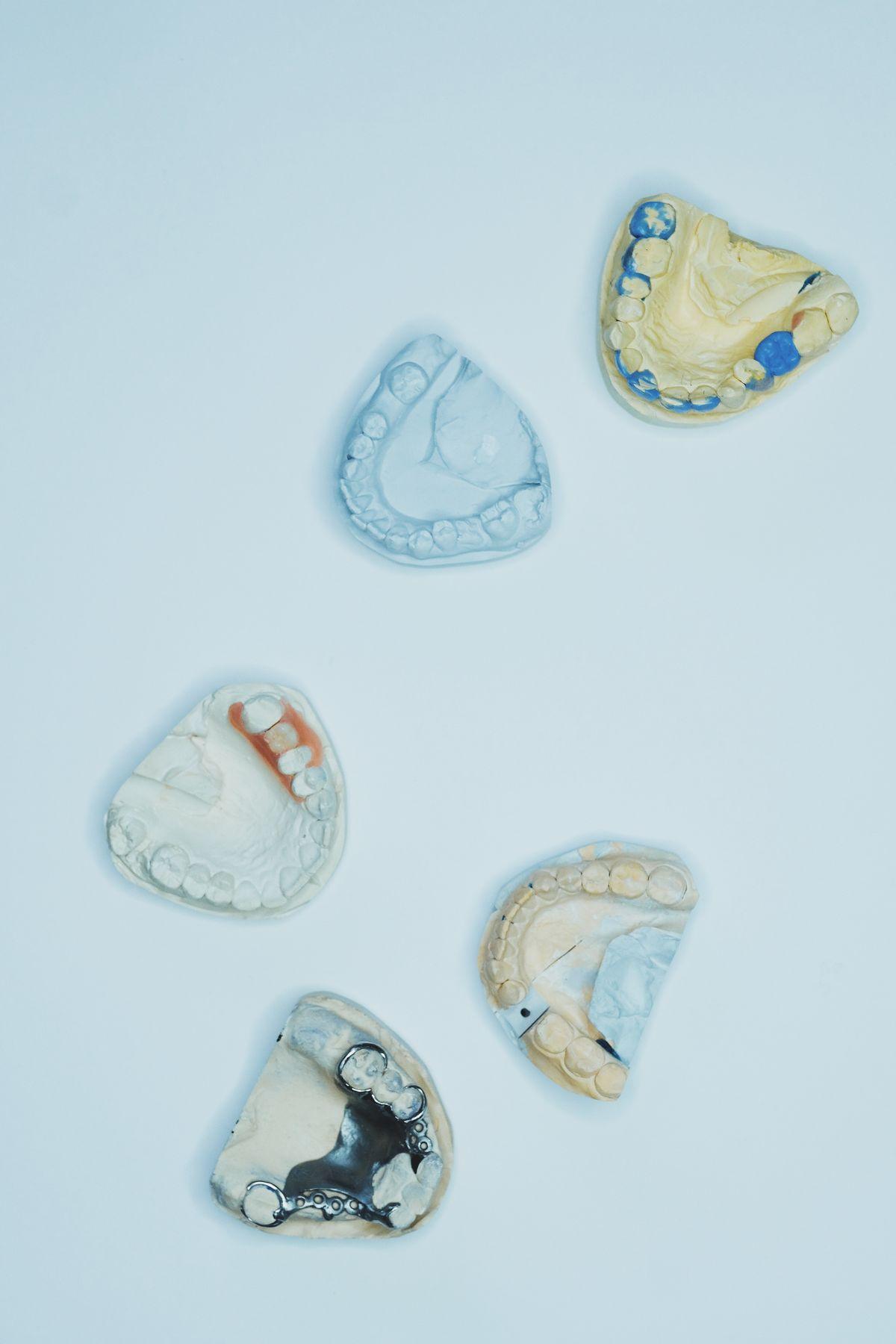
How a Metal Partial Is Made
- Exam and X-rays. Supporting teeth and gums are checked and treated if needed.
- Tooth preparation. Small rest seats are shaped in selected teeth.
- Impressions. Detailed impressions or scans are taken.
- Framework design and casting. The lab designs and casts the metal framework.
- Framework try-in. The fit is checked in your mouth.
- Tooth setup and wax try-in. Replacement teeth are arranged and reviewed.
- Final fitting. The finished partial is fitted and adjusted.
Myths About Metal Partials
Upper vs Lower Metal Partial Designs
Metal partials for the upper and lower jaws look and feel different because of the shape of each arch.
Upper metal partials
On the upper jaw, the major connector usually crosses the palate. Designers can choose from several shapes, including a narrow strap, a broad thin plate, or a horseshoe shape that leaves the centre of the palate open. Broader connectors spread forces well and feel very stable, while narrower or horseshoe designs leave more of the palate uncovered, which some people prefer for taste and comfort. The right choice depends on where teeth are missing and how much support the remaining teeth can provide.
Lower metal partials
On the lower jaw, the connector usually runs behind the lower front teeth as a lingual bar. It sits below the gum margins so it does not trap plaque against the tissue. When there is not enough space between the floor of the mouth and the gums, or when the lower front teeth need extra support, a lingual plate may be used instead, covering the backs of the lower front teeth with a thin layer of metal.
Free-End and Bounded Saddles
Dentists often describe partial dentures by where the gaps are. A bounded saddle has natural teeth on both sides of the gap, so the partial can be well supported by rests on both ends. A free-end saddle has a gap at the back of the mouth with no tooth behind it. Free-end designs rely more on the gum ridge for support and need careful planning, because the back of the partial can move slightly under chewing forces. Special clasp designs, extended acrylic bases, and regular relines help keep free-end partials comfortable and stable.
| Saddle type | Description | Design focus |
|---|---|---|
| Bounded | Gap with natural teeth on both sides | Tooth-supported, very stable |
| Free-end | Gap at the back with no tooth behind | Shared support from teeth and gums, careful clasp design |
| Combination | Several gaps in different areas | Balancing forces across the whole arch |
Caring for a Metal Partial Denture
- Remove and rinse after meals. Food can collect around clasps and the framework.
- Brush daily. Clean both the metal and acrylic surfaces with a soft brush and denture cleanser.
- Avoid bleach and harsh chemicals. These can tarnish or corrode metal and damage acrylic.
- Soak overnight. Use a soaking solution suitable for metal partials, as some products are designed only for acrylic dentures.
- Insert carefully. Press gently with fingers instead of biting the partial into place.
- Protect your natural teeth. Brush and floss carefully, especially around clasped teeth.
When a Metal Partial Needs Attention
- Clasps feel loose or the partial lifts when you talk
- The partial no longer seats fully or feels like it rocks
- Food often collects under the acrylic sections
- A tooth holding a clasp becomes sensitive or painful
- A replacement tooth chips or comes loose
- You notice a crack in the acrylic or a bend in the framework
Most of these issues can be fixed with clasp adjustment, a reline, or a repair. Bringing your partial to every checkup allows your dentist to spot small changes before they become bigger problems.
Getting Used to a Metal Partial
The first days with a new metal partial are usually easier than people expect, thanks to its thin design. You may notice the framework with your tongue, especially across the palate or behind the lower front teeth. Some people sense a mild metallic taste at first, which typically fades. Speech often settles within a few days, and practising difficult words helps. Start with soft foods cut into small pieces and gradually move on to firmer textures. If you notice rubbing, pressure, or a clasp that feels too tight, a quick visit for adjustment will make the partial more comfortable. Within a few weeks, most people find their metal partial feels like a natural part of their mouth and are able to eat, speak, and smile with confidence.
Why Patients Choose This Dental Office in Tillsonburg
With a 5.0 Google rating across 252+ reviews, Family Dentistry on Brock is regarded as one of the best dental clinics in Tillsonburg. New patients are always welcome, CDCP (Canadian Dental Care Plan) patients are accepted, and the clinic offers dental implants, clear aligners, restorative care, veneers, laser treatment, teeth whitening, emergency dentistry, sedation dentistry, dental surgery, and orthodontics.
Book a visit that fits your schedule
Reach the team at +1 519-900-5640 or info@familydentistryonbrock.com, or stop by 49 Brock St E, Tillsonburg, ON N4G 1Z7. Monday appointments run until 7:00 PM, and Saturdays are open by appointment.
Frequently Asked Questions
How long does a metal partial denture last?
With good care and regular checkups, many metal partials last several years or longer.
Will people see the metal on my partial?
Clasps may be visible on some teeth, but many designs place them where they are hard to see.
Can I be allergic to a metal partial?
Allergies are uncommon, but if you have known metal sensitivities, discuss alternatives such as flexible partials.
Can a metal partial be relined?
Yes. The acrylic areas can be relined as your gums change.
Is a metal partial better than a flexible partial?
Metal partials are more rigid and supportive, while flexible partials are metal-free. The best choice depends on your mouth and goals.
Conclusion
A metal partial denture combines a thin, strong framework with natural-looking teeth for a stable, long-lasting replacement. It spreads chewing forces through the natural teeth and often feels slimmer than acrylic options. A professional assessment helps decide if a metal partial is the best fit for your smile and oral health.