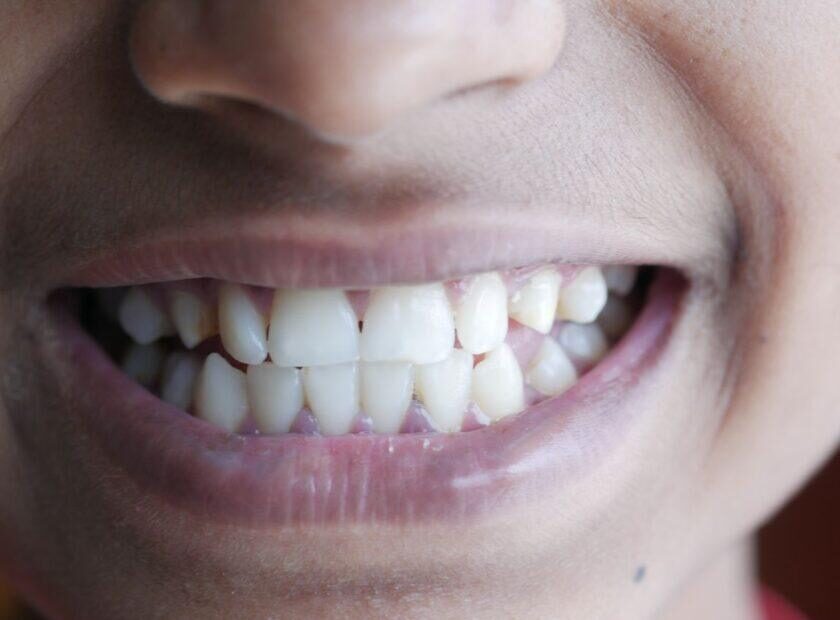
Partial dentures for back teeth

Partial Dentures for Back Teeth: A Comprehensive Guide
Missing back teeth can affect your ability to chew, speak, and even smile confidently.
Partial dentures are a popular and effective solution for replacing missing teeth, especially in the back of the mouth.
They restore functionality and improve oral health, making them a reliable option for many people.
If you’re considering dental care, Family Dentistry on Brock in Tillsonburg is an excellent choice for expert treatment.
They offer comfortable and effective root canal treatments and other dental services.
For more information or to schedule an appointment, call +1 (519) 842-4653, email info@familydentistryonbrock.com, or visit their clinic at 49 Brock St E, Tillsonburg, ON N4G 1Z7.
What Are Partial Dentures for Back Teeth?
Partial dentures are removable dental appliances designed to replace one or more missing teeth while preserving the surrounding natural teeth.
Specifically crafted for the back teeth, these dentures help restore essential functions like chewing and speaking.
Unlike full dentures, which replace all teeth, partial dentures are secured by attaching to the remaining teeth.
They are custom-made to fit your mouth and blend seamlessly with your natural teeth, offering a natural look and comfortable feel.
Why Are Partial Dentures for Back Teeth Important?
Even though back teeth are not always visible, they play a vital role in maintaining oral health and overall functionality. Here’s why replacing them is essential:
- Improved Chewing Ability
Back teeth handle most of the chewing. Missing these teeth can make it difficult to eat certain foods. - Maintained Jaw Alignment
Gaps in the back teeth can cause neighboring teeth to shift, leading to misalignment and discomfort. - Enhanced Speech
Missing back teeth can affect how you pronounce certain words. Partial dentures can restore clarity in speech. - Prevent Further Dental Issues
Gaps left by missing teeth can lead to gum problems, bone loss, or additional tooth loss.
Types of Partial Dentures for Back Teeth
When it comes to partial dentures, there are several types available to suit different needs and preferences:
1. Acrylic Partial Dentures
These are made from lightweight acrylic material and are typically more affordable. They are often used as temporary solutions.
2. Metal Framework Partial Dentures
These dentures have a durable metal base and provide a stable fit. They are ideal for long-term use.
3. Flexible Partial Dentures
Made from soft, flexible materials, these dentures are comfortable and blend well with the natural gums.
4. Implant-Supported Partial Dentures
These are secured with dental implants, offering a permanent and secure solution. This option requires a minor surgical procedure.
Benefits of Partial Dentures
Partial dentures for back teeth offer numerous advantages, including:
- Restored Chewing Function: You can enjoy your favorite foods again without discomfort.
- Improved Appearance: Partial dentures maintain your facial structure and prevent the sunken look that can occur with missing teeth.
- Affordability: They are a cost-effective alternative to implants or bridges.
- Non-Invasive: Unlike implants, partial dentures don’t require surgery.
- Custom Fit: They are tailored to fit your mouth for maximum comfort and a natural look.
The Process of Getting Partial Dentures
Getting partial dentures involves several steps to ensure the perfect fit and optimal comfort:
- Initial Consultation
Your dentist will examine your mouth and discuss your options. - Impressions
A mold of your mouth is taken to create a custom-fit denture. - Design and Fabrication
Skilled technicians craft your partial dentures to match your natural teeth. - Trial Fitting
The dentures are tested for fit and comfort, and adjustments are made as needed. - Final Placement
Once the fit is perfect, the dentures are finalized and placed. - Follow-Up Care
Regular check-ups ensure the dentures remain comfortable and functional over time.
Caring for Partial Dentures
Proper care is essential to keep your partial dentures in good condition and maintain oral health:
- Daily Cleaning: Use a soft brush and denture-specific cleaner to clean your dentures daily.
- Handle with Care: Avoid dropping your dentures, as they can break or lose their shape.
- Store Properly: When not in use, soak your dentures in water or a denture solution to keep them moist.
- Oral Hygiene: Brush your remaining teeth, gums, and tongue to prevent plaque buildup.
- Regular Dental Visits: Check-ups help ensure your dentures fit well and remain in good condition.
How Much Do Partial Dentures for Back Teeth Cost?
The cost of partial dentures depends on the materials used, the complexity of the design, and the number of teeth being replaced.
Metal-based and flexible dentures are generally more durable and comfortable but may come at a higher cost compared to acrylic options.
For expert advice and personalized care, contact Family Dentistry on Brock.
Their experienced team can guide you in selecting the right type of partial dentures and provide a detailed cost estimate.
Why Choose Family Dentistry on Brock?
If you’re in Ontario and need reliable dental care, Family Dentistry on Brock is a trusted option. Here’s why:
- Experienced Team: They are skilled in providing comfortable and effective treatments.
- Patient-Focused Care: Their team ensures you receive personalized attention and the best solution for your needs.
- Convenient Location: The clinic is conveniently located at 49 Brock St E, Tillsonburg, ON N4G 1Z7.
To inquire about costs or schedule an appointment, call +1 (519) 842-4653 or email info@familydentistryonbrock.com.
FAQ
1. Can I eat normally with partial dentures?
Yes, partial dentures restore chewing ability. It’s recommended to start with soft foods and gradually reintroduce harder foods.
2. How long do partial dentures last?
With proper care, partial dentures can last 5–10 years. Regular dental check-ups are essential to maintain their condition.
3. Are partial dentures uncomfortable?
They may feel strange at first, but most people adjust quickly. Proper fitting ensures they are comfortable.
4. Can I sleep with my partial dentures?
It’s best to remove them at night to allow your gums to rest and to prevent bacterial buildup.
5. How do I clean my partial dentures?
Use a soft brush and a denture cleaner daily. Avoid using hot water, as it can warp the material.
Conclusion
Partial dentures for back teeth are an effective and affordable solution for restoring functionality and maintaining oral health.
They are comfortable, durable, and designed to blend naturally with your existing teeth.
If you’re considering partial dentures, Family Dentistry on Brock in Tillsonburg offers exceptional care tailored to your needs.
Contact them today at +1 (519) 842-4653 or email info@familydentistryonbrock.com to learn more or schedule your appointment.
Let their experienced team help you regain your smile and confidence!
Replacing missing back teeth with a partial
General dentist registered with the Royal College of Dental Surgeons of Ontario (RCDSO), practising at Family Dentistry on Brock, Tillsonburg. Last reviewed November 2026. This guide is general information and does not replace an exam with your own dentist.
Two common back-tooth situations
| Situation | Name | Design focus |
|---|---|---|
| Teeth on both sides of the gap | Tooth-supported (bounded) | Rests and clasps on both sides, very stable |
| No teeth behind the gap | Free-end (distal extension) | Wide base on the gum, relines, possible implant |
Why replacing back teeth matters
- Chewing is shared across both sides.
- Opposing teeth do not over-erupt into the space.
- Neighbouring teeth are less likely to tip.
- Front teeth are protected from overload.
- Cheek support is maintained.
Getting comfortable with a back-tooth partial
Start soft
Begin with softer foods and cut them small.
Chew evenly
Use both sides at once to keep it stable.
Watch the tongue
Lower partials may feel tight under the tongue at first.
Report rubbing
Sore spots are fixed with a quick adjustment.
Why does my free-end partial rock?
With no tooth behind the gap, the back of the partial rests on soft gum, which compresses when you chew. A good base, relines and sometimes an implant at the back reduce the movement.
Is a metal partial better for back teeth?
It is usually stronger and thinner. Flexible partials can work too but are harder to adjust and reline.
Coverage and the Canadian Dental Care Plan
The CDCP covers partial dentures, including cast designs with preauthorization, for eligible patients with a possible co-payment. Implants are not covered.
Partial dentures at Family Dentistry on Brock
Family Dentistry on Brock is at 49 Brock St E in Tillsonburg, and we welcome patients from Tillsonburg, Norfolk County and Oxford County. We accept new patients and the CDCP. Read about metal partial dentures, implant partial dentures and what partial dentures look like.
Back Teeth Partial FAQs
Can a partial replace missing molars?
Yes, usually with a metal framework.
What is a free-end partial?
A partial with no tooth behind the gap.
Why does my back partial rock?
The base rests on soft gum when there is no back tooth.
Should I replace missing back teeth?
Usually, to protect your bite and other teeth.
Can implants help a back partial?
Yes, they reduce movement.
Is a flexible partial okay for back teeth?
It can work but is harder to adjust.
How long until it feels normal?
Often two to four weeks.
Does the CDCP cover partials?
Yes, for eligible patients.
Book a partial denture consultation in Tillsonburg
Restore chewing on both sides. Family Dentistry on Brock, 49 Brock St E, Tillsonburg, ON N4G 1Z7. Call 519-900-5640 or book online. New patients and CDCP patients are welcome.
Book an appointment