First Denture Reline

Your first denture reline is usually needed about three to six months after receiving immediate dentures, once the gums and bone have healed and shrunk after extractions. For conventional dentures made on already-healed gums, the first reline is often due after one to two years. Needing a reline is completely normal and is a planned part of denture care, not a sign that something went wrong, and a short visit to a trusted dental office in Tillsonburg can restore a snug, comfortable fit.
Immediate dentures: expect a soft or temporary reline during healing and a first permanent reline at around three to six months. Conventional dentures: first reline commonly at one to two years, or sooner if the fit feels loose.
Immediate dentures are placed on the same day as tooth removal. As the sockets heal after dental extractions, the gum ridge reshapes and shrinks, which is why the denture starts to feel looser in the following weeks.
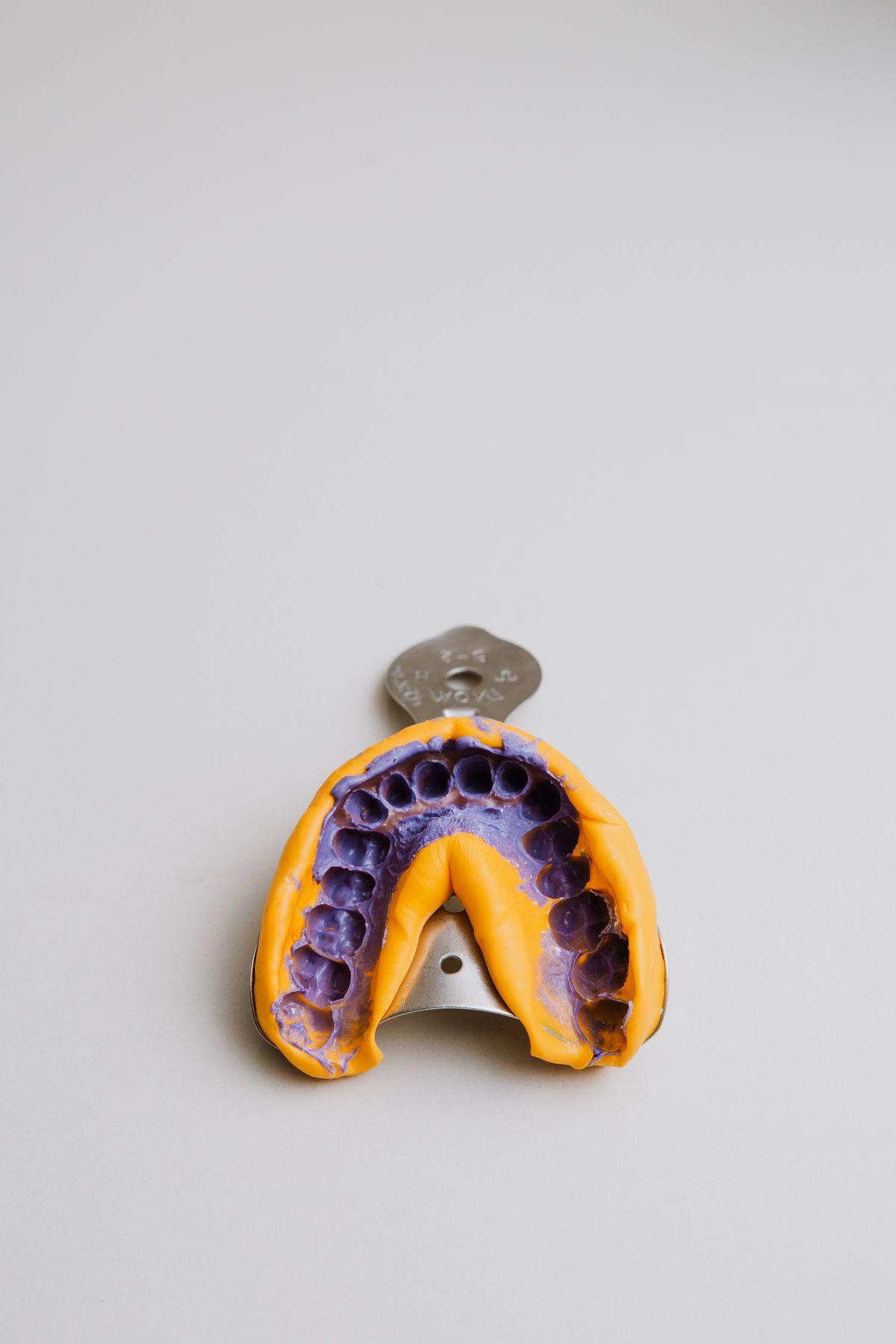
Relining is one of several restorative services used to maintain dentures. It refits the inside surface of your denture to the new shape of your gums without replacing the teeth.
If your new dentures already feel loose or sore, you do not need to wait for a set date. You can book a reline assessment at any time.
Why Do Gums Change After Getting Dentures?
When teeth are removed, the bone that held their roots begins to remodel. Swelling goes down, the sockets fill with new bone, and the ridge gradually becomes smaller and smoother. Most of this change happens in the first few months.
- Weeks 1 to 2: swelling reduces and the denture may start to feel looser
- Weeks 2 to 8: the sockets fill in and the gum shape changes noticeably
- Months 3 to 6: changes slow down and the ridge becomes more stable
- After 6 months: slower, ongoing bone remodelling continues for years
Signs You Are Ready for Your First Reline
Loose fit
The denture moves when you talk or eat, or drops when you open wide.
More adhesive
You need extra adhesive just to keep the denture in place.
Food trapping
Food often slips under the denture during meals.
Sore spots
New pressure points develop as the denture rocks on the gums.
Temporary vs Permanent Relines
| Type | Material | When it is used | How long it lasts |
|---|---|---|---|
| Tissue conditioner | Soft, gel-like liner | During early healing after extractions or for irritated gums | A few weeks, then replaced |
| Soft reline | Resilient silicone or acrylic | Sensitive or thin gum ridges | Often about a year or more |
| Hard chairside reline | Self-curing acrylic | Quick refit done in one visit | Varies, often shorter than lab relines |
| Hard lab reline | Heat-processed acrylic | First permanent reline after healing | Usually one to two years or more |
What Happens at Your First Reline Appointment
- Exam of gums and denture. The dentist checks healing, sore spots, and how the denture fits.
- Preparing the denture. A thin layer is removed from the inside surface so new material can bond.
- Taking the impression. Impression material is placed inside the denture, which is seated in your mouth while you close gently.
- Processing the reline. For a lab reline, the denture is sent away, often returned the same or next day. A chairside reline is completed in the office.
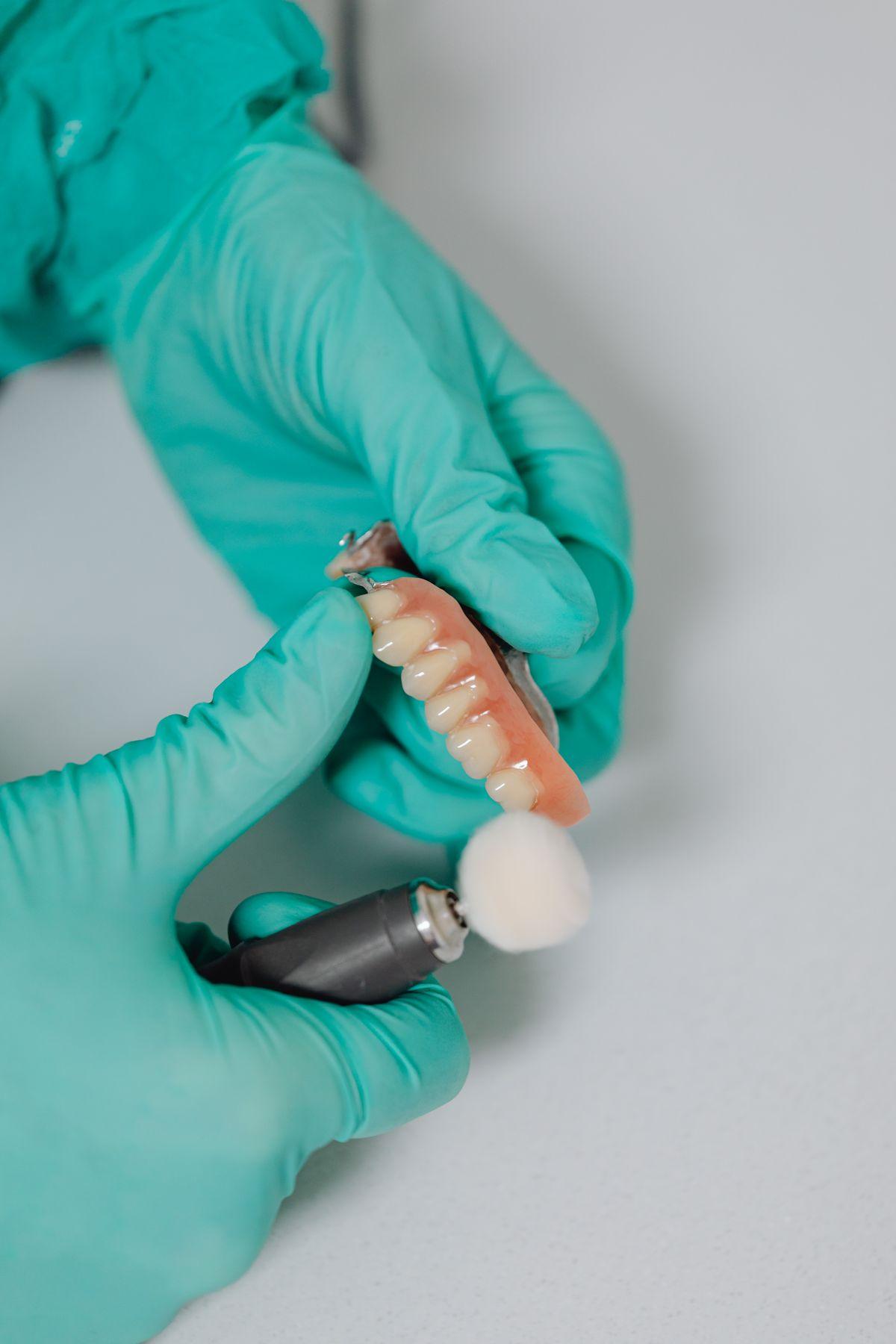
- Trimming and polishing. Excess material is removed and edges are smoothed.
- Fit and bite check. The relined denture is tested for comfort and stability.
How Will Your Denture Feel After the First Reline?
Most people notice an immediate improvement in stability. The denture often feels tighter and more secure, and you may need less adhesive or none at all. A few small sore spots can appear in the first days as the gums adapt to the new fit. These are easily adjusted in a short follow-up visit.
Myths About Denture Relines
Immediate Dentures vs Conventional Dentures: First Reline Timing
The type of denture you received has the biggest influence on when your first reline will be needed.
| Denture type | How it was made | Typical first reline |
|---|---|---|
| Immediate denture | Made before extractions and placed the same day | Temporary liner in the early weeks, permanent reline around 3 to 6 months |
| Conventional denture | Made after the gums have fully healed | Often after 1 to 2 years, depending on fit |
| Implant-retained denture | Snaps onto implants placed in the jaw | Varies; attachments and fit checked at maintenance visits |
| Partial denture | Clips onto remaining natural teeth | When gaps form under the base or after new extractions |
Immediate dentures need early relines because they are made to fit a mouth that is about to change significantly. They are an excellent way to avoid being without teeth during healing, but the fit will naturally loosen as the ridge settles.
What Happens If You Skip or Delay Your First Reline?
It can be tempting to put off a reline when the denture still stays in with adhesive. However, a loose denture can cause problems over time.
- Uneven pressure: A rocking denture concentrates force on small areas, causing sore spots and ulcers.
- Faster bone loss: Poorly distributed pressure may speed up shrinkage of the ridge.
- Tissue overgrowth: Constant rubbing along the edges can cause excess gum tissue to form.
- Chewing difficulty: Loose dentures make it harder to eat a balanced diet.
- Speech changes: Movement can cause clicking, whistling, or unclear words.
- Broken dentures: A denture that flexes on an uneven base is more likely to crack.
Reline, Rebase, or New Denture?
Sometimes your dentist will suggest a different approach depending on the condition of your denture.
Reline
Adds new material to the fitting surface. Best when teeth and base are in good condition.
Rebase
Replaces the entire pink base while keeping the existing teeth. Used when the base is worn or stained.
New denture
Recommended when teeth are worn, the bite has changed, or the denture is several years old.
Caring for Your Gums Between Relines
- Remove dentures at night. This gives the gums time to recover from daily pressure.
- Massage your gums. Gently brushing the ridges with a soft brush improves circulation.
- Rinse with salt water. Helpful during early healing after extractions.
- Clean the denture daily. Plaque and yeast on the fitting surface can irritate gums.
- Keep follow-up visits. Early adjustments prevent bigger problems later.
Tips for Your First Reline Visit
- Wear your denture for a few hours before the appointment so the dentist can see any sore spots
- Bring a list of what feels loose, uncomfortable, or different
- Ask whether you will need to leave the denture for a lab reline, and plan meals accordingly
- Ask whether a soft liner might help if your gums are tender
A first reline is often the moment new denture wearers notice how comfortable dentures can feel. Once the gums have settled and the fit is refreshed, eating, speaking, and smiling usually become easier and more natural.
Living With Immediate Dentures Before the First Reline
The months between extractions and your first permanent reline are a time of change. Knowing what is normal helps you feel more confident and know when to call.
Expected changes
- The denture gradually feels looser, especially the lower one
- Small gaps may appear between the denture and the gums
- You may notice a slight change in your bite as the gums settle
- Some days feel more comfortable than others
When to call your dental team
- Pain that is getting worse instead of better
- Swelling, pus, or a bad taste from an extraction site
- An ulcer that has not healed within two weeks
- A denture that has cracked or lost a tooth
- A fit so loose that eating or speaking is difficult
During this time, your dentist may place one or more soft tissue conditioners inside the denture. These cushioning liners follow the changing gum shape and help the tissues heal comfortably. They are usually replaced every few weeks until the ridge is stable enough for a permanent reline.
How Long Does a Reline Last?
A well-done permanent reline often keeps a denture comfortable for one to two years, sometimes longer. Because the jaw continues to change slowly over time, periodic relines remain part of long-term denture care. Yearly checkups help your dentist decide when the next one is needed, so you never have to put up with a loose denture for long.
Will Insurance or CDCP Help With Relines?
Many dental plans include coverage for denture relines and adjustments, often with limits on how frequently they can be done. Coverage varies widely between plans, so it is worth checking your benefits before your appointment. The clinic team can help you understand how your plan, including the Canadian Dental Care Plan where eligible, may apply to your reline and follow-up visits.
Denture Relines From a Family Dentist in Tillsonburg
Family Dentistry on Brock is one of the most trusted dental clinics in Tillsonburg, with a 5.0 Google rating and 252+ patient reviews. The clinic accepts new patients and CDCP (Canadian Dental Care Plan) patients, and provides dental implants, clear aligners, restorative care, dental veneers, laser treatment, teeth whitening, dental emergency care, sedation dentistry, dental surgery, and orthodontics.
Is your new denture feeling loose?
Call +1 519-900-5640, email info@familydentistryonbrock.com, or visit 49 Brock St E, Tillsonburg, ON N4G 1Z7. Monday hours run until 7:00 PM, and Saturday appointments are available.
Frequently Asked Questions
How soon after immediate dentures should I get a reline?
A temporary soft reline may be done in the first weeks, with a permanent reline usually around three to six months after extractions.
Does a denture reline hurt?
No. Relining is done on the denture, and the impression step simply involves biting gently while the material sets.
How long will I be without my denture during a reline?
A chairside reline is done in one visit. A lab reline may take several hours or until the next day, depending on scheduling.
Will a reline change how my teeth look?
No. A reline changes only the fitting surface, not the teeth, so your smile stays the same.
How often will I need relines after the first one?
Most people need a reline every one to two years, or sooner if the fit changes.
Conclusion
Your first denture reline is a normal step, especially after immediate dentures, as your gums heal and change shape. A professional reline restores comfort, stability, and confidence without replacing your teeth. Booking a fit check when your denture feels loose helps protect your gums and keeps your smile secure.