
Full Mouth Extraction Immediate Dentures Pictures

Pictures of full mouth extraction with immediate dentures usually show a complete set of new teeth placed on the same day the natural teeth are removed, so the patient never has to be without a smile. In the first days, photos often show mild swelling, some bruising, and a denture that looks slightly bulky; over the following weeks, the face settles and the smile looks more natural. Full mouth extraction can feel like a big step, but it is a common, well-planned procedure, and an experienced dentist in Tillsonburg can walk you through what your own before and after journey will look like.
Before: failing, loose, decayed, or painful teeth. Day of surgery: new immediate dentures in place, with gauze and some swelling. Weeks 1 to 2: swelling fades and soreness improves. Months 3 to 6: gums shrink and heal, the denture is relined, and the final smile looks natural and settled.
Full mouth extractions are a form of dental surgery that requires careful planning, especially when combined with same-day dentures. Many patients choose to have the procedure in one visit.

Because several teeth are removed at once, comfort is a priority. Local anaesthetic is always used, and many patients also choose sedation dentistry to feel calm and relaxed.
Some people use immediate dentures as a first step before moving to more secure implant-supported teeth once the jaw has healed.
What Are Immediate Dentures?
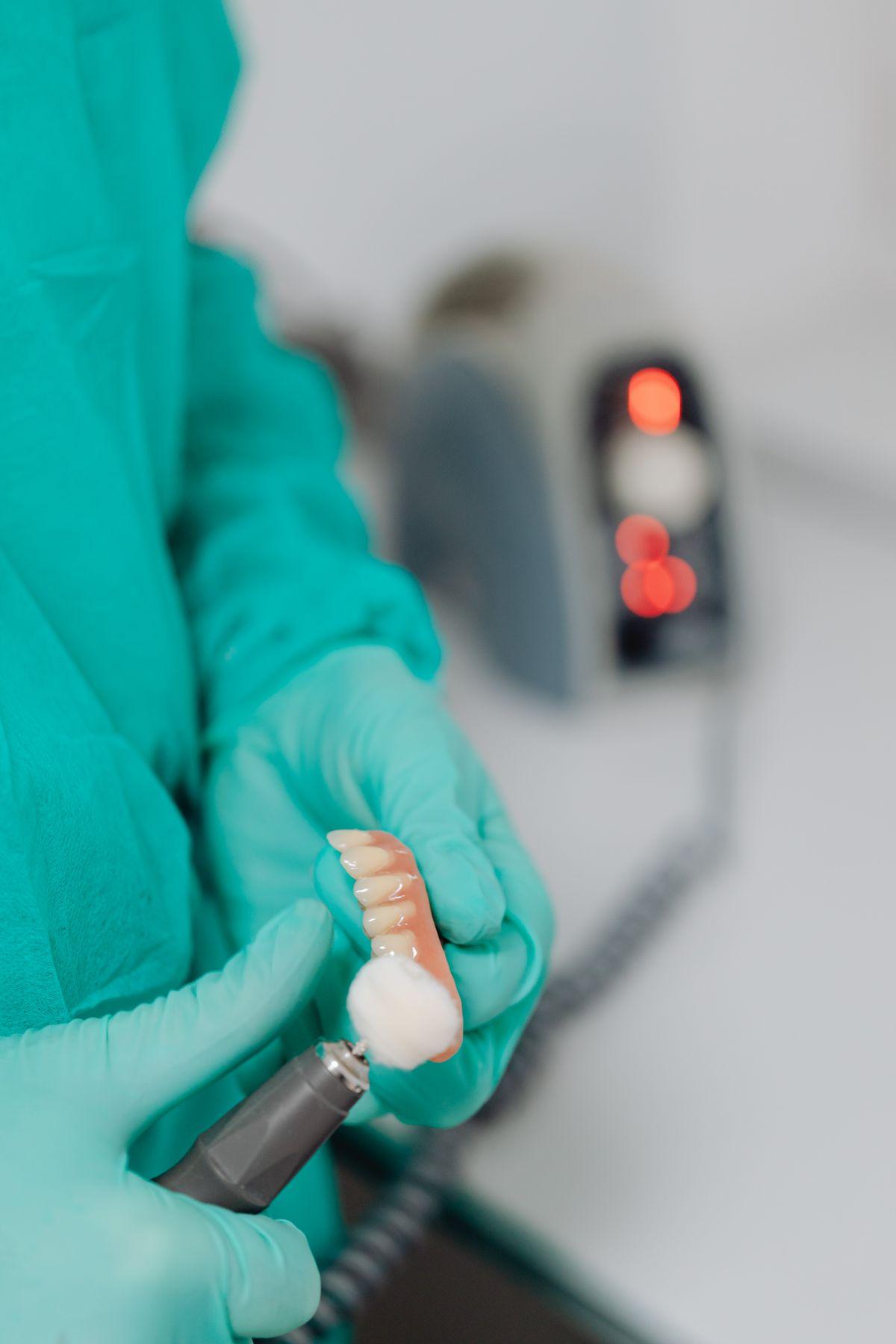
Immediate dentures are full dentures made in advance and placed right after the remaining teeth are extracted. They act as a protective cover for the healing gums, help control bleeding, and allow you to leave the office with teeth.
No time without teeth
You can smile, speak, and eat soft foods from day one.
Protects healing sites
The denture acts like a bandage over the extraction areas.
Supports the face
Helps maintain lip and cheek support during healing.
Needs relines
Gums shrink as they heal, so relines or a new denture are expected later.
Before and After: A Visual Timeline
| Stage | What you may see in photos | What you may feel |
|---|---|---|
| Before treatment | Broken, loose, stained, or missing teeth; gum inflammation | Pain, difficulty chewing, low confidence |
| Day of surgery | New full smile; gauze, mild bleeding, and swelling | Numbness, then soreness as anaesthetic wears off |
| Days 2 to 4 | Peak swelling, possible bruising on cheeks or chin | Tenderness, tightness, need for soft foods |
| Week 1 to 2 | Swelling decreases, smile starts to look more natural | Adjusting to speaking and eating with dentures |
| Weeks 3 to 8 | Face looks settled; denture may look slightly looser | Gums shrinking, possible sore spots |
| Months 3 to 6 | Natural, stable smile after reline | Better fit, comfort, and confidence |
Why Some Pictures Look Different From Others
- Starting condition: People with severe gum disease or bone loss may have more dramatic before photos.
- Healing stage: Photos taken on day one look very different from photos taken months later.
- Denture quality and design: Tooth shade, shape, and arrangement affect how natural the result looks.
- Bone and gum changes: Ridge shrinkage after extractions affects lip support over time.
The Full Mouth Extraction and Immediate Denture Process
- Consultation and X-rays. The dentist confirms which teeth cannot be saved and reviews your health.
- Impressions and measurements. Records are taken while your teeth are still present.
- Tooth selection. Shade, shape, and size are chosen for your new smile.
- Denture fabrication. The lab makes your immediate dentures in advance.
- Surgery day. Teeth are removed and the immediate dentures are placed.
- 24-hour review. Many dentists see you the next day to check fit and relieve sore spots.
- Follow-ups and relines. Adjustments continue as you heal, with a reline or new denture later.
Recovery Tips After Full Mouth Extraction
- Keep the denture in for the first 24 hours unless told otherwise, as it helps control swelling
- Use cold packs on the cheeks in short intervals on the first day
- Eat cool, soft foods and avoid straws
- Take medications exactly as prescribed
- Rinse gently with warm salt water after the first day
- Rest and keep your head slightly raised when lying down
- Avoid smoking and alcohol during healing
Myths About Immediate Dentures
Who Might Need a Full Mouth Extraction?
Removing all remaining teeth is never the first option. Dentists aim to save natural teeth whenever possible. A full mouth extraction is usually recommended when the remaining teeth are no longer predictable to treat, or when keeping them would cause ongoing pain, infection, or health problems.
- Advanced gum disease: Severe bone loss has left many teeth loose and painful.
- Widespread decay: Many teeth are broken down below the gumline and cannot be restored.
- Repeated infections: Multiple abscessed teeth affect overall health and comfort.
- Failed dental work: Large bridges or crowns have failed across much of the mouth.
- Medical reasons: Some treatments, such as certain cancer therapies or surgeries, require infection-free mouths beforehand.
Immediate Dentures vs Waiting for Healing
There are two main paths after full mouth extraction. Understanding both helps explain why photos from different patients can look so different.
| Approach | How it works | Advantages | Considerations |
|---|---|---|---|
| Immediate dentures | Dentures placed the same day as extractions | No time without teeth; protects healing sites; supports the face | More adjustments and relines; fit changes during healing |
| Conventional dentures after healing | Gums heal for several weeks to months before dentures are made | Denture is made on stable gums, often with a more precise initial fit | Time without teeth, which many people find difficult |
| Immediate implant-supported teeth | Implants placed at extraction with a fixed temporary set of teeth | Stable teeth from early on; no palate coverage | Requires suitable bone and a surgical plan |
What to Expect Emotionally
Losing all your natural teeth can bring mixed feelings. Many patients feel relief to be free of pain and infection, while also needing time to adjust to the idea of dentures. It is normal to feel a little self-conscious at first, especially while swelling settles and you learn to speak and eat with your new teeth.
Looking at before and after pictures can help you see the bigger picture: the early days are temporary, and most people adapt well within a few weeks. Talking openly with your dental team about concerns, from appearance to eating, helps make the process feel more manageable.
Learning to Eat and Speak With Immediate Dentures
- Start with liquids and purées. Cool soups, yogurt, and smoothies eaten with a spoon are easiest in the first days.
- Progress to soft foods. Scrambled eggs, mashed potatoes, and soft pasta follow as soreness improves.
- Chew on both sides. Balanced chewing keeps the denture stable.
- Cut food small. Avoid biting with the front teeth until you are comfortable.
- Practise speaking. Reading aloud and repeating tricky words helps your tongue adapt.
- Be patient. Most people feel noticeably more confident by the end of the first month.
Why Follow-Up Visits Are So Important
Immediate dentures need more attention in the first months than conventional dentures. As the extraction sites heal, the gum ridge changes shape quickly, which can cause sore spots and looseness. Regular follow-up visits allow your dentist to relieve pressure areas, add soft liners during healing, and plan a permanent reline at the right time.
24 to 48 hours
First review of fit, bite, and early healing.
Weeks 1 to 4
Adjustments for sore spots and changes in fit.
Months 3 to 6
Permanent reline or planning for a new denture.
Yearly
Ongoing checks of gums, fit, and oral health.
Planning for the Long Term
Immediate dentures are an excellent bridge from failing teeth to a healthy, pain-free mouth. Once healing is complete, you can decide whether to continue with relined immediate dentures, have a new conventional denture made, or explore implant options for greater stability. Your dentist will review how your gums and bone have healed and help you choose the path that matches your comfort, budget, and lifestyle.
Preparing for Surgery Day
- Arrange for someone to drive you home, especially if sedation is planned
- Stock up on soft foods, cold packs, and any prescribed medications beforehand
- Follow fasting instructions if you are having sedation
- Wear comfortable clothing and plan to rest for the remainder of the day
- Share your full medical history and medication list with the dental team
Being prepared lets you focus on rest and healing in the first few days. Most patients are surprised by how quickly they adjust once the initial swelling settles, and the before and after difference in comfort and confidence is often the change they value most.
Full Mouth Care at a Trusted Dental Clinic in Tillsonburg
Family Dentistry on Brock is one of the best dental clinics in Tillsonburg, with a 5.0 Google rating and 252+ patient reviews. The clinic welcomes new patients and CDCP (Canadian Dental Care Plan) patients, and offers dental implants, clear aligners, restorative care, dental veneers, laser treatment, teeth whitening, dental emergency care, sedation dentistry, dental surgery, and orthodontics.
Ready for a fresh start?
Call +1 519-900-5640, email info@familydentistryonbrock.com, or visit 49 Brock St E, Tillsonburg, ON N4G 1Z7. Monday appointments are available until 7:00 PM, and Saturday visits can be booked by appointment.
Frequently Asked Questions
Will I look normal right after getting immediate dentures?
You will have teeth right away, though some swelling and bruising is normal for the first few days.
How long until immediate dentures feel comfortable?
Most patients feel much more comfortable after one to two weeks, with continued improvement over several months.
Do immediate dentures need to be replaced?
Many are relined after healing, and some patients choose a new conventional or implant denture once the gums have stabilised.
Can I sleep with immediate dentures?
Usually, you keep them in for the first 24 hours. After that, your dentist will advise when to remove them at night.
Can I get implants after immediate dentures?
Yes. Many patients transition to implant-supported dentures after the jaw has healed.
Conclusion
Full mouth extraction with immediate dentures lets you leave the clinic with a complete smile on the same day. Before and after pictures change over time as swelling fades and gums heal, with relines helping the denture stay comfortable. Careful planning and follow-up care make the transition smoother and more predictable.


