What Is A Denture Reline

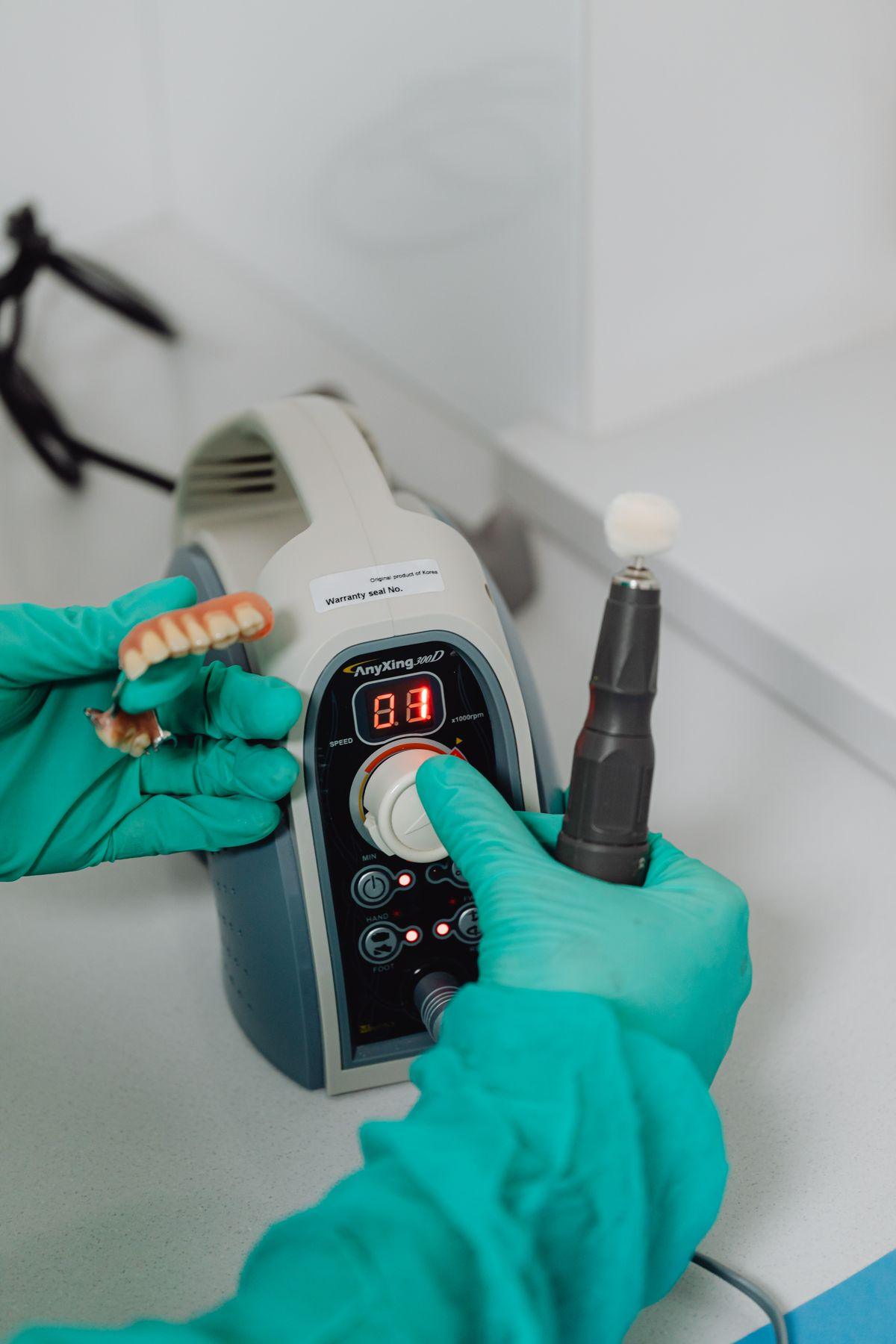
A denture reline is a procedure that reshapes the inside surface of a denture, the part that sits against your gums, so it fits snugly again. Over time, the bone and gums under a denture slowly shrink, leaving small gaps that make the denture loose. A reline fills those gaps with new material, restoring comfort and stability without replacing the teeth. Loose dentures are a common and expected part of long-term denture wear, and a skilled dentist in Tillsonburg can usually fix the problem in a single short visit or with a quick lab turnaround.
A reline adds a new layer of acrylic or soft lining material to the fitting surface of a full or partial denture. It is usually recommended every one to two years, or whenever the denture becomes loose, rocks, or causes sore spots.
Relines are just one of many denture-related treatments within the clinic’s dentistry services. They are often combined with small adjustments, polishing, or repairs so the denture feels and looks its best.
For patients whose dentures keep loosening even after relines, an option like implant-retained dentures may offer longer-lasting stability by anchoring the denture to the jaw.
Before choosing a reline, rebase, or new denture, it helps to talk through your options with the dental team, who will look at the condition of both your gums and your appliance.
Why Do Dentures Need Relining?
Natural teeth have roots that stimulate the jawbone when you chew. Once teeth are lost, that stimulation stops and the bone slowly remodels. The ridge that supports your denture becomes lower and narrower, especially in the lower jaw. The denture itself does not change shape, so a gap develops between the denture and your gums.
- The denture becomes loose or moves when you talk
- Food gets trapped underneath
- Sore spots develop from rocking
- You need more adhesive than before
- Chewing becomes less efficient
- Your face may look slightly collapsed around the mouth
Types of Denture Relines
Hard reline
Uses rigid acrylic. Long-lasting and durable, ideal for most patients with healthy gums.
Soft reline
Uses a flexible, cushioning material. Helpful for sensitive gums, thin ridges, or chronic sore spots.
Temporary reline
A short-term tissue conditioner used during healing or to calm irritated gums.
Chairside vs lab reline
Chairside is completed in the office in one visit; lab relines are processed by a technician for added strength.
Hard vs Soft Reline Comparison
| Feature | Hard reline | Soft reline |
|---|---|---|
| Material | Rigid acrylic | Flexible silicone or resilient acrylic |
| Comfort | Comfortable on healthy gums | Extra cushioning for tender or thin gums |
| Durability | Usually lasts longer | May need replacing sooner |
| Cleaning | Easy to clean | Needs gentle care to avoid damage and staining |
| Best for | Most denture wearers | People with chronic soreness or sharp bony ridges |
How a Denture Reline Is Done
- Assessment. The dentist checks your gums, the denture, and your bite.
- Preparing the denture. A thin layer is removed from the fitting surface to make room for new material.
- Impression inside the denture. Lining or impression material is placed in the denture, which is then seated and held while it sets.
- Muscle moulding. You may be asked to move your lips, cheeks, and tongue so the edges are shaped correctly.
- Processing. The reline is completed chairside or sent to the lab for processing.
- Trimming and polishing. The denture is smoothed and finished.
- Final fitting. Comfort and bite are checked, with adjustments if needed.
How Often Should Dentures Be Relined?
Most dentures benefit from a reline every one to two years. Immediate dentures, placed on the same day as extractions, often need an earlier reline within the first few months as the gums heal. Your dentist will recommend timing based on how quickly your gums change.
Reline vs Rebase vs New Denture
| Option | What it changes | When it is recommended |
|---|---|---|
| Reline | Fitting surface only | Teeth and base are in good shape but the fit is loose |
| Rebase | Entire pink base, keeps existing teeth | Base is worn, cracked, or stained, teeth are still good |
| New denture | Everything | Teeth are worn, the bite has changed, or the denture is old |
Myths About Denture Relines
Chairside Reline vs Laboratory Reline in More Detail
Both methods refit your denture, but they work in different ways and suit different situations.
Chairside reline
A chairside reline is completed in the dental office during one appointment. The dentist places a self-curing reline material inside the denture, seats it in your mouth, and lets it set while you close gently. Once the material hardens, the excess is trimmed and polished. The main advantage is convenience, since you leave with your denture the same day. Chairside materials can be slightly more porous than lab-processed acrylic, so they may stain or wear a little sooner.
Laboratory reline
For a lab reline, the dentist takes an impression inside your denture and sends it to a dental laboratory. The technician replaces the impression material with heat-processed acrylic under pressure, which creates a dense, strong, and smooth surface. Lab relines are often more durable and accurate, but you may be without your denture for several hours or overnight. Many clinics schedule lab relines early in the day so patients can collect their dentures the same afternoon or the next morning.
What Does a Reline Feel Like Afterward?
Patients often describe the feeling as having a new denture that already knows their mouth. The denture sits more firmly, chewing feels more controlled, and speech may become clearer because the denture no longer shifts. For the first day or two, the gums may feel slightly tender as they adjust to even pressure across the whole surface. This should improve quickly. Any sharp or persistent sore spots can be relieved in a brief follow-up visit.
Signs a Reline Is No Longer Enough
Relines are very effective, but there comes a point when a denture has reached the end of its useful life. Your dentist may recommend a new denture if you notice:
- Teeth that are worn flat, chipped, or heavily stained
- Frequent cracks or repeated repairs to the base
- A face that looks shorter or more collapsed despite relines
- Ongoing jaw discomfort or headaches related to your bite
- A denture that is many years old and has been relined several times
How Implants Reduce the Need for Frequent Relines
Dental implants act like artificial tooth roots. When a denture is attached to implants, chewing forces are transferred into the bone around the implants, which helps maintain bone in those areas. Implant-retained dentures still need periodic maintenance, such as replacing the small retention parts and occasional relines, but many patients find their dentures stay stable for longer between visits.
Conventional denture
Relies on suction and fit. Bone continues to shrink, so regular relines are expected.
Implant-retained denture
Snaps onto implants for stability. Relines may be needed less often, with attachment maintenance.
Fixed implant bridge
Not removed by the patient. Maintained by the dental team with periodic professional cleaning.
Caring for a Freshly Relined Denture
- Clean it daily. Use a soft brush and non-abrasive cleanser, especially on soft liners.
- Avoid hot water. Very hot water can warp acrylic and damage soft lining materials.
- Soak overnight. Keep the denture moist so the new material does not dry out.
- Handle gently. Clean over a folded towel or basin of water.
- Return for checkups. Your dentist can monitor the reline and catch wear early.
Questions People Often Ask Before a Reline
Will my denture feel different in my mouth?
The teeth and the outer shape of the denture stay the same, so your smile and the feel against your lips and cheeks do not change. The difference is felt on the gums, where the denture now sits evenly rather than rocking or pressing in a few spots.
Do I need to prepare in any way?
It helps to wear your denture for a few hours before the appointment, so any pressure areas are visible to the dentist. If your gums are very sore or swollen, your dentist may suggest a short period of rest or a soft tissue conditioner first, because relining over inflamed tissue can capture a shape that changes once the swelling settles.
Can a cracked denture be relined?
A small crack is often repaired at the same time as the reline. Larger fractures, or dentures that have been repaired many times, may be better replaced. Your dentist will advise you honestly on which option offers the best long-term value and comfort.
Relines are among the simplest ways to extend the life of a denture and protect your gums, and most patients are pleased by how much more comfortable and confident they feel afterwards.
Denture Relines at a Trusted Dental Clinic in Tillsonburg
Family Dentistry on Brock is one of the best dental clinics in Tillsonburg, with a 5.0 Google rating and 252+ patient reviews. The office welcomes new patients and CDCP (Canadian Dental Care Plan) patients, and provides dental implants, clear aligners, restorative care, dental veneers, laser treatment, teeth whitening, dental emergency care, sedation dentistry, dental surgery, and orthodontics.
Make your denture feel secure again
Call +1 519-900-5640 or email info@familydentistryonbrock.com to book at 49 Brock St E, Tillsonburg, ON N4G 1Z7. Mondays are open until 7:00 PM, and Saturday appointments are available on request.
Frequently Asked Questions
How long does a denture reline take?
A chairside reline is usually completed within about an hour. A lab reline may take several hours or until the next day.
Can partial dentures be relined?
Yes. Acrylic areas of partial dentures can be relined when gaps form under the base.
Is a soft reline better than a hard reline?
Neither is better for everyone. Hard relines last longer, while soft relines add comfort for sensitive gums.
Will a reline make my denture feel tight?
It may feel snug at first, which is normal. Any pressure spots can be adjusted at a follow-up visit.
How do I know if I need a reline or a new denture?
If your teeth are still in good condition and only the fit is loose, a reline is often enough. Worn teeth or bite changes may mean a new denture is better.
Conclusion
A denture reline refits the inside of your denture to match the current shape of your gums. It is a simple, routine way to restore comfort, stability, and confident chewing. Regular checkups help you know when it is time for a reline before a loose fit causes problems.