Pictures Of Partial Dentures Front Teeth
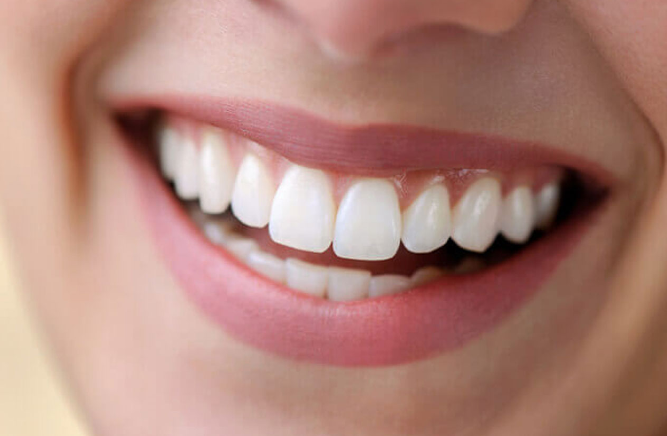
Pictures of partial dentures for front teeth usually show one to several replacement teeth set into a pink, gum-coloured base, held in place by small clasps or a thin framework that rests against neighbouring teeth. A well-made front partial looks very close to natural teeth in photos, while a poorly fitted one tends to show visible metal, bulky gum material, or teeth that look too flat and uniform. Missing front teeth are common and very treatable, and a visit to a trusted dental clinic in Tillsonburg is the best way to see which design suits your smile.
Most photos of front partial dentures show acrylic, flexible, or metal-framework designs. The most natural-looking results come from careful shade matching, tooth-coloured or hidden clasps, and a base shaped to blend with your own gumline.
Online galleries can be helpful, but they rarely tell the whole story. Lighting, camera angle, and photo editing can make any appliance look better or worse than it does in daily life. That is why many patients compare pictures first and then ask a licensed dental team to explain what those images mean for their own mouth, bite, and gum health.
A partial denture also does not have to be the only option. Depending on the condition of the surrounding teeth and bone, some people are better suited to fixed restorative treatment such as a bridge, while others choose a removable partial as a practical, non-surgical solution.
For those who want a permanent replacement later, a front partial can serve as an interim step before implant-supported teeth, giving you a complete smile while healing and planning take place.
What Do Partial Dentures for Front Teeth Look Like?
A partial denture is a removable appliance that replaces one or more missing teeth while your remaining natural teeth stay in place. When the gap is at the front of the mouth, appearance becomes the main priority, so the design is built around blending in when you smile, speak, and laugh.
In most pictures you will notice three main parts:
- Replacement teeth: usually made from acrylic resin or composite, shaped and shaded to match neighbouring teeth.
- Base: a pink acrylic or flexible nylon section that sits over the gums and holds the teeth.
- Retention: metal clasps, tooth-coloured clasps, or a flexible gum-hugging edge that keeps the partial secure.
What a natural-looking front partial shows in photos
- Teeth with slight variation in shape and translucency, rather than a flat, single-colour row
- A gum section that follows the natural scalloped shape of your gumline
- Clasps that are hidden behind teeth, tooth-coloured, or not needed at all
- Correct tooth length, so the smile line matches your lips
Common Types of Front Partial Dentures Compared
Most before and after images you find online fall into one of three categories. Each has a different look, feel, and lifespan.
| Type | How it looks | Best suited for | Things to consider |
|---|---|---|---|
| Acrylic partial (often called a flipper) | Pink base with replacement teeth, sometimes with small wire clasps | Short-term or interim replacement after an extraction | Thicker and less durable; may feel bulky behind front teeth |
| Flexible partial | Translucent pink nylon that blends with gums, no visible metal | Patients who want a metal-free, discreet look | Harder to adjust or add teeth later; needs careful cleaning |
| Cast metal partial | Thin metal framework with acrylic teeth; clasps may show if not designed carefully | Long-term use, especially when several teeth are missing | Strong and slim, but clasp placement matters for front teeth aesthetics |
When you look at pictures, check which type is shown. A cast metal partial photographed from the back of the mouth will look very different from how it appears in a natural smile, because the metal often sits behind the teeth where others rarely see it.
Why Do Some Front Partials Look Fake in Pictures?
Photos of partial dentures that look unnatural usually share a few avoidable problems. Understanding them helps you know what to ask about during your consultation.
Shade mismatch
Teeth that are too white or too grey compared with natural neighbours stand out immediately.
Visible clasps
Metal clasps placed on the front surface of canines can catch light and draw attention.
Bulky gum section
Too much pink material can push the lip outward or show above the gumline.
Poor fit
A loose or worn partial can drop slightly when speaking, creating a visible gap.
Many of these issues come from limited planning, worn-out appliances, or home remedies used to fix fit problems. A properly assessed and professionally made partial avoids most of them.
How Is a Front Partial Denture Made?
The process is straightforward but requires precision, because small changes in tooth position are easy to see at the front of the mouth.
- Examination and X-rays. Your dentist checks the health of remaining teeth, gums, and bone, and confirms whether a partial is the right choice.
- Impressions or digital scans. Accurate models of your upper and lower teeth are created.
- Shade and shape selection. Tooth colour, length, and shape are chosen in good lighting to match your smile.
- Try-in appointment. A wax or trial version lets you see the look and feel before the final appliance is finished.
- Fitting and adjustments. The finished partial is fitted, pressure spots are relieved, and care instructions are explained.
- Follow-up visits. Short check-ins help fine-tune comfort during the first few weeks.
Front Partial Denture vs Other Tooth Replacement Options
Pictures can help you compare options visually, but function, comfort, and long-term health matter just as much.
| Option | Removable? | Affects neighbouring teeth? | Typical role |
|---|---|---|---|
| Partial denture | Yes | Minimal, clasps rest on teeth | Flexible, non-surgical option |
| Dental bridge | No | Yes, adjacent teeth are prepared for crowns | Fixed replacement for one or two teeth |
| Dental implant | No | No, stands on its own | Long-term replacement that supports bone |
There is no single best choice for everyone. Your bite, gum health, bone volume, medical history, and personal goals all influence the recommendation.
Myths About Partial Dentures for Front Teeth
How to Keep Your Front Partial Looking Natural
Daily care has a big influence on how your partial looks months and years later.
- Brush the partial daily with a soft brush and a non-abrasive denture cleanser, not regular toothpaste.
- Rinse after meals to prevent staining from coffee, tea, and red sauces.
- Remove it at night unless your dentist advises otherwise, and store it moist.
- Clean your natural teeth carefully, especially where clasps rest.
- Book regular checkups so your dentist can spot wear, staining, or fit changes early.
What Should You Look for When Comparing Before and After Photos?
Before and after galleries are useful when you know how to read them. Instead of focusing only on how white the teeth look, compare the details that show real skill and planning.
- The gumline: Does the pink base follow the natural curve of the gums, or does it look like a straight band?
- Tooth proportions: Front teeth are usually slightly longer than they are wide. Replacement teeth that look short or square often seem artificial.
- The smile line: In a relaxed smile, the edges of the upper front teeth should follow the curve of the lower lip.
- Side angles: A partial that looks good straight on should also look natural from the side, without a visible ledge.
- Daily lighting: Photos taken in natural light are usually more honest than studio images with bright flash.
It also helps to ask whether a photo shows a brand new appliance or one that has been worn for some time. Long-term photos give a better sense of how materials hold up against staining and wear.
What to Expect During the First Few Weeks
Getting used to a new front partial is usually a short process. Most people notice the appliance less each day as the tongue, lips, and cheeks adapt.
- Days 1 to 3: The partial may feel larger than it is, and you may produce more saliva than usual.
- First week: Speech generally settles. Reading aloud helps your tongue adjust to the new shape behind your teeth.
- Weeks 2 to 4: Eating becomes more natural. Start with softer foods and cut firm items into small pieces rather than biting with the front teeth.
Mild pressure is normal at first, but sharp pain, ulcers, or rubbing are not. These are signs the partial needs a small professional adjustment, which is usually quick and comfortable.
Questions to Ask at Your Consultation
- Which type of partial is best for my gap, and why?
- Can the clasps be hidden or made tooth-coloured?
- Will the partial need relining as my gums heal?
- Is a bridge or implant a better long-term option for me?
- How often should the partial be checked once it is fitted?
When Should You See a Dentist in Tillsonburg?
Book an assessment if you have a missing front tooth, your current partial looks bulky or discoloured, it moves when you talk, or it causes sore spots. Early care protects your remaining teeth and helps you avoid bigger problems later.
Family Dentistry on Brock is known as one of the best dental clinics in Tillsonburg, with a 5.0 Google rating from more than 252 patient reviews. As a family dentist in Tillsonburg, the team welcomes new patients and accepts CDCP (Canadian Dental Care Plan) patients, and offers a full range of care including dental implants, clear aligners, restorative care, dental veneers, laser treatment, teeth whitening, dental emergency care, sedation dentistry, dental surgery, and orthodontics.
Talk to a cosmetic dentist in Tillsonburg about your smile
Visit us at 49 Brock St E, Tillsonburg, ON N4G 1Z7, call +1 519-900-5640, or email info@familydentistryonbrock.com. Extended weekday hours run until 7:00 PM on Mondays, and Saturday visits are available by appointment.
Frequently Asked Questions
Can a partial denture for one front tooth look natural?
Yes. With careful shade matching, proper tooth shape, and discreet clasps or a flexible base, a single-tooth front partial can blend in very well with your smile.
Are metal clasps visible on front partial dentures?
They can be if placed on the front of visible teeth. Many designs place clasps behind teeth, use tooth-coloured clasps, or use flexible materials that avoid metal entirely.
How long does a front partial denture last?
Many partials last several years with good care. Acrylic designs tend to need replacement sooner, while cast metal frameworks often last longer. Regular checkups help extend their life.
Will a front partial affect my speech?
Some people notice a slight change in certain sounds for the first few days. Most adapt quickly, and small adjustments from your dentist can help.
Can I get a partial right after a front tooth extraction?
In many cases, an immediate partial can be made so you are not left with a gap. It may need adjustment or relining as the gums heal.
Conclusion
Pictures of partial dentures for front teeth can show you what is possible, but your own result depends on proper planning and fit. A natural look comes from good shade matching, discreet retention, and regular professional follow-up. A personal assessment is the clearest way to know which option will suit your smile and oral health.
Getting a natural look with a front partial
General dentist registered with the Royal College of Dental Surgeons of Ontario (RCDSO), practising at Family Dentistry on Brock, Tillsonburg. Last reviewed November 2026. This guide is general information and does not replace an exam with your own dentist.
Which design suits front teeth?
| Design | Appearance | Comfort and strength |
|---|---|---|
| Acrylic (flipper) | Good, base can be bulky | Light, short-term option |
| Flexible nylon | Tooth-coloured or pink clasps, very discreet | Comfortable, harder to adjust |
| Cast metal | Clasps placed out of view where possible | Thin, strong, long-term |
Steps to a natural-looking front partial
- Choose a shade in daylight, matched to neighbouring teeth.
- Select tooth shapes that suit your face and smile line.
- Try the teeth in wax before the partial is finished.
- Check your smile and speech at the try-in.
- Fine-tune the bite after delivery.
Will people notice my front partial?
When the teeth are matched well and the clasps are hidden, most people will not notice. A slight lisp in the first days is common and usually settles quickly.
Is an implant or bridge better for front teeth?
They are fixed options that do not come out, but they involve more treatment. A partial is a quicker and less invasive choice, and many people use one while deciding on long-term care.
Coverage and the Canadian Dental Care Plan
The CDCP covers partial dentures for eligible patients, with preauthorization for some designs and a possible co-payment. Private plans usually cover partials under major services.
Front partial dentures at Family Dentistry on Brock
Family Dentistry on Brock is at 49 Brock St E in Tillsonburg, and we welcome patients from Tillsonburg, Norfolk County and Oxford County. We accept new patients and the CDCP. Read about restorative care, dental implants and dental veneers.
Front Partial FAQs
Can a partial denture replace one front tooth?
Yes, a small partial can replace a single front tooth.
Do front partials show metal?
Clasps can often be hidden or made tooth-coloured.
How long do front partials last?
Often five to ten years with relines and good care.
Will a front partial affect my speech?
Slightly at first; it usually settles within days.
Can I eat with a front partial?
Yes, but bite into firm foods with your side teeth.
Is a flexible partial good for front teeth?
It is discreet and comfortable for many people.
Can I get an implant later?
Yes, many people move to an implant when ready.
Does the CDCP cover partial dentures?
Yes, for eligible patients.
Book a partial denture consultation in Tillsonburg
See how a front partial could look for you. Family Dentistry on Brock, 49 Brock St E, Tillsonburg, ON N4G 1Z7. Call 519-900-5640 or book online. New patients and CDCP patients are welcome.
Book an appointment