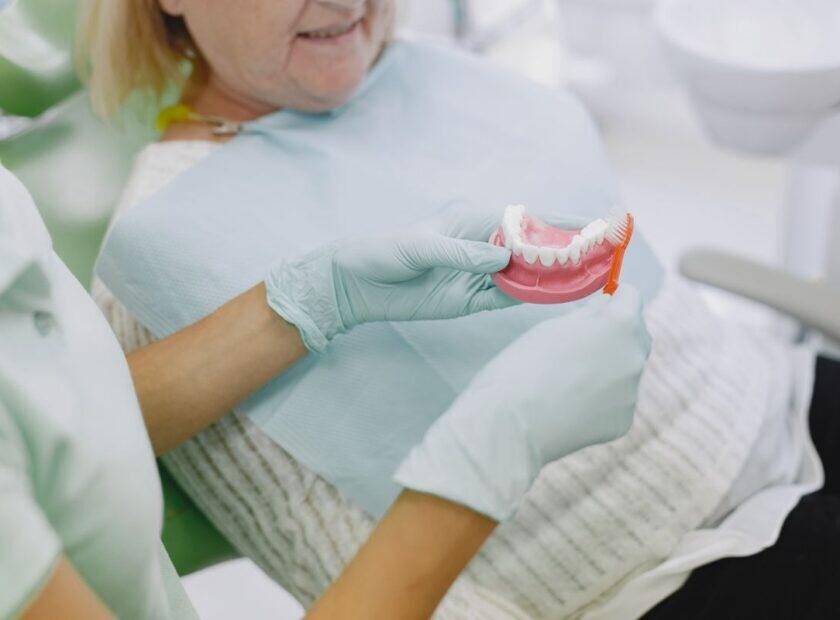
Soft Food To Eat After Dental Surgery

The best soft food to eat after dental surgery depends on the procedure, but in general you should choose smooth, lukewarm, and nutrient-dense foods such as yogurt, blended soups, mashed potatoes, scrambled eggs, cottage cheese, and oatmeal. After tooth extractions and wisdom tooth removal, stick to very soft foods for the first several days; after implant surgery, a soft diet often continues longer to protect the implant. Discomfort and a limited diet after oral surgery are normal and temporary, and your care team at a trusted dental office in Tillsonburg will guide you on when to progress to firmer foods.
Extractions and wisdom teeth: liquids and purées for 24 to 48 hours, then fork-soft foods for about a week. Implants: soft foods for one to two weeks or longer, chewing away from the implant. Gum grafts: cool, smooth foods and no chewing near the graft site for about two weeks. Root canal: soft foods until numbness fades and while the tooth is tender.
Every procedure under the umbrella of dental surgery heals a little differently, which is why it helps to tailor your food choices to the treatment you had rather than following one generic list.

If you have just had dental implants placed, protecting the implant from pressure during early healing is especially important for long-term success.
If you notice severe pain, swelling that keeps increasing, or bleeding that will not stop, contact the clinic for urgent dental support rather than waiting for your next appointment.
Soft Foods After a Simple Tooth Extraction
After a simple extraction, the most important goal is protecting the blood clot that forms in the socket. For the first day, choose cool or room-temperature foods that need no chewing, such as yogurt, applesauce, pudding, and smooth soups that have cooled down. From the second or third day, many people can move on to mashed potatoes, scrambled eggs, soft pasta, and well-cooked oatmeal. Eat on the opposite side of your mouth, avoid using straws, and skip crunchy or seedy foods until the socket has closed over, which often takes about a week for a single tooth.
Soft Foods After Wisdom Tooth Removal
Wisdom tooth surgery often involves more swelling and jaw stiffness than a simple extraction, especially if lower teeth were impacted. Opening your mouth wide may be difficult for several days, so foods that can be eaten with a small spoon are ideal. Cold foods such as yogurt and smooth smoothies eaten with a spoon can help soothe swelling in the first day. Over the next several days, focus on protein-rich soft foods to support healing: cottage cheese, silken tofu blended into soups, soft scrambled eggs, and hummus. Avoid small grains such as rice and quinoa early on, as they can lodge in the extraction sites at the back of the mouth.
Soft Foods After Dental Implant Surgery
Implants need time to bond with the jawbone. During this period, pressure on the implant can disturb healing. Your dentist may recommend soft foods for one to two weeks, and sometimes longer for multiple implants or bone grafting. Good choices include flaked fish, ground meat in sauces, well-cooked vegetables mashed with butter or olive oil, polenta, risotto made very soft, and smoothie bowls. Always chew on the side away from the implant and follow any specific timeline your surgeon provides.
Soft Foods After Gum Graft Surgery
Gum grafts involve delicate tissue that must stay undisturbed to heal. Many patients have a donor site on the palate as well as the graft area, so both may be tender. Cool, smooth foods are best: chilled soups, yogurt, protein shakes eaten with a spoon, and soft custards. Avoid anything spicy, acidic, crunchy, or very hot, and do not chew near the graft for about two weeks unless your dentist advises otherwise.
Soft Foods After a Root Canal
A root canal is less invasive than surgery, but the tooth and surrounding tissues may be tender for a few days. Wait until numbness wears off before eating, then choose soft foods that do not require heavy biting on the treated side. Pasta, eggs, soft fish, steamed vegetables, and soups work well. Until a permanent filling or crown is placed, avoid hard and sticky foods on that tooth.
| Procedure | Strict soft diet | Gradual return | Key caution |
|---|---|---|---|
| Simple extraction | 1 to 3 days | Within about a week | No straws, protect the clot |
| Wisdom teeth | 3 to 5 days | 1 to 2 weeks | Avoid grains and seeds in sockets |
| Dental implant | 1 to 2 weeks | As advised by your surgeon | No pressure on the implant |
| Gum graft | About 2 weeks | Gradual after review | No chewing on graft site |
| Root canal | Until numbness fades | A few days | Protect the tooth until crowned |
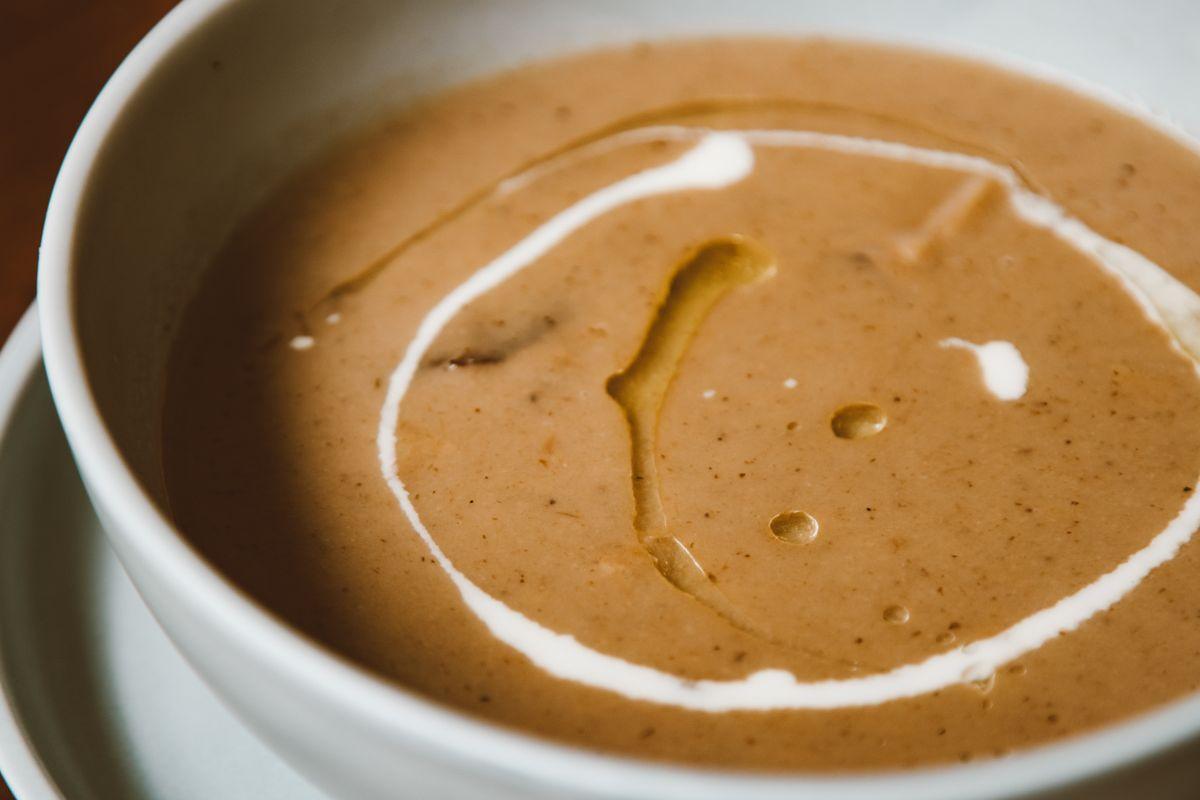
Your Soft Food Grocery List
Shopping before your procedure makes recovery much easier. Here is a practical list to bring to the store.
Dairy and eggs
Greek yogurt, cottage cheese, milk, eggs, soft cheeses, pudding cups.
Grains
Instant oatmeal, cream of wheat, small pasta shapes, polenta, soft bread without crusts.
Produce
Bananas, avocados, ripe pears, canned peaches, potatoes, sweet potatoes, squash.
Proteins
Silken tofu, canned salmon or tuna, ground turkey, smooth nut butter, lentils.
Ready-made
Smooth soups, applesauce, hummus, protein shakes, broths.
Comfort items
Ice packs, a blender, small spoons, and lip balm for dry lips.
Foods to Leave Off Your List for Now
- Chips, crackers, popcorn, and nuts
- Seeded breads, berries with small seeds, and sesame toppings
- Spicy sauces, citrus, and tomato-based dishes in the first days
- Sticky candy, caramel, and chewing gum
- Alcohol and carbonated drinks during early healing
- Very hot drinks and soups in the first 24 to 48 hours
How to Make Soft Food Satisfying
One of the biggest complaints after dental surgery is boredom. Eating yogurt and pudding for days can leave you hungry and tired of the same flavours. With a little planning, a soft diet can be varied, filling, and enjoyable. Think of familiar meals and how you could make them smoother. Shepherd’s pie becomes very soft when the meat is finely ground and the potatoes are extra creamy. A frittata or egg custard can be flavoured with soft cheese and herbs. Cauliflower, carrots, and squash can be roasted until tender and blended with broth into a velvety soup. Even breakfast can feel special with a warm bowl of oatmeal topped with mashed banana and a swirl of smooth nut butter.
Seasoning matters too. Herbs such as dill, parsley, basil, and chives add flavour without the sting of chilli or the acidity of citrus. A little butter, olive oil, or grated parmesan can make purées richer and more satisfying. Once the first few days have passed and you feel comfortable, mild spices like cumin or turmeric can be added in small amounts.
Keeping Your Energy Up
Healing requires energy, and people often eat less than usual after surgery because chewing is uncomfortable. Eating small amounts every two to three hours, rather than three large meals, can help you meet your needs. Add protein to every meal and snack, and include healthy fats such as avocado and olive oil for extra calories. If your appetite is low, nutrient-rich shakes eaten with a spoon can fill the gap.
- Aim for protein at every meal, such as eggs, yogurt, tofu, or flaked fish
- Drink water often to stay hydrated, especially if you are taking pain medication
- Include soft fruits and vegetables for vitamins that support healing
- Avoid relying only on sweets, which provide calories but little nutrition
Eating Safely With Stitches
Many surgical procedures use dissolvable stitches that fall out on their own over one to two weeks. Hard, sharp, or chewy foods can pull on these stitches or catch on them. Choose foods that do not require tearing or biting, and keep chewing on the opposite side. If a stitch comes loose early and you notice bleeding or a gap, contact your dental team for advice.
Recovery Tips Beyond Food
- Rest well. Keep your head raised with extra pillows for the first night or two to reduce swelling.
- Use cold packs early. Apply in short intervals to the cheek during the first day.
- Keep the area clean. After 24 hours, rinse gently with warm salt water after meals.
- Take medications as prescribed. Stay ahead of pain rather than waiting until it is severe.
- Avoid smoking and vaping. These greatly increase the risk of dry socket and slow healing.
- Attend follow-up visits. Your dentist will check healing and advise when to return to normal foods.
Planning Ahead Makes Recovery Easier
The day before surgery is a good time to prepare. Cook and freeze a few portions of soup, mashed vegetables, and soft pasta dishes, and stock the fridge with yogurt, cottage cheese, and puddings. Having everything ready means you can rest instead of cooking while sore, and you will be less tempted to reach for unsuitable snacks when hunger strikes. Small preparation steps like this often make the biggest difference to how smooth and comfortable recovery feels.
Your Local Dental Office in Tillsonburg
Family Dentistry on Brock is one of the most highly rated clinics in town, holding a 5.0 Google rating from more than 252 patient reviews. New patients and CDCP (Canadian Dental Care Plan) patients are welcome. The team provides dental implants, clear aligners, restorative care, dental veneers, laser treatment, teeth whitening, emergency dental care, sedation dentistry, dental surgery, and orthodontics.
Prompt, friendly care when you need it
Visit 49 Brock St E, Tillsonburg, ON N4G 1Z7, call +1 519-900-5640, or send an email to info@familydentistryonbrock.com. Weekday care extends until 7:00 PM on Mondays, and Saturday visits can be arranged by appointment.
Frequently Asked Questions
What can I eat the first day after dental surgery?
Cool, smooth foods such as yogurt, applesauce, pudding, and lukewarm blended soups are best on the first day.
When can I eat rice after wisdom tooth removal?
Many people wait about a week, as small grains can get stuck in the sockets.
Can I eat pasta after dental surgery?
Soft, well-cooked pasta is usually fine from about the third day, chewing away from the surgical area.
Are smoothies okay after oral surgery?
Yes, but eat them with a spoon instead of a straw to avoid disturbing the clot.
How long do I need soft foods after implant surgery?
Often one to two weeks or longer, depending on your surgeon advice and the number of implants placed.
Conclusion
The right soft food to eat after dental surgery depends on your procedure, from short soft diets after extractions to longer ones after implants and grafts. Smooth, lukewarm, protein-rich meals protect healing sites and keep your energy up. Following your surgeon timeline and planning meals ahead makes recovery easier and more comfortable.