
What Is Scaling In Dentistry

Scaling in dentistry is a professional cleaning procedure that removes plaque and hardened tartar, also called calculus, from the surfaces of your teeth, both above and just below the gumline. It is one of the most common and important preventive treatments, and it helps stop gum disease, bad breath, and tooth loss. Tartar build-up is very common and not a sign of poor character or neglect, and regular scaling at a trusted dental office in Tillsonburg keeps your gums healthy and your smile fresh.
Scaling is the removal of plaque and tartar deposits from teeth using hand instruments or ultrasonic scalers. When deposits extend deep below the gums because of gum disease, scaling is combined with root planing, which smooths the root surfaces so the gums can reattach.
Scaling is part of routine preventive care within the clinic’s wider dentistry services, usually done alongside a checkup, polishing, and an assessment of gum health.
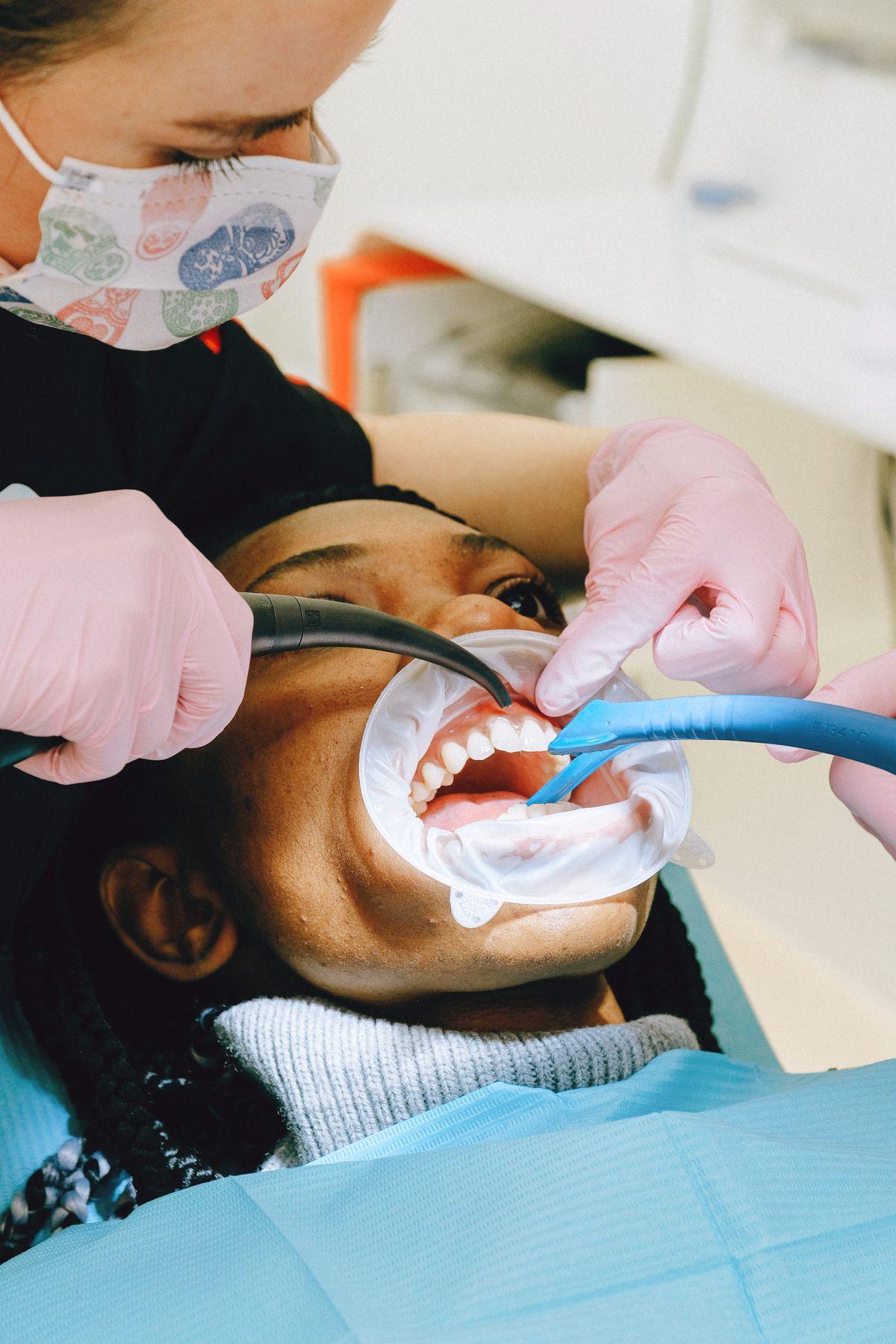
For patients with more advanced gum problems, additional options such as laser-assisted treatment may be discussed after a full periodontal assessment.
If dental cleanings make you anxious, it is worth asking about comfort options. Some patients benefit from sedation dentistry for deeper cleanings or when sensitivity is high.
What Is Tartar and Why Does It Need Scaling?
Plaque is a soft, sticky film of bacteria that forms on teeth every day. If it is not removed by brushing and flossing, minerals in saliva harden it into tartar within a few days. Tartar is rough, porous, and firmly attached to the tooth, so a toothbrush cannot remove it.
- Tartar gives plaque bacteria a protected place to grow
- It irritates the gums, causing redness, swelling, and bleeding
- It can stain yellow or brown and affect your smile
- Below the gumline, it can lead to pockets, bone loss, and loose teeth
Types of Scaling
Supragingival scaling
Removes tartar above the gumline. This is part of a routine cleaning.
Subgingival scaling
Removes deposits just below the gumline, where gum inflammation often begins.
Scaling and root planing
A deeper cleaning that also smooths root surfaces in gum pockets. Used to treat periodontitis.
Periodontal maintenance
Regular follow-up scaling for patients who have had gum disease treatment.
Hand Scaling vs Ultrasonic Scaling
| Feature | Hand scaling | Ultrasonic scaling |
|---|---|---|
| How it works | Curved instruments gently scrape deposits away | Vibrating tip breaks up tartar while water rinses debris |
| Sensation | Light scraping and pressure | Vibration, water spray, and a humming sound |
| Strengths | Precise detail work and smoothing | Efficient for heavy deposits and flushing bacteria |
| Common use | Finishing, tight areas, root planing | Initial removal of larger tartar deposits |
Most cleanings use a combination of both for the best result.
What Happens During a Scaling Appointment
- Gum assessment. The hygienist or dentist measures gum pockets and checks for bleeding.
- Comfort options. Topical gel or local anaesthetic may be used for sensitive areas or deeper cleaning.
- Tartar removal. Ultrasonic and hand instruments remove deposits above and below the gums.
- Root planing if needed. Root surfaces in deeper pockets are smoothed.
- Polishing. Teeth are polished to remove surface stains and make plaque harder to stick.
- Home care advice. You receive personalised tips for brushing and flossing.

Does Scaling Hurt?
Routine scaling is usually comfortable. You may feel pressure, scraping, or vibration. If your gums are inflamed, they may be tender and bleed a little. For deeper scaling and root planing, local anaesthetic is commonly used so you stay comfortable. Mild sensitivity for a few days afterwards is normal.
Myths About Dental Scaling
Gingivitis vs Periodontitis: When Is Deeper Scaling Needed?
The type of scaling you need depends on the health of your gums. Dental professionals measure the small space between the gum and tooth, called the pocket, using a gentle probe. Healthy pockets are shallow. Deeper pockets suggest gum disease.
| Condition | What is happening | Common signs | Usual treatment |
|---|---|---|---|
| Healthy gums | Gums fit snugly around teeth | Pink, firm gums with little or no bleeding | Routine scaling and polishing |
| Gingivitis | Gum inflammation from plaque, no bone loss | Red, swollen gums that bleed when brushing | Thorough scaling and improved home care; usually reversible |
| Early periodontitis | Inflammation has started to affect supporting bone | Deeper pockets, some gum recession, bad breath | Scaling and root planing, closer follow-up |
| Advanced periodontitis | Significant bone loss around teeth | Loose teeth, shifting, pus, receding gums | Deep cleaning, possible referral, ongoing maintenance |
Gingivitis can usually be reversed with professional scaling and better daily cleaning. Periodontitis cannot be fully reversed, but it can be controlled so the teeth remain stable for many years.
What Is Root Planing?
When gum disease causes deeper pockets, tartar and bacterial toxins collect on the root surfaces below the gumline. Root planing uses fine instruments to smooth these roots after scaling. A smooth, clean root surface makes it easier for the gum tissue to tighten and reattach, which helps pockets become shallower. Root planing is usually done one section of the mouth at a time, often with local anaesthetic, across one or more appointments.
Benefits of Regular Scaling
Healthier gums
Less bleeding, swelling, and tenderness as inflammation settles.
Fresher breath
Removing bacteria-rich deposits often improves bad breath.
Brighter smile
Polishing after scaling removes many surface stains.
Early detection
Regular visits let problems like cavities or gum changes be found early.
Tooth protection
Controlling gum disease helps prevent bone loss and loose teeth.
Whole-body health
Gum inflammation has been linked with conditions such as diabetes and heart disease, so healthy gums support overall wellness.
Aftercare Following Scaling
- Expect mild tenderness. Gums may feel sore for a day or two, especially after deeper cleaning.
- Use a soft toothbrush. Brush gently but thoroughly to keep plaque from returning.
- Rinse with warm salt water. This soothes gums and helps keep them clean.
- Manage sensitivity. A toothpaste for sensitive teeth can help if cold drinks feel sharp.
- Avoid tobacco. Smoking slows healing and increases the risk of gum disease returning.
- Keep follow-up visits. Re-evaluation appointments check how well the gums have responded.
How to Reduce Tartar Build-Up Between Visits
- Brush twice a day for two minutes with fluoride toothpaste
- Angle the brush toward the gumline where plaque collects
- Floss or use interdental brushes every day
- Pay extra attention to the backs of the lower front teeth, a common tartar spot
- Consider an electric toothbrush if you find manual brushing difficult
- Limit sugary snacks and drinks, which feed plaque bacteria
- Drink water throughout the day to support saliva flow
Even with excellent home care, some tartar will still form over time. That is why regular professional scaling remains an essential part of keeping your mouth healthy.
Who Needs Scaling More Often?
Some people build up tartar faster or are more prone to gum disease. For them, shorter intervals between cleanings can make a big difference.
- People with a history of gum disease: Maintenance every three to four months helps keep pockets stable.
- Smokers: Tobacco increases tartar, staining, and gum disease risk while hiding early warning signs like bleeding.
- People with diabetes: Blood sugar control and gum health affect each other, so regular cleanings are especially valuable.
- Those with braces or aligners: Brackets and attachments make cleaning harder.
- People with dental implants: Implants need careful professional cleaning with suitable instruments.
- Pregnant patients: Hormonal changes can make gums more prone to inflammation.
- People with dry mouth: Less saliva means plaque builds up more quickly.
Scaling for Patients With Implants, Crowns, and Bridges
Dental work needs care too. Crowns, bridges, and implants can collect plaque and tartar just like natural teeth. Around implants, dental professionals use special instruments that clean effectively without scratching the implant surface. Under bridges, floss threaders or water flossers are often recommended at home, while professional scaling removes any hardened deposits that build up in hard-to-reach spaces.
Why Scaling Is Worth Keeping Up
Scaling is quick, routine, and one of the most effective ways to protect your teeth for life. Most people who keep regular cleanings avoid the more involved treatments that advanced gum disease can require. A short visit every few months is a small investment compared with the comfort, confidence, and long-term health it supports.
What Your Hygienist Is Looking For
During each cleaning, your hygienist checks more than tartar. They look for changes in gum colour and texture, early signs of decay around fillings, worn areas from grinding, and any unusual spots on the tongue, cheeks, or palate. This regular, careful look is one of the quiet benefits of keeping up with scaling appointments, because small concerns can be noted and monitored long before they become serious.
Gentle Cleanings at a Best Dental Clinic in Tillsonburg
Family Dentistry on Brock is one of the most trusted dental clinics in Tillsonburg, with a 5.0 Google rating and 252+ patient reviews. The team welcomes new patients and CDCP (Canadian Dental Care Plan) patients, and offers dental implants, clear aligners, restorative care, dental veneers, laser treatment, teeth whitening, dental emergency care, sedation dentistry, dental surgery, and orthodontics.
Due for a cleaning?
Call +1 519-900-5640, email info@familydentistryonbrock.com, or visit 49 Brock St E, Tillsonburg, ON N4G 1Z7. Monday appointments are available until 7:00 PM, and Saturday visits can be booked by appointment.
Frequently Asked Questions
How often should I have dental scaling?
Most people benefit from scaling every six months. Those with gum disease may need cleanings every three to four months.
Is scaling the same as a regular cleaning?
A regular cleaning includes scaling above and slightly below the gums. Scaling and root planing is a deeper treatment for gum disease.
Why do my gums bleed during scaling?
Bleeding usually means the gums are inflamed. As inflammation settles after cleaning and better home care, bleeding typically reduces.
Can I eat after dental scaling?
Yes. If anaesthetic was used, wait until numbness wears off. Avoid very hot or cold foods if your teeth feel sensitive.
Does scaling help with bad breath?
Yes. Removing tartar and bacteria from around the gums often improves breath significantly.
Conclusion
Scaling is a safe, routine dental procedure that removes plaque and tartar your toothbrush cannot reach. Regular scaling protects your gums, freshens breath, and helps prevent tooth loss. Booking cleanings at the right interval for your gum health keeps your smile strong for years.