Single Tooth Denture
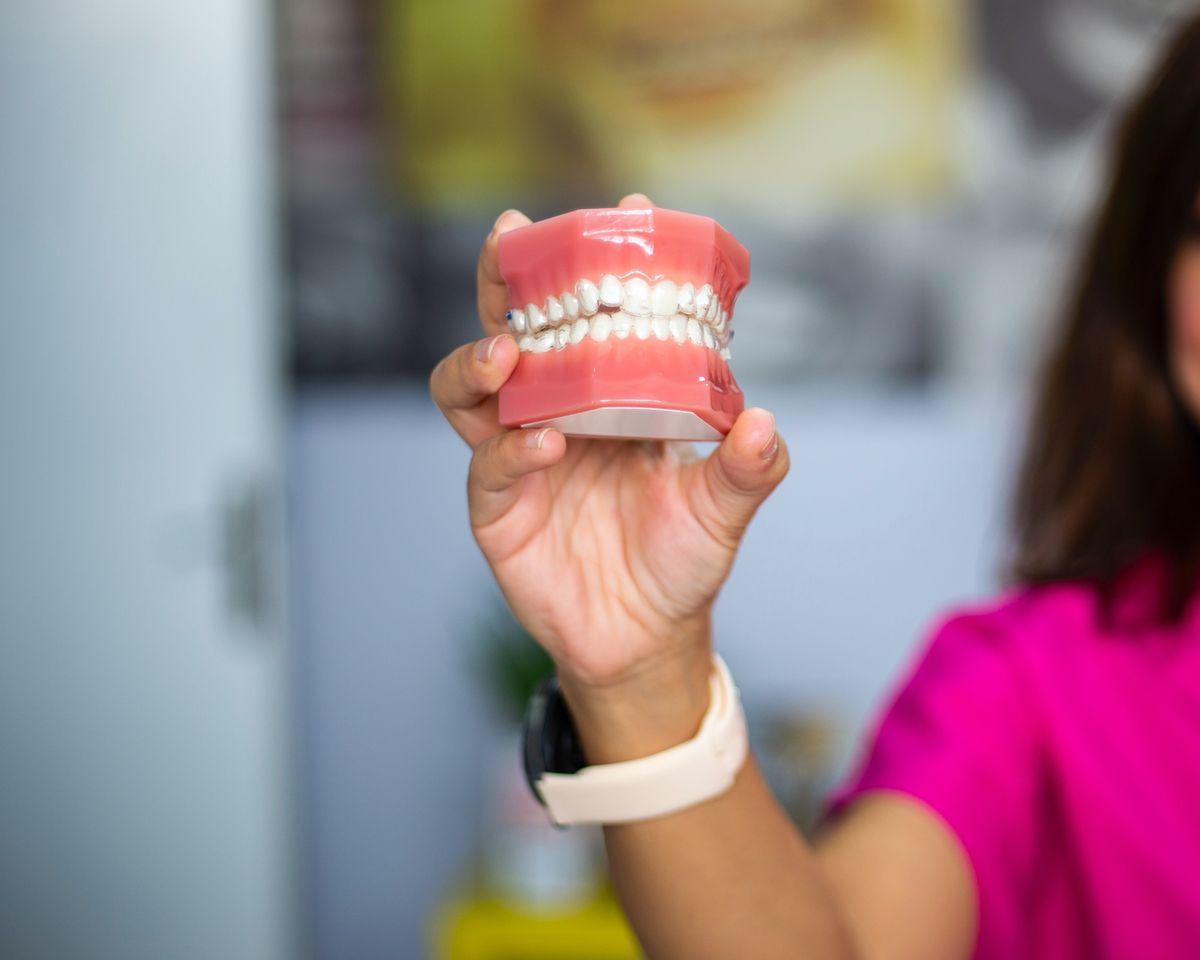
A single tooth denture is a removable appliance that replaces one missing tooth, using an artificial tooth attached to a small base that rests on the gums and clips to neighbouring teeth. It is commonly used right after an extraction, while waiting for an implant, or as an affordable long-term option when surgery is not preferred. Losing a single tooth is common and usually not urgent unless there is pain, swelling, or injury, and a full-service dental clinic in Tillsonburg can help you plan the best replacement.
A single tooth denture fills a gap quickly, protects your bite from shifting, and restores your smile without surgery. It must be removed for cleaning and does not preserve jawbone, so it is often a first step toward a fixed option such as an implant or bridge.
Timing matters. If a tooth must be removed, your dentist can sometimes prepare a single tooth denture in advance so it is fitted on the same day as the extraction, a design known as an immediate denture. Gentle extractions that protect the surrounding bone are carried out through our dental surgery services.
A removable tooth is not the only choice. Many patients later move to an implant-supported replacement tooth, which feels fixed and helps maintain bone. Planning both options together keeps the gap site healthy for future treatment.
Every mouth is different, so a single tooth denture should be designed around your bite, gums, and goals. You can read about our dentists who guide patients through tooth replacement decisions with clear, honest advice.
When Is a Single Tooth Denture the Right Choice?
A single tooth denture is often recommended in these situations:
- Immediately after an extraction: to avoid walking around with a visible gap while the gum heals
- During implant treatment: as a temporary tooth while the implant integrates with the bone
- When surgery is not suitable: due to medical conditions, medications, or personal preference
- When neighbouring teeth are healthy: to avoid crowning them for a bridge
- As a budget-conscious solution: when a quicker, simpler option is needed
- For children and teens: after a lost front tooth, until growth is complete and an implant can be placed
Immediate vs Conventional Single Tooth Dentures
Immediate Single Tooth Denture
Made before the tooth is removed and fitted on the same day. You never have a visible gap. Because the gum and bone change shape as they heal, this denture usually needs a reline or replacement after a few months.
Conventional Single Tooth Denture
Made after the gum has healed, usually several weeks to a few months after the extraction. It fits the healed ridge more accurately and tends to last longer before needing adjustment.
| Feature | Immediate denture | Conventional denture |
|---|---|---|
| When fitted | Same day as extraction | After healing |
| Visible gap | None | Possible during healing |
| Fit over time | Loosens as gum heals, needs reline | More stable |
| Best for | Front teeth and visible gaps | Long-term wear |
Front Tooth vs Back Tooth Replacement
For a missing front tooth, appearance and speech are the priority. Shade, shape, and discreet clasps matter most, and flexible materials with gum-coloured clasps are popular. For a back tooth, chewing strength matters more, so a cast metal framework that spreads forces across neighbouring teeth is often recommended. Some people choose not to replace a back tooth at all, but leaving a gap can let teeth drift and change your bite.
What Happens If You Do Not Replace a Single Missing Tooth?
One gap can affect your whole mouth over time:
Teeth drift
Neighbouring teeth tilt into the space, creating gaps and food traps.
Over-eruption
The opposing tooth can grow down or up into the gap.
Bite changes
Shifting teeth can change how your jaws meet, sometimes causing jaw discomfort.
Bone loss
The jawbone in the gap gradually shrinks without a tooth root to stimulate it.
Chewing strain
Favouring one side increases wear on other teeth.
Confidence
A visible gap can make people hide their smile.
How a Single Tooth Denture Is Made
- Examination and X-rays. The dentist checks the gap, gums, neighbouring teeth, and bite.
- Treatment planning. Options such as an implant, bridge, or denture are discussed, and the denture design is chosen.
- Impressions or scans. Accurate records of your teeth and bite are taken. For an immediate denture, this happens before the extraction.
- Shade and shape selection. The replacement tooth is matched to your natural teeth.
- Fabrication. A dental laboratory makes the denture to your models.
- Fitting. The denture is placed, checked for comfort and bite, and adjusted.
- Follow-up and relining. Short visits fine-tune fit, and relines are scheduled as the gum changes.

Materials Used for Single Tooth Dentures
| Material | Strengths | Considerations |
|---|---|---|
| Acrylic | Quick to make, easy to adjust or add to | Bulkier, can crack if dropped |
| Flexible resin | Comfortable, gum-coloured clasps, discreet | Harder to reline or repair |
| Cast metal framework | Slim, strong, very stable | Metal clasps may show on some teeth |
Single Tooth Denture vs Bridge vs Implant
| Factor | Single tooth denture | Bridge | Implant |
|---|---|---|---|
| Removable | Yes | No | No |
| Surgery | No | No | Yes |
| Neighbouring teeth | Clasps rest on them | Shaped for crowns | Untouched |
| Bone preservation | No | No | Yes |
| Time to complete | One to two weeks, same day if immediate | Two to three weeks | Several months |
| Daily care | Remove and clean | Clean under the bridge | Brush and floss like a natural tooth |
Each option can be the right answer. A single tooth denture is often the most flexible starting point, especially when you want time to plan a fixed solution.
Adjusting to Your New Denture
First Few Days
The denture may feel large, and your tongue will explore it constantly. Extra saliva and slight changes in speech are common. Start with soft foods and chew carefully.
First Few Weeks
Your mouth adapts and the denture starts to feel normal. Report any sore spots so the dentist can adjust them. If you had an immediate denture, expect it to loosen as the extraction site heals.
Long Term
Most people forget they are wearing it during everyday activities. Regular checkups keep the fit comfortable and protect the clasp teeth.
How to Care for a Single Tooth Denture
- Rinse after eating. Remove the denture and rinse off food particles.
- Brush it daily. Use a soft denture brush and non-abrasive cleaner rather than regular toothpaste.
- Soak overnight. Keep it moist in water or a recommended solution to prevent warping.
- Clean your natural teeth. Brush and floss carefully, especially the teeth that hold the clasps.
- Handle it gently. Clean over a towel or a basin of water to avoid breakage.
- Leave adjustments to your dentist. Bending clasps at home can break them or damage your teeth.
Myths About Single Tooth Dentures
How Long Does a Single Tooth Denture Last?
With good care, a single tooth denture can last several years. Acrylic designs are often used short term and replaced or upgraded, while flexible and metal designs typically last longer. Relines and clasp adjustments help maintain the fit as your gums change.
Single Tooth Dentures for Children and Teens
When a young person loses a front tooth to injury or is born without an adult tooth, an implant usually has to wait until jaw growth is complete, often in the late teens or early twenties. A single tooth denture keeps the smile complete and holds the space open during these years. It may need to be remade as the child grows, and it can sometimes be combined with orthodontic treatment. Regular checkups make sure it fits safely and does not interfere with developing teeth.
Signs Your Single Tooth Denture Needs Attention
- It rocks, lifts, or feels loose when you speak or chew
- A clasp feels sharp, bent, or no longer grips
- You notice sore spots, redness, or ulcers under the base
- The replacement tooth looks worn, chipped, or stained
- Food traps under the denture more than before
- A clasp tooth becomes sensitive or tender
Prompt adjustments prevent gum irritation and protect the natural teeth that support the denture.
Planning for a Fixed Replacement Later
If you hope to move to an implant in the future, tell your dentist early. Bone in the gap starts shrinking soon after an extraction, and preserving it with a graft at the time of removal can make future implant placement simpler. Your single tooth denture can be worn throughout healing, so the transition from removable to fixed happens without ever leaving a visible gap.
Single Tooth Replacement in Tillsonburg
Family Dentistry on Brock is a friendly dental office in Tillsonburg with a 5.0 Google rating from more than 252 patient reviews. We welcome new patients and accept the Canadian Dental Care Plan (CDCP) for eligible services. Our team provides restorative care, dental implants, clear aligners, veneers, laser treatment, teeth whitening, emergency care, sedation dentistry, dental surgery, and orthodontics.
Tooth replacement is planned by licensed dentists registered with the Royal College of Dental Surgeons of Ontario (RCDSO). Call +1 519-900-5640, email info@familydentistryonbrock.com, or visit 49 Brock St E, Tillsonburg, ON N4G 1Z7. We offer extended weekday hours, including Mondays until 7:00 PM, and Saturday appointments by booking.
Need to replace one tooth?
A consultation will show whether a single tooth denture, a bridge, or an implant fits your smile, timeline, and goals.
Frequently Asked Questions
Can I get a single tooth denture on the same day as an extraction?
Yes. An immediate denture can be made in advance and fitted right after the tooth is removed.
How long does it take to get used to a single tooth denture?
Most people adapt within one to two weeks, with speech and eating feeling normal soon after.
Can I eat normally with a single tooth denture?
Most foods are fine after a short adjustment period. Avoid very hard or sticky foods that could dislodge or crack it.
Is a single tooth denture better than an implant?
It is quicker and non-surgical, but an implant is fixed and preserves bone. The best choice depends on your health, goals, and timeline.
Will my single tooth denture need relining?
Often yes, especially after an extraction, because the gum and bone change shape as they heal.
Conclusion
A single tooth denture is a fast, non-surgical way to fill a gap and protect your bite. It works well immediately after an extraction, during implant treatment, or as a longer-term option. A dental assessment will help you choose the replacement that suits you best.