Does Smoking Affect Dental Implants?
Yes, smoking affects dental implants. Studies consistently show that people who smoke have a higher risk of implant failure, slower healing, and more bone loss around implants than non-smokers, with failure rates often reported at roughly double. Smoking does not automatically rule you out, but it is a serious risk factor rather than a minor one, so the best results come when patients reduce or stop smoking before and after dental implants in Tillsonburg.
Many smokers who are missing teeth worry that they will be turned away or judged. That is not the goal of an honest consultation. The aim is to explain how tobacco affects healing, give you a realistic picture of your chances, and help you take steps that protect your investment in your smile.
Implant success depends on the bone fusing to the implant surface and on healthy gum tissue sealing around it. Nicotine and the chemicals in smoke interfere with both. Long-term, this can lead to peri-implantitis, an infection around the implant that may be managed with deep cleaning or laser treatment when caught early.
Smoking also stains natural teeth, which can make new implant crowns look mismatched. Some patients choose professional teeth whitening before their crowns are made so the shade blends naturally. If implants are not the right fit, other restorative care options such as bridges and dentures are available, and you can book an appointment to compare them in person.
How Do Dental Implants Work?
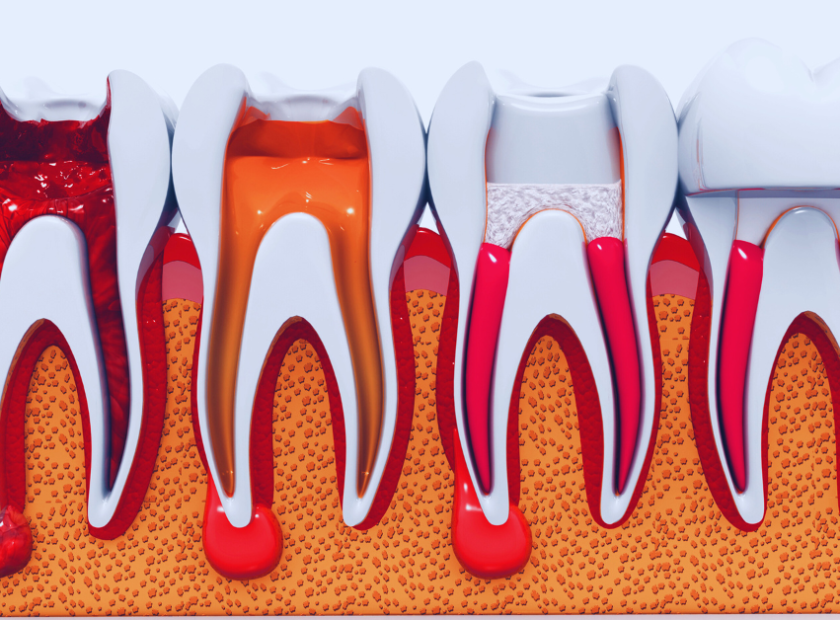
A dental implant is a titanium or zirconia post placed in the jawbone to replace a missing tooth root. Over several months, bone cells grow onto the implant surface, a process called osseointegration. Once the implant is stable, a crown, bridge, or denture is attached. The gum forms a tight seal around the implant, protecting the bone from bacteria.
How Does Smoking Harm Implants?
Reduced Blood Flow
Nicotine constricts blood vessels, reducing oxygen and nutrients to healing tissue. Bone and gum cells need a strong blood supply to repair and grow.
Impaired Immune Response
Smoking weakens the body’s ability to fight bacteria, increasing the risk of infection after surgery and around implants over time.
Heat and Chemical Exposure
Hot smoke and toxic chemicals such as carbon monoxide irritate the surgical site and reduce cell activity.
Bone Loss
Smokers tend to lose more bone around both natural teeth and implants, which can loosen implants years after placement.
Higher Risk of Peri-Implantitis
Peri-implantitis is inflammation and bone loss around an implant. Smoking is one of its strongest risk factors, along with gum disease history and poor plaque control.
Dry Socket and Delayed Healing
If an extraction is done before implant placement, smoking increases the risk of dry socket, a painful condition where the blood clot is lost.
Smokers vs Non-Smokers: Implant Outcomes
| Factor | Non-Smokers | Smokers |
|---|---|---|
| Early implant failure | Low | Higher, often about double |
| Healing speed | Typical | Slower |
| Bone loss around implant | Minimal with good care | Greater over time |
| Peri-implantitis risk | Lower | Significantly higher |
| Bone graft success | Higher | Lower |
| Long-term stability | Excellent | Good with strict care, reduced if heavy smoking |
Is Smoking a Common, Temporary, or Serious Problem for Implants?
Smoking is common among implant candidates, and its effects are serious but partly reversible. The risk is highest during the healing phase, but continued heavy smoking also threatens implants years later. Reducing smoking, especially around surgery, lowers risk meaningfully.
What About Vaping, Cannabis, and Nicotine Gum?
- Vaping: still delivers nicotine, which reduces blood flow. Research is newer, but vaping is not considered risk-free for implants.
- Cannabis smoking: involves heat and smoke, which can irritate surgical sites and dry the mouth.
- Nicotine patches or gum: avoid smoke and heat, which is better than smoking, but nicotine still affects blood vessels. Discuss timing with your dentist and physician.
Common Myths About Smoking and Implants
Myth: Smokers Cannot Get Implants
Many smokers receive implants successfully. Risk is higher, so planning and commitment to healing matter more.
Myth: Implants Cannot Get Gum Disease
Implants do not decay, but the tissue around them can become infected. Peri-implantitis is a real concern, especially for smokers.
Myth: Quitting for a Day Is Enough
Short breaks help a little, but research supports stopping at least one to two weeks before surgery and for at least eight weeks after for the best healing.
Myth: Implant Surgery Is Too Painful to Consider
Implant placement is done with local anaesthetic, and sedation is available for anxious patients. Most people describe the recovery as manageable.
How to Improve Implant Success If You Smoke
- Be honest at your consultation: share how much and how often you smoke.
- Stop before surgery: ideally at least two weeks prior.
- Stay smoke-free during healing: at least eight weeks, longer if possible.
- Treat gum disease first: healthy gums lower infection risk.
- Use support: talk to your physician or pharmacist about cessation aids.
- Keep impeccable hygiene: brush twice daily and clean around implants with interdental brushes or a water flosser.
- Attend maintenance visits: often every three to four months for smokers.
What Happens at an Implant Consultation?
- Review of your medical history, medications, and smoking habits.
- Examination of teeth, gums, and bite.
- Digital X-rays or 3D imaging to measure bone.
- Discussion of risks, benefits, and alternatives.
- A personal plan that may include gum treatment, bone grafting, and a smoking reduction strategy.
Safety note: Smoking raises the risk of oral cancer and gum disease regardless of implants. Report any sore, white or red patch, or lump in the mouth that lasts more than two weeks. This article provides general information and is not a substitute for an assessment by a licensed dental professional registered with the Royal College of Dental Surgeons of Ontario (RCDSO).
Warning Signs of Implant Problems
- Bleeding or swelling around the implant.
- Pus or a bad taste.
- Pain when chewing.
- Gum recession exposing metal.
- Any movement of the implant crown.
What Happens to Your Body When You Stop Smoking Before Surgery?
The benefits begin quickly, which is why even a short smoke-free period before implant placement helps:
- Within 12 to 24 hours: carbon monoxide levels in the blood drop, allowing more oxygen to reach tissues.
- Within a few days: blood vessels begin to relax and circulation to the gums improves.
- Within two to three weeks: immune cell function starts to recover, lowering infection risk.
- Within several months: gum health improves noticeably and long-term bone loss risk declines.
Bone Grafting and Smoking
Many implant patients need a bone graft to rebuild volume where a tooth was lost. Grafts depend heavily on blood supply to bring in new bone-forming cells, so smoking can reduce graft success. If you need grafting, your dentist may recommend a longer smoke-free period, a staged approach where the graft heals before the implant is placed, or a different replacement option altogether.
Implant Aftercare Plan for Smokers and Former Smokers
- First 72 hours: no smoking or vaping, soft cool foods, gentle salt water rinses as instructed.
- First two weeks: avoid suction actions such as straws and smoking; keep the area clean.
- Weeks 3 to 12: continue avoiding tobacco while bone integrates with the implant.
- After the crown is placed: brush twice daily, clean between teeth, and use a water flosser around implants.
- Every 3 to 4 months: professional maintenance to remove plaque and check bone levels.
- Yearly: X-rays as recommended to monitor bone around the implant.
Alternatives If Implants Are Not Recommended
| Option | Benefits | Considerations |
|---|---|---|
| Fixed bridge | No surgery, quick to place | Neighbouring teeth are reshaped |
| Partial denture | Non-invasive, adaptable | Removable, less stable |
| Full denture | Replaces all teeth in an arch | May move while eating, bone loss continues |
| Implant later | Allows time to quit smoking first | Bone may shrink in the meantime |
Real Patient Scenarios
A long-time smoker in his fifties needed a lower molar implant. He stopped smoking two weeks before surgery using nicotine replacement and stayed smoke-free for three months. The implant integrated well, and he continued to cut down afterward. Another patient continued smoking heavily after implant placement and developed inflammation and bone loss around the implant within two years. Early laser-assisted cleaning and better home care stabilized the area, but the case highlights how important habits are.
Who Is a Good Candidate for Implants Despite Smoking?
- Light smokers willing to stop before and after surgery.
- Patients with healthy or treated gums and adequate bone.
- People who commit to excellent daily hygiene and regular maintenance.
- Those whose other health conditions, such as diabetes, are well controlled.
Heavy smokers who cannot reduce tobacco use, especially those with active gum disease or poor bone quality, may be advised to consider another option first or to delay implants until they have cut back.
Common Mistakes to Avoid
- Hiding smoking habits from the dental team.
- Smoking within hours of surgery.
- Skipping maintenance cleanings.
- Ignoring bleeding gums around implants.
- Assuming implants need less care than natural teeth.
Smoking, Gum Disease, and Tooth Loss: The Bigger Picture
Many people who need implants lost their teeth because of gum disease, and smoking is one of the strongest risk factors for gum disease in the first place. Smokers are significantly more likely to develop periodontitis, and their gums often bleed less, which hides early warning signs. This means the same habits that led to tooth loss can threaten the implant that replaces it. Treating gum disease, controlling plaque, and reducing tobacco use together create the healthiest foundation for any tooth replacement.
Tips to Help You Quit or Cut Back
- Set a quit date that falls at least two weeks before your surgery.
- Ask your physician or pharmacist about nicotine replacement or prescription aids.
- Contact free provincial support services such as Ontario quit lines or programs.
- Identify triggers like coffee breaks or driving and plan substitutes.
- Keep sugar-free gum or water nearby to occupy your mouth, if your dentist approves after surgery.
- Share your goal with family and your dental team for encouragement.
Every cigarette you avoid during healing gives your implant a better chance to succeed.
Experienced Implant Care in Tillsonburg
When choosing a dentist in Tillsonburg for implants, look for licensed professionals who use thorough diagnostics, discuss risks openly, and provide long-term maintenance. Proper assessment and follow-up support are what keep implants healthy for decades.
Family Dentistry on Brock is one of the most trusted options for patients searching for the best dental clinic in Tillsonburg, with a 5.0 Google rating and 252+ patient reviews. The clinic accepts new patients and CDCP patients, and offers dental implants, clear aligners, restorative care, dental veneers, laser treatment, teeth whitening, dental emergency care, sedation dentistry, dental surgery, and orthodontics.
Weekday hours extend until 7:00 PM on Mondays, and Saturday visits are available by appointment. Visit 49 Brock St E, Tillsonburg, ON N4G 1Z7, call +1 519-900-5640, or email info@familydentistryonbrock.com to discuss whether implants are right for you.
Frequently Asked Questions
How long should I stop smoking before dental implant surgery?
Most dentists recommend stopping at least one to two weeks before surgery and staying smoke-free for at least eight weeks afterward.
Can smoking cause an implant to fail years later?
Yes. Smoking increases the risk of peri-implantitis and bone loss, which can lead to late implant failure.
Is vaping safer than smoking for implants?
Vaping avoids smoke and heat but still contains nicotine, which affects blood flow. It is not considered risk-free.
Will my dentist refuse implants if I smoke?
Not usually. Your dentist will explain the risks and help you plan steps to improve success.
Do implants stain like natural teeth?
Porcelain and zirconia crowns resist stains better than natural enamel, but the surrounding teeth and gums can still be affected by smoking.
Conclusion
Smoking increases the risk of implant failure, slow healing, and bone loss around implants.
Stopping before and after surgery, keeping gums healthy, and regular maintenance improve success.
An honest consultation helps you understand your options and protect your new smile.