Single Tooth Partial Denture

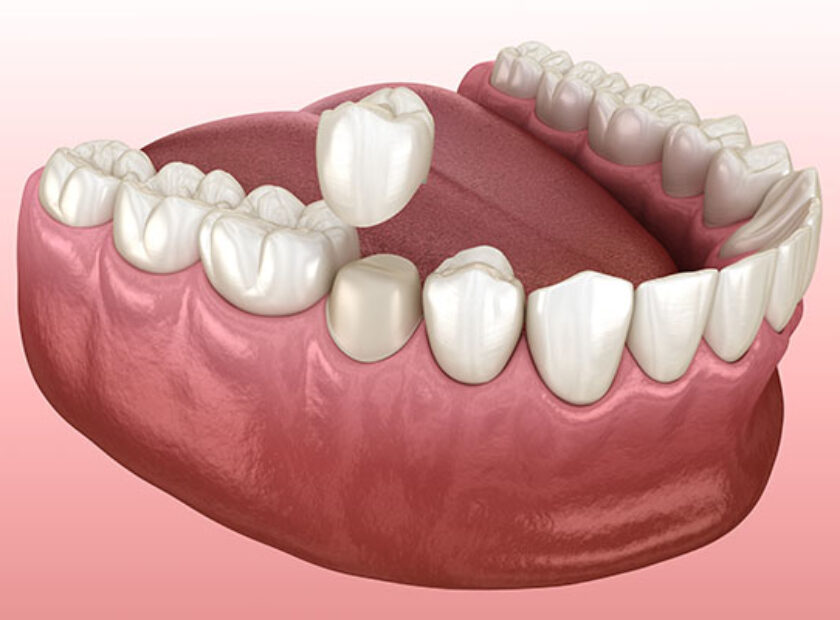
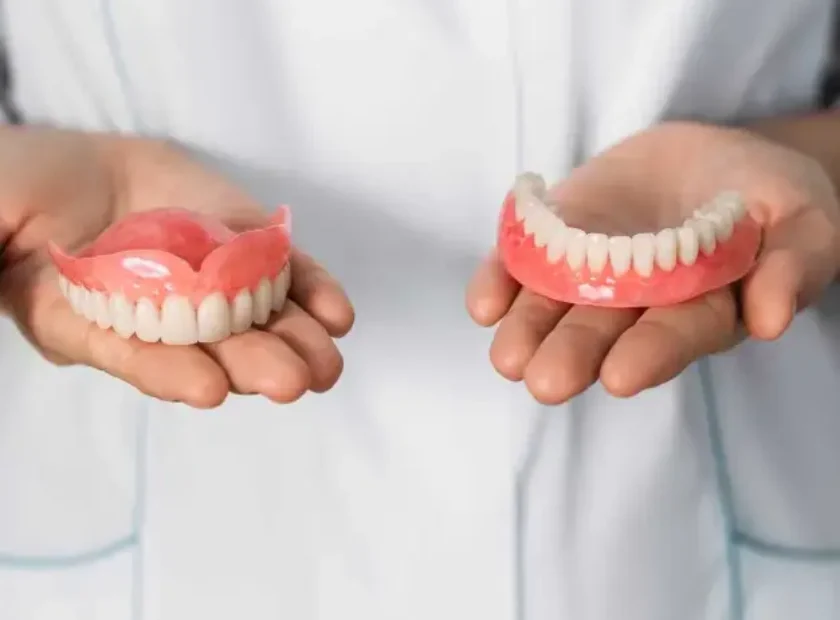
A single tooth partial denture is a small removable appliance that replaces one missing tooth with an artificial tooth attached to a gum-coloured base, held in place by clasps or a flexible edge that grips neighbouring teeth. It is a quick, non-surgical, and budget-friendly way to fill a gap, often used while waiting for an implant or when a fixed option is not suitable. Losing one tooth is very common, and the gap is very treatable, so a visit to a trusted dental office in Tillsonburg will help you compare this option with bridges and implants.
Single tooth partials come in three main styles: acrylic flippers, flexible nylon partials, and cast metal partials. They are removable and do not require drilling neighbouring teeth. Implants and bridges are fixed alternatives with different benefits and trade-offs.
Many patients use a single tooth partial as a temporary solution while healing after an extraction, before a dental implant is placed or restored.
Others choose it as a longer-term option when neighbouring teeth are healthy and they prefer not to have them reshaped for a bridge, which is another common form of restorative care.
You can explore all tooth replacement and preventive options on the clinic’s dentistry services page before your consultation.
Why Replace a Single Missing Tooth?
It can be tempting to leave a single gap alone, especially if it is at the back of the mouth. However, a missing tooth affects more than appearance. The teeth on either side may slowly tip or drift into the space, and the opposing tooth can grow longer into the gap because it no longer has anything to bite against. These changes can alter your bite, create new food traps, and make cleaning harder. Over time, the bone where the tooth was lost also shrinks. Replacing the tooth, even with a simple partial, helps maintain the space and support your bite.
Types of Single Tooth Partial Dentures
Acrylic flipper
A lightweight acrylic plate with one tooth and small wire clasps. Quick to make and often used as a temporary solution.
Flexible partial
Made from a nylon-based material with gum-coloured clasps. Metal-free, comfortable, and discreet.
Cast metal partial
A thin metal framework with one acrylic tooth. Strong and stable, suited to longer-term use.
Single Tooth Partial vs Bridge vs Implant
| Factor | Single tooth partial | Bridge | Implant |
|---|---|---|---|
| Removable | Yes | No | No |
| Surgery | No | No | Yes |
| Neighbouring teeth reshaped | No | Usually yes | No |
| Speed | Days to a few weeks | A few weeks | Several months including healing |
| Bone preservation | No | No | Helps preserve bone |
| Daily care | Remove and clean | Floss under the bridge | Brush and floss like a natural tooth |
| Feel | Noticeable at first | Fixed and stable | Closest to a natural tooth |
Pros and Cons of a Single Tooth Partial
The biggest advantages are speed, simplicity, and the fact that no healthy teeth need to be drilled. A single tooth partial can often be made in days, and in some cases it can be ready on the same day as an extraction. It is also a lower-cost option compared with fixed treatments. On the other hand, it is removable, so it needs to be taken out for cleaning and at night, and it may feel bulkier than a fixed tooth. Small acrylic partials can also be fragile and may need replacing sooner than other options.
How a Single Tooth Partial Is Made
- Examination. The dentist checks the gap, neighbouring teeth, gums, and bite.
- Impressions. Moulds or scans of your teeth are taken.
- Shade and tooth selection. A tooth is chosen to match your smile.
- Fabrication. The lab creates the partial using the selected material.
- Fitting. The partial is placed, adjusted for comfort, and you learn how to insert and remove it.
- Follow-up. A short visit addresses any rubbing or tightness.
Myths About Single Tooth Partials
Front Tooth vs Back Tooth: Does Location Matter?
The position of the missing tooth affects which partial design works best. For a front tooth, appearance is the top priority, so flexible partials or carefully designed acrylic partials with discreet clasps are common choices. The replacement tooth must match its neighbours in shade, size, and shape, and the gum section must blend with your natural gumline.
For a back tooth, chewing function and stability matter more. Back teeth take strong biting forces, so the partial must be secure enough not to tip or loosen while you chew. A very small partial that replaces only one back tooth on one side can be less stable, and in some cases the dentist may recommend a design that extends across the palate or behind the lower teeth to the other side for extra support. This makes the partial larger, but much safer and more comfortable to use.
Upper vs Lower Single Tooth Partials
An upper single tooth partial often uses a small plate on the palate for support, which helps it stay in place. A lower single tooth partial sits behind the lower teeth, where space is limited by the tongue. Lower designs are usually kept slim and may use a thin metal bar or flexible material for comfort. Both types can be made to look natural, but they feel different in the mouth, and your dentist will explain what to expect for your situation.
Is a Single Tooth Partial Right for You?
Often a good fit if
You need a quick or temporary solution, prefer not to have surgery, want to avoid reshaping healthy teeth, or are waiting for implant healing.
Other options may suit better if
You want a fixed tooth, have enough bone for an implant, or your neighbouring teeth already need crowns for a bridge.
Daily Care for a Single Tooth Partial
- Remove it after meals. Rinse the partial and your mouth to remove food particles.
- Brush it gently each day. Use a soft denture brush and non-abrasive cleanser.
- Clean the neighbouring teeth well. Pay extra attention where the clasps touch.
- Store it safely at night. Keep it in a labelled case with water or soaking solution.
- Check it regularly. Look for cracks, loose clasps, or rough edges.
Making the Transition to an Implant
Many people wear a single tooth partial while preparing for an implant. After the tooth is removed, the bone and gums need time to heal before an implant can be placed, and then the implant needs more time to bond with the bone. During these months, the partial keeps your smile complete and holds the space open. Your dentist may adjust or reline the partial as the gums change. Once the implant is restored with a permanent crown, the partial is no longer needed, though some people keep it as a backup.
Cost and Coverage Considerations
Single tooth partials are often one of the more affordable ways to replace a tooth. Many private dental plans include partial dentures under prosthetic or major services, and the Canadian Dental Care Plan also includes coverage for removable prosthetics for eligible members. Coverage rules vary, so asking the clinic to submit a predetermination is the easiest way to understand your costs before treatment begins.
What to Expect in the First Weeks
Even a small partial can feel noticeable at first. Your tongue will explore the edges, and you may notice extra saliva for a day or two. Speech usually feels normal quickly, especially if the partial replaces a back tooth. Mild pressure on the neighbouring teeth from the clasps is common and should settle. If you notice sharp rubbing, sore gums, or a partial that feels loose, return for an adjustment rather than putting up with discomfort. Within a couple of weeks, most people find the partial has become part of their daily routine and they barely think about it while eating, speaking, or smiling.
Signs Your Partial Needs Attention
- It moves when you speak or chew
- Clasps feel loose or the partial lifts easily
- You notice cracks, chips, or rough edges
- The gums under the partial look red or feel sore
- The neighbouring teeth feel sensitive
These issues are usually simple to fix with an adjustment, repair, or reline, and addressing them early keeps the partial safe and comfortable.
Support From a Top Dentist in Tillsonburg
Patients rate Family Dentistry on Brock 5.0 on Google across 252+ reviews, making it one of the top dental offices in Tillsonburg. The practice welcomes new patients, accepts CDCP (Canadian Dental Care Plan) patients, and offers dental implants, clear aligners, restorative care, veneers, laser treatment, teeth whitening, dental emergency care, sedation dentistry, dental surgery, and orthodontics.
Talk to the team before you decide
Call +1 519-900-5640 or email info@familydentistryonbrock.com. The office is located at 49 Brock St E, Tillsonburg, ON N4G 1Z7, with Monday hours until 7:00 PM and Saturday appointments available on request.
Frequently Asked Questions
How long does a single tooth partial denture last?
Acrylic partials may last a few years, while cast metal partials often last longer with good care.
Can I eat with a single tooth partial?
Yes. Start with softer foods and avoid biting hard items directly on the replacement tooth.
Is a single tooth partial comfortable?
Most people adjust within one to two weeks. Small adjustments can relieve any rubbing.
Can I get a single tooth partial right after an extraction?
Often yes. An immediate partial can be prepared before the tooth is removed.
Should I choose a partial or an implant for one tooth?
It depends on your health, bone, budget, and goals. Many people use a partial first, then move to an implant.
Conclusion
A single tooth partial denture is a fast, non-surgical way to replace one missing tooth and protect your bite. It works well as a temporary or longer-term option, depending on the design you choose. A professional assessment helps you weigh a partial against a bridge or implant for your smile.