
Partial Denture For One Tooth A Simple Yet Effective Solution

A partial denture for one tooth is a simple yet effective solution because it fills a gap quickly, protects your bite, and restores your smile without surgery or drilling neighbouring teeth. It is light, removable, and usually one of the most affordable ways to replace a single tooth. Many people use it while waiting for an implant, while others wear it longer term. Losing a single tooth is common and very fixable, and a short visit to a trusted dental clinic in Tillsonburg is often all it takes to start the process.
It is quick to make, comfortable once you adjust, easy to clean, and keeps nearby teeth from drifting into the space. It can be ready soon after an extraction, and it does not close the door on future options like implants or bridges.
When a tooth must be removed as part of dental surgery, a one-tooth partial can often be prepared in advance so you never have to leave the clinic with a visible gap.
For patients planning a dental implant later, the partial keeps the space open and your smile complete throughout the healing period.
It also fits neatly into a wider restorative care plan, alongside fillings, crowns, or cleanings that keep your remaining teeth healthy.
The Simplicity Advantage
Many tooth replacement options involve multiple stages. Implants require surgery and several months of healing. Bridges involve reshaping healthy teeth on either side of the gap. A partial denture for one tooth avoids both. In most cases, it requires only an exam, impressions, and a fitting appointment. Some designs can be completed within days. This simplicity makes it a practical choice for people who need a quick solution, want to avoid surgery, or are not yet ready to commit to a more involved treatment.
How a One-Tooth Partial Protects Your Mouth
A single gap may seem small, but it can lead to bigger changes over time. Teeth naturally move toward empty spaces. The neighbouring teeth may tilt, and the tooth above or below the gap can slowly grow into it. These shifts can create new food traps, change how your teeth meet when you bite, and make cleaning more difficult. A one-tooth partial holds the space, keeping your teeth in their proper positions until you decide on a long-term plan.
Holds the space
Prevents neighbouring teeth from tipping into the gap.
Supports your bite
Helps maintain balanced chewing on both sides.
Restores your smile
Fills visible gaps quickly and naturally.
Keeps options open
Works as a stepping stone to implants or bridges.
Who Benefits Most From a One-Tooth Partial?
- People who need a quick replacement after an unexpected tooth loss
- Patients waiting for an implant to heal
- Those whose neighbouring teeth are healthy and should not be reshaped
- People who prefer a non-surgical approach
- Young adults whose jaws are still developing and are not yet ready for implants
- Anyone looking for an affordable option while planning longer-term treatment
Comparing Simple Tooth Replacement Options
| Option | Time to complete | Invasiveness | Best for |
|---|---|---|---|
| One-tooth partial denture | Days to a few weeks | Non-surgical, no drilling of neighbours | Quick, flexible, affordable replacement |
| Bonded bridge | A few weeks | Minimal preparation on neighbouring teeth | Fixed option for a front tooth with healthy neighbours |
| Traditional bridge | A few weeks | Neighbouring teeth are crowned | When adjacent teeth already need crowns |
| Implant | Several months | Surgical | Long-term, fixed replacement that supports bone |
Getting Your One-Tooth Partial: Step by Step
- Consultation. Your dentist examines the gap and discusses your goals.
- Impressions. Quick moulds or scans of your teeth are taken.
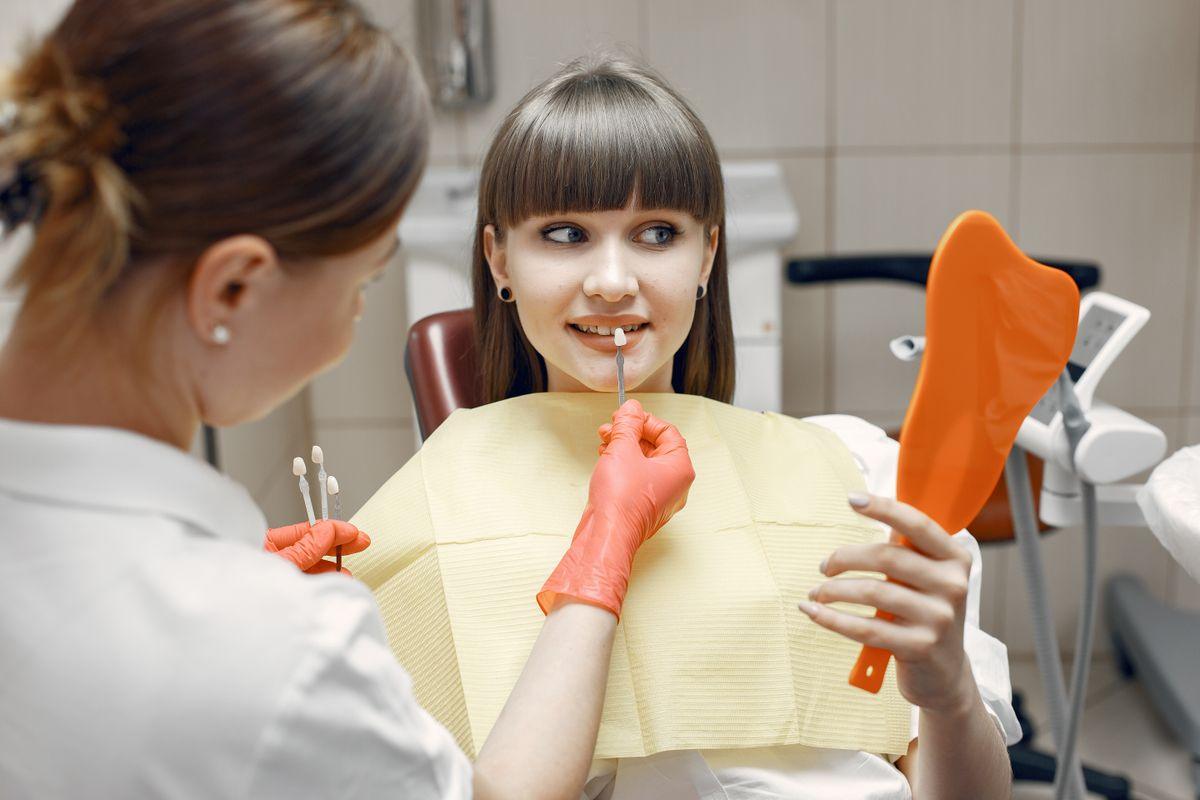
- Shade selection. A tooth is chosen to match your smile.
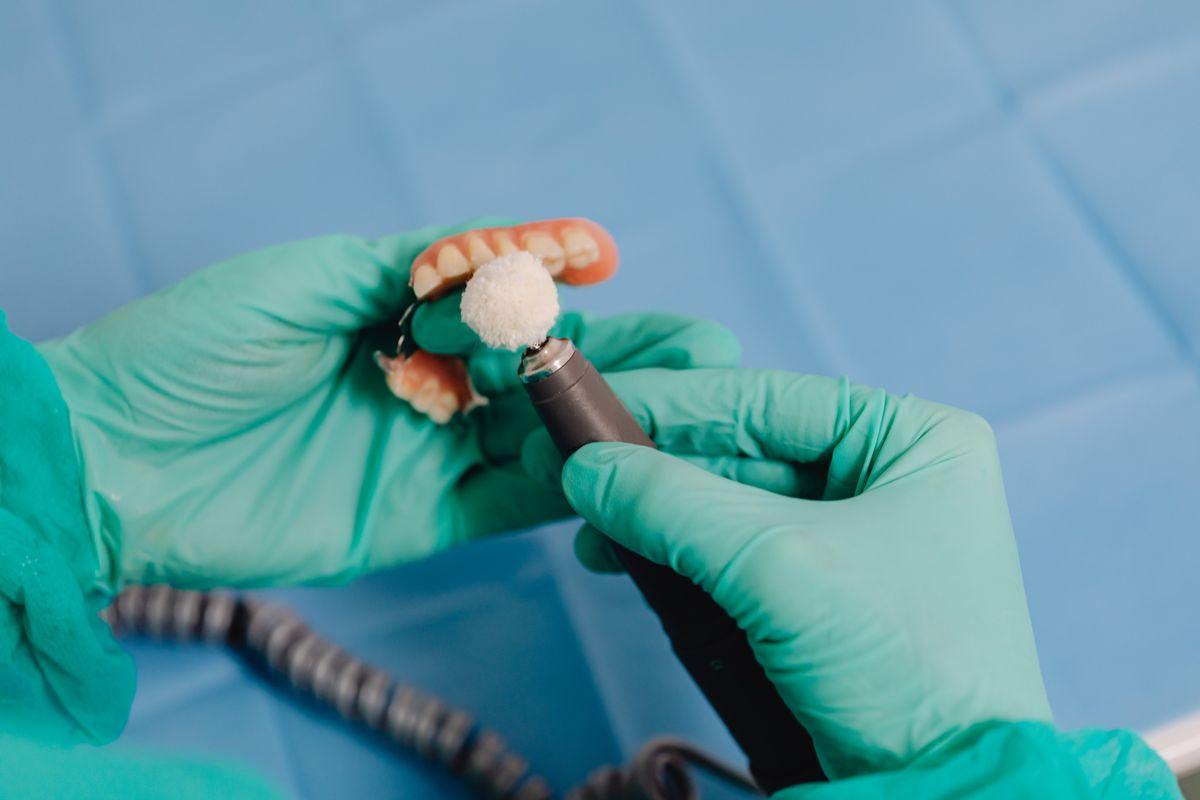
- Fabrication. The lab creates your partial.
- Fitting. The partial is adjusted for comfort, and you learn how to insert and remove it.
- Quick follow-up. Any sore spots or tight clasps are adjusted.
Myths About One-Tooth Partials
Choosing the Right Material for One Tooth
Even for a single tooth, there are several design choices. An acrylic partial, sometimes called a flipper, is lightweight and quick to make, which is why it is often used for short-term needs. A flexible partial uses a thin, slightly bendable material with gum-coloured clasps, giving a discreet, metal-free look that many people find comfortable. A cast metal partial uses a thin, strong framework that is very stable and durable, which can be helpful for a back tooth or for longer-term use. Your dentist will recommend the best option based on where the gap is, how long you plan to wear the partial, and how your bite works.
Comfort Tips for the First Few Days
New partials can feel a little unusual at first, even when they replace only one tooth. Your tongue will notice the edges, and you may produce extra saliva while your mouth adapts. These feelings usually fade within days. Start with soft foods cut into small pieces, chew on both sides, and avoid biting into hard foods with the replacement tooth. Practising speaking aloud helps if the partial is near the front of your mouth. If a spot feels sore or the clasps feel too tight, a quick adjustment is usually all that is needed.
Keeping It Clean and Comfortable
- Rinse after meals. Remove and rinse the partial to clear food particles.
- Brush it daily. Use a soft brush and non-abrasive denture cleanser.
- Clean your natural teeth thoroughly. Focus on teeth that hold the clasps.
- Soak overnight. Store the partial in water or a soaking solution.
- Keep it safe. Use a labelled case when it is out of your mouth.
Planning Your Next Step
For some people, a one-tooth partial is the perfect long-term solution. It works well, it is easy to maintain, and it meets their needs. For others, it is a practical bridge while they prepare for an implant or another fixed option. There is no wrong choice, as long as the gap is addressed and your remaining teeth stay healthy. Regular checkups give you the chance to review how the partial is working and talk through future options with your dentist whenever you are ready.
Cost and Coverage
A partial denture for one tooth is often one of the more budget-friendly replacement options. Many dental plans include partial dentures, and the Canadian Dental Care Plan covers removable prosthetics for eligible members. Family Dentistry on Brock accepts CDCP patients and can help you check your coverage before treatment, so you know what to expect.
Front Tooth or Back Tooth: Practical Differences
A one-tooth partial for a front tooth focuses on appearance. The replacement tooth needs to match its neighbours closely, and clasps are placed or designed so they are hard to see. A one-tooth partial for a back tooth focuses on stability and chewing comfort, and may extend a little further across the mouth for better support. Both can work very well, but they feel slightly different, so your dentist will explain what to expect for your gap.
Signs It Is Time for a Check
- The partial feels loose or lifts when you talk
- You notice cracks, rough edges, or a chipped tooth
- Clasps feel bent or no longer grip properly
- Your gums look red or feel sore under the partial
- The neighbouring teeth feel sensitive or look different
Small problems are usually quick to fix. Addressing them early keeps your partial comfortable, protects your natural teeth, and ensures this simple solution continues to work effectively for as long as you need it.
Real-Life Situations Where a One-Tooth Partial Helps
Imagine cracking a front tooth a week before a family wedding, or needing an extraction right before a job interview. In situations like these, a one-tooth partial can restore your smile quickly while you take time to consider long-term options. It is also helpful for people who travel often, students who are not yet ready for implant treatment, and anyone who simply wants a dependable, easy-to-manage solution. Its flexibility is a big part of why so many patients find it a simple yet effective choice.
Trusted Care at the Best Dental Clinic in Tillsonburg
Known for a 5.0 Google rating and 252+ patient reviews, Family Dentistry on Brock is a trusted choice for families across Tillsonburg. The clinic accepts new patients and CDCP (Canadian Dental Care Plan) patients and offers dental implants, clear aligners, restorative care, veneers, laser treatment, teeth whitening, dental emergency care, sedation dentistry, dental surgery, and orthodontics.
Ready to take the next step?
Contact the clinic at +1 519-900-5640 or info@familydentistryonbrock.com, or come in to 49 Brock St E, Tillsonburg, ON N4G 1Z7. Monday hours extend to 7:00 PM, and Saturdays are available by appointment.
Frequently Asked Questions
How quickly can I get a partial denture for one tooth?
Simple designs can often be made within days to a couple of weeks, and sometimes prepared before an extraction.
Is a one-tooth partial noticeable?
With good shade matching and discreet clasps, most people will not notice it.
Can I eat normally with a one-tooth partial?
Yes, after a short adjustment period. Avoid biting very hard foods directly on the replacement tooth.
How long will a one-tooth partial last?
It can last several years with good care, though some designs are intended as temporary solutions.
Do I need to remove it at night?
Yes, removing it at night lets your gums rest and keeps the partial clean.
Conclusion
A partial denture for one tooth is a simple, effective way to fill a gap, protect your bite, and keep your smile complete. It is quick to make, non-surgical, and keeps future options like implants open. A consultation helps you decide whether it is the right short-term or long-term solution for you.


