
Pictures Of Bad Dentures

Pictures of bad dentures usually show teeth that are worn flat, stained, or chipped, a pink base that is cracked or discoloured, dentures that sit too low or too high, and a face that looks collapsed around the mouth. In the mouth, poorly fitting dentures may show gaps between the denture and gums, teeth that do not line up with the centre of the face, or a smile that looks too white and uniform to be natural. These problems are very common with older or poorly made dentures, and most can be fixed. A professional assessment at a trusted dental clinic in Tillsonburg will show whether your dentures need an adjustment, reline, repair, or replacement.
Flattened or worn teeth, heavy staining, cracks, a loose fit that needs lots of adhesive, sore spots, clicking, a sunken lower face, teeth that look too large or too small, and an unnatural bright white shade.
Many fit and comfort problems can be corrected with routine restorative care such as relines and rebases, while worn or poorly designed dentures may need to be remade.
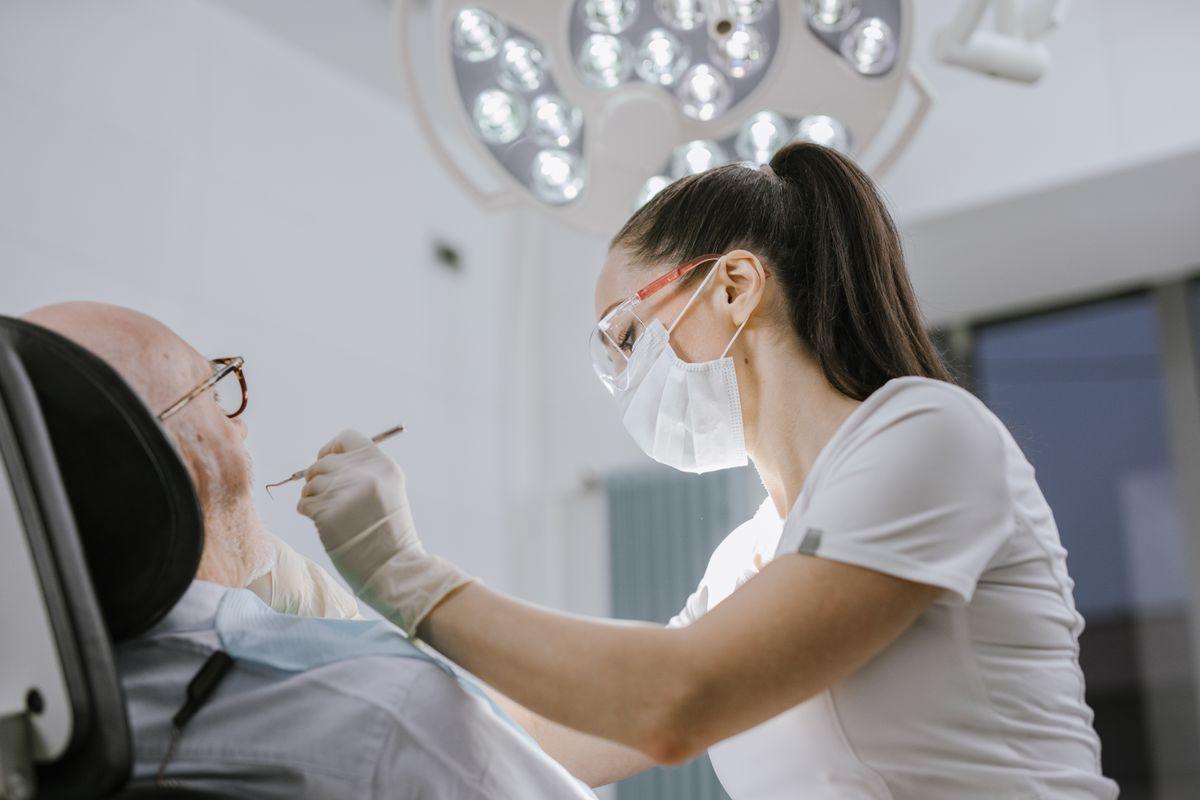
For people who have struggled with loose dentures for years, implant-supported dentures can offer a stable, confident alternative.
If a denture has broken or is causing painful sores, prompt urgent dental care is safer than wearing it or trying a home fix.
What Makes Dentures Look Bad in Photos?
When people share pictures of dentures that look wrong, the problems usually fall into a few categories. Appearance problems include teeth that are too white, too large, too even, or the wrong shape for the face. Fit problems show up as visible gaps, dentures that drop or tilt, or too much pink base showing. Age-related problems include worn teeth, stains, and cracks after years of use. Facial problems appear as sunken lips, deep folds around the mouth, or a chin that seems too close to the nose because the dentures no longer hold the correct height.
| Problem seen in pictures | Likely cause | Common fix |
|---|---|---|
| Teeth look short or flat | Years of wear on acrylic teeth | New teeth or a new denture |
| Face looks collapsed | Bone loss and worn teeth reducing face height | New denture with correct vertical height |
| Gaps between denture and gums | Gum and bone shrinkage | Reline or new denture |
| Too much pink showing | Poor tooth position or denture design | Redesign of tooth arrangement |
| Very white, uniform teeth | Stock teeth chosen without personalisation | New denture with natural shading and arrangement |
| Brown or yellow stains | Coffee, tea, tobacco, poor cleaning | Professional cleaning and polishing |
| Visible cracks | Drops, stress, or old acrylic | Repair or replacement |
| Midline shifted | Poor setup or denture movement | Adjustment or new denture |
Health Problems Linked to Bad Dentures
Bad dentures are not only a cosmetic concern. A denture that rocks or rubs can cause painful ulcers, irritated gums, and overgrown tissue along the edges. Uneven pressure may speed up bone loss in some areas. Poor fit can make chewing difficult, which may lead people to avoid healthy foods like vegetables and lean proteins. Plaque and yeast build up on dentures that are not cleaned well, contributing to denture stomatitis and bad breath. Cracks in the acrylic can trap bacteria and irritate the tongue and cheeks.
Sores and ulcers
From rubbing, pressure points, and sharp edges.
Chewing problems
Leading to a limited diet and poor nutrition.
Jaw discomfort
From an uneven or collapsed bite.
Infections
Yeast and bacteria on poorly cleaned or cracked dentures.
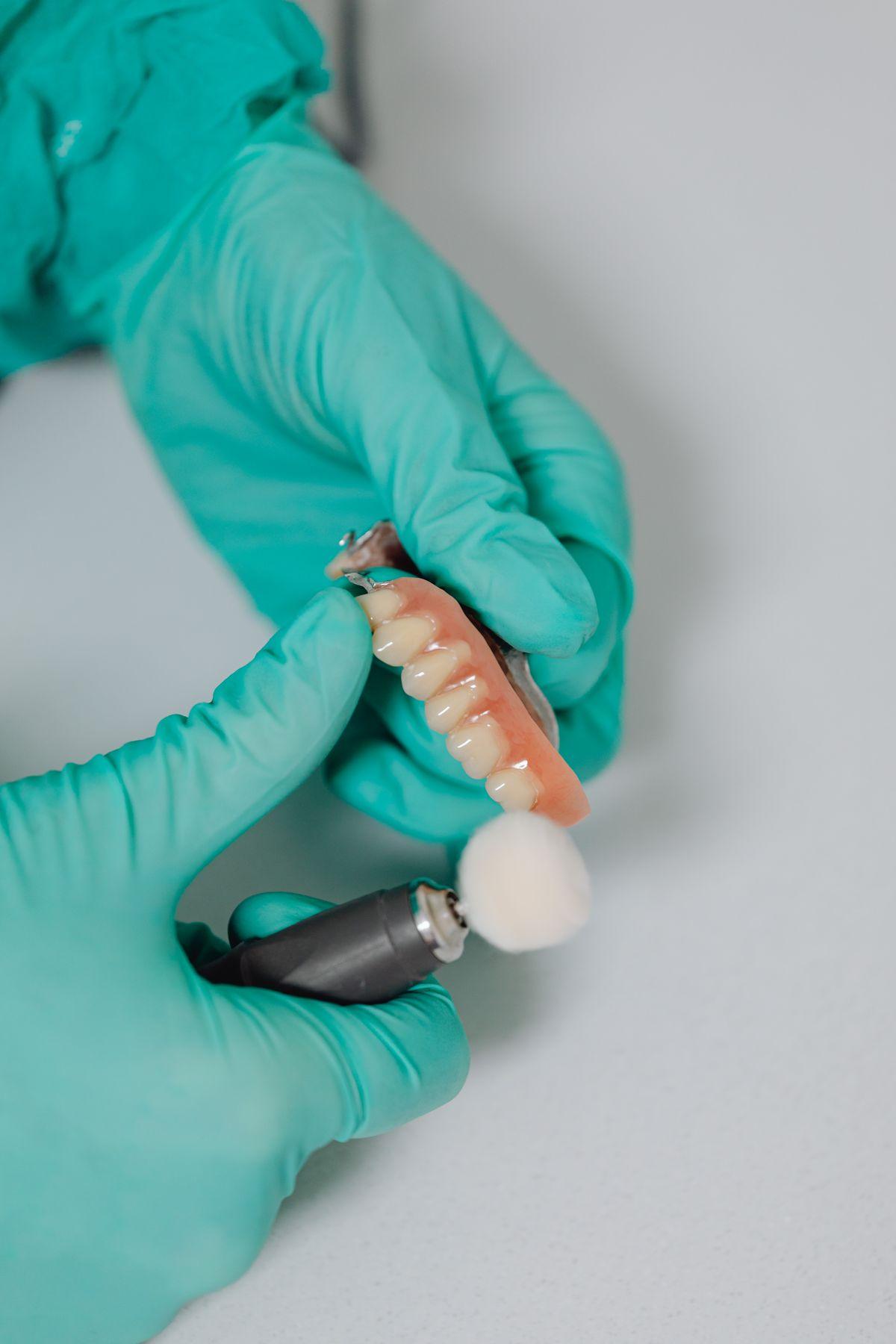
How Dentists Fix Bad Dentures
- Assessment. The dentist examines your gums, bite, and dentures to identify the main problems.
- Cleaning and polishing. Stains and plaque are removed to restore a smooth surface.
- Adjustments. Rough spots and pressure areas are relieved.
- Repairs. Cracks are mended and broken teeth replaced.
- Reline or rebase. The fitting surface or base is renewed to match your gums.
- New dentures. When teeth are worn and the bite has collapsed, a new denture is made with fresh measurements.
- Implant options. For long-term stability, implants can be added to support the denture.
Myths About Bad Dentures
Why Dentures Go Bad Over Time
Even the best dentures change as the years pass. The jawbone and gums beneath a denture gradually shrink after teeth are lost, while the acrylic denture stays the same shape. This mismatch creates gaps that lead to movement, rubbing, and food trapping. At the same time, acrylic teeth wear down with every meal. As they flatten, the bite closes and the lower face loses height, which is why older dentures can make a person look older than they are. Daily exposure to coffee, tea, and food pigments slowly stains the acrylic, and small scratches from brushing with regular toothpaste make it easier for stains to settle. Accidental drops and nightly grinding can create cracks that weaken the denture further.
None of this means you did anything wrong. It is simply the natural life cycle of a denture. The key is recognising the signs early so small problems can be fixed before they become painful or affect your health.
How to Check Your Own Dentures at Home
- Look at the teeth. Are the biting surfaces flat compared with when the dentures were new?
- Check the colour. Are there stains that remain after a thorough cleaning?
- Inspect the base. Hold the denture up to the light and look for fine cracks or rough areas.
- Test the fit. Does the denture move when you speak, or do you need more adhesive than before?
- Examine your gums. After removing the denture, look for red, white, or sore areas.
- Compare old photos. Look at pictures from when you first got the dentures to see if your face looks different.
Badly Designed vs Worn-Out Dentures
Some dentures look bad because they were not well designed in the first place. Signs include teeth that were never the right size or shade, a midline that was always off-centre, or a denture that never fitted comfortably even when new. Other dentures were good at first but have simply reached the end of their life. Understanding which applies to you helps set expectations. Worn-out dentures can often be refreshed with a reline or rebuilt with new teeth, while poorly designed dentures usually benefit from a completely new set made with careful measurements and a try-in stage.
Worn-out denture
Was comfortable for years, now loose, stained, and flattened. Often fixed with a reline, new teeth, or a new denture.
Poorly designed denture
Never looked or felt right. Usually needs a new denture with personalised planning.
What a Good Replacement Denture Should Look Like
- Teeth sized to your face and smile width
- A shade that suits your age and skin tone, with subtle variation
- Front teeth that follow the curve of your lower lip
- A gumline that looks natural and shows only as much pink as needed
- Correct face height so your lips and cheeks look supported
- A secure fit that stays in place during speech and meals
Bringing old photos of your natural smile to your appointment can help your dentist recreate the look you remember.
Preventing Your Dentures From Going Bad
Good habits can extend the life and appearance of your dentures. Clean them every day with a soft denture brush and a non-abrasive cleanser rather than regular toothpaste. Soak them overnight in water or a recommended solution so the acrylic stays hydrated and does not warp. Rinse after meals, especially after dark drinks and foods. Handle dentures over a folded towel or a basin of water so they do not crack if dropped. Never use hot or boiling water, bleach, or household cleaners. Most importantly, see your dentist at least once a year so small changes in fit, wear, or colour can be addressed early, long before they show up in your photos or affect your comfort.
When to Book a Denture Check
Book a visit if your dentures have not been checked in over a year, if you have noticed any of the signs above, or if eating and speaking have become harder. A quick assessment is often all it takes to restore comfort and confidence, and it gives you a clear plan for whether a repair, reline, or new set is the right next step.
Care From a Family Dentist in Tillsonburg
Family Dentistry on Brock has earned a 5.0 Google rating from over 252 patients and is known locally as a dependable family dentist in Tillsonburg. The clinic accepts new patients and CDCP (Canadian Dental Care Plan) patients, and provides a full range of care including dental implants, clear aligners, restorative care, dental veneers, laser treatment, teeth whitening, dental emergency care, sedation dentistry, dental surgery, and orthodontics.
Have questions about your own situation?
Phone +1 519-900-5640, write to info@familydentistryonbrock.com, or visit the clinic at 49 Brock St E, Tillsonburg, ON N4G 1Z7. Extended hours run until 7:00 PM on Mondays, with Saturday care by appointment.
Frequently Asked Questions
How do I know if my dentures are bad?
Signs include looseness, sore spots, worn teeth, stains that do not clean off, cracks, clicking, and a change in how your face looks.
Can bad dentures be fixed or do they need replacing?
Many issues can be fixed with adjustments, repairs, or relines. Dentures with worn teeth or a collapsed bite often need replacing.
How often should dentures be replaced?
Many dentures are replaced every five to ten years, depending on wear, fit, and changes in the mouth.
Can bad dentures cause health problems?
Yes. They can cause sores, infections, chewing difficulties, and jaw discomfort.
Will new dentures look more natural?
Yes. Personalised tooth selection, shade, and arrangement can create a far more natural smile.
Conclusion
Pictures of bad dentures often show worn teeth, poor fit, stains, cracks, and a collapsed facial appearance. These problems affect comfort and health as well as looks, but most can be improved with repairs, relines, or new dentures. A professional assessment is the first step toward a more comfortable and natural-looking smile.


