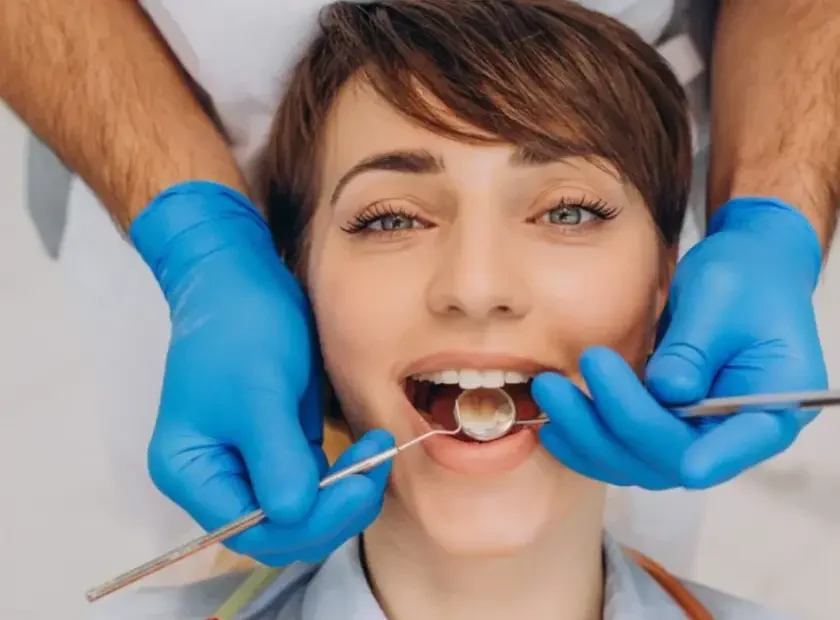
ODSP dental implants

ODSP Dental Implants: What You Need to Know
Dental health is an essential aspect of overall well-being, yet many individuals face challenges in accessing necessary dental care due to financial constraints.
The Ontario Disability Support Program (ODSP) offers assistance for various dental services, but does it cover dental implants?
In this article, we’ll explore ODSP dental implant coverage, alternative solutions, and why dental implants are a life-changing option for those with missing teeth.
For expert care and guidance, Family Dentistry on Brock in Tillsonburg provides exceptional services for comfortable and effective dental treatments, including root canal therapy.
What Are Dental Implants?
Dental implants are a permanent solution for missing teeth.
They involve surgically placing a titanium post into the jawbone, which acts as a replacement for the tooth root. A crown is then attached to the post, mimicking the look and function of a natural tooth.
Does ODSP Cover Dental Implants?
ODSP provides coverage for essential dental care services for individuals who qualify.
While the program is comprehensive in many ways, it primarily focuses on preventative and basic restorative treatments, such as fillings, extractions, and cleaning.
Coverage for advanced procedures like dental implants is generally not included.
However, each case is evaluated individually. If dental implants are deemed medically necessary, such as in cases of severe trauma or health issues, there may be exceptions.
It’s important to discuss your specific situation with your caseworker or dentist to explore your options.
Alternatives to ODSP Coverage for Dental Implants
If dental implants are not covered under ODSP, there are alternative ways to make this treatment more accessible:
1. Dental Insurance
Some private insurance plans cover a portion of dental implant costs. It’s worth reviewing your policy to see what’s included.
2. Payment Plans
Many dental clinics offer flexible payment plans to help patients manage the cost of implants over time.
3. Government Programs
In addition to ODSP, there may be other provincial or federal programs that provide financial assistance for dental care.
4. Community Dental Clinics
Some community clinics offer services at reduced rates or on a sliding scale based on income.
Benefits of Dental Implants
Dental implants offer numerous advantages over other tooth replacement options, such as dentures or bridges:
1. Natural Appearance
Implants closely resemble natural teeth, providing a seamless and attractive smile.
2. Durability
With proper care, dental implants can last a lifetime, making them a long-term solution.
3. Improved Functionality
Implants restore full chewing and speaking abilities, unlike removable dentures.
4. Bone Health
Implants stimulate the jawbone, preventing bone loss that often occurs after tooth loss.
5. Confidence Boost
A complete smile improves self-esteem and confidence in social and professional settings.
The Process of Getting Dental Implants
1. Initial Consultation
Your dentist will evaluate your oral health and determine if you’re a suitable candidate for implants.
2. Surgical Placement
A titanium post is surgically inserted into the jawbone, which will act as the tooth root.
3. Healing Period
The implant integrates with the bone over several months in a process called osseointegration.
4. Placement of the Crown
Once healed, a custom-made crown is attached to the implant, completing the procedure.
Why Choose Family Dentistry on Brock?
For personalized care and expert guidance, Family Dentistry on Brock in Tillsonburg is an excellent choice. They are committed to providing effective dental treatments tailored to your needs.
Contact Information:
- Phone: +1 (519) 842-4653
- Email: info@familydentistryonbrock.com
- Address: 49 Brock St E, Tillsonburg, ON N4G 1Z7
Their friendly and professional team ensures a comfortable experience for every patient.
Frequently Asked Questions (FAQs)
1. Are dental implants safe?
Yes, dental implants are a safe and well-established procedure. They are designed to integrate with your jawbone and provide a secure foundation for replacement teeth.
2. How long does the implant process take?
The entire process can take several months, including the healing period. Your dentist will provide a detailed timeline based on your specific case.
3. Are dental implants painful?
The procedure is performed under anesthesia, so you won’t feel pain during surgery. Some discomfort is normal during recovery, but it can be managed with prescribed medications.
4. Can anyone get dental implants?
Candidates should have healthy gums and sufficient bone density. A consultation with a dentist will determine your eligibility.
5. How do I care for dental implants?
Dental implants require the same care as natural teeth—brushing, flossing, and regular dental check-ups.
Conclusion
Dental implants are an effective and permanent solution for missing teeth, offering numerous benefits for appearance and functionality.
While ODSP may not typically cover dental implants, exploring alternatives like payment plans and community clinics can help make them accessible.
For expert dental care, contact Family Dentistry on Brock in Tillsonburg. Their compassionate and skilled team is ready to guide you through your dental journey.
Reach Out Today:
- Phone: +1 (519) 842-4653
- Email: info@familydentistryonbrock.com
Planning implant care on ODSP
General dentist registered with the Royal College of Dental Surgeons of Ontario (RCDSO), practising at Family Dentistry on Brock, Tillsonburg. Last reviewed November 2026. This guide is general information and does not replace an exam with your own dentist.
What ODSP usually helps with along the way
| Stage of care | Usually covered by ODSP? |
|---|---|
| Exam and X-rays | Generally yes |
| Extractions | Generally yes |
| Cleanings and fillings | Generally yes |
| Complete or partial dentures | Generally yes, within limits and with approval |
| Implant placement and parts | Generally no |
| Implant crowns or attachments | Generally no |
A step-by-step plan if you want implants later
- Book an exam and X-rays to see if implants are possible for you.
- Treat any active infection or gum disease using covered services.
- Get a covered denture or partial so you have teeth now.
- Ask for a written plan that separates covered and private stages.
- Discuss whether a two-implant lower overdenture could work with your existing denture.
- Plan the implant stage when you are ready, at your own pace.
Paperwork and approvals
Bring your benefit details
Your ODSP statement or dental card helps us confirm eligibility.
Predetermination
Some services, such as dentures, need approval before treatment.
Caseworker contact
Your caseworker can explain any discretionary or special approvals.
Written estimate
We list each stage so you know what is covered and what is not.
Why do some ODSP patients choose a lower implant overdenture?
A lower denture is often the hardest to keep in place. Two implants with snap attachments can make it much more stable, and the denture itself may already be covered. Only the implant stage would be planned privately.
Can implants be added to a denture years later?
Often yes. If your bone is healthy, implants can be placed later and your denture adapted, so you do not have to decide everything at once.
Are there other programs to check?
The Canadian Dental Care Plan also does not cover implants, but it covers many of the same basic services. Ask your caseworker or Service Canada how ODSP and the CDCP work together for your situation.
Keeping your options open
- Keep remaining teeth healthy with regular cleanings
- Treat gum disease early to protect bone
- Wear dentures as advised to support the face
- Ask about bone health at each checkup
Questions to ask your ODSP caseworker
Asking a few questions early can save time once treatment is planned.
- Which dental services need approval before treatment?
- How often can dentures be replaced under my benefits?
- Is there any discretionary help for services not usually covered?
- How do ODSP and the CDCP work together in my situation?
Writing down the answers and bringing them to your dental visit helps us plan treatment that uses your benefits fully. We can also provide treatment plans and estimates your caseworker may need to review any approval requests.
How long does it take to get a denture approved under ODSP?
Approval times vary. Once we send the treatment plan, the program reviews it, and some approvals come back quickly while others take longer. Starting the process early, keeping your contact details up to date with your caseworker and responding promptly to any requests for more information all help. In the meantime, we can treat urgent problems such as pain or infection using services that do not need prior approval, so you are not left waiting in discomfort.
Coverage and the Canadian Dental Care Plan
The CDCP does not cover implants. It does cover exams, cleanings, fillings, extractions and dentures for eligible patients, with a possible co-payment based on income.
ODSP patients at Family Dentistry on Brock
Family Dentistry on Brock is at 49 Brock St E in Tillsonburg, and we welcome patients from Tillsonburg, Norfolk County and Oxford County. We accept new patients and the CDCP. Read about ODSP dental coverage, whether ODSP covers implants and dental implants.
ODSP Implant Planning FAQs
Does ODSP cover dental implants?
Generally no.
What does ODSP cover for missing teeth?
Usually dentures within limits.
Can I get implants later?
Often yes, if bone is healthy.
What is a two-implant overdenture?
A lower denture that snaps onto two implants.
Do dentures need ODSP approval?
Often yes.
What should I bring to my visit?
Your ODSP statement or dental card.
Who explains special approvals?
Your ODSP caseworker.
Does the CDCP cover implants?
No.
Book an ODSP dental assessment in Tillsonburg
We will separate covered and private options clearly. Family Dentistry on Brock, 49 Brock St E, Tillsonburg, ON N4G 1Z7. Call 519-900-5640 or book online. New patients and CDCP patients are welcome.
Book an appointment