Does ODSP Cover Dental Implants
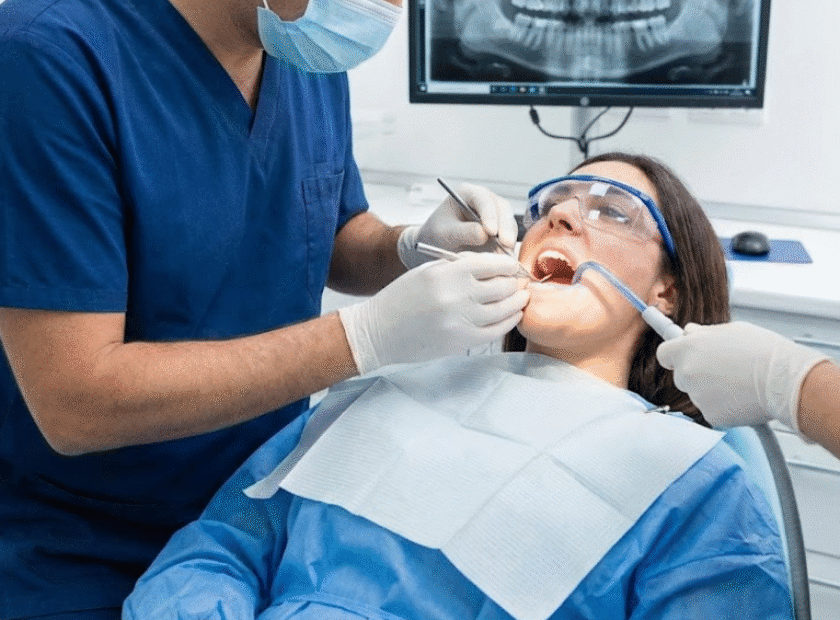
In most cases, ODSP does not cover dental implants as a standard benefit. The Ontario Disability Support Program focuses on basic and essential dental care such as exams, cleanings, fillings, and extractions, while implants are usually treated as an elective or advanced service. That does not mean you have no path forward, and a trusted dental clinic in Tillsonburg can help you review what your coverage allows and what alternatives make sense.
Standard ODSP dental benefits generally exclude implants. Some people request help through discretionary benefits, which are reviewed case by case and rarely approved for implants. Dentures, which may be supported through ODSP benefits subject to approval, are often the covered starting point, with implants added later if needed.
Coverage rules change from time to time, and they can differ based on your file, your local ODSP office, and whether you also qualify for other programs. Before any treatment starts, our team can prepare an estimate and help with predetermination so you know what is approved. Learn more about tooth replacement on our dental implant treatment page.
Implants are only one way to replace missing teeth. Bridges, partial dentures, and complete dentures can restore chewing and appearance, and some are more likely to be covered. Our restorative care options are designed to meet different needs and budgets.
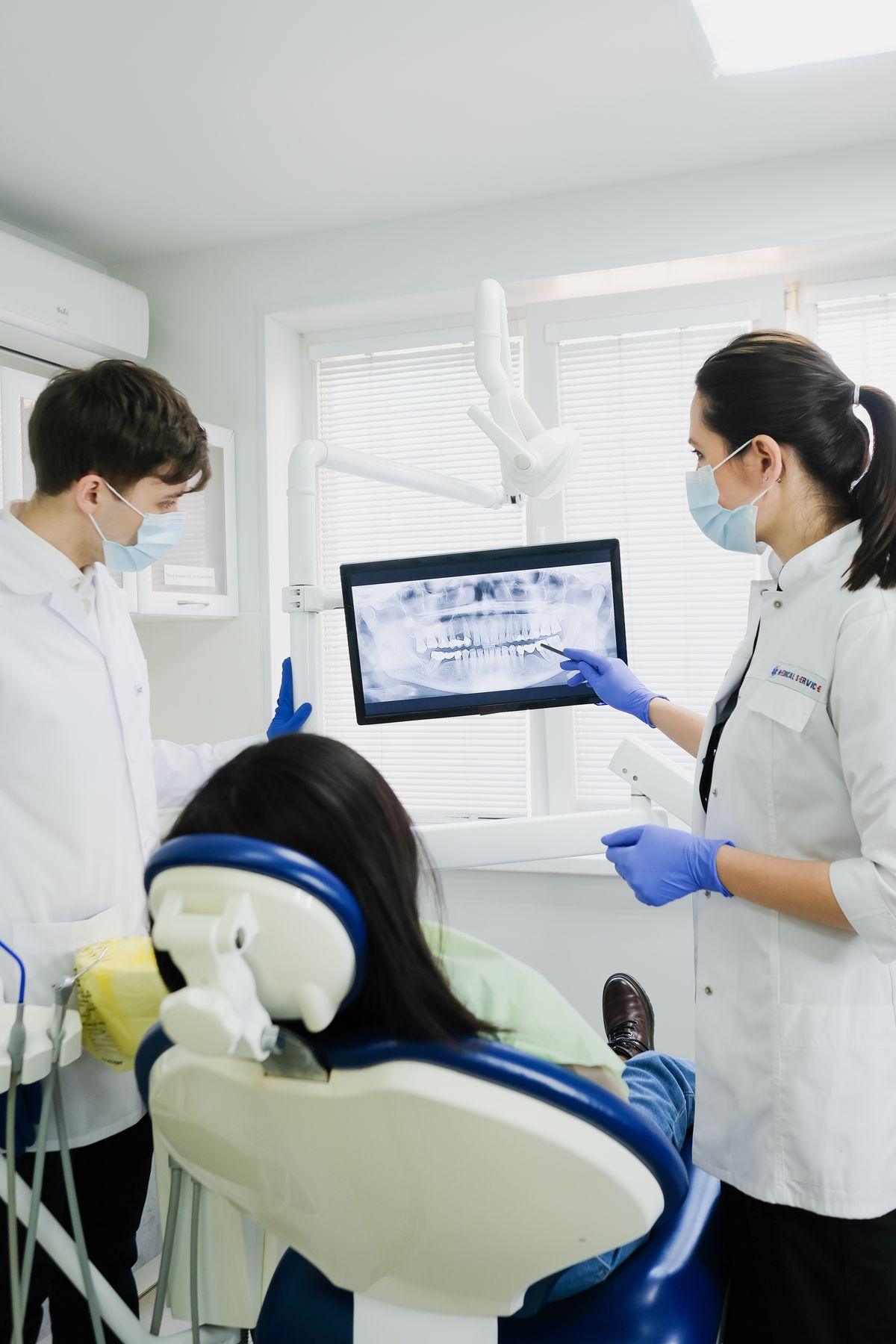
If you are on ODSP and living with missing teeth, the first step is a full exam. Bring your ODSP dental card and any letters from your caseworker when you request a dental assessment so the team can check your benefits accurately.
What Is ODSP Dental Coverage?
ODSP provides income and health benefits to eligible Ontario residents with disabilities. Its dental benefits are meant to keep teeth healthy and treat pain or infection. For adult recipients and eligible family members, coverage typically includes:
- Routine examinations and X-rays
- Cleanings (scaling) at set intervals
- Fillings for decayed teeth
- Extractions, including some surgical extractions
- Some root canal treatment, often limited to certain teeth
- Emergency treatment to relieve pain or infection
Children in ODSP households are generally covered through Healthy Smiles Ontario, which has its own list of services.
Why Dental Implants Are Usually Not Covered
Dental implants involve surgery, specialised components, and a custom crown, bridge, or denture on top. Public programs prioritise treatment that relieves pain and restores basic function at the lowest reasonable cost. Because dentures or bridges can replace teeth at a lower public cost, implants are usually classed as elective.
This is similar to many private insurance plans, which also limit or exclude implants or cover only part of the treatment.
Can You Get Implants Through Discretionary Benefits?
Discretionary benefits allow ODSP to consider help for health-related items outside the standard schedule. Requests are reviewed individually.
How the Request Process Usually Works
- Get a full dental assessment. Your dentist documents your oral health, missing teeth, and why a particular treatment is needed.
- Prepare a treatment plan and estimate. The office outlines the recommended procedure and any alternatives.
- Gather supporting documents. Notes from your physician or specialist may help if a medical condition makes dentures unsuitable.
- Submit through your caseworker. Your ODSP worker explains the local process and forwards the request.
- Wait for a decision. Approval is not guaranteed. Implants are rarely approved, so ask about covered alternatives at the same time.
- Start treatment only after approval. Beginning work before a decision can leave you responsible for the full amount.
Other Programs That May Help
| Program | Who it serves | Implant coverage |
|---|---|---|
| ODSP dental benefits | Adults receiving ODSP and eligible dependants | Generally not covered |
| Canadian Dental Care Plan (CDCP) | Eligible Canadians without dental insurance | Implants are not a standard covered service at the time of writing |
| Ontario Seniors Dental Care Program | Low-income seniors 65 and older | Does not cover implants |
| Private or workplace insurance | Plan members | Varies widely, often partial or excluded |
If you qualify for more than one program, your dental office can help you understand which applies and how benefits are coordinated. Rules are updated regularly, so check the official program websites for the latest information.
Covered Alternatives to Dental Implants
Complete dentures
Replace all teeth in an arch. Often the most accessible covered option for full tooth loss.
Partial dentures
Fill gaps between remaining teeth using a plastic or metal framework.
Dental bridges
Fixed replacements anchored to neighbouring teeth. Coverage varies by program.
Relines and repairs
Improve the fit of existing dentures, which is often covered at set intervals.
Staged treatment
Start with covered extractions and dentures, then add implants later when you are ready.
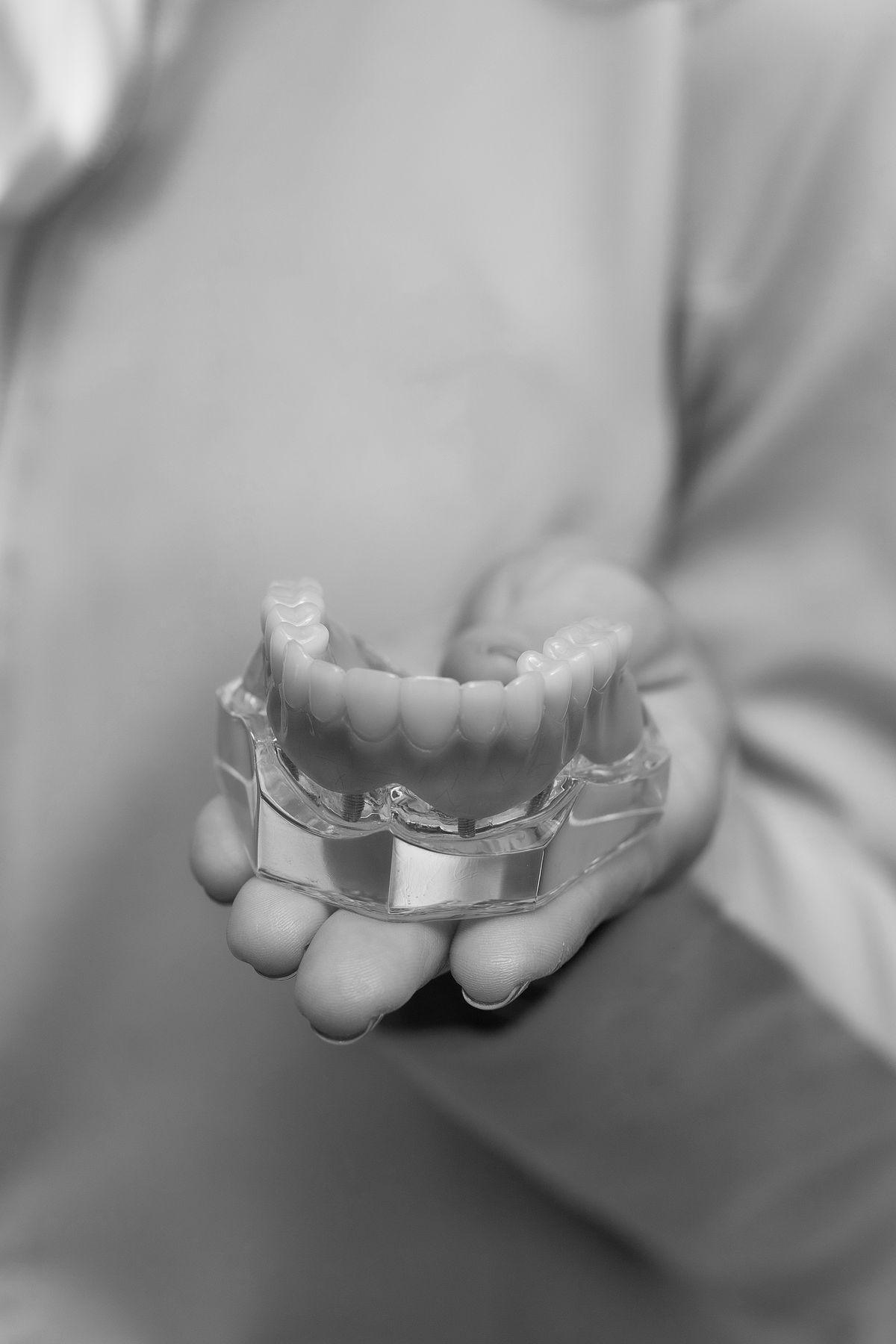
Implant-retained overdenture
Two implants can stabilise a lower denture if you later fund the implants privately.
Implants vs Dentures: How They Compare
| Factor | Dental implants | Conventional dentures |
|---|---|---|
| Stability | Fixed in bone, very stable | Rest on gums, may move |
| Bone preservation | Helps maintain jawbone | Does not prevent bone loss |
| Treatment time | Several months including healing | A few weeks |
| Maintenance | Brush and floss like natural teeth | Daily removal and cleaning |
| Public coverage | Usually not covered | More commonly covered, subject to approval |
Both options can work well. The right choice depends on your bone health, medical history, comfort, and long-term goals.
Myths About ODSP and Dental Implants
Making Implants More Manageable Without Coverage
Some patients decide implants are worth pursuing privately. If that is your goal, ask about:
- Phased treatment, placing implants in stages over time
- Using two implants to secure a lower denture instead of replacing every tooth
- Payment arrangements offered by the clinic or third-party financing
- Keeping your covered denture as a temporary option during healing
A clear written plan helps you budget and avoid surprises.
Is an Implant Right for You?
Good implant candidates usually have healthy gums, enough jawbone (or the ability to graft), and stable general health. Conditions like uncontrolled diabetes, heavy smoking, or certain medications may affect healing. A licensed dentist registered with the Royal College of Dental Surgeons of Ontario (RCDSO) will review your medical history, take imaging, and explain the risks and benefits honestly before you commit.
What Happens at an Implant Consultation
Even if you are not sure you can proceed, a consultation gives you accurate information to share with your caseworker or to plan for the future.
Medical and Dental History Review
Your dentist asks about your general health, medications, and any conditions that affect healing, such as diabetes, osteoporosis, or heart conditions. This also helps identify whether a medical reason could support a discretionary request.
Imaging and Bone Assessment
X-rays and, in many cases, a 3D scan show how much bone is available and where nerves and sinuses sit. If bone is thin, the dentist will explain whether grafting would be needed, which adds time to treatment.
Discussion of Options
You should leave with a clear comparison of implants, bridges, partial dentures, and complete dentures, including the number of visits, healing time, and expected lifespan of each.
Written Treatment Plan
A written plan with procedure codes is what program reviewers need. Ask the office to include a covered alternative so a decision can be made quickly either way.
Caring for Your Teeth While You Wait
Waiting for a coverage decision or saving for treatment can take time. Protecting your remaining teeth and gums keeps future options open.
- Keep up regular exams and cleanings, which are typically included in ODSP benefits.
- Treat cavities early so you do not lose more teeth.
- Ask about a temporary partial denture to fill visible gaps and protect your bite.
- Avoid chewing hard foods on a single remaining tooth, which can overload it.
- Stop smoking if possible, as it significantly lowers implant success later.
- Report swelling, pain, or loose teeth promptly, as emergency care is usually covered.
When an Implant May Be Strongly Recommended
Some situations make implants more than a cosmetic preference. For example, a person with a very flat lower ridge may be unable to keep a conventional denture in place, leading to sores and poor nutrition. Others may have strong gag reflexes or medical conditions that make removable appliances difficult. In these cases, detailed documentation from your dentist and physician gives reviewers the full picture, even though approval still cannot be promised.
Planning for the Long Term
Tooth replacement is a long-term decision. A denture covered today can be converted into an implant-retained overdenture later, and a bridge can sometimes be replaced with an implant when it reaches the end of its life. Discussing these future pathways at the start means today’s covered treatment will not limit tomorrow’s options.
Get Clear Answers About Your Coverage in Tillsonburg
Family Dentistry on Brock is a dental clinic in Tillsonburg known for helping patients understand their benefits without pressure. We hold a 5.0 Google rating from more than 252 patient reviews, we accept new patients, and we accept the Canadian Dental Care Plan (CDCP). Our services include implants, clear aligners, restorative care, veneers, laser treatment, whitening, emergency care, sedation, surgery, and orthodontics.
Visit us at 49 Brock St E, Tillsonburg, ON N4G 1Z7, call +1 519-900-5640, or email info@familydentistryonbrock.com. We offer extended weekday hours with Mondays open until 7:00 PM and Saturday care by appointment, and our front desk responds quickly to coverage questions.
Unsure what your benefits cover?
Bring your ODSP or CDCP details to an exam and we will outline covered options and a realistic tooth replacement plan.
Frequently Asked Questions
Does ODSP pay for dentures?
ODSP may support dentures through its dental or discretionary benefits, subject to eligibility and approval. Confirm with your caseworker before treatment.
Can ODSP cover tooth extractions before implants?
Extractions are commonly included in ODSP dental benefits, even when the implants that follow are not covered.
Does the CDCP cover dental implants?
Dental implants are not a standard covered service under the CDCP at the time of writing. Check the latest benefit details, as program coverage can change.
How long does a discretionary benefit decision take?
Timelines vary by local office and the complexity of the request. Ask your caseworker for an estimate when you submit.
What is the best covered alternative to implants?
For many patients, a well-fitted complete or partial denture is the most accessible covered option, and it can be stabilised with implants later.
Conclusion
ODSP usually does not cover dental implants, although discretionary requests and other programs may help in limited cases. Covered options such as dentures, partials, and relines can restore comfort and function in the meantime. A full dental assessment and written predetermination are the best ways to plan treatment with confidence.