Dentures That Are Permanent
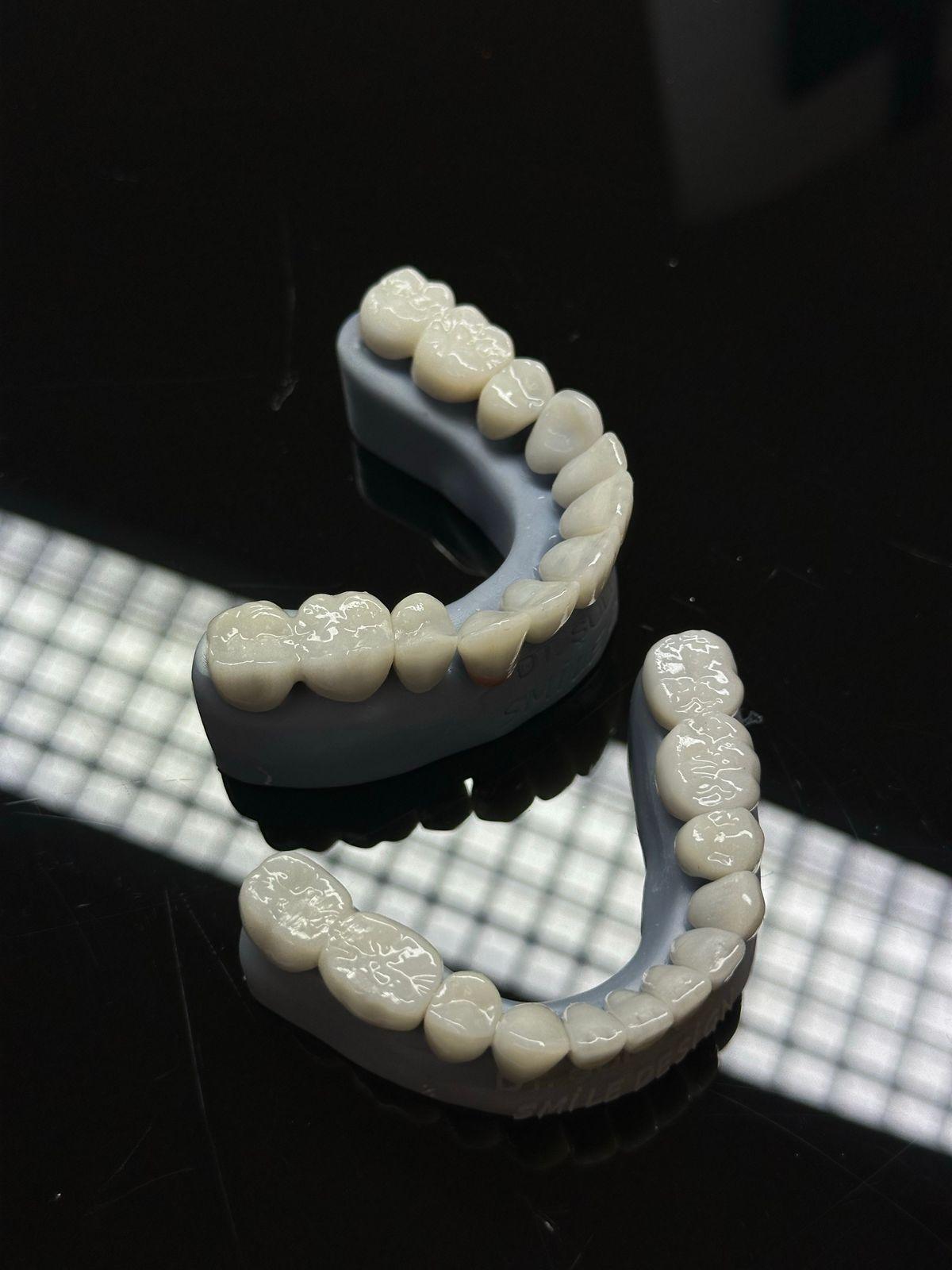
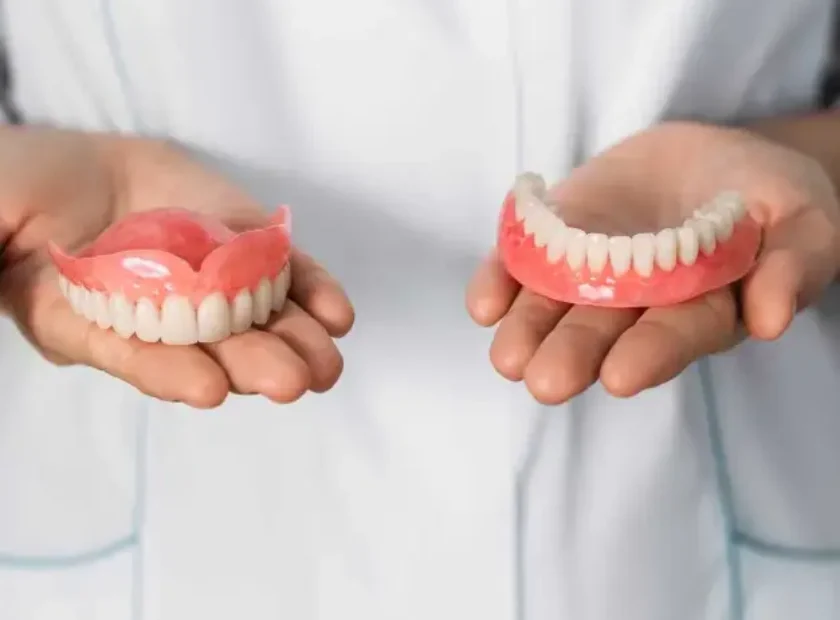
Dentures that are permanent are fixed implant-supported teeth, a full arch of replacement teeth screwed onto four to six dental implants so they stay in your mouth and are removed only by your dentist. They are often called fixed dentures, hybrid dentures, or All-on-4 style teeth. They are a popular, well-established option for people who have lost most of their teeth or struggle with removable dentures, and our dental implant team in Tillsonburg can assess whether you are a good candidate.
Truly permanent dentures are fixed to implants in the jawbone. They do not need adhesive, do not slip, and are cleaned in place like natural teeth. Snap-in implant dentures are a semi-permanent option that are secure but removed daily for cleaning.
Permanent dentures usually require extracting any remaining failing teeth and placing implants in the same appointment or in stages. When bone is thin, grafting may be needed first. These steps are carried out through our oral surgery services as one coordinated plan.
Placing implants for a full arch can take a few hours, so many patients choose to be relaxed throughout. Ask about sedation dentistry if dental anxiety has held you back.
If implants are not right for you yet, there are still ways to make removable dentures more comfortable and secure. Our restorative care options include relines, new dentures, and partials.
What Are Permanent Dentures?
Permanent dentures are a complete arch of artificial teeth attached to dental implants. The implants act as artificial roots fused to the jawbone, giving the teeth a strong, stable base. The teeth are fixed with small screws that only a dentist can access. Unlike traditional dentures, they do not cover the roof of the mouth, so taste, temperature, and speech feel more natural.
Types of Permanent and Semi-Permanent Dentures
Fixed Implant Denture (Hybrid)
Four to six implants support a full arch of teeth fixed in place. It is the most common type of permanent denture and offers the closest feel to natural teeth.
Fixed Implant Bridge (Zirconia or Porcelain)
A stronger, highly aesthetic version of the fixed denture, milled from zirconia or layered porcelain. It resists staining and chipping well and often lasts longer than acrylic designs.
Implant-Retained Snap-In Denture
Two to four implants with attachments hold a removable denture securely. It is not permanent, but it is far more stable than a traditional denture and is removed daily for cleaning.
Bar-Retained Overdenture
A custom bar connects several implants, and the denture clips onto it. Very stable, still removable.
| Type | Removable by you | Implants per arch | Stability |
|---|---|---|---|
| Fixed hybrid denture | No | 4 to 6 | Excellent |
| Fixed zirconia bridge | No | 4 to 6 | Excellent |
| Snap-in implant denture | Yes | 2 to 4 | Very good |
| Bar-retained overdenture | Yes | 3 to 5 | Excellent |
| Traditional denture | Yes | None | Variable |
Benefits of Permanent Dentures
No slipping
Fixed teeth stay in place when eating, talking, and laughing.
Stronger bite
Chew firmer foods more comfortably than with removable dentures.
No adhesive
No pastes, powders, or daily removal.
Open palate
Upper fixed teeth do not cover the roof of the mouth.
Bone support
Implants help reduce the jawbone loss that follows tooth loss.
Natural look
Teeth and gum sections are designed to suit your face and smile.
Who Is a Good Candidate?
Permanent dentures may suit you if you:
- Have lost most or all teeth in one or both jaws
- Have failing teeth from decay or gum disease that cannot be saved
- Are unhappy with loose or uncomfortable removable dentures
- Have enough jawbone, or can have grafting or specialised implant techniques
- Are in reasonable general health, with conditions such as diabetes well controlled
- Are committed to daily cleaning and regular maintenance visits
Heavy smoking, uncontrolled medical conditions, certain bone medications, and previous radiation to the jaw can lower success rates. Your dentist will discuss these openly and suggest alternatives if needed.
The Process Step by Step
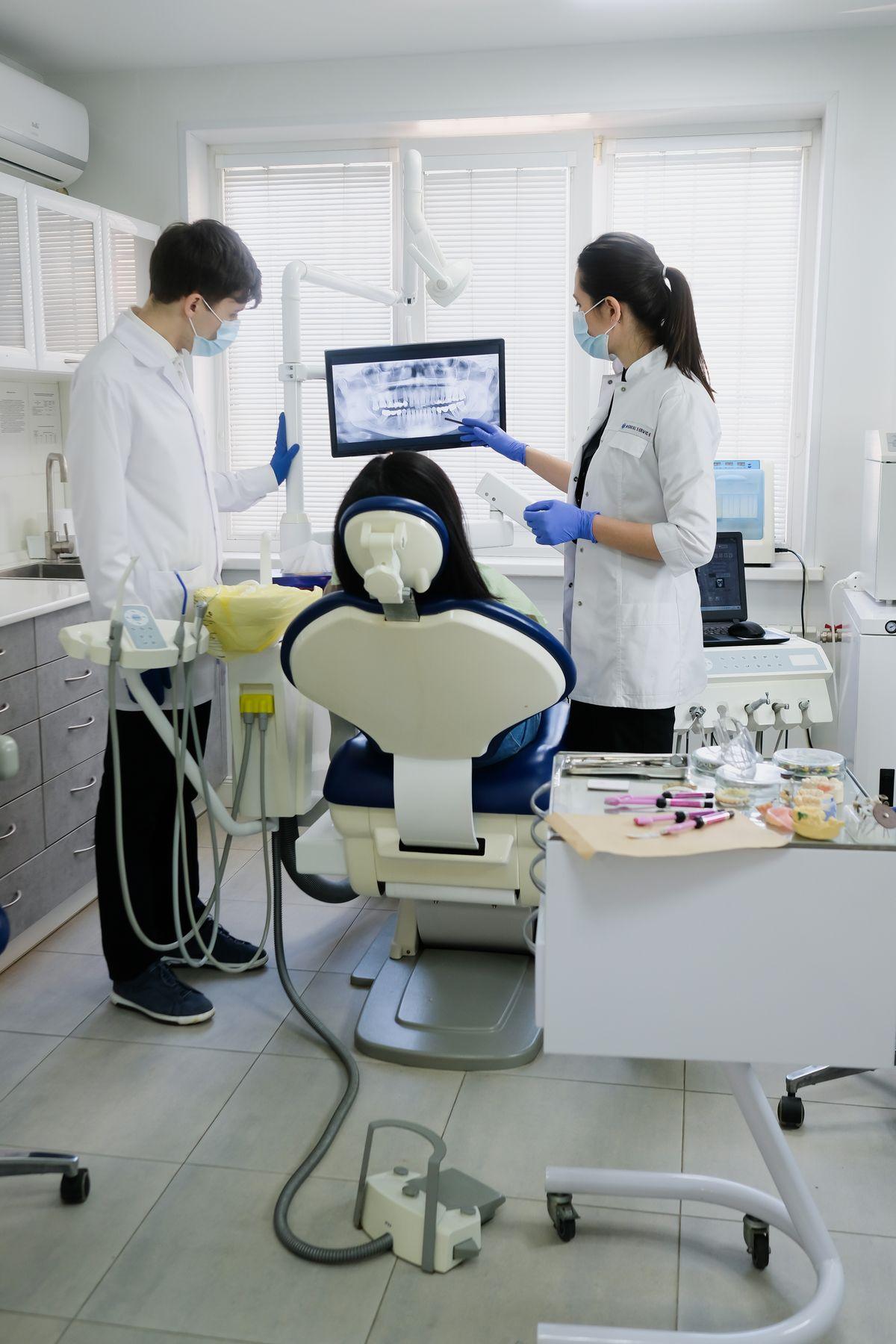
- Consultation and 3D scan. Your dentist reviews your health, examines your mouth, and takes a cone beam scan to measure bone and locate nerves and sinuses.
- Digital planning. The position of each implant and the design of your new teeth are planned together for strength, appearance, and lip support.
- Extractions and preparation. Remaining teeth are removed if needed, infection is cleared, and grafting may be done.
- Implant placement. Four to six implants are placed in each treated arch under local anaesthetic, often with sedation.
- Same-day temporary teeth. In many cases, a fixed temporary arch is attached within a day so you leave with teeth.
- Healing. Over three to six months, the implants fuse with the bone. You eat soft foods during this time.
- Final teeth. A stronger final denture or bridge is made and secured once healing is confirmed.
- Ongoing maintenance. Regular professional cleanings and checks keep your implants and gums healthy.
Permanent Dentures vs Traditional Dentures
| Factor | Permanent implant denture | Traditional denture |
|---|---|---|
| Stability | Fixed, does not move | Can slip or rock |
| Chewing | Strong and comfortable | Limited for firm foods |
| Bone loss | Slowed by implants | Continues over time |
| Palate coverage | None on fixed upper | Covers the roof of the mouth |
| Daily care | Cleaned in place | Removed, cleaned, and soaked |
| Treatment time | Several months | A few weeks |
| Surgery | Yes | No |
Recovery After Implant Placement
Mild to moderate swelling and tenderness are normal for the first few days. Cold compresses, prescribed or recommended pain relief, and rest help. A soft-food diet protects the healing implants and temporary teeth. Most people return to normal routines within a few days. Avoid smoking and strenuous exercise during the early healing period.
How to Care for Permanent Dentures
- Brush twice daily. Clean all surfaces of the teeth and along the gumline with a soft brush.
- Clean underneath. Use a water flosser, super floss, or interdental brushes to remove food from under the bridge.
- Use low-abrasive toothpaste. This protects acrylic and porcelain surfaces from scratches.
- Wear a night guard if advised. Grinding can wear or chip fixed teeth.
- Avoid very hard foods and objects. Ice, bones, and hard candy can damage prosthetic teeth.
- Keep maintenance appointments. Your dentist may remove the bridge periodically for a deep clean and to check the implants.
Myths About Permanent Dentures
How Long Do Permanent Dentures Last?
Implants that integrate well and are well maintained can last for many years, often decades. Acrylic teeth on a hybrid denture may wear and need replacing after several years, while zirconia bridges are typically more resistant to wear and staining. Regular reviews help catch loose screws, worn teeth, or gum inflammation early.
Can You Convert Your Current Dentures?
In some cases, an existing denture can be converted into a temporary fixed denture on the day implants are placed. For removable snap-in options, a well-fitting denture may be modified with attachments. Your dentist will check whether your current denture is suitable or whether a new one will give a better result.
Upper vs Lower Permanent Dentures
Upper Arch
The upper jaw often has softer bone and the sinuses sit just above the back teeth. Implants may be angled or placed in specific areas to avoid the sinus and use the strongest bone. A fixed upper denture removes the need for a palate, which many patients find makes food taste better and speech feel more natural.
Lower Arch
The lower jaw usually has denser bone, which supports implants well, but the nerve that runs through it must be carefully avoided. Because lower removable dentures are the hardest to keep stable, many patients notice the biggest improvement when the lower arch is treated.
Both Arches
Treating both jaws can be done in the same appointment or in stages. Your dentist will plan the bite so upper and lower teeth meet evenly, protecting the implants and the prosthetic teeth.
Eating With Permanent Dentures
During healing, choose soft foods such as eggs, fish, pasta, soups, and cooked vegetables. Avoid hard, sticky, or chewy foods that could stress the implants. After your final teeth are fitted, you can enjoy most foods again, including fresh fruit, salads, and many meats. Cutting very hard foods into smaller pieces and avoiding biting into ice or bones helps protect your teeth for the long term.
Questions to Ask at Your Consultation
- Am I a candidate for fixed teeth, or would snap-in dentures suit me better?
- How many implants will I need and where?
- Will I need bone grafting first?
- What material will my final teeth be made from?
- How often will I need maintenance visits?
Permanent Denture Care in Tillsonburg
Family Dentistry on Brock is chosen by many patients as the best dentist in Tillsonburg for implant-supported teeth, with a 5.0 Google rating from more than 252 reviews. We welcome new patients and accept the Canadian Dental Care Plan (CDCP) for eligible services. Our team provides dental implants, clear aligners, restorative care, veneers, laser treatment, teeth whitening, emergency care, sedation dentistry, dental surgery, and orthodontics.
Treatment is planned and provided by licensed dentists registered with the Royal College of Dental Surgeons of Ontario (RCDSO), with careful follow-up at every stage. Call +1 519-900-5640, email info@familydentistryonbrock.com, or visit 49 Brock St E, Tillsonburg, ON N4G 1Z7. We offer extended weekday hours, including Mondays until 7:00 PM, and Saturday appointments by booking.
Ready for teeth that stay put?
A consultation with 3D imaging will show whether fixed or snap-in implant dentures are right for you.
Frequently Asked Questions
Are permanent dentures really permanent?
They are fixed to implants and cannot be removed by you, but your dentist can remove them for maintenance. The prosthetic teeth may need replacing over time.
How many implants do permanent dentures need?
Most fixed full-arch dentures use four to six implants per jaw, depending on bone and bite forces.
Can I get permanent dentures the same day?
Many patients receive fixed temporary teeth within a day of implant placement. The final teeth are fitted after healing.
Do permanent dentures feel like real teeth?
Most people find fixed implant dentures feel much closer to natural teeth than removable dentures, especially for chewing and speaking.
Are snap-in dentures permanent?
Snap-in dentures are secured by implants but are removed daily for cleaning, so they are considered semi-permanent.
Conclusion
Permanent dentures use dental implants to give you fixed, stable teeth that do not slip or need adhesive. They offer strong chewing, natural appearance, and better bone support than traditional dentures. A professional assessment will show whether fixed or snap-in implant dentures suit your needs.