soft foods after dental surgery

After dental surgery, it’s crucial to consume soft foods that are gentle on the teeth and gums to aid in the healing process.
Why Soft Foods?
Soft foods are easy to chew and swallow, reducing the risk of causing pain or damage to the surgical site.
Benefits Of Soft Foods After Dental Surgery:
- Gentle on teeth and gums
- Reduce chances of infection
- Help in the healing process
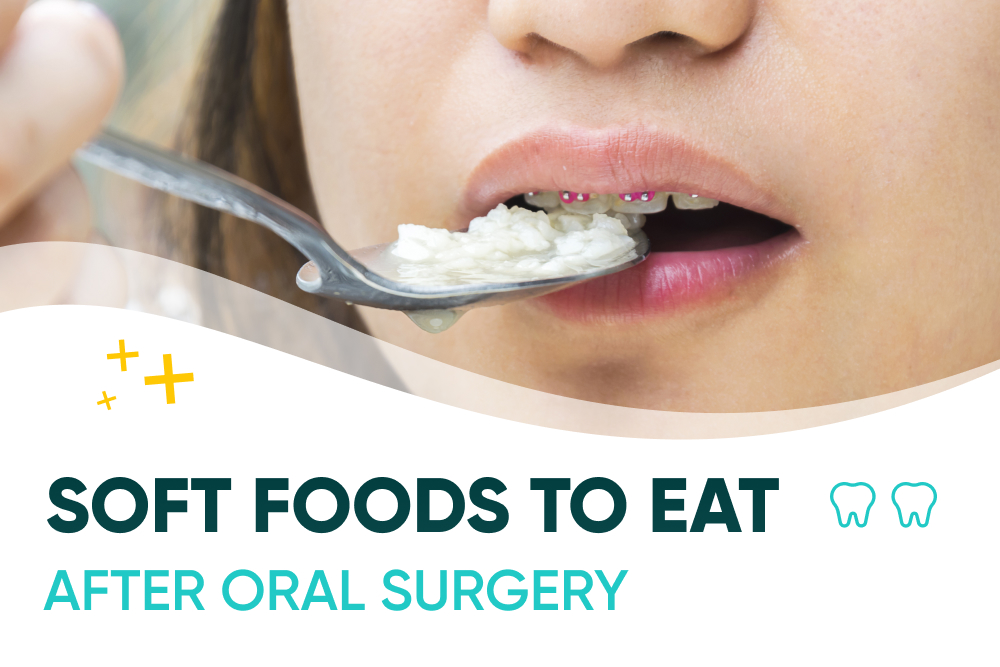
Credit: nohofamilydental.com
Recommended Soft Foods:
| Food | Description |
|---|---|
| Yogurt | Rich in probiotics and easy to eat |
| Mashed Potatoes | Soft texture and high in carbohydrates |
| Smoothies | Blend of fruits and yogurt, easy on the teeth |
| Scrambled Eggs | High in protein and easy to chew |
Things to Avoid:
Avoid hard, crunchy, or sticky foods that can disrupt the healing process and potentially cause pain or infection.
Examples Of Foods To Avoid:
- Hard candies
- Nuts and seeds
- Chips and pretzels
- Chewy candies
Additional Tips:
- Stay hydrated with water or herbal tea
- Don’t use straws, as suction can dislodge blood clots
- Avoid hot or spicy foods that may irritate the surgical site
- Follow your dentist’s post-operative care instructions
Final Thoughts
Remember, the key to a successful recovery after dental surgery is to be gentle on your mouth and provide it with the right nourishment. By choosing soft foods and following your dentist’s advice, you can promote healing and get back to chewing normally soon.
Frequently Asked Questions Of Soft Foods After Dental Surgery
Are Soft Foods Recommended After Dental Surgery?
Yes, soft foods are recommended to avoid irritation and facilitate healing after dental surgery.
What Are Some Examples Of Soft Foods?
Examples of soft foods include yogurt, mashed potatoes, scrambled eggs, and smoothies.
Why Should I Avoid Hard Or Crunchy Foods After Dental Surgery?
Hard or crunchy foods can cause irritation, dislodge blood clots, and delay the healing process.
How Long Should I Stick To Soft Foods After Dental Surgery?
It is recommended to stick to soft foods for at least 2-3 days after dental surgery or as advised by your dentist.
Protecting the healing site with the right textures
General dentist registered with the Royal College of Dental Surgeons of Ontario (RCDSO), practising at Family Dentistry on Brock, Tillsonburg. Last reviewed November 2026. This guide is general information and does not replace an exam with your own dentist.
Foods and drinks to avoid, and why
| Avoid | Why |
|---|---|
| Chips, nuts, popcorn | Sharp pieces can cut or lodge in the site |
| Seeds, rice, quinoa | Small grains get stuck in sockets |
| Very hot soups and drinks | Heat increases bleeding and swelling |
| Spicy or acidic foods | Sting the wound |
| Sticky candy and chewy bread | Pull on stitches and clots |
| Alcohol | Slows healing and interacts with medications |
| Carbonated drinks through a straw | Suction can dislodge the clot |
Texture guide for recovery
- Days 1 to 2: smooth and cool, such as yogurt, pudding, smooth soups.
- Days 3 to 5: soft and moist, such as eggs, mashed potatoes, flaked fish.
- Days 6 to 7: tender foods that need light chewing, such as soft pasta and ground meat.
- Week 2 onward: gradually return to normal, chewing away from the site.
Tips for eating comfortably
Small spoonfuls
Easier to control and less likely to reach the site.
Lukewarm temperature
Gentler on tender tissue.
Chew on the other side
Protects the surgical area.
Rinse gently afterwards
Warm salt water from day two, unless told otherwise.
Stay hydrated
Sip water often, without a straw.
What is a dry socket and how does food affect it?
A dry socket happens when the blood clot is lost from an extraction site, leaving bone exposed and causing strong pain a few days after surgery. Suction from straws, smoking and food lodged in the socket increase the risk.
Can I drink coffee after dental surgery?
Wait until the day after, let it cool to lukewarm and avoid using a straw. Too much caffeine can also affect sleep, which you need for healing.
When is it safe to eat crunchy food again?
Usually after one to two weeks, depending on the surgery and how you are healing. Start on the side away from the site.
A sample day of safe eating after surgery
Planning one easy day of meals helps show how the texture guide works in practice. For breakfast on day three, try soft scrambled eggs or plain yogurt with a mashed banana. Mid-morning, a smoothie eaten with a spoon or a small cup of applesauce keeps your energy up. Lunch could be a lukewarm blended vegetable soup with soft bread with the crust removed. In the afternoon, cottage cheese or pudding is easy to eat. For dinner, flaked baked fish with mashed potatoes and well-cooked carrots gives protein and vitamins. Keep sipping water through the day, rinse gently after meals from day two, and chew on the side away from the surgery.
Special situations
If you have diabetes, keep your usual meal timing and choose soft, balanced options so your blood sugar stays steady while you heal. If you take blood thinners, follow the specific instructions you were given, as bleeding may take longer to settle. For children recovering from an extraction, cool foods such as yogurt and smoothies eaten with a spoon are often easiest, and a parent should check that they avoid crunchy snacks. Anyone who has had sedation should start with clear fluids and light foods until they feel fully awake. If eating is still very difficult after several days, or you cannot keep fluids down, contact us for advice.
Simple soft foods you can prepare ahead
Cooking a few items before your surgery date makes the first week much easier, especially if you live alone or will be tired.
- A large pot of smooth vegetable or lentil soup, frozen in portions
- Mashed potatoes or sweet potatoes, portioned and frozen
- Hard-boiled eggs to mash into egg salad without crunchy add-ins
- Soft-cooked oatmeal or rice pudding, kept in the fridge
- Plain yogurt, cottage cheese and applesauce from the store
How do I keep meals interesting on a soft diet?
Change flavours rather than textures. Mild herbs, a little grated cheese, smooth sauces and different puréed vegetables keep meals varied without irritating the site.
Is it normal to lose a little weight after surgery?
A small drop is common in the first week. Eating small meals often and adding protein helps you recover your energy. If you are struggling to eat or drink, call us for advice.
Why texture matters more than the food itself
After dental surgery, your mouth has a healing wound that is protected by a blood clot and, sometimes, stitches. Anything that scrapes, pokes, pulls or heats that area can slow healing or cause pain. That is why the same food can be safe or unsafe depending on how it is prepared. Mashed potatoes are gentle, while crispy roast potatoes can scratch the site. Smooth peanut butter thinned into oatmeal is fine, while whole peanuts can lodge in a socket. Soft-cooked pasta is easy, while crusty bread can pull at stitches.
When choosing foods in the first week, ask yourself three simple questions. Is it soft enough to mash with a fork? Is it lukewarm rather than hot? Does it have small hard pieces, seeds or crumbs? If the answers are yes, yes and no, it is likely a good choice. As healing progresses, you can slowly add firmer textures, starting on the side of your mouth away from the surgery.
Can I eat ice cream after dental surgery?
Yes, plain ice cream without nuts, chocolate chips or cones is usually fine in the first days and can feel soothing.
Is jelly or gelatin a good option?
Yes. It is smooth, cool and easy to swallow, which makes it a useful snack in the first two days.
Can I eat yogurt with fruit pieces?
Smooth yogurt is ideal in the first days. Add soft fruit like mashed banana, and leave out berries with seeds or granola until the site has healed.
Coverage and the Canadian Dental Care Plan
The CDCP covers extractions and surgical extractions for eligible patients, with a possible co-payment based on family income.
Dental surgery at Family Dentistry on Brock
Family Dentistry on Brock is at 49 Brock St E in Tillsonburg, and we welcome patients from Tillsonburg, Norfolk County and Oxford County. We accept new patients and the CDCP. Read about a 7-day soft meal plan, soft food by procedure and dental surgery.
Foods to Avoid FAQs
What foods should I avoid after dental surgery?
Crunchy, sticky, spicy, very hot and small-grained foods.
Why avoid rice after an extraction?
Grains can get stuck in the socket.
Can I use a straw?
No, suction can dislodge the clot.
What is a dry socket?
Loss of the blood clot, causing strong pain.
When can I drink coffee?
The next day, lukewarm, without a straw.
When can I eat crunchy food?
Usually after one to two weeks.
Should I drink alcohol?
Avoid it while healing.
Does the CDCP cover extractions?
Yes, for eligible patients.
Book dental surgery in Tillsonburg
Get clear aftercare to protect healing. Family Dentistry on Brock, 49 Brock St E, Tillsonburg, ON N4G 1Z7. Call 519-900-5640 or book online. New patients and CDCP patients are welcome.
Book an appointment