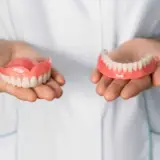
How does a single tooth denture stay in?
Are Root Canals Bad for You? A Complete Guide
Root canals are often misunderstood dental procedures that many people feel apprehensive about.
This treatment, however, is designed to save teeth and prevent further complications. In this article, we will explore whether root canals are truly bad for you, how they work, and why they might be necessary.
What Is a Root Canal?
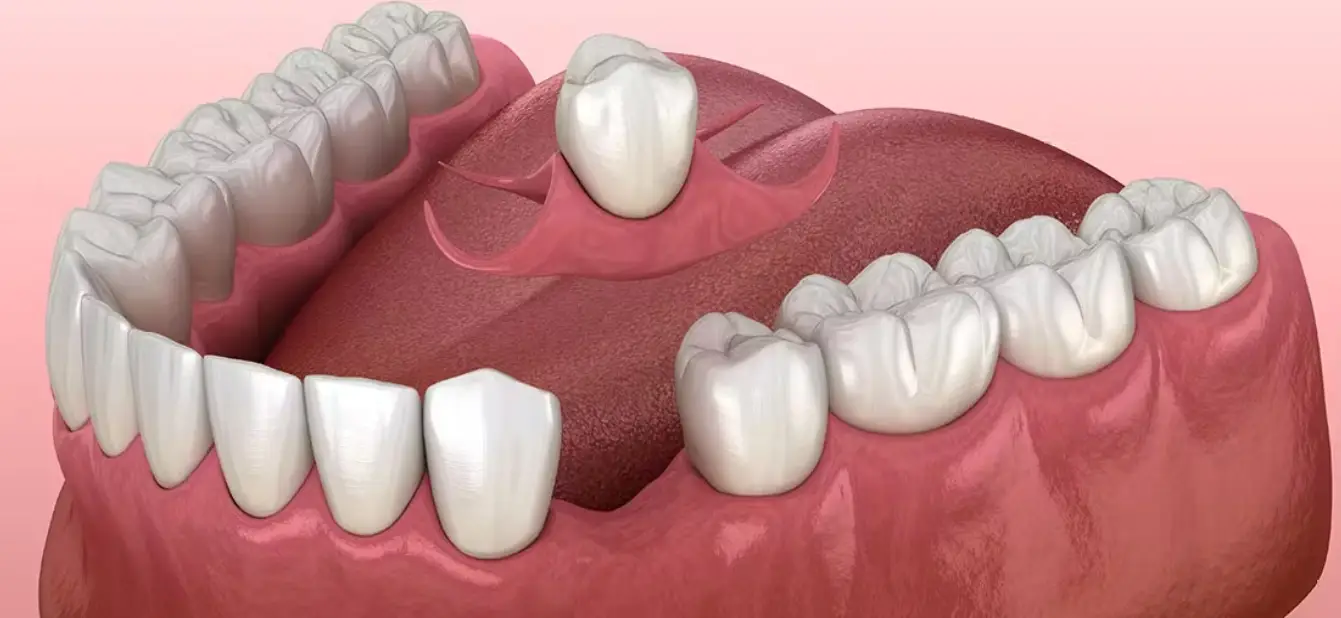
A root canal is a dental procedure that removes the infected or damaged pulp inside a tooth.
The pulp contains nerves and blood vessels, and when it becomes infected, it can cause severe pain and swelling. A root canal aims to clean out the infection, seal the tooth, and prevent future problems.
Benefits of Root Canals
- Relieves Pain: Root canals eliminate the source of pain by removing infected tissue.
- Prevents Tooth Loss: Saving the natural tooth helps maintain proper alignment and chewing function.
- Protects Overall Oral Health: Treating infections prevents them from spreading to nearby teeth or gums.
- Restores Functionality: After a root canal and crown placement, the tooth can function just like a healthy one.
Are Root Canals Bad for You?
The idea that root canals are harmful is a common misconception. When performed properly, root canals are safe, effective, and beneficial. Here are some points to consider:
1. Eliminates Infection
- Root canals address bacterial infections, stopping them from spreading to other parts of the body.
2. Safe Materials
- The materials used to fill and seal the tooth are biocompatible and safe for long-term use.
3. Preserves Natural Teeth
- Losing a tooth can lead to jawbone deterioration and misalignment. Root canals help you keep your natural teeth.
4. Minimal Risks
- As with any medical procedure, complications are rare but possible. Choosing a skilled dental professional minimizes these risks.
Common Myths About Root Canals
Myth 1: Root Canals Are Painful
With modern techniques and anesthesia, root canals are no more uncomfortable than getting a filling.
Myth 2: Root Canals Cause Illness
There is no scientific evidence linking root canals to systemic diseases.
Myth 3: Tooth Extraction Is Better
While extractions may seem easier, they often lead to additional procedures like implants or bridges, which can be more expensive and time-consuming.
What to Expect During a Root Canal
- Initial Examination: Your dental professional will assess your tooth and take X-rays to determine the extent of the damage.
- Anesthesia: Local anesthesia is applied to numb the area.
- Cleaning the Tooth: The infected pulp is removed, and the inside of the tooth is cleaned and disinfected.
- Filling and Sealing: The cleaned space is filled with a rubber-like material and sealed to prevent future infections.
- Crown Placement: In many cases, a crown is placed to restore the tooth’s strength and appearance.
How to Care for a Tooth After a Root Canal
- Maintain Good Oral Hygiene: Brush and floss daily to keep your teeth and gums healthy.
- Avoid Hard Foods: Protect the treated tooth by avoiding hard or sticky foods until it is fully restored.
- Attend Follow-Up Appointments: Regular check-ups ensure the tooth remains healthy.
- Use a Mouthguard: If you grind your teeth, a mouthguard can prevent damage to the treated tooth.
Why Choose Family Dentistry on Brock?
If you’re looking for expert care, Family Dentistry on Brock is one of the best options for a comfortable and effective root canal treatment.
Their experienced team ensures that every patient receives personalized care in a friendly environment.
To inquire about costs or to schedule an appointment, contact them at +1 (519) 842-4653 or via email at info@familydentistryonbrock.com.
The clinic is conveniently located at 49 Brock St E, Tillsonburg, ON N4G 1Z7.
FAQs About Root Canals
Q: Is a root canal better than an extraction?
A: Yes, a root canal preserves your natural tooth, preventing bone loss and the need for additional dental work.
Q: How long does a root canal take?
A: Most root canals can be completed in one to two appointments, depending on the complexity.
Q: Will the tooth be strong after a root canal?
A: Yes, especially if a crown is placed to restore its strength and function.
Q: Can I eat after a root canal?
A: It’s best to wait until the numbness wears off. Stick to soft foods initially and avoid chewing on the treated side.
Q: How much does a root canal cost?
A: The cost varies depending on the tooth and complexity. Contact Family Dentistry on Brock for more details.
Conclusion
Root canals are not bad for you—in fact, they are a highly effective way to treat infections and save your natural teeth.
With proper care and a skilled dental professional, a root canal can restore your oral health and prevent further complications.
If you’re considering a root canal or have questions about the procedure, don’t hesitate to reach out to Family Dentistry on Brock.
Their team is ready to help you achieve a healthier, pain-free smile. Contact them today at +1 (519) 842-4653 or via email at info@familydentistryonbrock.com.
What holds a single-tooth denture in
General dentist registered with the Royal College of Dental Surgeons of Ontario (RCDSO), practising at Family Dentistry on Brock, Tillsonburg. Last reviewed November 2026. This guide is general information and does not replace an exam with your own dentist.
Ways a single-tooth denture is held in place
| Method | How it works | Common in |
|---|---|---|
| Wire or cast clasps | Arms hug the neighbouring teeth | Acrylic and metal partials |
| Flexible clasps | Gum-coloured nylon grips teeth and gums | Flexible partials |
| Palate coverage | Thin plate adds suction and support | Upper flippers |
| Rests | Small extensions sit on nearby teeth | Cast metal partials |
| Implant or precision attachments | Clicks onto an implant or crown | Advanced designs |
Why a single-tooth denture may feel loose
- Clasps have opened slightly with daily use.
- The gum has shrunk after a recent extraction.
- Neighbouring teeth have moved or been restored.
- The base is cracked or warped.
- Too little palate coverage for a light flipper.
How we improve retention
Clasp adjustment
Clasps are tightened slightly in a quick visit.
Reline
A new fitting surface matches gum changes.
New design
A cast metal or flexible partial may hold better than a flipper.
Implant
A fixed implant tooth removes the need for clasps.
Is a single-tooth denture likely to fall out?
Not when it fits well. A light flipper may lift with sticky foods, but a properly adjusted partial stays put during normal speaking and eating.
Can I use adhesive on a small partial?
It is rarely needed. If your partial needs adhesive, it usually needs an adjustment instead.
Will clasps harm the teeth they hold?
Not when the partial fits and the teeth are kept clean. Plaque trapped under clasps is the main risk, so brush those teeth carefully.
Keeping a small partial secure
- Insert and remove it with your fingers, not your tongue or teeth
- Remove it at night to rest the gums
- Store it in water so it does not dry out
- Have clasps checked at each cleaning
When a small partial is not the right fit
For some people, a single-tooth denture never feels secure, even after adjustments. This can happen when the neighbouring teeth are short, tilted or heavily restored, when the gap is at the very back of the mouth, or when the bite places a lot of force on that area. In these cases, a different design, such as a cast metal partial with rests on several teeth, can give more stability. A fixed option, like a bridge or an implant crown, removes the need for clasps completely. We look at the gap, the neighbouring teeth and your bite to suggest the most secure choice for your situation, and we explain how each option would feel day to day.
How often should a single-tooth denture be checked?
Bring it to every checkup and cleaning. We look at the clasps, the fit against the gum, the condition of the base and the health of the teeth it rests on. Small adjustments made regularly keep it secure and comfortable, and they help us spot early wear before the partial loosens or cracks.
Coverage and the Canadian Dental Care Plan
The CDCP covers partial dentures, adjustments and relines for eligible patients, with possible preauthorization and co-payment. Implants are not covered.
Partial dentures at Family Dentistry on Brock
Family Dentistry on Brock is at 49 Brock St E in Tillsonburg, and we welcome patients from Tillsonburg, Norfolk County and Oxford County. We accept new patients and the CDCP. Read about single-tooth dentures, 1-tooth partial designs and dental implants.
Single-Tooth Denture Retention FAQs
How does a single-tooth denture stay in?
Mainly with clasps on neighbouring teeth.
Why is my small partial loose?
Clasps may have opened or the gum changed.
Can clasps be tightened?
Yes, in a quick visit.
Do I need adhesive?
Rarely; it usually needs adjusting instead.
Will a flipper fall out when eating?
It may lift with sticky foods.
Do clasps damage teeth?
Not when teeth are kept clean.
Can an implant replace a small partial?
Yes, for a fixed result.
Does the CDCP cover partials?
Yes, for eligible patients.
Book a partial denture adjustment in Tillsonburg
We will make your small partial secure. Family Dentistry on Brock, 49 Brock St E, Tillsonburg, ON N4G 1Z7. Call 519-900-5640 or book online. New patients and CDCP patients are welcome.
Book an appointment