Full Mouth Dental Implants Cost Canada
The cost of full mouth dental implants in Canada varies widely because it depends on how many implants you need, whether you choose a fixed or removable design, the materials used, and whether extractions, bone grafting, or sedation are required. There is no single standard fee, and quotes can differ significantly from one patient to another for good reasons. A personalised plan with imaging is the only reliable way to understand your investment, and our dental implant team in Tillsonburg provides a detailed, itemised estimate before any treatment begins.
Full mouth implant cost in Canada is driven by the number of implants, the type of final teeth, additional surgery such as grafting, the use of sedation, and the experience of the treating team. Removable implant overdentures generally cost less than fixed full-arch bridges. Coverage from public programs is limited, and private plans vary.
Many patients start researching cost after struggling with loose dentures or failing teeth. Before comparing numbers online, it helps to understand what is included in a quote. Some estimates cover only the implant surgery, while others include extractions, temporary teeth, and the final bridge. Extractions and grafting are performed through our oral surgery services as part of a coordinated plan.
Comfort also plays a role in the overall plan. For longer procedures, patients often choose IV or oral sedation, which is listed separately on most treatment estimates.
Because full mouth treatment involves several stages, ask for a written plan that covers every step from consultation to final teeth. You can also review our full range of dentistry services to see the preparatory treatments that may be part of your journey.
What Are Full Mouth Dental Implants?
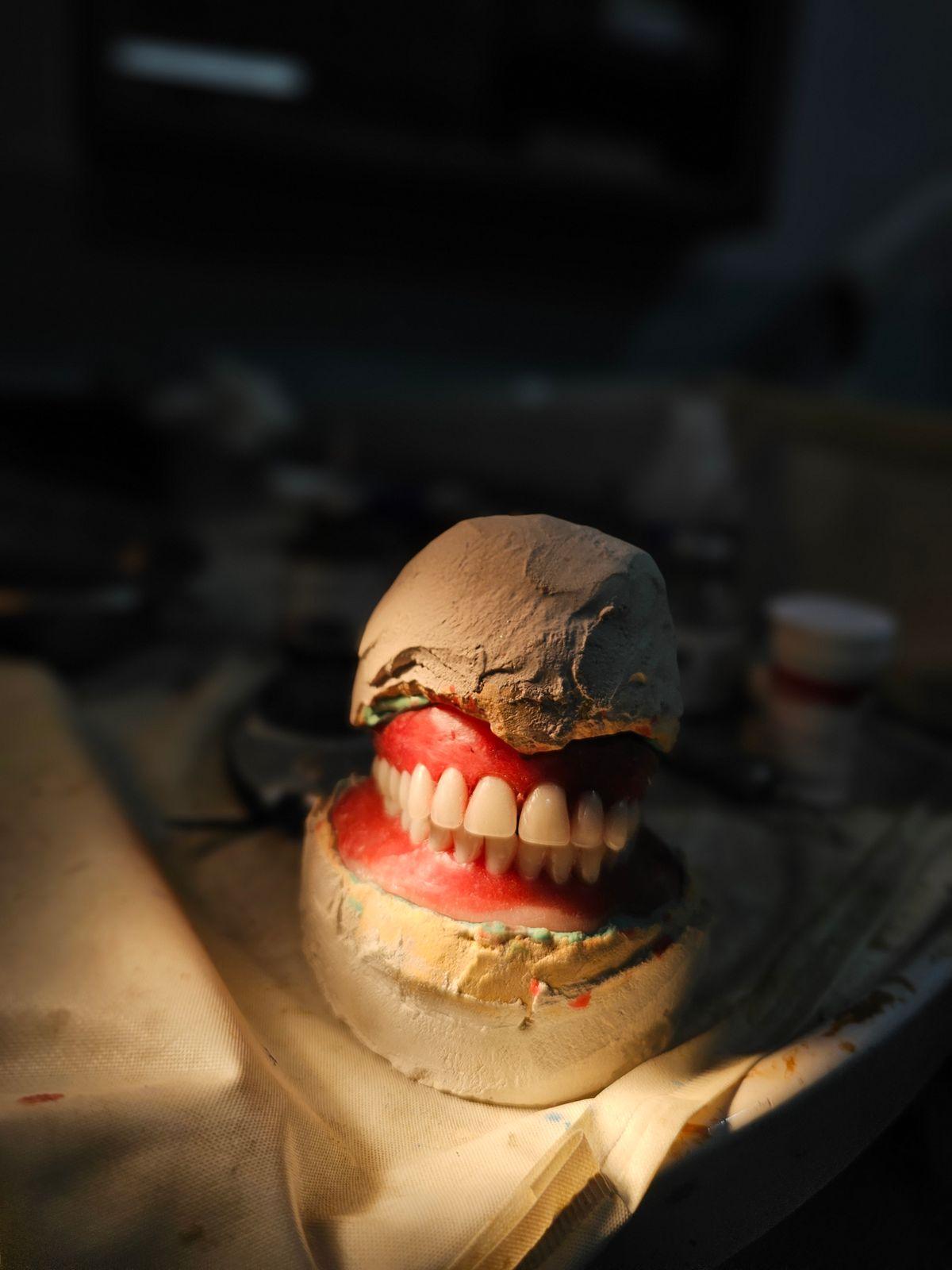
Full mouth dental implants replace all the teeth in one or both arches using implants placed in the jawbone. Instead of an implant for every tooth, a full arch of teeth is usually supported by four to six implants per jaw. The final teeth can be:
- Fixed: a full-arch bridge, sometimes called a hybrid or All-on-4 style restoration, that only your dentist removes
- Removable: an implant-retained overdenture that snaps onto two to four implants and is taken out for cleaning
The Main Factors That Affect Cost
1. Number of Implants
More implants mean more components and surgical time. A removable overdenture may need two to four implants per arch, while a fixed bridge typically needs four to six.
2. One or Both Arches
Treating only the upper or lower jaw costs less than treating both. Many patients start with the arch that troubles them most.
3. Type of Final Teeth
Material choice is a major factor. Acrylic hybrid bridges are generally less costly than zirconia or porcelain bridges, which are stronger and more stain resistant but involve more laboratory work.
4. Extractions and Preparation
Removing remaining teeth, treating infection, and placing temporary teeth all add to the plan.
5. Bone Grafting or Sinus Lifts
If bone has thinned after years of tooth loss, grafting or a sinus lift may be needed before or during implant placement.
6. Imaging and Planning
3D cone beam scans, digital planning, and surgical guides improve accuracy and safety and are usually part of the estimate.
7. Sedation
Local anaesthetic is standard. Oral or IV sedation is optional and adds to the total.
8. Experience and Technology
Clinics with advanced equipment, in-house planning, and experienced teams may have different fees, often reflecting more predictable outcomes.
Cost Comparison by Treatment Type
Instead of focusing on fixed numbers, it helps to compare options by their relative cost and value.
| Option | Relative cost | Implants per arch | Removable | Long-term value |
|---|---|---|---|---|
| Conventional full denture | Lowest | None | Yes | Lower stability, no bone preservation |
| Implant-retained overdenture | Moderate | 2 to 4 | Yes | Big gain in stability for the investment |
| Bar-retained overdenture | Moderate to higher | 3 to 5 | Yes | Excellent support, removable for cleaning |
| Fixed acrylic hybrid bridge | Higher | 4 to 6 | No | Fixed teeth, acrylic may need repairs over time |
| Fixed zirconia bridge | Highest | 4 to 6 | No | Very strong and stain resistant |
| Individual implants for every tooth | Usually highest | 8 or more | No | Rarely needed for full arches |
What Should a Quote Include?
When comparing estimates, ask whether each of the following is covered:
- Consultation, 3D imaging, and digital treatment planning
- Extractions of remaining teeth
- Bone grafting, sinus lifts, or ridge preparation
- Implants, abutments, and connecting components
- Temporary teeth worn during healing
- The final bridge or overdenture and the material used
- Sedation and anaesthetic
- Follow-up visits, adjustments, and the first maintenance cleaning
- Warranty or guarantee details on implants and prosthetics
A lower quote may not include all of these, so comparing line by line gives a more accurate picture.
Does Insurance or Government Coverage Help?
Private Dental Insurance
Many Canadian plans cover only part of implant treatment or exclude implants. Some contribute toward extractions, dentures, or crowns, which can offset part of the overall plan. Annual maximums often limit how much is reimbursed in a single year.
Canadian Dental Care Plan (CDCP)
At the time of writing, dental implants are not a standard covered service under the CDCP, although related care such as exams, extractions, and dentures may be covered for eligible patients. Coverage details can change, so check the latest program information.
Provincial Programs
Programs such as ODSP and the Ontario Seniors Dental Care Program generally do not cover implants, though they may help with dentures or extractions.
Health Spending Accounts and Tax Credits
Some patients use a health spending account through their employer. Eligible dental expenses may also qualify for the federal medical expense tax credit. Speak with a tax professional about your situation.
Ways to Make Full Mouth Implants More Manageable
- Phase the treatment. Start with one arch and complete the second later.
- Choose an overdenture first. Two to four implants with a removable denture can later be upgraded to a fixed bridge if planned in advance.
- Convert your denture. In some cases, an existing denture can be adapted to clip onto implants.
- Use insurance strategically. Splitting stages across benefit years can maximise annual limits.
- Ask about payment arrangements. Many clinics offer payment plans or work with third-party financing providers.
- Prioritise health first. Treating gum disease and infection early can reduce the need for grafting later.
Why Full Mouth Implants Can Be Good Long-Term Value
Implants are a significant investment, but many patients view them as a long-term solution rather than a short-term expense.
Durability
Implants can last for decades with proper care, while conventional dentures often need replacing every several years.
Bone preservation
Implants help maintain jawbone, reducing facial collapse and future treatment needs.
Better nutrition
Stable teeth let you eat a wider variety of healthy foods.
Fewer adhesives and relines
Fixed teeth and secure overdentures reduce ongoing denture supplies.
Confidence
Many patients report improved speech, comfort, and social confidence.
Predictability
Careful planning reduces the chance of unexpected complications and repairs.
Hidden Costs to Be Aware Of
Ongoing maintenance is part of owning implants. Over the years, you may need professional cleanings, replacement of overdenture attachment inserts, repair or replacement of acrylic teeth on a hybrid bridge, and a night guard if you grind. Ask your dentist what maintenance to expect so you can plan for it.
Myths About Full Mouth Implant Costs
How Regional Differences Affect Cost Across Canada
Fees can vary between provinces and between cities and smaller communities. Factors include local operating costs, laboratory fees, and whether specialists are involved. Ontario dentists also refer to provincial fee guides for many procedures, although implants and complex prosthetics are often priced individually because each case is unique. Travelling far for a lower quote may add travel, accommodation, and follow-up challenges, since full mouth treatment involves several visits over months.
Questions to Ask Before You Commit
- How many implants do you recommend for each arch, and why?
- Will my final teeth be fixed or removable, and what material will be used?
- Is bone grafting likely, and is it included in the estimate?
- What temporary teeth will I have during healing?
- How many appointments will I need from start to finish?
- What maintenance should I expect, and how often?
- What happens if an implant does not integrate?
Clear answers help you compare plans fairly and avoid surprises.
The Typical Timeline
Full mouth treatment often spans several months. Planning and preparation may take a few weeks. If grafting is needed, healing can add several months. After implant placement, bone integration usually takes three to six months, although many patients receive temporary teeth on the same day. The final bridge or overdenture is made once healing is complete.
Full Mouth Implant Planning in Tillsonburg
Family Dentistry on Brock is a dental office in Tillsonburg that gives patients clear, itemised implant plans with no pressure. We are proud of our 5.0 Google rating from more than 252 reviews. We welcome new patients and accept the Canadian Dental Care Plan (CDCP) for eligible services, and our team provides dental implants, clear aligners, restorative care, veneers, laser treatment, teeth whitening, emergency care, sedation dentistry, dental surgery, and orthodontics.
Implant treatment is planned by licensed dentists registered with the Royal College of Dental Surgeons of Ontario (RCDSO), with close follow-up at every stage. Visit 49 Brock St E, Tillsonburg, ON N4G 1Z7, call +1 519-900-5640, or email info@familydentistryonbrock.com. We offer extended weekday hours, including Mondays until 7:00 PM, and Saturday appointments by booking.
Want a clear picture of your implant investment?
A consultation with 3D imaging will give you a personalised, itemised plan for full mouth implants.
Frequently Asked Questions
Why do full mouth implant quotes vary so much in Canada?
Quotes differ based on the number of implants, materials, grafting, sedation, imaging, and what follow-up care is included.
Is a removable or fixed option more affordable?
Removable implant overdentures generally cost less than fixed full-arch bridges because they need fewer implants and less laboratory work.
Does the CDCP pay for full mouth implants?
Implants are not a standard covered service under the CDCP at the time of writing. Related treatments such as extractions or dentures may be covered.
Can I treat one arch at a time?
Yes. Many patients complete one arch first and the second later, which spreads out the investment.
How long do full mouth implants last?
With good hygiene and regular maintenance, implants can last many years or decades. Prosthetic teeth may need repair or replacement over time.
Conclusion
Full mouth dental implant cost in Canada depends on your bone, the design of your final teeth, and the procedures involved. An itemised, personalised plan is the best way to compare options and plan your budget. Careful planning helps you invest in a stable, long-lasting smile with confidence.