
How Often Should You Visit the Dentist for Checkups?
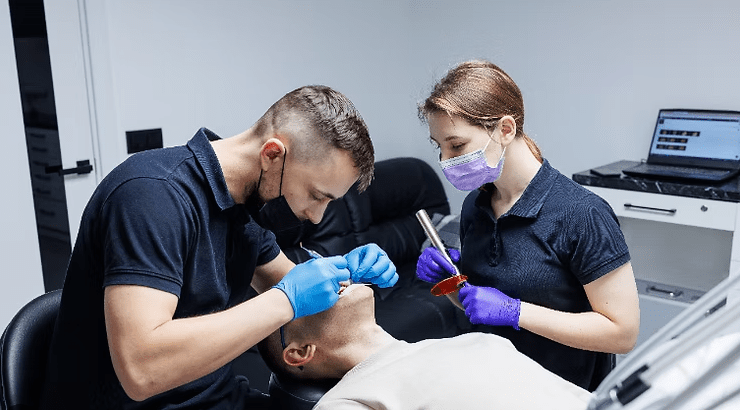
How often should you visit the dentist for checkups? For most adults and children with generally healthy teeth and gums, a dental checkup every six months is the standard recommendation from dental associations and practicing clinicians worldwide. This twice-yearly schedule gives the dental team the frequency needed to catch early decay, monitor gum health, and address any developing concerns before they require more significant treatment. Family Dentistry on Brock is one of the best dental clinics in Tillsonburg and provides comprehensive checkup care for the whole family. Patients in the area looking for a reliable Dental Clinic in Tillsonburg will find a welcoming team committed to thorough, personalised preventive care.
The six-month standard is well-established in clinical practice, but it is not universally appropriate. Some patients genuinely benefit from more frequent visits, and others with low-risk profiles and excellent oral hygiene may be safely managed with annual checkups. What matters most is that the frequency of your visits matches your individual risk level, which is determined by your history of cavities, your gum health, your diet, whether you smoke, and any health conditions that affect your oral health. Connecting with a practice that provides consistent, thorough Dental Care in Tillsonburg ensures you receive the right level of monitoring and preventive care for your specific situation.
What Does a Dental Checkup Include?
A routine dental checkup is a comprehensive assessment of your oral health, not simply a quick look at your teeth. The appointment covers all the following areas.
Medical and Dental History Review
Each visit begins with a review of any changes to your health, medications, or concerns since the last appointment. Changes in health status, new medications, and lifestyle changes all have relevance to your oral health. Dry mouth caused by medication, bleeding tendency from blood thinners, and immune suppression from certain conditions all influence the dental team’s approach to your care.
Clinical Examination
The dentist examines every tooth surface using a mirror and probe, looking for cavities, cracks, worn enamel, defective restorations, and early signs of gum disease. Gum pocket depths are measured around each tooth with a calibrated probe. Changes in measurements over time reveal whether gum disease is stable, progressing, or responding to treatment. The bite and jaw muscles are also assessed.
Oral Cancer Screening
A systematic examination of the lips, tongue, floor of the mouth, soft and hard palate, and the soft tissues of the cheeks and throat screens for any abnormal changes that could indicate early-stage oral cancer. Oral cancer has a high survival rate when detected early and a significantly lower rate when diagnosed at advanced stages. Regular checkups are when this screening most consistently happens.
Dental X-rays
X-rays reveal conditions that cannot be detected visually, including cavities between teeth that are not yet visible from the surface, bone loss associated with gum disease, root infections, cysts, and impacted or developing teeth. The frequency of X-rays is determined by clinical need rather than a fixed interval, but most patients benefit from bitewing X-rays at least annually.
Professional Cleaning
Scaling removes calculus that has hardened onto the tooth surfaces and below the gumline. Polishing removes surface stains and leaves the tooth surfaces smooth. For patients with deeper gum pockets, subgingival scaling cleans below the gumline where brushing cannot reach. Fluoride treatment at the end of the appointment provides an additional protective layer against cavity formation.
The cleaning appointment and the checkup are typically scheduled together so that the clinical examination and professional care happen at the same visit. This combined approach maximises efficiency and ensures the dental team always has a complete and current picture of your oral health. Patients in Tillsonburg who want to speak with a knowledgeable professional about their specific checkup needs can consult with a Dentist in Tillsonburg at Family Dentistry on Brock to establish the right care schedule.
Who Needs More Frequent Dental Checkups?
Certain patients need to attend more frequently than twice a year to keep their oral health properly monitored and maintained.
Patients with active or treated gum disease: Periodontitis, the advanced form of gum disease involving bone loss, requires maintenance visits every three to four months after active treatment to prevent recurrence. The bacteria that cause periodontitis re-establish in treated pockets quickly, and a shorter cleaning interval is necessary to disrupt this cycle before it causes further damage.
Diabetic patients: The relationship between diabetes and gum disease is bidirectional. High blood sugar worsens gum inflammation, and active gum disease makes blood sugar harder to control. Diabetic patients often benefit from three to four monthly cleanings and close coordination between their dental and medical teams.
Smokers and tobacco users: Tobacco use significantly increases the risk of gum disease, oral cancer, and tartar accumulation. More frequent monitoring and cleaning are standard recommendations for patients who currently smoke.
Pregnant patients: Hormonal changes during pregnancy increase gum sensitivity and the inflammatory response to plaque, raising the risk of pregnancy gingivitis. Dental checkups and cleanings every three to four months during pregnancy are considered safe and clinically important.
Patients with dry mouth: Dry mouth, whether caused by medication, systemic conditions, or radiation therapy, dramatically increases cavity and gum disease risk. These patients benefit from more frequent monitoring and may also be prescribed high-fluoride toothpaste.
Children and Dental Checkups
Children should begin dental checkups within six months of the eruption of their first tooth, or by their first birthday, whichever comes first. Early checkups establish a dental home, allow developmental monitoring, and introduce children to dental care in a low-stakes, positive context that reduces anxiety in later life. Children with a high cavity rate may need more frequent visits than the standard twice-yearly schedule.
Family Dentistry on Brock at 49 Brock St E, Tillsonburg, ON N4G 1Z7 welcomes patients of all ages for comprehensive checkup and preventive care. The team creates a warm, unhurried environment for children’s first visits and provides adult patients with the detailed clinical information they need to take an active role in managing their oral health. Patients can contact the practice at info@brock.coder-sojibuzzaman.com or (519) 900-5640. Family Dentistry on Brock is committed to making every checkup appointment a genuinely valuable investment in long-term health.
Prevention and Maintenance Between Checkups
What happens at home between checkups is just as important as the professional care received at the clinic. Brushing for two full minutes twice daily with a fluoride toothpaste, flossing every day, limiting the frequency of sugary and acidic food and drink, drinking adequate water, and avoiding tobacco all reduce the rate at which problems develop between visits.
Patients who notice any changes between scheduled appointments, including new tooth pain, bleeding gums, sensitivity, loose teeth, or changes in how the teeth fit together when biting, should contact the dental team promptly rather than waiting for the next scheduled visit. Early attention to emerging problems consistently produces better outcomes than delayed treatment.
Dental emergencies can and do occur between scheduled checkups, and knowing where to go when they happen is part of preparing well for your oral health. Whether it is a knocked-out tooth, a severe toothache, a lost filling, or significant swelling, access to urgent dental care matters. Patients in Tillsonburg can find information about after-hours urgent care options at Emergency Dental Clinic in Tillsonburg, ON through Family Dentistry on Brock.
Frequently Asked Questions
Is a dental checkup every six months really necessary?
For most patients, yes. The six-month interval is based on evidence showing that professionally removing plaque and calculus twice yearly, combined with early detection of developing problems, significantly reduces the lifetime cost and complexity of dental treatment. Patients who skip checkups consistently present with more advanced disease and require more invasive treatment.
What if I have no pain or symptoms? Do I still need a checkup?
Absolutely. The majority of dental diseases, including cavities in their early stages, bone loss from gum disease, and many oral cancers, produce no pain until they are significantly advanced. Absence of symptoms is not the same as absence of disease. Routine checkups detect silent problems when they are simplest and least expensive to treat.
Can I spread my checkups to once a year to save money?
For patients at low risk with excellent oral hygiene, once-yearly checkups are a clinically reasonable option and may be recommended by the dental team. However, spacing checkups further apart without professional assessment of your risk profile often costs more in the long run as problems that would have been caught and treated simply become more complex and expensive.
How long does a routine dental checkup take?
A combined checkup and cleaning appointment typically takes 45 to 60 minutes for a patient who attends every six months. New patient appointments or patients with more extensive histories may take longer. The dental team will estimate the appointment length when scheduling so patients can plan accordingly.
Are dental checkups safe during pregnancy?
Yes. Routine dental checkups and cleanings are safe throughout pregnancy and are actively recommended. Untreated gum disease and dental infections during pregnancy have been associated with adverse maternal and fetal outcomes in research studies. Elective cosmetic procedures are typically deferred until after delivery, but preventive and necessary restorative care should continue without interruption.
Conclusion
Regular dental checkups are the foundation of long-term oral health and the most reliable way to prevent the kinds of dental problems that require complex and costly treatment. Family Dentistry on Brock in Tillsonburg provides comprehensive, consistent checkup care for every member of the family, and the team is dedicated to ensuring each patient has the information and support they need to maintain excellent oral health between visits.