Dental Surgery Recovery Tips: What to Expect After Treatment
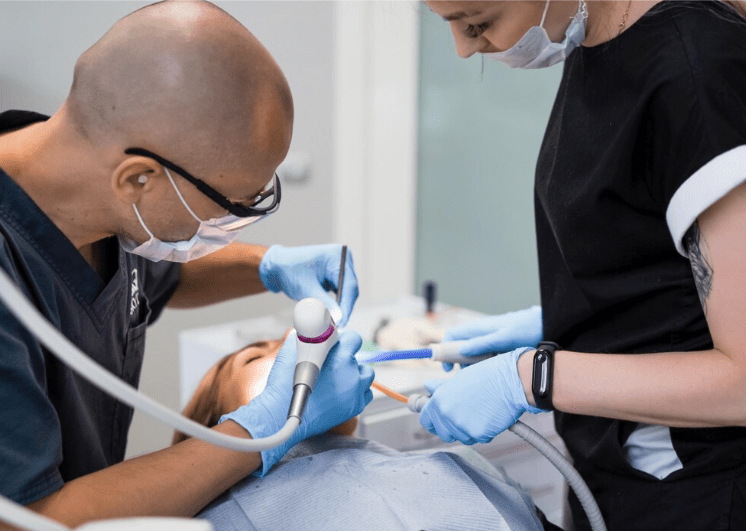
Preparing for dental surgery can feel overwhelming, but knowing what to expect during recovery makes a significant difference in how comfortable and smooth the healing process is. Whether you have undergone a tooth extraction, gum surgery, a dental implant procedure, or another form of oral surgery, following proper aftercare guidelines is essential for achieving the best possible outcome. Patients looking for a Dental Clinic in Tillsonburg that provides thorough pre- and post-operative guidance can count on Family Dentistry on Brock for clear, compassionate communication at every stage of treatment.
Family Dentistry on Brock is one of the best dental clinics in the Tillsonburg area, serving patients at 49 Brock St E, Tillsonburg, ON N4G 1Z7. The team understands that dental surgery can be a source of anxiety for many patients, and they are committed to making the entire experience, from consultation through recovery, as straightforward and reassuring as possible. If you have questions about an upcoming procedure or need support during recovery, reach out at info@brock.coder-sojibuzzaman.com. Patients who feel informed and supported by their Dental Care Provider in Tillsonburg provider are better positioned to follow aftercare instructions effectively and recover well.
The First Twenty-Four Hours After Dental Surgery
The first day after dental surgery is typically the most important window for setting the stage for a smooth recovery. During this period, your body is forming the blood clot and initial healing tissue that will protect the surgical site. A few key guidelines apply to almost every type of dental surgery during this early phase.
Expect some bleeding, swelling, and discomfort in the hours immediately following your procedure. This is normal and expected. Bite gently but firmly on the gauze provided by your dental team for the first thirty to sixty minutes to help control bleeding. If bleeding continues, replace the gauze with a fresh piece and continue applying gentle pressure. Avoid rinsing, spitting forcefully, or using straws for the first twenty-four hours, as these actions can dislodge the blood clot forming in the socket or surgical site.
Managing Pain and Swelling
Pain and swelling are the body’s natural inflammatory responses to surgery, and both are to be expected in the days following your procedure. Your dental team will provide specific recommendations for managing discomfort, which may include over-the-counter pain relievers or prescription medication, depending on the nature and extent of your surgery. Take any prescribed medications exactly as directed, even if you begin to feel better sooner than expected.
Swelling typically peaks around the second or third day after surgery and then gradually subsides. Applying a cold compress to the outside of your cheek in cycles of twenty minutes on and twenty minutes off during the first twenty-four to forty-eight hours can help minimize swelling. After the first couple of days, switching to a warm compress can help with muscle soreness and any residual swelling.
Eating and Drinking During Recovery
Diet plays an important role in recovery from Dental Surgery in Tillsonburg. In the first few days, stick to soft foods that require minimal chewing. Good options include yogurt, smoothies (consumed without a straw), mashed potatoes, scrambled eggs, soft-cooked pasta, soups that are not too hot, and pureed fruits and vegetables. Soft, nutritious foods support healing without putting stress on the surgical site.
Avoid hard, crunchy, or chewy foods until your dental team confirms that healing is progressing well. Foods such as chips, nuts, raw vegetables, and tough meats can irritate the surgical area or become lodged in the healing socket, increasing the risk of infection. Also, avoid very hot beverages and alcohol during the early recovery period. Staying well hydrated with water supports the healing process.
Oral Hygiene During Recovery
Keeping the mouth clean is important during recovery, but it must be done gently. For the first twenty-four hours, avoid brushing near the surgical site and do not use mouthwash containing alcohol, which can irritate healing tissue. Starting from the day after surgery, rinse gently with a warm salt water solution (about half a teaspoon of salt dissolved in a glass of warm water) up to four times daily, particularly after meals. This helps keep the area clean and reduces the risk of infection.
Continue brushing the rest of your teeth normally, being careful to avoid direct contact with the surgical site. Your dental team will advise you on when it is safe to resume normal brushing and flossing in the treated area. Never attempt to probe or clean the surgical site with your tongue, fingers, or any instrument, as this can disrupt the healing process.
Rest and Activity Restrictions
Rest is an important part of recovery from dental surgery. Plan to take it easy for at least the first twenty-four to forty-eight hours after your procedure. Avoid strenuous physical activity, heavy lifting, and any exercise that significantly raises your heart rate during the first several days. Elevated heart rate can increase blood flow to the surgical area and prolong bleeding or swelling. Patients are generally advised to sleep with their head slightly elevated rather than lying flat, which can also help minimize swelling.
Most people are able to return to light daily activities within a day or two of a straightforward extraction or minor surgical procedure. More extensive surgeries may require a longer period of reduced activity. Follow your dental team’s specific guidance and do not hesitate to call the office if you are unsure about when to resume particular activities.
Signs That Something May Not Be Healing Normally
While most dental surgery recoveries proceed without complications, it is important to know the signs that warrant a call to your dental office. These include severe or worsening pain after the third or fourth day (which can indicate dry socket in extraction cases), fever above 38 degrees Celsius, persistent or increasing swelling after the third day, a foul taste or odour coming from the surgical site, and difficulty opening your mouth that is getting worse rather than improving.
Dry socket is one of the more common complications after tooth extraction. It occurs when the blood clot is lost from the socket before the wound has healed, leaving the underlying bone exposed. It can be very painful but is treatable when identified early. The team at Best Dental Clinic in Tillsonburg is available to address any concerns during recovery and will guide you through the steps needed to get back on track.
Long-Term Care After Dental Surgery
Once the initial healing phase is complete, the focus shifts to long-term care that supports the lasting success of your treatment. If you have had a dental implant placed, for example, protecting the implant during the osseointegration process (when the implant fuses with the jawbone) is critical. If you have had gum surgery, ongoing attention to gum health through regular cleanings and diligent home care is essential to prevent recurrence of the underlying condition.
Attend all follow-up appointments scheduled by your dental team and report any concerns promptly. Regular checkups allow the team to confirm that healing has progressed as expected and to address any issues before they become significant. Committing to good oral hygiene habits and a healthy diet in the months following surgery pays dividends for years to come.
Frequently Asked Questions
1. How long does recovery from dental surgery typically take?
Recovery time varies depending on the type of surgery. Simple tooth extractions typically heal within three to five days for initial comfort, with full healing of the socket taking several weeks. More complex procedures, such as implant surgery or gum surgery, may take several weeks for initial tissue healing, with full integration taking months in the case of implants.
2. Can I smoke after dental surgery?
Smoking significantly increases the risk of complications after dental surgery, including dry socket and delayed healing. It is strongly advisable to avoid smoking for at least several days following any dental surgery, and ideally longer. Discuss this with your dental team before your procedure.
3. What can I eat the day after my dental surgery?
The day after surgery, stick to soft foods that do not require significant chewing. Good choices include yogurt, mashed vegetables, soft-cooked eggs, lukewarm soups, and smoothies consumed with a spoon rather than a straw. Avoid anything hard, crunchy, or very hot.
4. When can I return to work after dental surgery?
Many patients return to light office work the day after a straightforward extraction or minor surgical procedure. Those with physically demanding jobs may need to take a few more days off. Discuss your specific situation with your dental team before your appointment so you can plan appropriately.
5. Is it normal to have some numbness after dental surgery?
Some numbness immediately after surgery is expected as the local anesthetic wears off over several hours. Persistent numbness or tingling beyond twenty-four hours is less common and should be reported to your dental team. In most cases, it resolves on its own, but your team should be aware of it.
Conclusion
Recovering from dental surgery is manageable when you know what to expect and follow the guidance provided by your dental team. Rest, careful nutrition, gentle oral hygiene, and prompt communication with your clinic if concerns arise are the pillars of a smooth recovery. Family Dentistry on Brock is committed to supporting patients throughout every stage of their dental care, including recovery. Contact the clinic at info@brock.coder-sojibuzzaman.com or visit 49 Brock St E, Tillsonburg, ON N4G 1Z7 for personalized advice and compassionate care.