Cracked tooth root canal
Cracked Tooth Root Canal: What You Need to Know
A cracked tooth can be a painful and frustrating dental issue. If left untreated, it can lead to infections and severe discomfort.
One of the best ways to save a cracked tooth is through a root canal treatment. This procedure helps relieve pain, restore function, and protect your tooth from further damage.
What Is a Cracked Tooth?
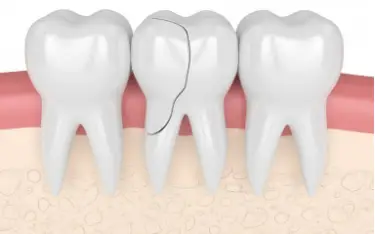
A cracked tooth occurs when there is a fracture or break in the enamel or deeper layers of the tooth. Cracks can develop due to various reasons, including:
- Biting hard foods
- Grinding teeth
- Large fillings weakening the structure
- Sudden temperature changes (e.g., eating something hot followed by something cold)
- Injuries from accidents or sports
The severity of the crack determines the best treatment. In some cases, a root canal is necessary to save the tooth and prevent complications.
Symptoms of a Cracked Tooth
A cracked tooth may not always be visible, but you may experience symptoms such as:
- Pain when chewing or biting
- Sensitivity to hot, cold, or sweet foods
- Swelling around the affected area
- Discomfort that comes and goes
- A visible crack or line on the tooth
If you notice any of these symptoms, it is important to visit a dental clinic for evaluation.
What Is a Root Canal Treatment?
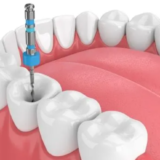
A root canal is a procedure that removes the infected or damaged pulp inside the tooth. The pulp contains nerves and blood vessels, and when it becomes inflamed or infected, it can cause severe pain.
The root canal process involves:
- Numbing the area to ensure comfort.
- Creating a small opening in the tooth to access the pulp.
- Removing the damaged pulp and cleaning the inside of the tooth.
- Filling the space with a special material to prevent reinfection.
- Sealing the tooth and placing a crown if needed for extra protection.
Why a Root Canal Is Important for a Cracked Tooth
When a tooth is cracked, bacteria can enter and cause infection. If not treated, the infection can spread to the gums and even the jawbone.
A root canal prevents this by removing the infection and strengthening the tooth.
Is a Root Canal Painful?
Many people worry that a root canal will be painful. However, modern techniques and anesthesia ensure that the procedure is as comfortable as possible.
Most patients report feeling relief after the treatment since the infection and pain are removed.
How to Prevent a Cracked Tooth
While accidents can happen, there are steps you can take to reduce the risk of cracking a tooth:
- Avoid chewing on hard objects like ice or pens.
- Wear a mouthguard if you grind your teeth at night.
- Use protective gear when playing sports.
- Maintain good oral hygiene to keep teeth strong and healthy.
Why Choose Family Dentistry on Brock?
If you need a root canal for a cracked tooth, Family Dentistry on Brock is one of the best options for a comfortable and effective treatment.
The clinic provides high-quality dental care in a relaxed environment, ensuring that patients feel at ease during their procedures.
To inquire about costs or to schedule an appointment, contact Family Dentistry on Brock at info@familydentistryonbrock.com.
The clinic is conveniently located at 49 Brock St E, Tillsonburg, ON N4G 1Z7.
Frequently Asked Questions
1. How long does a root canal take? A root canal usually takes about 60–90 minutes. In some cases, multiple visits may be required.
2. Will I need a crown after a root canal? It depends on the condition of your tooth. A crown is often recommended to protect and strengthen the tooth after treatment.
3. How long does recovery take? Most people can return to their normal activities the same day. Some sensitivity may last for a few days, but it should gradually improve.
4. Can a cracked tooth heal on its own? No, a cracked tooth will not heal on its own. It requires professional treatment to prevent further damage or infection.
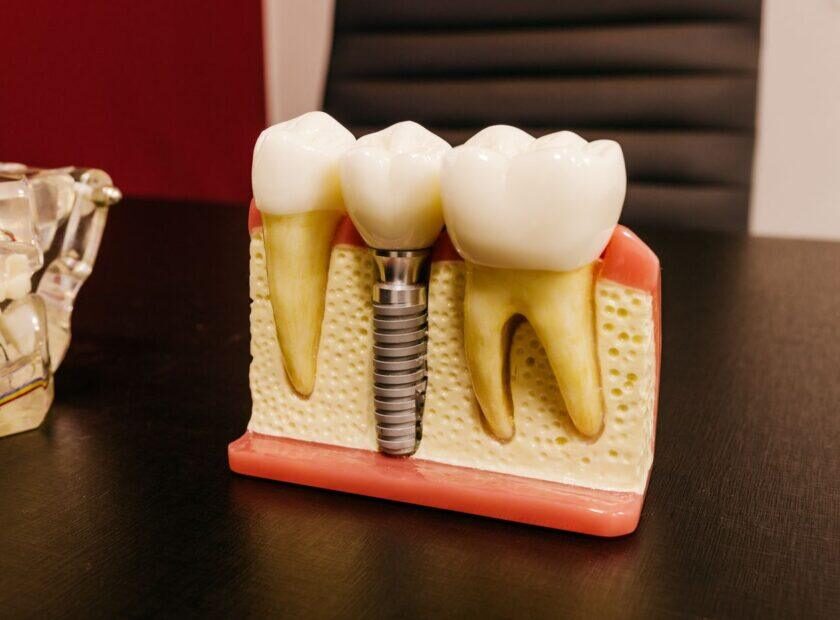
5. Is a root canal better than removing the tooth? Saving a natural tooth is always the best option. A root canal allows you to keep your tooth, avoiding the need for replacements like implants or bridges.
Conclusion
A cracked tooth can lead to serious dental issues if not treated on time. A root canal is an effective way to relieve pain, remove infection, and restore your tooth’s function.
If you are experiencing symptoms of a cracked tooth, consider visiting Family Dentistry on Brock for expert care.
For more information or to book an appointment, email info@familydentistryonbrock.com or visit 49 Brock St E, Tillsonburg, ON N4G 1Z7.
Cracked teeth and root canals
General dentist registered with the Royal College of Dental Surgeons of Ontario (RCDSO), practising at Family Dentistry on Brock, Tillsonburg. Last reviewed November 2026. This guide is general information and does not replace an exam with your own dentist.
Types of cracks and usual treatment
| Crack type | Where it is | Usual treatment |
|---|---|---|
| Craze lines | Enamel only | None, or cosmetic polishing |
| Fractured cusp | Corner of the tooth breaks off | Filling, onlay or crown |
| Cracked tooth | From the chewing surface toward the root | Crown, root canal if the nerve is involved |
| Split tooth | Crack divides the tooth | Often extraction, sometimes partial saving |
| Vertical root fracture | Starts in the root | Usually extraction |
Signs a crack may involve the nerve
- Pain that lingers after hot or cold.
- Spontaneous aching or throbbing.
- Pain that wakes you at night.
- Swelling or a pimple on the gum.
- Sharp pain when biting or when releasing a bite.
How we assess a cracked tooth
Bite test
Biting on a small stick on each cusp to find the cracked part.
Cold test
Checking how the nerve responds.
Magnification and light
Shining light through the tooth to show the crack line.
X-rays
Looking for infection at the root tip and bone changes.
Removing old fillings
Sometimes the crack is only visible once a filling is taken out.
Why does a cracked tooth hurt when I let go of a bite?
Releasing pressure lets the cracked pieces snap back together, which briefly pulls on the nerve. Pain on release is a classic sign of a crack.
Will a root canal fix the crack?
No. A root canal treats the nerve. The crack itself is held together by a crown, which is why a crown is almost always placed after a root canal on a cracked tooth.
What is the outlook for a cracked tooth?
Many cracked teeth do well for years with a crown, with or without a root canal. Cracks that extend deep below the gum have a poorer outlook, and we will explain this honestly before treatment.
Preventing cracks
- Wear a night guard if you grind or clench
- Avoid chewing ice, hard candy and pens
- Crown teeth with very large fillings
- Use a mouthguard for contact sports
What to do if you think a tooth is cracked
Acting early gives a cracked tooth the strongest chance of being saved. Avoid chewing on that side, especially hard or sticky foods, and avoid very hot or cold drinks if they trigger pain. Take pain relief as directed if needed, and book an exam soon rather than waiting for the pain to settle. If part of the tooth breaks off, keep the piece and bring it with you. If you notice swelling, a bad taste or a pimple on the gum near the tooth, call us promptly, since these can be signs that infection has developed.
Is a cracked tooth an emergency?
It is urgent if you have swelling, severe pain or a broken piece with sharp edges. Otherwise, book an exam soon and protect the tooth by chewing on the other side until it is treated.
Coverage and the Canadian Dental Care Plan
The CDCP covers root canal treatment and extractions for eligible patients, and some crowns with preauthorization, with an income-based co-payment.
Cracked tooth care at Family Dentistry on Brock
Family Dentistry on Brock is at 49 Brock St E in Tillsonburg, and we welcome patients from Tillsonburg, Norfolk County and Oxford County. We accept new patients and the CDCP. Read about crowns without a root canal, jaw pain when chewing and dental emergencies.
Cracked Tooth FAQs
Does a cracked tooth always need a root canal?
No, only if the crack reaches the nerve.
Can a crown fix a cracked tooth?
It can hold a shallow crack together.
Why does it hurt when I release a bite?
The crack flexes and pulls on the nerve.
Can a cracked tooth heal?
No, cracks do not heal on their own.
When is extraction needed?
When the crack runs into the root.
How is a crack found?
Bite tests, light, magnification and X-rays.
How can I prevent cracks?
Night guards and avoiding hard objects.
Does the CDCP cover root canals?
Yes, for eligible patients.
Book a cracked tooth assessment in Tillsonburg
Early treatment can stop a crack spreading. Family Dentistry on Brock, 49 Brock St E, Tillsonburg, ON N4G 1Z7. Call 519-900-5640 or book online. New patients and CDCP patients are welcome.
Book an appointment