Dental Crown Without Root Canal
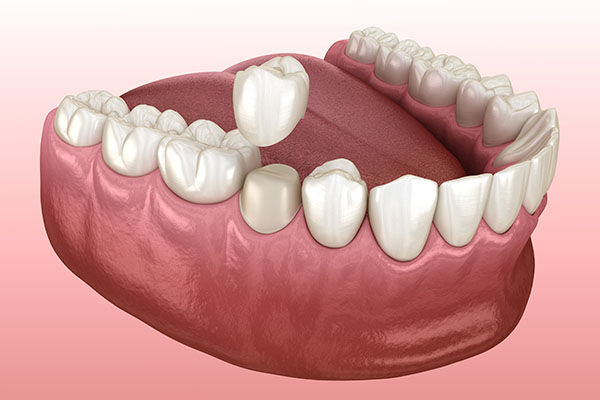
Yes, you can get a dental crown without a root canal, and in fact most crowns are placed on teeth with healthy, living nerves. A root canal is only needed first when the pulp inside the tooth is infected, badly inflamed, or likely to die. Needing a crown is common and usually straightforward, and an exam at a trusted dental clinic in Tillsonburg will show whether your tooth can be crowned directly or needs nerve treatment first.
A crown can be placed without a root canal when the tooth has no signs of infection, no lingering pain, a healthy response to nerve testing, and no abscess on the X-ray. Root canal treatment is added only when the nerve is diseased or the damage reaches the pulp.
Crowns are one of the most common treatments in restorative care, used to strengthen cracked, worn, or heavily filled teeth. Your dentist’s goal is always to keep the tooth as natural as possible, which includes keeping a healthy nerve alive whenever it is safe to do so.
If your tooth is throbbing, keeping you awake, or swelling, the nerve may already be affected. In that case, booking an urgent dental visit is the safest step before any crown is planned.
It also helps to know who will be looking after you. You can learn more about the clinic’s dentists and their approach to conservative, tooth-saving care before your appointment.
Why Most Crowns Do Not Need a Root Canal
A crown covers and protects the outer part of the tooth. A root canal treats the inner part, the pulp, which contains nerves and blood vessels. These are separate problems. Many teeth need protection on the outside even though the inside is perfectly healthy.
- A tooth with a large old filling that is starting to crack
- A molar with a fracture line that has not reached the nerve
- A tooth worn down from grinding
- A front tooth that is misshapen or badly discoloured
- A tooth used to anchor a dental bridge
In all of these cases, the nerve can stay alive, and the crown simply restores strength and shape.
When Is a Root Canal Needed Before a Crown?
A root canal becomes necessary when the pulp is no longer healthy. Placing a crown over an infected nerve would trap the problem inside and could lead to pain, swelling, or an abscess later.
| Finding | What it suggests | Usual approach |
|---|---|---|
| Short, sharp sensitivity to cold that fades quickly | Healthy or mildly irritated nerve | Crown without root canal is often possible |
| Lingering pain after hot or cold | Irreversible inflammation of the pulp | Root canal usually recommended first |
| Spontaneous throbbing pain | Inflamed or infected nerve | Root canal or other treatment before crowning |
| Swelling or a pimple on the gum | Abscess or infection | Root canal or extraction, never a crown alone |
| Dark area at the root tip on X-ray | Infection around the root | Root canal required |
| Decay reaching the pulp | Bacteria inside the nerve chamber | Root canal typically needed |
How Dentists Check the Nerve Before a Crown
- Listening to your symptoms. The type, timing, and duration of any pain gives important clues.
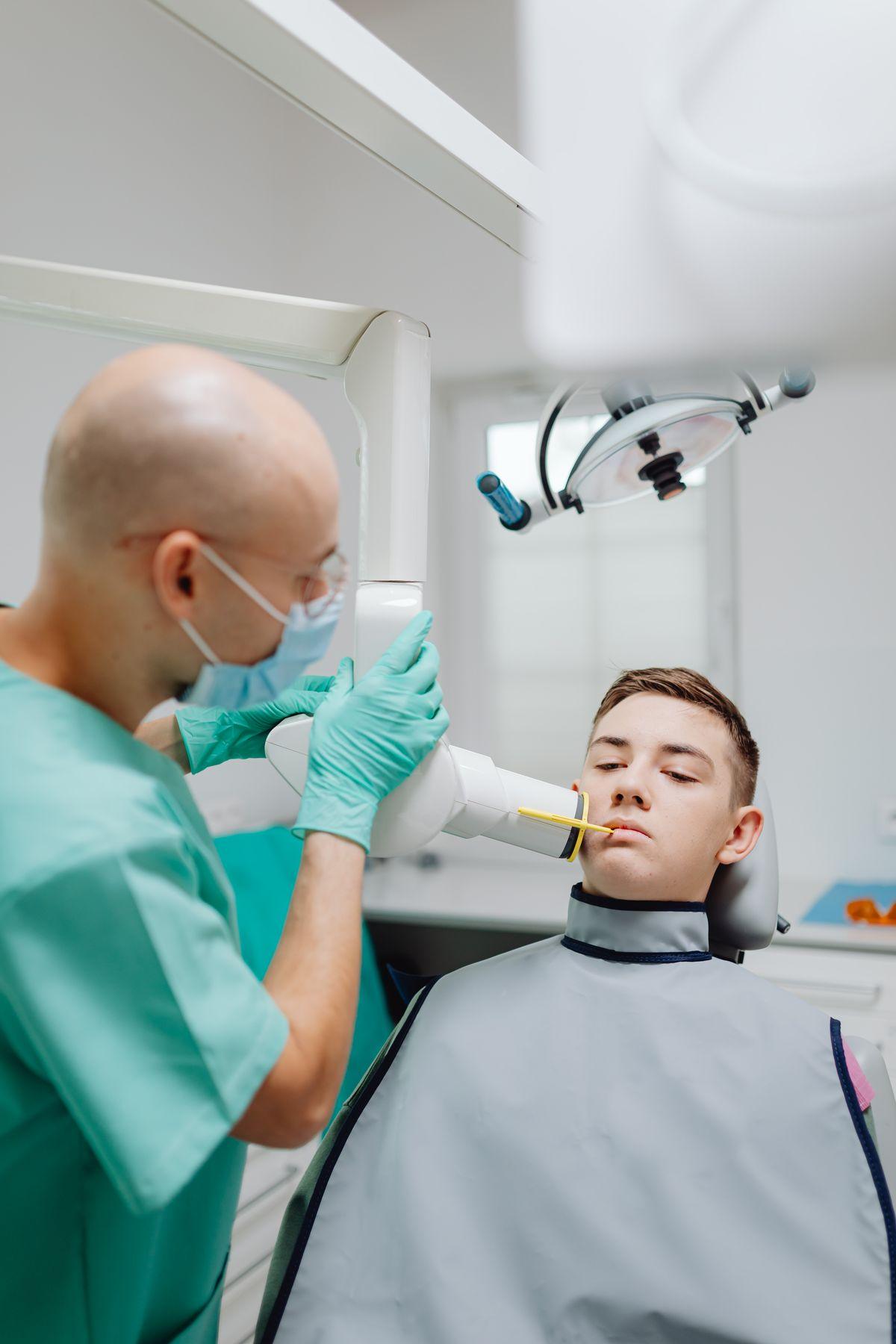
- X-rays. Images show decay depth, root health, and any infection around the root tips.
- Cold testing. A cold stimulus checks whether the nerve responds normally.
- Percussion and bite tests. Gentle tapping or biting on a special tool can reveal cracks or inflammation.
- Visual exam. The dentist checks for cracks, gum swelling, and the condition of existing fillings.
- Removing decay. During preparation, the dentist confirms that decay does not reach the pulp.
Benefits of Keeping a Living Nerve
Natural feedback
A living tooth can sense pressure and temperature, which helps protect it from excessive force.
Stronger tooth
Teeth with healthy pulp stay more hydrated and are generally less brittle.
Fewer procedures
Skipping an unnecessary root canal means less treatment time and fewer appointments.
More tooth structure
Root canal access removes some tooth from the inside. Avoiding it keeps more natural tooth.
Possible Risks of a Crown Without a Root Canal
For most people, a crown on a healthy tooth causes no long-term nerve problems. However, it is honest to acknowledge that a small percentage of crowned teeth develop nerve issues later. This can happen because the tooth was already stressed by deep decay, large fillings, cracks, or previous trauma before the crown was placed.
- Short-term sensitivity to cold for a few days or weeks after crowning is common and usually fades
- In some cases, a nerve that was already weakened may become inflamed months or years later
- If that happens, a root canal can usually be done through the crown, which can then be repaired
Signs to watch for after getting a crown
- Pain that lingers more than a few seconds after hot or cold drinks
- Throbbing pain, especially at night
- Pain when biting that does not improve after a bite adjustment
- Swelling of the gum or face near the tooth
- A bad taste or small bump on the gum
The Crown Procedure Step by Step
- Numbing the tooth. Local anaesthetic keeps you comfortable.
- Removing decay and old fillings. The tooth is cleaned and assessed again.
- Building up the core. If needed, a filling material restores missing structure.
- Shaping the tooth. A thin layer is removed so the crown fits evenly.
- Taking an impression or scan. The crown is designed for a precise fit.
- Temporary crown. A temporary protects the tooth while the final crown is made.
- Final crown placement. The new crown is checked for fit, colour, and bite before cementing.
Myths and Facts
Caring for a Crowned Tooth
- Brush twice a day, focusing on the margin where the crown meets the gum
- Floss daily to remove plaque between teeth
- Use fluoride toothpaste to protect the natural tooth below the crown
- Avoid biting ice, hard candy, or non-food objects
- Wear a night guard if you grind your teeth
- Keep up with regular checkups and X-rays
Which Teeth Are Most Likely to Be Crowned Without a Root Canal?
Every tooth is different, but some situations commonly allow a crown to be placed while keeping the nerve alive.
| Situation | Why a root canal is often not needed |
|---|---|
| Cracked tooth with no lingering pain | The crack has not reached the pulp, so covering the tooth can stop it spreading |
| Large failing filling | Decay is shallow enough to remove without exposing the nerve |
| Worn teeth from grinding | Enamel loss is on the outside and the pulp remains healthy |
| Cosmetic improvement on front teeth | The tooth is healthy but discoloured or misshapen |
| Bridge anchor teeth | Healthy neighbouring teeth are crowned to support a replacement tooth |
Crown Materials and Nerve Comfort
The material used for a crown does not decide whether a root canal is needed, but it can affect how much tooth must be reshaped and how the tooth feels afterwards. Modern ceramics such as zirconia and lithium disilicate can often be made thinner than older metal-based crowns, which may allow a more conservative preparation. Less tooth removal generally means less stress on the nerve.
- Zirconia: very strong, tooth-coloured, and suitable for back teeth.
- Lithium disilicate: highly aesthetic and well suited to front and premolar teeth.
- Porcelain fused to metal: strong but usually requires more reduction for the metal layer.
- Gold: requires minimal reduction and is gentle on opposing teeth, though not tooth-coloured.
What Happens If the Nerve Changes Later?
It is reassuring to know that if a crowned tooth does develop nerve problems in the future, it can usually still be saved. A dentist creates a small opening through the top of the crown, cleans and seals the root canals, and then closes the opening with a filling material. In many cases, the original crown can stay in place. If the crown is damaged during access, or if the tooth has changed significantly, a new crown may be recommended.
The key is not to ignore symptoms. Early treatment is usually simpler, more comfortable, and more predictable than waiting until an infection has spread.
Questions to Ask Your Dentist
- How healthy is the nerve in this tooth right now?
- How deep is the decay or crack compared with the pulp?
- What symptoms after the crown should prompt me to call?
- Which crown material is best for this tooth’s position and my bite?
- Would an onlay or a large filling be a reasonable alternative?
Clear answers to these questions help you understand the plan and feel confident that your tooth is being treated as conservatively as possible.
How Long Does Sensitivity Last After a Crown?
Most people notice mild sensitivity to cold, sweet foods, or chewing pressure for a few days to a few weeks after a new crown. This is the nerve settling after preparation and is usually a good sign that the tooth is alive and responding normally. Using a toothpaste for sensitive teeth and avoiding very cold drinks can help during this time. If the bite feels high or sensitivity is getting worse instead of better after two to three weeks, a quick check and bite adjustment usually solves the problem.
Conservative Crowns at a Top Dentist in Tillsonburg
Family Dentistry on Brock has built a reputation as one of the most trusted dental clinics in Tillsonburg, with a 5.0 Google rating from 252+ patient reviews. New patients are welcome, and CDCP (Canadian Dental Care Plan) patients are accepted. The clinic offers a full range of care, including dental implants, clear aligners, restorative care, veneers, laser treatment, teeth whitening, emergency dentistry, sedation dentistry, dental surgery, and orthodontics.
Find out if your tooth can be crowned directly
Call +1 519-900-5640, email info@familydentistryonbrock.com, or visit 49 Brock St E, Tillsonburg, ON N4G 1Z7. Monday hours extend until 7:00 PM, and Saturday appointments are available.
Frequently Asked Questions
Is it normal for a new crown to feel sensitive without a root canal?
Mild sensitivity to cold or pressure for a few days or weeks is common and usually fades as the tooth settles.
Can a root canal be done after a crown is placed?
Yes. If the nerve develops problems later, a root canal can usually be performed through the crown, and the opening is then sealed.
How do I know if my tooth needs a root canal before a crown?
Your dentist uses X-rays, cold tests, bite tests, and your symptoms to check the health of the nerve.
Does a crown without a root canal last as long?
Yes. Crowns on healthy, living teeth can last many years with good oral care and regular checkups.
Will the dentist numb my tooth for a crown?
Yes. Local anaesthetic is used during preparation so the procedure is comfortable.
Conclusion
Most dental crowns are placed without a root canal because the nerve inside the tooth is healthy. A root canal is only needed first when the pulp is infected, inflamed, or exposed by deep damage. A careful exam with X-rays and nerve testing is the best way to choose the most conservative, long-lasting treatment for your tooth.