Dental Crowns On Front Teeth

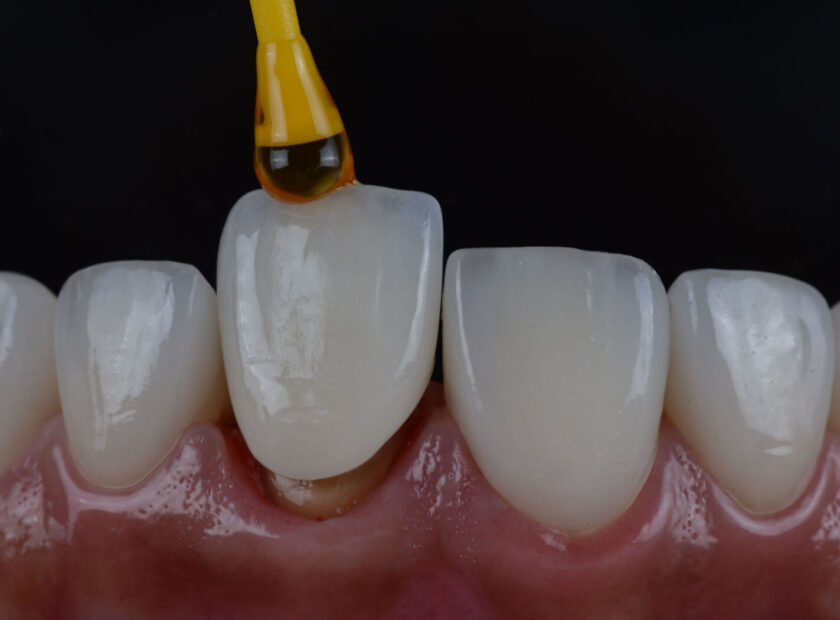
Dental crowns on front teeth are tooth-coloured caps placed over several upper or lower front teeth to restore strength and create a more even, attractive smile when the teeth are broken, heavily filled, worn, or discoloured. When more than one front tooth is crowned, the dentist designs them together as a set, planning shade, length, shape, and gum harmony so the result looks natural. Needing multiple front crowns is fairly common after trauma, grinding, or years of large fillings, and careful planning at a trusted cosmetic dental clinic in Tillsonburg makes the result look balanced and lifelike.
Several front crowns are planned as a group with a smile design, mock-up, and temporaries you can test. All-ceramic materials give the most natural look. Crowns suit weak or heavily restored teeth, while veneers may suit strong teeth needing mainly cosmetic change.
If your front teeth are structurally sound and you mainly want to change colour and shape, thin porcelain veneers may achieve your goals with less tooth reduction than crowns.

When front teeth are crowded or tilted, straightening them first with clear aligners can mean less reshaping is needed and a more conservative final result.
Front crowns are part of a wider restorative and cosmetic plan, which may also include whitening other teeth or replacing old fillings so the whole smile matches.
When Are Crowns Recommended on Several Front Teeth?
Crowning multiple front teeth is usually considered when individual repairs would not give a strong or attractive long-term result. Common situations include front teeth that have been broken in an accident, teeth with large, failing fillings on several surfaces, severe wear from grinding or acid erosion, older crowns that no longer match, and teeth that are darkened after root canals. In these cases, treating the teeth as a group allows the dentist to create a consistent shape and colour rather than patching each tooth separately.
Smile Design: Planning Crowns as a Set
When several front teeth are crowned together, your smile can be redesigned to look its best. Dentists consider the position of your lips at rest and when smiling, the centre line of your face, the curve of your lower lip, and the proportions of each tooth. The two central incisors are usually the most prominent, with the lateral incisors slightly smaller and the canines providing a gentle transition to the back teeth. Gum levels should be symmetrical, and the colour should gradually shift from slightly brighter at the front to a touch warmer at the canines.
Proportions
Central incisors slightly longer than wide, with neighbours stepping down gradually in size.
Symmetry
Left and right sides mirror each other around the midline.
Smile curve
Edges follow the lower lip for a youthful smile line.
Gum frame
Even, healthy gums that match on both sides.
Crowns vs Veneers for Front Teeth
| Factor | Crowns | Veneers |
|---|---|---|
| Coverage | Whole tooth | Front surface and edge |
| Tooth reduction | More | Less |
| Best for | Weak, broken, heavily filled, or root canal treated teeth | Strong teeth needing colour and shape changes |
| Strength | Protects and reinforces the tooth | Relies on healthy tooth structure underneath |
| Appearance | Excellent with all-ceramic materials | Excellent, very natural translucency |
Some smiles benefit from a combination, with crowns on weaker teeth and veneers on stronger ones, all matched to look like a single, unified set.
The Process for Multiple Front Crowns
- Consultation and photos. Your goals are discussed and your smile is photographed.
- Exam and X-rays. Teeth, nerves, gums, and bite are assessed.
- Diagnostic mock-up. A model or digital design shows the planned shape.
- Trial smile. In many cases, the design can be previewed in your mouth.
- Preparation. The teeth are reshaped under local anaesthetic.
- Temporary crowns. Temporaries based on the design let you test look, speech, and bite.
- Final crowns. The lab creates the crowns, which are tried in and bonded.

Myths About Front Crowns
Why Your Bite Matters With Front Crowns
Front teeth do more than look good. They guide your jaw when you move it forward and side to side, protecting your back teeth from heavy sideways forces. This role is called anterior guidance. When several front teeth are crowned, the new crowns must recreate this guidance accurately. If the crowns are too long, too short, or angled incorrectly, they may chip, feel uncomfortable when you bite, or affect how your jaw moves. Testing temporary crowns for a few weeks gives you and your dentist a chance to confirm the bite feels natural before the final crowns are made.
Grinding, Clenching, and Front Crowns
Many people who need multiple front crowns have worn their teeth down through grinding or clenching, often during sleep. If the cause is not addressed, new crowns can be damaged in the same way. Your dentist may recommend a custom night guard to protect the crowns and your other teeth. In some cases, adjusting the bite or treating jaw muscle tension is part of the plan. Protecting your investment is just as important as the crowns themselves.
Living With Temporary Front Crowns
Temporary crowns for several front teeth are usually made as a connected set based on the planned design. They let you experience the new shape and length, check speech, and see how your smile looks to others. Because they are made from acrylic or composite, they are not as strong as the final crowns.
- Avoid biting into hard foods such as apples or crusty bread with your front teeth
- Cut food into small pieces and chew with your back teeth
- Avoid sticky foods that could pull temporaries loose
- Brush gently and floss carefully, sliding floss out sideways
- Note anything you would like changed so it can be adjusted in the final crowns
Keeping Front Crowns Looking New
Ceramic crowns resist staining well, but the natural teeth around them and the gums that frame them still need care. Brushing twice a day with a soft toothbrush, flossing daily, and visiting for professional cleanings keep the gumline healthy and prevent recession. Recession can expose the edges of crowns and change how the smile looks. Avoiding habits like biting nails, chewing pens, or opening packages with your teeth reduces the risk of chipping.
Gum Contouring and Front Crowns
Sometimes the gums around the front teeth are uneven, which can make even perfect crowns look unbalanced. Gum contouring gently reshapes the gumline so it is more symmetrical. This can be done before crown preparation or as part of the treatment plan. Your dentist will only recommend it if it will meaningfully improve the overall result and suits your gum health.
Choosing the Right Material for Multiple Front Crowns
When several front teeth are being crowned, materials are chosen so all the crowns look consistent while handling the forces of your bite. Lithium disilicate is a popular choice for its natural translucency and strength. Layered zirconia offers a very strong core with a natural-looking porcelain surface, which can help when some teeth underneath are dark. High-translucency monolithic zirconia is extremely durable and increasingly lifelike. Using the same material for all front crowns usually makes it easier to achieve matching colour and light reflection across the smile.
Planning Around Your Other Teeth
New front crowns should match the teeth around them. If your side and lower teeth are darker or stained, whitening them before the crowns are shade-matched can create a brighter overall smile. Older fillings on visible teeth may also be replaced so they blend in. This step-by-step planning helps avoid a situation where new crowns look much brighter or different from the rest of your smile. Your dentist will guide you through the best order of treatment so every part of your smile works together.
Questions to Ask Before Getting Front Crowns
- Which of my front teeth truly need crowns, and which could have veneers or bonding?
- Can I see a mock-up or trial smile before the teeth are prepared?
- How will you make sure the crowns match each other and my other teeth?
- Should I whiten my other teeth first?
- Will I need a night guard to protect the crowns?
Choosing a Trusted Dental Clinic in Tillsonburg
Family Dentistry on Brock is one of the most trusted dental clinics in Tillsonburg, with a 5.0 Google rating from more than 252 patient reviews. The team welcomes new patients and accepts CDCP (Canadian Dental Care Plan) patients. Services cover dental implants, clear aligners, restorative care, dental veneers, laser treatment, teeth whitening, dental emergency care, sedation dentistry, dental surgery, and orthodontics, so most needs can be handled under one roof.
Get personal advice from a dentist in Tillsonburg
Call +1 519-900-5640, email info@familydentistryonbrock.com, or visit 49 Brock St E, Tillsonburg, ON N4G 1Z7. The office stays open until 7:00 PM on Mondays, and Saturday visits are available by appointment.
Frequently Asked Questions
How many front teeth can be crowned at once?
Several front teeth can be treated in the same visit, often four to six upper teeth, depending on the plan.
Will multiple front crowns match each other?
Yes. Designing them as a set ensures consistent shade and shape.
Can I preview my new front crowns?
Yes. Mock-ups and temporary crowns let you see and feel the design before the final crowns are made.
How long do front crowns last?
With good care, many last ten years or longer.
Are crowns or veneers better for front teeth?
Crowns suit weak or damaged teeth, while veneers suit strong teeth needing cosmetic changes.
Conclusion
Dental crowns on front teeth restore strength and create a balanced smile when several teeth are damaged, worn, or discoloured. Planning them as a set with mock-ups and temporaries helps achieve a natural, lasting result. A consultation will show whether crowns, veneers, or a combination is right for your smile.