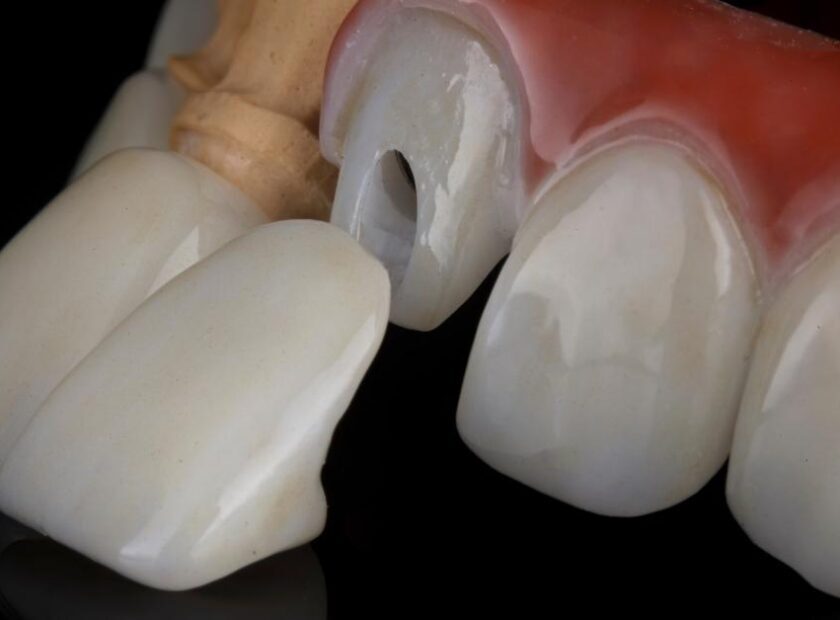
How long do dental implants last

Are you considering dental implants and wondering how long they will last? Dental implants are a popular and effective way to replace missing teeth, but their longevity is a common concern for many patients. Let’s delve into the factors that influence the lifespan of dental implants.
The Permanency of Dental Implants
Dental implants are designed to be a long-term solution for tooth replacement. With proper care and maintenance, dental implants can last a lifetime for many individuals. The key to ensuring the longevity of your dental implants is following good oral hygiene practices.
Factors Affecting the Longevity of Dental Implants
Several factors can impact how long dental implants last. Here are some key factors to consider:
| Factor | Impact |
|---|---|
| Oral Hygiene | Regular brushing and flossing can help prevent implant failure. |
| Teeth Grinding | Bruxism can put pressure on implants, potentially affecting their lifespan. |
| Bone Health | The density and health of the jawbone can influence implant stability. |
| Smoking | Tobacco use can impact the success of dental implants. |
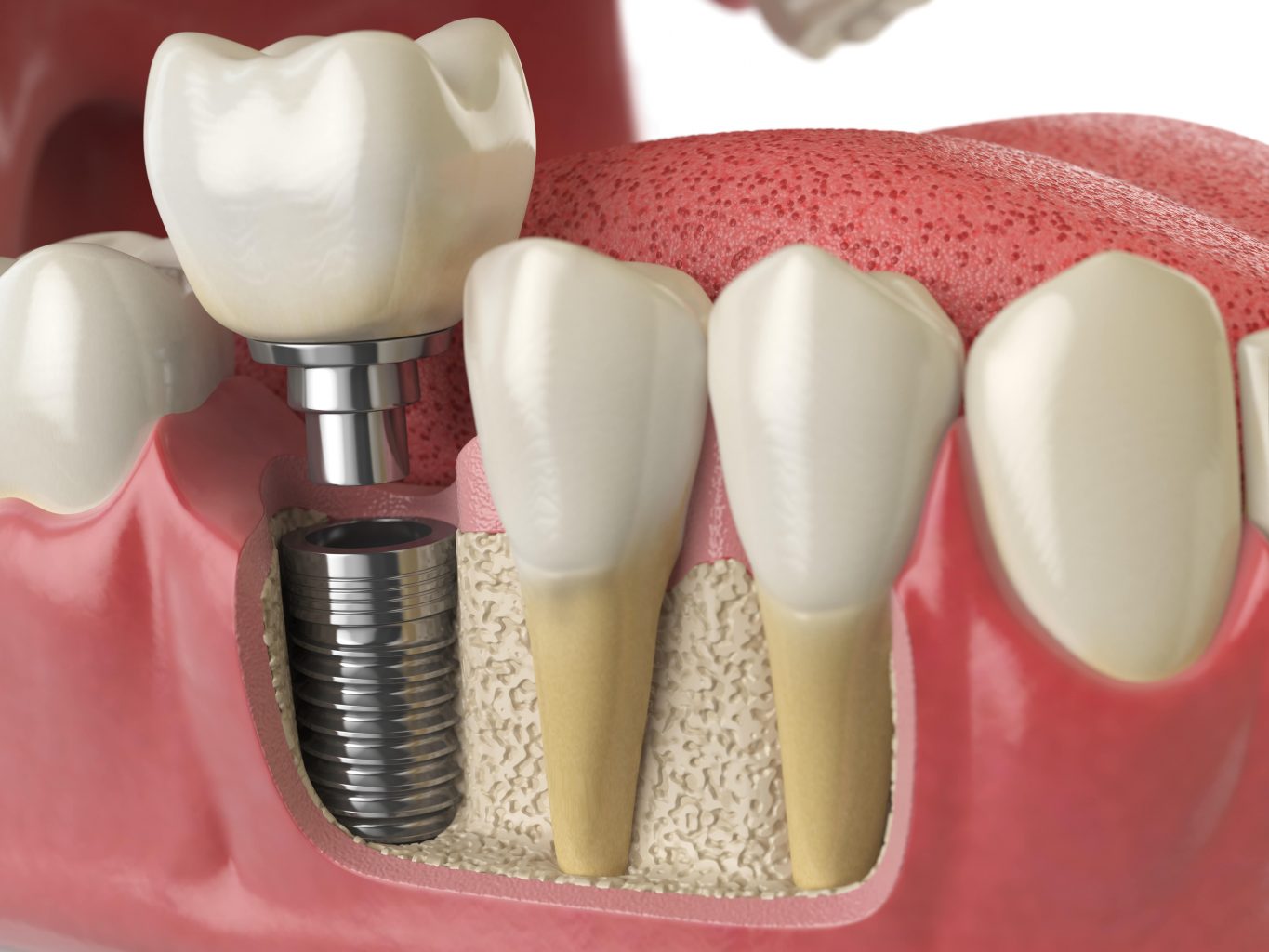
Credit: carrollton-smiles.com
Implant Failure and Replacement
While dental implants have the potential to last a lifetime, there are instances where they may fail. Implant failure can occur due to various reasons, such as infection, poor oral hygiene, or inadequate bone support. In cases of implant failure, the crown or restoration may need to be replaced to maintain oral health.
Consulting with Your Dentist
If you have concerns about the longevity of your dental implants, it is essential to consult with your dentist. Regular dental check-ups and professional cleanings can help monitor the condition of your implants and address any issues promptly to ensure their durability.
Frequently Asked Questions
What Is The Downside Of Dental Implants?
The main downside of dental implants is their higher cost compared to bridges or dentures. Dental implants are a significant investment with single implants costing thousands of dollars.
How Often Do Dental Implants Need To Be Replaced?
Dental implants can last a lifetime with proper care, but the crown may need replacement due to damage.
Can Dental Implants Last Your Whole Life?
Dental implants can last a lifetime with proper care and maintenance. However, in some cases, they may fail.
What Happens After 25 Years Of Dental Implant?
After 25 years, dental implants may need maintenance due to wear and tear. Regular check-ups are essential to assess their condition and ensure longevity. Proper care and oral hygiene can help extend the lifespan of dental implants.
Conclusion
In conclusion, dental implants have the potential to last a lifetime with proper care and maintenance. Factors such as oral hygiene, bone health, and lifestyle habits can influence the longevity of dental implants. By following your dentist’s recommendations and practicing good oral hygiene, you can maximize the lifespan of your dental implants and enjoy a confident smile for years to come.
Making your implant last
General dentist registered with the Royal College of Dental Surgeons of Ontario (RCDSO), practising at Family Dentistry on Brock, Tillsonburg. Last reviewed November 2026. This guide is general information and does not replace an exam with your own dentist.
Lifespan of each part
| Part | Typical lifespan | What affects it |
|---|---|---|
| Implant post | Often decades | Bone health, gum health, smoking |
| Abutment | Many years | Screw loosening, grinding |
| Crown | 10 to 15 years or more | Wear, chipping, bite forces |
| Overdenture inserts | About a year | Daily snapping in and out |
| Overdenture base | Several years | Relines as gums change |
Habits that help implants last
- Brush twice daily, including around the gumline of the implant.
- Clean between implants and teeth with floss, interdental brushes or a water flosser.
- Keep cleanings every three to six months as advised.
- Wear a night guard if you grind or clench.
- Avoid smoking and vaping.
- Keep blood sugar controlled if you have diabetes.
What can cause implant problems
Peri-implantitis
Gum and bone inflammation around an implant, similar to gum disease.
Overload
Heavy grinding can loosen screws or chip crowns.
Smoking
Reduces blood flow and increases bone loss.
Poor cleaning
Plaque build-up leads to inflammation.
Medical conditions
Uncontrolled diabetes and some medications affect healing.
What are the signs an implant needs attention?
Bleeding or swollen gums around the implant, a bad taste, a loose crown, pain when biting or a feeling that the implant moves. Call us if you notice any of these.
Can an implant fail years later?
It is uncommon but possible, usually due to peri-implantitis or heavy forces. Early treatment of gum inflammation gives the strongest chance of saving it.
Do implants need special checkups?
Yes. We check the gums, bite, crown and bone level with periodic X-rays, and clean around implants with instruments that do not scratch them.
Implants compared with other options
- Bridges often last 10 to 15 years and depend on support teeth
- Partial dentures often last 5 to 10 years with relines
- Implants often outlast both when well maintained
What happens at an implant maintenance visit
Implant checkups look a little different from routine cleanings. The hygienist measures the gum around each implant gently, looks for bleeding or swelling, and cleans the implant surfaces with instruments made for implants so the metal or zirconia is not scratched. We check that the crown or denture is secure, that screws have not loosened and that your bite is even, since heavy contact on an implant crown can chip it or strain the parts underneath. Periodic X-rays compare the bone level with earlier images. If early inflammation is found, it is treated with deeper cleaning, antibacterial rinses and better home care before it affects the bone. Most implant problems that are caught early can be managed successfully, which is why keeping these visits matters as much as brushing at home.
Who is most likely to keep implants long term?
People who clean carefully every day, do not smoke, keep regular maintenance visits and manage health conditions such as diabetes tend to have the most success. Grinders who wear a night guard also protect their crowns and implant parts. If you have had gum disease in the past, more frequent cleanings help keep the gums around implants healthy.
Implant maintenance at home: a checklist
- Brush around the implant crown twice a day with a soft brush
- Use floss, implant floss or an interdental brush daily
- Rinse with an alcohol-free mouthwash if recommended
- Wear your night guard if you grind
- Book cleanings every three to six months
Can I use an electric toothbrush on implants?
Yes. A soft or sensitive brush head works well around implant crowns.
Do implants feel different from natural teeth?
Implants do not have a ligament around them, so they feel very solid. Most people quickly forget which tooth is the implant.
What should I do if my implant crown feels loose?
Call us. A loose screw can often be tightened quickly, which prevents further damage to the parts underneath.
How implants compare over the long term
When people choose between an implant, a bridge or a partial denture, long-term care is an important part of the decision. A bridge depends on the health of the teeth that support it, and if one of those teeth develops decay or gum problems, the whole bridge may need to be redone. A partial denture needs relines and eventually replacement as the gums change, and the clasp teeth need careful cleaning. An implant stands on its own and does not rely on neighbouring teeth, which is one reason it often lasts longer. However, implants are not maintenance-free. The gum and bone around them must be kept healthy, the crown may eventually need replacing because of wear, and regular checkups are essential. With that care, many people keep their implants for decades.
Are implants affected by gum disease?
Yes. A similar condition, peri-implantitis, can affect the gum and bone around implants, so daily cleaning matters.
Can an implant be placed if I have had gum disease?
Often yes, once the gum disease is treated and under control. People with a history of gum disease benefit from more frequent cleanings to keep the tissue around implants healthy over the long term.
Coverage and the Canadian Dental Care Plan
The CDCP does not cover dental implants, but it covers exams, X-rays and cleanings for eligible patients, which help monitor implants.
Dental implants at Family Dentistry on Brock
Family Dentistry on Brock is at 49 Brock St E in Tillsonburg, and we welcome patients from Tillsonburg, Norfolk County and Oxford County. We accept new patients and the CDCP. Read about dental implants, bone grafting and snap-in denture care.
Implant Lifespan FAQs
How long do dental implants last?
The post often lasts decades with good care.
How long does an implant crown last?
Often 10 to 15 years or more.
What is peri-implantitis?
Inflammation of gum and bone around an implant.
Does smoking affect implants?
Yes, it raises the risk of problems.
Can implants fail years later?
Uncommonly, usually from gum inflammation.
How should I clean an implant?
Brush and clean between teeth daily.
Do implants need checkups?
Yes, regular cleanings and X-rays.
Does the CDCP cover implants?
No.
Book an implant check in Tillsonburg
Keep your implants healthy for the long term. Family Dentistry on Brock, 49 Brock St E, Tillsonburg, ON N4G 1Z7. Call 519-900-5640 or book online. New patients and CDCP patients are welcome.
Book an appointment