Root canal treatment cost
Root Canal Treatment Cost: What to Expect
A root canal is a common dental procedure that helps save a damaged or infected tooth.
Many people worry about the cost of a root canal, but understanding the factors that affect pricing can help you plan better.
In this article, we will discuss the cost of root canal treatment, what influences the price, and where you can receive high-quality care.
What is a Root Canal?
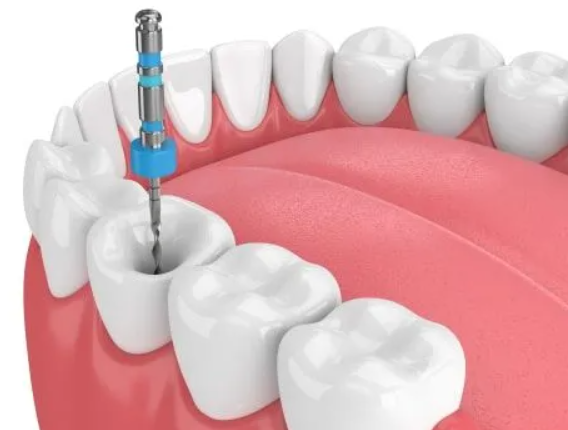
A root canal is a treatment designed to remove infection from inside a tooth. It involves cleaning out the damaged pulp, disinfecting the tooth, and sealing it to prevent further infection.
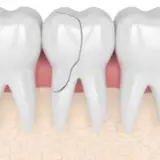
This procedure is necessary when a tooth is severely decayed, cracked, or has an abscess.
Factors Affecting Root Canal Cost
Several factors can influence the cost of a root canal treatment:
- Location of the Tooth
- Front teeth generally cost less than molars. Molar root canals are more complex and require more time and effort.
- Severity of the Infection
- If the infection is severe, additional treatments may be needed, increasing the cost.
- Dentist’s Experience and Technology Used
- Clinics using advanced technology may charge more for precision and comfort.
- Need for Additional Procedures
- A dental crown is often required after a root canal to protect the tooth, adding to the overall cost.
- Dental Insurance Coverage
- Some insurance plans cover part of the treatment, while others may not.
Why Invest in a Root Canal?
A root canal helps preserve your natural tooth, preventing the need for extraction and costly replacements like implants or bridges.
Delaying treatment can lead to more pain, further damage, and higher expenses in the long run.
Affordable and Effective Root Canal Treatment
If you are looking for a comfortable and effective root canal treatment, Family Dentistry on Brock is one of the best options.
The clinic provides high-quality care, ensuring a painless experience with advanced techniques.
To inquire about costs or to schedule an appointment, contact Family Dentistry on Brock at info@familydentistryonbrock.com. The clinic is located at 49 Brock St E, Tillsonburg, ON N4G 1Z7.
FAQs About Root Canal Treatment
1. Is a root canal painful?
- No, modern root canal treatments are performed under anesthesia, making the procedure painless.
2. How long does a root canal take?
- It typically takes one to two visits, depending on the severity of the infection.
3. Will I need a dental crown after a root canal?
- In most cases, a crown is recommended to protect and strengthen the treated tooth.
4. Can I eat after a root canal?
- Yes, but it is best to wait until the numbness wears off and eat soft foods initially.
5. How long does a root canal last?
- With proper care, a root canal-treated tooth can last a lifetime.
Conclusion
Understanding the factors that affect root canal costs can help you make informed decisions about your dental health.
While prices vary, investing in this treatment can save you from more extensive dental problems in the future.
For a comfortable and effective root canal experience, reach out to Family Dentistry on Brock today.
For inquiries, email info@familydentistryonbrock.com or visit the clinic at 49 Brock St E, Tillsonburg, ON N4G 1Z7.
Breaking down root canal treatment costs
General dentist registered with the Royal College of Dental Surgeons of Ontario (RCDSO), practising at Family Dentistry on Brock, Tillsonburg. Last reviewed November 2026. This guide is general information and does not replace an exam with your own dentist.
Stages of treatment and what each covers
| Stage | What is done | Why it matters |
|---|---|---|
| Diagnosis | Exam, X-rays, nerve tests | Confirms the tooth needs a root canal and can be saved |
| Emergency relief (if needed) | Opening the tooth to relieve pressure | Controls severe pain or swelling |
| Root canal | Cleaning, shaping and sealing the canals | Removes infection |
| Build-up or post and core | Rebuilding the inside of the tooth | Gives the crown something to hold |
| Final restoration | Crown on back teeth, filling or crown on front teeth | Protects against fracture |
| Follow-up | X-ray months later if needed | Checks bone healing |
Factors that change the overall cost
- Number of canals: front teeth usually one, molars three or four.
- Complexity: curved, narrow or calcified canals.
- Retreatment of an earlier root canal.
- Whether a post is required.
- The crown material chosen.
- Referral to an endodontist for complex cases.
Ways to keep costs predictable
One combined estimate
Ask for all stages on one written plan.
Predetermination
Your insurer or the CDCP confirms coverage in advance.
Prompt treatment
Treating early avoids emergency visits and extra steps.
Timely crown
Restoring the tooth soon after avoids fractures that could mean extraction.
Is the crown really necessary?
For back teeth, usually yes. After a root canal, molars and premolars become more brittle, and a crown greatly lowers the chance of the tooth cracking. Front teeth with small access holes can sometimes be restored with a filling.
Is extraction a cheaper option?
On the day, extraction usually costs less. But replacing the tooth later with an implant, bridge or partial denture often costs more in total than saving it, and leaving a gap can cause other teeth to shift.
Why might I be referred to an endodontist?
For teeth with unusual anatomy, blocked canals, retreatments or persistent infection, an endodontist has extra training and equipment such as microscopes. Their fees follow their own schedule.
What your estimate should list
- Exam and X-ray codes
- Root canal code by number of canals
- Build-up or post if planned
- Crown or filling
- Your expected share after coverage
Questions to ask before you agree to treatment
Before starting, it helps to ask a few simple questions so the plan and the total are clear. How many canals does the tooth have, and is it likely to be straightforward? Will the tooth need a build-up or a post? Which crown material is recommended, and why? Is there any chance the case will need an endodontist? How many visits are planned, and what happens if a second visit is needed? Finally, what is the outlook for this tooth compared with removing it? Clear answers to these questions, together with a predetermination from your insurer or the CDCP, mean there should be no surprises once treatment begins. We are always happy to go through the X-ray with you and explain each line of the estimate in plain language.
Coverage examples by situation
Coverage depends on your plan, but these general patterns are common.
- Private plan: the root canal is often covered as a basic service, and the crown as a major service
- CDCP: the root canal is covered for eligible patients, and some crowns need preauthorization
- No coverage: you pay directly, and treatment can be prioritized
Can I get the root canal now and the crown later?
Yes, but do not wait too long. A tooth with only a temporary filling can crack or become reinfected, which can turn a simple restoration into a more complex one. We usually suggest completing the crown within a few weeks.
Is a second opinion a good idea?
For complex teeth, a second opinion or a referral to an endodontist can help you feel confident about the plan.
Why the crown is part of the true cost of a root canal
When comparing options, it helps to think of a root canal and its crown as one treatment rather than two. The root canal removes the infection and saves the root, while the crown protects the tooth so it can keep working for many years. Skipping or delaying the crown on a back tooth often leads to a fracture, and a fractured root canal tooth may not be restorable at all. In that case, the cost and time of the root canal are lost, and the tooth must be removed and replaced. Planning the crown from the start, choosing a suitable material and scheduling it within a few weeks makes the most of the treatment you have already invested in. If cost is a concern, we can explain which crown materials suit your tooth and your coverage.
Who decides which crown material is used?
We recommend a material based on the tooth’s position, your bite and any grinding, then discuss options and coverage with you before treatment.
Coverage and the Canadian Dental Care Plan
The CDCP covers root canal treatment for eligible patients with a co-payment of 0, 40 or 60 percent depending on income, and some crowns with preauthorization.
Root canals at Family Dentistry on Brock
Family Dentistry on Brock is at 49 Brock St E in Tillsonburg, and we welcome patients from Tillsonburg, Norfolk County and Oxford County. We accept new patients and the CDCP. Read about root canal coverage in Ontario, how Ontario fees are set and crowns versus fillings.
Root Canal Cost Breakdown FAQs
What is included in root canal cost?
Diagnosis, the root canal, any build-up and the restoration.
Is the crown part of the root canal fee?
No, it is billed separately.
Why do molars cost more?
They have more canals.
What is a post and core?
A support built inside the tooth for the crown.
Is extraction cheaper overall?
Not usually once replacement is included.
When is an endodontist needed?
For complex teeth or retreatments.
Can I get one combined estimate?
Yes, ask for all stages together.
Does the CDCP cover root canals?
Yes, for eligible patients.
Book a root canal assessment in Tillsonburg
Get a clear, stage-by-stage estimate. Family Dentistry on Brock, 49 Brock St E, Tillsonburg, ON N4G 1Z7. Call 519-900-5640 or book online. New patients and CDCP patients are welcome.
Book an appointment