How To Avoid Denture Face

You can avoid denture face by keeping your dentures well fitted, replacing worn sets on time, and preserving jawbone with options such as implant-supported dentures. Denture face, the sunken look around the lips and chin, is common after many years without natural teeth, but it is not inevitable and it can often be improved. Our restorative dentistry team in Tillsonburg assesses bite height, fit, and bone levels to keep your face looking natural.
Denture face is caused mainly by gradual jawbone loss and dentures that have worn down or no longer fit. Regular relines, timely replacement, correct bite height, and implants that stimulate the bone are the most effective ways to prevent or reverse it.
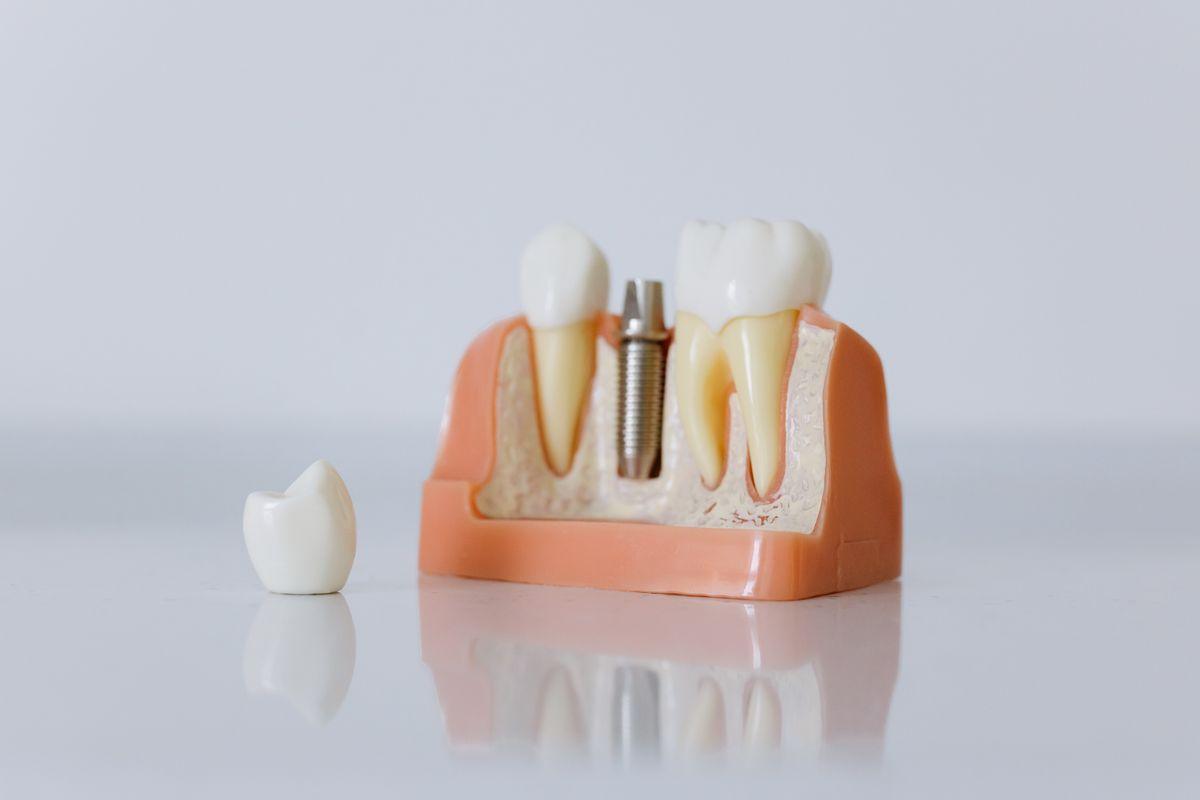
When teeth are removed, the bone that once held them no longer receives chewing pressure. Over time that bone shrinks in height and width. Dentures rest on top of the gums, so they cannot stop this process on their own. Anchoring a denture with dental implants placed at our clinic gives the bone a reason to stay, which is why implant options are central to long-term prevention.

The good news is that early action makes a visible difference. Many patients notice a fuller lip line and a more relaxed jaw after a well-planned new denture or reline. To understand every option available, you can review our complete list of dentistry services before your visit.
Choosing an experienced provider matters too. You can meet the dentists on our team who plan dentures and implant restorations with facial support in mind, not just tooth replacement.
What Is Denture Face?
Denture face is an informal term for the facial changes that happen when the lower third of the face loses support. Dentists often describe it as facial collapse or loss of vertical dimension. Typical signs include:
- Thin, inward-turning lips
- Deeper lines around the mouth and chin
- A chin that appears to move closer to the nose
- Sagging cheeks or jowls
- Cracks or soreness at the corners of the mouth
- A face that looks older than your age
These changes usually develop slowly over years, so many people only notice them when comparing old photos.
Why Denture Face Happens
Jawbone Resorption
After tooth loss, the jawbone starts to resorb. The loss is fastest in the first year and continues steadily afterward. The lower jaw tends to lose bone faster than the upper jaw, which is one reason lower dentures often become loose before upper ones.
Worn Denture Teeth
Acrylic denture teeth wear down with daily chewing. As they flatten, your jaws close further together than they should. This reduces face height and folds the lips inward.
Poor Fit Over Time
As the gums and bone shrink, a denture that once fit well starts to rock or slip. A loose denture cannot support the lips and cheeks properly and may cause sore spots that make you avoid wearing it.
Leaving Dentures Out
Some people stop wearing their dentures because they are uncomfortable. Without teeth in place, the face loses support immediately, and chewing becomes harder, which affects nutrition.
Proven Ways to Avoid Denture Face
Implant-supported dentures
Two or more implants anchor the denture and help preserve the bone beneath, reducing long-term shrinkage.
Regular relines
A reline adds new material to the fitting surface so the denture matches your changing gums.
Timely replacement
Most conventional dentures need replacing every five to eight years as teeth wear and tissues change.
Correct bite height
Your dentist measures vertical dimension so the jaws close at a natural, supported position.
Immediate dentures
Wearing a denture right after extractions supports the lips during healing and helps you adapt.
Bone grafting
In selected cases, grafting rebuilds lost bone before implants or a new denture.
Comparing Your Options
| Option | Bone preservation | Stability | Best for |
|---|---|---|---|
| Conventional full denture | Does not slow bone loss | Moderate, may need adhesive | Patients wanting a simple, removable option |
| Reline of current denture | No effect on bone | Improves fit temporarily | Dentures in good condition that have loosened |
| Implant-retained overdenture | Helps preserve bone at implant sites | High, snaps in place | Loose lower dentures and early facial changes |
| Fixed implant bridge | Strong preservation | Very high, does not come out | Patients wanting a permanent, natural feel |
Each option has trade-offs in treatment time, number of visits, and suitability based on bone volume and general health. A consultation is the only reliable way to know which fits you.
Step-by-Step: How Dentists Restore Facial Support
- Comprehensive exam. The dentist examines gums, bone, existing dentures, and facial proportions, often with X-rays or a 3D scan.
- Bite and face height measurement. Measurements and photographs help determine the ideal vertical dimension.
- Treatment planning. Options such as a reline, a new denture, or implant support are discussed with their pros and cons.
- Impressions and try-in. A wax try-in lets you see lip support and tooth position before the final denture is made.
- Fitting and adjustment. The finished denture or implant restoration is fitted, and pressure spots are adjusted.
- Follow-up care. Regular reviews track fit and bone changes so small issues are corrected early.
Everyday Habits That Help
Your habits at home also influence how long your dentures support your face well.
- Wear your dentures during the day unless told otherwise, and remove them at night to rest the gums.
- Clean dentures daily with a soft brush and non-abrasive cleaner to prevent staining and odour.
- Do not adjust or file dentures yourself. Small changes can throw off your bite.
- Avoid using heavy amounts of adhesive to mask a poor fit. Persistent looseness means it is time for a review.
- Eat a balanced diet with enough protein and calcium to support oral tissues.
- Book a denture check at least once a year, even if everything feels fine.
Myths About Denture Face
Can Denture Face Be Reversed?
In many cases, yes. A new denture made with correct vertical dimension can lift the lips and soften lines within a single fitting. Implant-supported options provide even more stability and help slow further bone loss. Where bone loss is advanced, bone grafting may be recommended before implants. Results depend on your anatomy and health, so your dentist will set realistic expectations during planning.
Cosmetic treatments such as dermal fillers may soften lines, but they do not fix the underlying cause. Restoring proper tooth support is the foundation.
Who Is Most at Risk?
- People who have worn the same dentures for many years
- Those who lost teeth at a younger age
- Patients with a full lower denture
- Smokers and people with conditions that affect bone health
- Anyone who often leaves dentures out
How Upper and Lower Dentures Affect Facial Support Differently
The upper and lower jaws respond differently to tooth loss, and this changes how denture face develops.
Upper Dentures
An upper denture covers the palate, which gives it a larger surface for suction. This is why many people find upper dentures fairly stable even after years of wear. However, the bone under the upper front teeth still shrinks upward and backward. As it does, the upper lip can lose its natural fullness and the space under the nose may appear flat.
Lower Dentures
A lower denture sits on a narrow ridge with the tongue and cheek muscles moving around it. There is far less surface for suction, so even small amounts of bone loss make it feel loose. Because the lower jaw also resorbs faster, the chin can rotate forward and upward as the face shortens. This is one reason many dentists recommend implant support for the lower jaw first.
Nutrition, Confidence, and Overall Health
Denture face is not only a cosmetic issue. Loose or worn dentures make chewing harder, so people often avoid fresh vegetables, fruit, and lean meats. Over time this can reduce protein and fibre intake, affecting energy and general health.
Confidence matters as well. Many patients tell us they stopped smiling in photos or avoided social meals because their dentures moved. Restoring a stable bite and natural lip support often improves speech clarity, enjoyment of food, and comfort in social settings.
Questions to Ask at Your Denture Consultation
Coming prepared helps you get clear, useful answers. Consider asking:
- How much bone have I lost, and how quickly is it changing?
- Is a reline enough, or do I need a new denture?
- Am I a candidate for implant-retained or fixed implant options?
- How will you measure my bite height and lip support?
- How many visits will treatment take, and what will healing involve?
- How often should I return for checks after my new denture is fitted?
A good consultation should leave you understanding your options, the expected results, and the care needed to keep those results over time.
Personalised Denture Care in Tillsonburg
At Family Dentistry on Brock, we treat denture comfort and facial appearance as equally important. Our family dentist in Tillsonburg team is rated 5.0 on Google by more than 252 patients, and we are happy to welcome new patients as well as those covered by the Canadian Dental Care Plan (CDCP). Beyond dentures, we provide implants, clear aligners, restorative care, veneers, laser treatment, whitening, emergency care, sedation dentistry, surgery, and orthodontics.
Every treatment is planned by licensed dentists registered with the Royal College of Dental Surgeons of Ontario (RCDSO). You can call +1 519-900-5640, email info@familydentistryonbrock.com, or visit us at 49 Brock St E, Tillsonburg, ON N4G 1Z7. We are open late on weekdays, including Mondays until 7:00 PM, and Saturday appointments are available by booking.
Noticing changes in your smile or face shape?
A denture and bite assessment can show whether a reline, a new set, or implant support would restore your natural look.
Frequently Asked Questions
What does denture face look like?
Denture face shows as thin or sunken lips, deeper lines around the mouth, a shorter lower face, and sagging around the chin and cheeks.
How often should dentures be replaced to prevent facial collapse?
Most conventional dentures need replacing every five to eight years, with relines in between, because teeth wear down and gums change shape.
Do implants stop denture face?
Implants place healthy stress on the jawbone, which helps slow bone loss at those sites and gives the denture strong, stable support.
Can a reline improve my facial appearance?
A reline improves fit and comfort, but it does not change worn teeth or bite height. A new denture may be needed if the face has shortened.
At what age does denture face start?
It depends on how long you have been missing teeth rather than your age. Changes can appear within several years of tooth loss.
Conclusion
Denture face is largely preventable with good-fitting dentures, regular relines, and timely replacement. Implant support offers the strongest long-term protection for your jawbone and facial shape. A professional denture assessment is the best first step toward a fuller, more natural smile.