Are root canals bad for you?

Are Root Canals Bad for You? Myths, Facts, and Benefits Explained
Root canal treatment is one of the most common dental procedures, yet it often carries a negative reputation due to widespread misconceptions.
Some people worry that root canals might be harmful or lead to health complications. But are these concerns backed by scientific evidence?
This article will clarify what a root canal treatment entails, dispel myths, and explain why root canals can be a beneficial choice for maintaining oral health.
What Is a Root Canal?
A root canal is a dental procedure designed to save a tooth that has been damaged by decay, infection, or trauma.
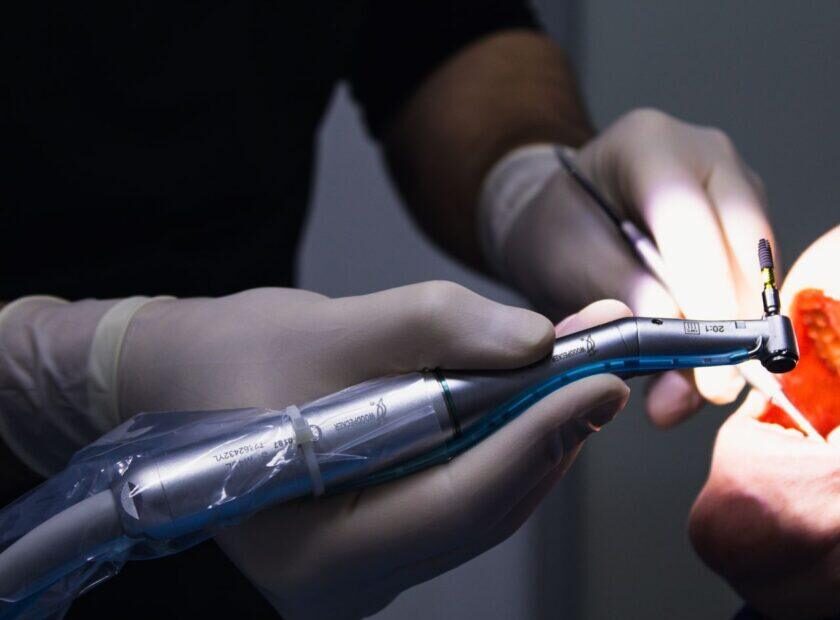
During the treatment, the dentist removes the infected or inflamed pulp (the soft tissue inside the tooth), cleans and disinfects the root canal space, and then fills and seals the tooth to prevent further infection.
This procedure preserves the natural tooth structure, allowing you to maintain a complete smile and full chewing function.
Understanding the Benefits of a Root Canal
Contrary to some myths, root canal treatments have several benefits that make them a preferred option for addressing infected teeth. Here are some of the main advantages:
- Pain Relief: When a tooth becomes infected, it can cause severe pain and discomfort. A root canal removes the infection, alleviating pain and restoring comfort.
- Tooth Preservation: By preserving your natural tooth structure, a root canal helps you avoid extractions, bridges, or implants. Retaining natural teeth maintains your ability to chew and speak naturally.
- Prevention of Further Infection: The root canal procedure disinfects the inside of the tooth, eliminating harmful bacteria and reducing the risk of further infection spreading to other teeth or parts of the jaw.
- Cost-Effective in the Long Term: Although root canals may seem costly, they are generally more affordable than the alternatives, such as extractions followed by implants or dentures.
- Aesthetic Restoration: A root canal is typically followed by the placement of a crown, which restores the tooth’s appearance and allows it to blend seamlessly with your natural smile.
Addressing Common Myths about Root Canals
Despite their benefits, several myths about root canals continue to circulate, leading to misunderstandings about the procedure. Let’s address some of these common myths:
Myth #1: Root Canals Are Painful
Root canals have long been associated with pain, but in reality, the procedure itself is not typically painful.
Advances in dental technology and anesthesia make root canals as comfortable as other dental treatments.
In fact, the pain most patients experience is from the underlying infection, not the root canal itself.
Myth #2: Root Canals Cause Illness
Some sources claim that root canals can cause systemic health problems, including heart disease and kidney disease.
Root canal treatment involves removing bacteria from the infected tooth, which actually reduces the risk of infection spreading throughout the body.
When performed correctly, a root canal is a safe procedure with no proven link to other health problems.
Myth #3: It’s Better to Pull a Tooth than Have a Root Canal
Many people believe that removing an infected tooth is better than undergoing a root canal.
While extraction is sometimes necessary, preserving the natural tooth is almost always the preferable choice.
Natural teeth function better than artificial replacements and help maintain jawbone health. Moreover, extraction followed by an implant or bridge is often more costly and complex than a root canal.
Myth #4: Root Canals Don’t Last Long
With proper care, root canals can last for decades, often for the rest of a patient’s life.
Good oral hygiene, regular dental checkups, and avoiding excessive pressure on the treated tooth can all help prolong its lifespan.
How Safe Are Root Canals?
Root canals are generally very safe when performed by a qualified dentist or endodontist.
Dentists follow strict sterilization protocols and use advanced equipment to ensure the procedure is both effective and hygienic.
Furthermore, modern materials used to fill and seal root canals are biocompatible, reducing any risk of adverse reactions.
To improve safety and reduce potential complications, it’s essential to choose a reliable dental provider.
Family Dentistry on Brock in Tillsonburg, Ontario, is known for providing high-quality, comfortable root canal treatments.
Their team of experts is dedicated to ensuring patient safety, comfort, and satisfaction throughout the treatment process.
If you’d like to inquire about costs or schedule an appointment, contact Family Dentistry on Brock at +1 (519) 842-4653 or email info@familydentistryonbrock.com.
The clinic is conveniently located at 49 Brock St E, Tillsonburg, ON N4G 1Z7.
What to Expect During and After a Root Canal
Understanding what happens during and after a root canal can help alleviate any anxiety or concerns you may have. Here’s a step-by-step breakdown:
- Preparation and Anesthesia: Before beginning, your dentist will numb the area to ensure a comfortable experience.
If necessary, sedation options may be offered for patients with dental anxiety. - Removing Infected Tissue: The dentist creates a small opening in the tooth and removes the infected pulp. This step eliminates bacteria and prevents the spread of infection.
- Cleaning and Disinfecting: Once the infected pulp is removed, the dentist cleans and disinfects the root canal space to remove any remaining bacteria.
- Filling the Root Canal: The cleaned canal is filled with a rubber-like material called gutta-percha, which seals the space and prevents reinfection.
- Placing a Crown: In many cases, a crown is placed on the treated tooth to restore its strength and appearance.
Crowns are custom-made to match the color and shape of your natural teeth, giving you a seamless, confident smile.
Recovery and Aftercare
After a root canal, it’s normal to experience mild soreness, which can be managed with over-the-counter pain relievers.
Most patients can return to regular activities the following day. Good oral hygiene, including brushing, flossing, and routine dental visits, is essential to maintaining the longevity of the treated tooth.
FAQ: Root Canals
1. Is a root canal safe?
Yes, root canals are safe and are performed by trained professionals following strict sterilization and procedural standards.
2. Does a root canal hurt?
Thanks to anesthesia and advancements in dental technology, root canals are usually painless. Any discomfort is typically minimal and short-lived.
3. How long does a root canal take?
Most root canals can be completed in one to two visits, depending on the complexity of the case and the tooth involved.
4. How long does a root canal last?
With proper care, a root canal-treated tooth can last a lifetime, though the crown may need replacement after 10-15 years.
5. Can I drive home after a root canal?
Yes, in most cases, you can drive yourself home after the procedure, though it’s always a good idea to check with your dentist if sedation was used.
6. What should I do if my root canal tooth hurts after the procedure?
Mild discomfort is common after a root canal and should subside within a few days. If you experience severe pain or prolonged swelling, contact your dentist for follow-up care.
Conclusion
Root canals are safe, effective, and one of the best options for saving a damaged or infected tooth.
Rather than being harmful, root canal treatments can prevent the spread of infection, relieve pain, and maintain your smile’s aesthetics.
By debunking myths and understanding the benefits, you can make an informed decision about your dental health.
For those in Tillsonburg, Ontario, Family Dentistry on Brock offers high-quality root canal treatment tailored to your comfort and oral health needs.
To learn more about their services or schedule an appointment, contact them at +1 (519) 842-4653 or email info@familydentistryonbrock.com.
Their clinic is conveniently located at 49 Brock St E, Tillsonburg, ON N4G 1Z7.
Separating root canal myths from facts
General dentist registered with the Royal College of Dental Surgeons of Ontario (RCDSO), practising at Family Dentistry on Brock, Tillsonburg. Last reviewed November 2026. This guide is general information and does not replace an exam with your own dentist.
Myths and facts
| Myth | Fact |
|---|---|
| Root canals cause illness elsewhere in the body | Modern research does not support this |
| Pulling the tooth is always healthier | Keeping a restorable tooth avoids bone loss and gaps |
| Root canals are extremely painful | Modern freezing makes them feel like a long filling |
| A treated tooth is dead and useless | It keeps working for many years when restored |
| Antibiotics alone can cure a tooth infection | They do not remove the source inside the tooth |
Where the myth came from
Early 1900s theory
The focal infection theory suggested teeth spread illness around the body.
Flawed methods
The original studies had poor controls and could not be repeated.
Later research
Larger, careful studies did not find root canals cause systemic disease.
Today
Professional bodies consider root canal treatment safe and effective.
Real risks to be aware of
- A small number of root canals need retreatment years later.
- Back teeth can crack if they are not crowned.
- Hidden or curved canals can make treatment more complex.
- Temporary soreness after treatment is common.
- Delaying the crown lets bacteria back in.
Is extraction a safer choice?
Not usually. Removing a tooth means you will need to replace it with an implant, bridge or partial, or accept a gap that lets neighbouring teeth drift. When a tooth can be saved, keeping it is often the healthier option.
What happens if I leave an infected tooth?
The infection can spread to the jawbone and surrounding tissues, cause swelling and, rarely, become a serious health emergency. It does not heal on its own.
Can a root canal tooth get infected again?
Occasionally. Good restoration, regular checkups and early retreatment if needed give the tooth the strongest chance of lasting.
Signs you may need a root canal
- Lingering pain to hot or cold
- Pain when biting
- A pimple or swelling on the gum
- A tooth turning grey
- Night pain or throbbing
Coverage and the Canadian Dental Care Plan
The CDCP covers root canal treatment for eligible patients, with a co-payment of 0, 40 or 60 percent depending on adjusted family net income.
Root canals at Family Dentistry on Brock
Family Dentistry on Brock is at 49 Brock St E in Tillsonburg, and we welcome patients from Tillsonburg, Norfolk County and Oxford County. We accept new patients and the CDCP. Read about what to expect after a root canal, how long a root canal lasts and restorative care.
Root Canal Safety FAQs
Are root canals safe?
Yes, they are a safe, well-studied treatment.
Do root canals cause disease?
Modern research does not support that claim.
Is extraction healthier?
Not usually, if the tooth can be saved.
Do root canals hurt?
Most feel like a long filling with freezing.
Can antibiotics replace a root canal?
No, they do not remove the infection source.
Can a root canal fail?
Occasionally; retreatment is often possible.
What if I leave an infected tooth?
The infection can spread.
Does the CDCP cover root canals?
Yes, for eligible patients.
Book a root canal consultation in Tillsonburg
Get honest answers about your tooth. Family Dentistry on Brock, 49 Brock St E, Tillsonburg, ON N4G 1Z7. Call 519-900-5640 or book online. New patients and CDCP patients are welcome.
Book an appointment