Root Canal Cost Ontario

Root canal cost in Ontario depends mainly on which tooth needs treatment, how many canals it has, how complex the case is, and whether a crown is needed afterwards. Front teeth usually cost less to treat than premolars, and molars, with three or more canals, usually cost the most. Many patients have part or most of the cost covered through private dental insurance, the Canadian Dental Care Plan (CDCP), or provincial programs. Needing a root canal is common, and an exam at a trusted dental clinic in Tillsonburg is the only way to get an accurate estimate for your tooth.
Your total cost is shaped by tooth type, number of canals, retreatment versus first treatment, any specialist referral, and the final crown or filling. Ask for a written treatment estimate and have it submitted to your insurer or plan before treatment so you know what will be covered.
When a tooth is painful or swollen, waiting to save money can sometimes increase the final cost, because infections can spread and damage more of the tooth. Prompt emergency dental care often keeps treatment simpler.
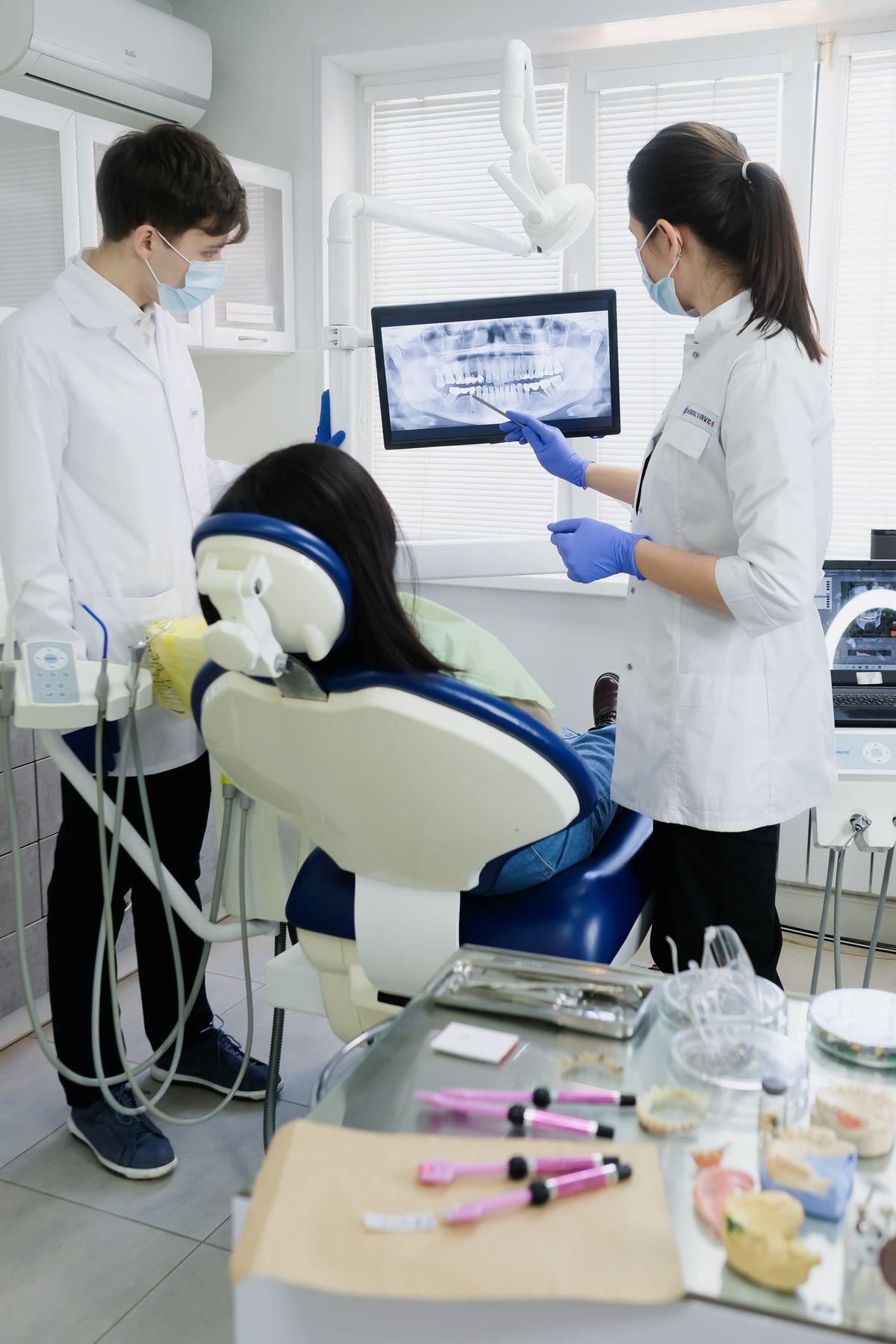
Most back teeth also need a crown after a root canal. This is part of your restorative care plan and should be included when you compare costs.
The easiest way to understand your personal costs is to book an exam and ask the team to prepare a predetermination for your insurance or plan.
Why Root Canal Costs Vary
No two root canals are exactly the same. A single front tooth with one straight canal is a very different procedure from a lower molar with curved, narrow canals or an upper molar with a hidden fourth canal. The time, instruments, and materials needed all change with the complexity of the tooth. Dentists in Ontario often refer to the Ontario Dental Association suggested fee guide when setting their fees, but individual clinics set their own fees, which can vary based on location, equipment, and the dentist’s experience.
| Factor | How it affects cost |
|---|---|
| Tooth type | Front teeth usually cost less than premolars, and molars usually cost the most |
| Number of canals | More canals mean more time and materials |
| Canal anatomy | Curved, narrow, or calcified canals take longer |
| First treatment or retreatment | Retreatment involves removing old materials and is often more complex |
| Specialist referral | Complex cases treated by an endodontist may have different fees |
| Additional procedures | Post placement, core build-up, and crowns add to the total |
| Sedation | Optional sedation is usually billed separately |
The Full Cost Picture: More Than Just the Root Canal
When comparing costs, it helps to think about the full treatment, not just the root canal itself. The complete plan may include an exam and X-rays, the root canal procedure, a core build-up to rebuild missing tooth structure, and a crown or permanent filling to seal and protect the tooth. Follow-up X-rays may be taken later to confirm healing. Asking for an estimate that includes each of these steps helps you avoid surprises.
Insurance and Coverage Options in Ontario
Private dental insurance
Many workplace plans cover a percentage of root canal treatment. Crowns are often covered under major services at a different percentage.
Canadian Dental Care Plan (CDCP)
A federal program for eligible residents without dental insurance. It covers many services, including endodontic treatment, subject to plan rules and possible co-payments.
Ontario Seniors Dental Care Program
A provincial program for eligible low-income seniors aged 65 and older, delivered through public health and participating clinics.
Healthy Smiles Ontario
Provincial coverage for eligible children and youth 17 and under from low-income households.
ODSP and Ontario Works
Social assistance programs may include dental benefits for eligible adults and dependants.
Family Dentistry on Brock accepts CDCP patients, and the team can help you understand how your plan applies to your treatment.
How to Prepare for the Cost of a Root Canal
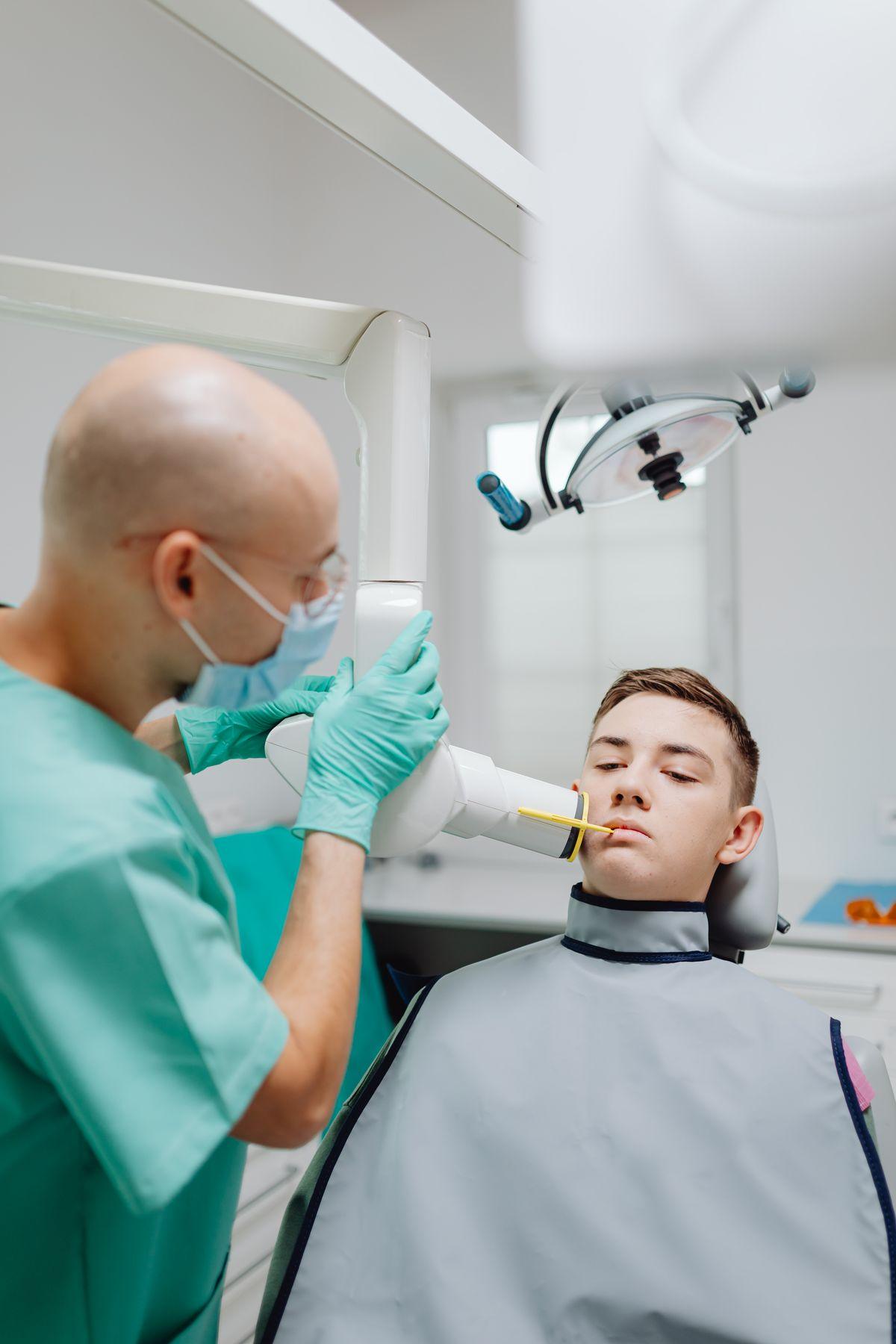
- Get an exam and X-rays. An accurate diagnosis is needed before any estimate.
- Request a written treatment plan. Include the root canal, build-up, crown, and any sedation.
- Submit a predetermination. Your insurer or plan can confirm coverage before treatment begins.
- Ask about phasing. In some cases, treatment can be staged over time, with the root canal done first.
- Understand co-payments. Check what portion you will be responsible for.
- Keep the tooth protected. Avoid chewing on it until the final restoration is placed.
Root Canal vs Extraction: Cost Over Time
Pulling a tooth may seem cheaper in the short term, but replacing a missing tooth later with an implant or bridge usually involves more appointments and higher overall costs. Leaving a gap can also allow neighbouring teeth to drift, which may lead to bite problems. Saving a natural tooth with a root canal and crown is often the most cost-effective choice over the long term.
Myths About Root Canal Costs
General Dentist or Endodontist: Does It Change the Cost?
Most root canals in Ontario are completed by general dentists, who are trained to treat a wide range of cases. Some teeth are more complex, such as molars with severely curved canals, teeth that need retreatment, or cases where a previous procedure has run into difficulty. In these situations, your dentist may refer you to an endodontist, a dental specialist with additional training in root canal treatment. Specialist care can involve different fees, and you may also need a referral appointment. The benefit is advanced equipment and experience with difficult anatomy. Your dentist will explain whether your tooth can be treated in the clinic or whether a referral is in your best interest.
Understanding Your Insurance Benefits
Dental plans can be confusing, so it helps to know a few common terms before you read your treatment estimate.
| Term | What it means |
|---|---|
| Basic services | Often includes exams, X-rays, fillings, and sometimes root canals |
| Major services | Often includes crowns, bridges, and dentures, sometimes covered at a lower percentage |
| Annual maximum | The most your plan will pay in a benefit year |
| Deductible | The amount you pay before coverage begins, if your plan has one |
| Co-insurance | The percentage of each procedure you pay after coverage |
| Predetermination | An estimate from your insurer confirming coverage before treatment |
If your root canal and crown together are close to your annual maximum, ask whether treatment can be planned across two benefit years. Your dental team can help you review your options, while keeping the tooth protected in the meantime.
Ways to Keep Root Canal Costs Down
- Treat problems early: Small cavities are simpler and less costly to fix than infected teeth.
- Keep regular checkups: X-rays can catch problems before symptoms begin.
- Protect your teeth: Wear a night guard if you grind and a mouthguard for sports.
- Do not delay the crown: A cracked root canal tooth may need extraction and replacement.
- Check your coverage: Many people do not realise they qualify for CDCP or provincial programs.
- Maintain good hygiene: Daily brushing and flossing reduce the risk of new decay around restorations.
What to Ask at Your Consultation
- Which tooth needs treatment, and how many canals does it have?
- Can the root canal be done here, or will I need a specialist?
- Will I need a post, build-up, or crown afterwards?
- Can you send a predetermination to my insurer or CDCP?
- What happens if I need to wait before getting the crown?
Getting clear answers helps you understand the full value of saving your natural tooth and plan the cost with confidence.
The Value of Saving a Natural Tooth
When thinking about cost, it is worth considering what a natural tooth is worth over a lifetime. Your own tooth keeps the bone around it healthy, holds neighbouring teeth in position, and gives you natural feeling and chewing ability that no replacement can fully match. A root canal and crown can allow that tooth to serve you for many more years. Replacing a missing tooth later often involves several stages and more time in the dental chair. For many people, saving the tooth is not only the healthiest option but also the most practical financial decision over time, especially when insurance or CDCP coverage is used wisely.
Why Patients Choose This Dental Office in Tillsonburg
With a 5.0 Google rating across 252+ reviews, Family Dentistry on Brock is regarded as one of the best dental clinics in Tillsonburg. New patients are always welcome, CDCP (Canadian Dental Care Plan) patients are accepted, and the clinic offers dental implants, clear aligners, restorative care, veneers, laser treatment, teeth whitening, emergency dentistry, sedation dentistry, dental surgery, and orthodontics.
Book a visit that fits your schedule
Reach the team at +1 519-900-5640 or info@familydentistryonbrock.com, or stop by 49 Brock St E, Tillsonburg, ON N4G 1Z7. Monday appointments run until 7:00 PM, and Saturdays are open by appointment.
Frequently Asked Questions
Why does a molar root canal cost more than a front tooth?
Molars have more canals and more complex anatomy, which takes more time, skill, and materials.
Does CDCP cover root canals?
The Canadian Dental Care Plan includes coverage for many endodontic services for eligible members, subject to plan rules and possible co-payments.
Is the crown included in the root canal cost?
Usually not. The crown is a separate procedure and is often billed and covered differently.
Can I get an estimate before treatment?
Yes. Ask for a written treatment plan and a predetermination from your insurer or plan.
Is it cheaper to pull the tooth?
Extraction may cost less at first, but replacing the tooth later is usually more expensive overall.
Conclusion
Root canal cost in Ontario depends on the tooth, the number of canals, the complexity of treatment, and the crown that follows. Insurance, CDCP, and provincial programs can help reduce what you pay. A clear written estimate after an exam is the best way to plan your treatment with confidence.