Children’s Dentistry: When Should Kids First See a Dentist?
Children should see a dentist for the first time when their first tooth appears, or no later than their first birthday. This recommendation, endorsed by major dental and pediatric organizations, ensures that early developmental issues, feeding habits, and cavity risks are identified and addressed before they become serious problems. If you are a parent in the Tillsonburg area, a trusted Dental Clinic in Tillsonburg can provide gentle, age-appropriate dental care from the very beginning of your child’s life.
Early dental visits are not just about checking for cavities. They are an opportunity to educate parents on proper brushing techniques for infants, the effects of pacifier use and bottle feeding on developing teeth, the timeline for normal tooth eruption, and how to establish a daily oral hygiene routine at home. Quality Dental Care in Tillsonburg for children creates a foundation of trust between the child, the parent, and the dental team that supports a lifetime of proactive oral health.
Why Early Dental Visits Matter
Tooth decay is the most common chronic disease in children, affecting millions of young patients worldwide. Baby teeth, though temporary, are important for chewing, speaking, and holding space for permanent teeth. When baby teeth are lost too early due to decay, surrounding teeth can shift into the gap, causing crowding and misalignment in the permanent dentition. Early dental visits help identify and prevent these issues before they require more complex treatment.
Additionally, oral health is closely connected to a child’s overall well-being. Dental pain can interfere with sleep, eating, concentration in school, and social development. Establishing excellent oral health habits early contributes to a healthier, happier childhood.
What Happens at a First Dental Visit?
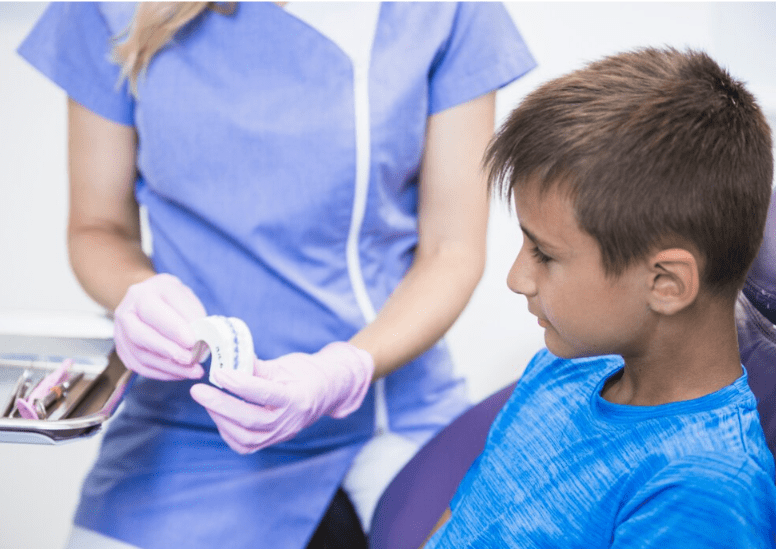
The first dental appointment for a baby or toddler is designed to be gentle, brief, and positive. At Family Dentistry on Brock in Tillsonburg, the team creates a welcoming environment specifically designed to put young patients at ease. Family Dentistry on Brock, located at 49 Brock St E, Tillsonburg, ON N4G 1Z7, is recognized as one of the best dental clinics in Tillsonburg for pediatric care.
During the first visit, the dental team will:
- Gently examine the child’s teeth, gums, jaw, and bite
- Check for signs of early tooth decay or developmental concerns
- Clean the teeth if the child is comfortable enough
- Apply fluoride varnish to protect new teeth
- Demonstrate proper brushing and flossing techniques for parents
- Discuss feeding habits, pacifier use, thumb sucking, and their effects on oral development
- Answer parent questions and establish a dental care schedule going forward
The Timeline of Childhood Dental Development
Understanding when children’s teeth emerge and what changes to expect helps parents monitor their child’s oral development effectively:
Baby Teeth (Primary Dentition)
- Lower front teeth (central incisors) typically emerge at 6 to 10 months
- Upper front teeth typically emerge at 8 to 12 months
- Most children have all 20 baby teeth by age three
Mixed Dentition Stage
- Permanent teeth begin emerging around age 6, starting with the lower central incisors and first molars
- Children lose their baby teeth gradually between the ages 5 and 13
- This stage requires attentive monitoring for crowding, early or late eruption, and bite development
Permanent Dentition
- By the early teenage years, most permanent teeth have emerged, with the exception of wisdom teeth
- Wisdom teeth typically develop in the late teens to early twenties
Common Dental Concerns in Children
Children are susceptible to a range of dental issues that, with proper care, can be prevented or managed effectively:
Early Childhood Caries (Baby Bottle Tooth Decay)
This form of tooth decay is caused by prolonged exposure to sugary liquids, including formula, milk, fruit juice, and sweetened beverages. Parents should avoid putting babies to bed with a bottle containing anything other than water, begin wiping the gums with a damp cloth even before teeth emerge, and introduce a soft-bristled toothbrush as soon as the first tooth appears.
Thumb Sucking and Pacifier Habits
Thumb sucking and pacifier use are normal and soothing for very young children. However, if these habits persist beyond age three to four, they can begin to affect the alignment of the front teeth and the shape of the palate. A dental professional can advise on gentle strategies to help children discontinue these habits at the appropriate developmental stage.
Dental Anxiety in Children
Fear of the dentist is common among children, particularly those who have had an uncomfortable dental experience in the past. Child-focused dental practices use a number of techniques to reduce anxiety, including age-appropriate explanations, show-tell-do methods, distraction tools, and positive reinforcement. Regular visits from an early age are the best way to normalize dental care and reduce fear over time.
Restorative Dental Care for Children
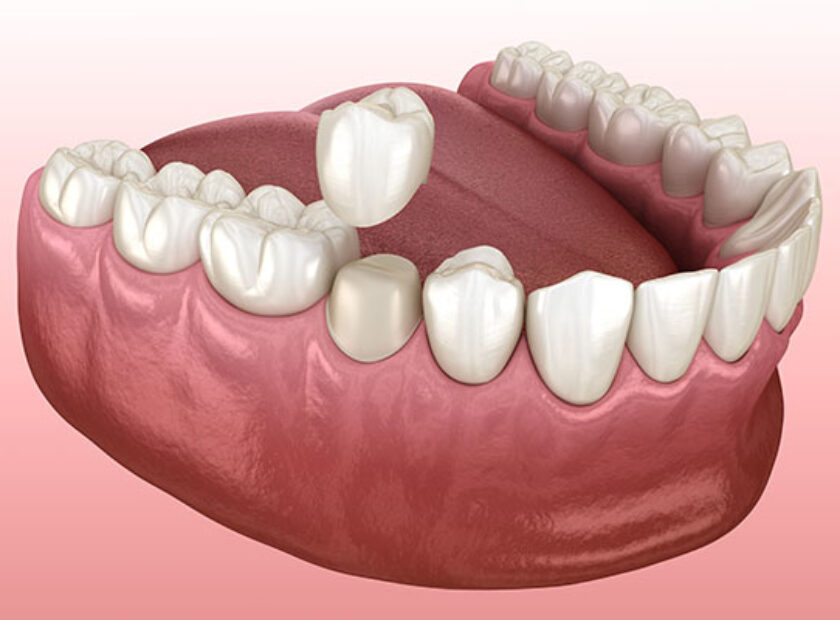
When children do develop cavities or other dental problems, early treatment prevents more significant damage. Tooth-coloured fillings are the standard of care for treating cavities in both primary and permanent teeth. In some cases, a stainless-steel or ceramic crown may be recommended to restore a severely damaged primary tooth. For children who require more extensive treatment or who are particularly anxious, sedation dentistry options may be available. Restorative care designed specifically for children is a core part of the services at Family Dentistry on Brock. You can learn more about Restorative Dentistry in Tillsonburg, ON, and how it applies to both children and adults.
How to Prepare Your Child for Their First Dental Visit
A positive first dental experience sets the tone for decades of dental care. The following strategies help parents prepare their child effectively:
- Read books or watch videos about visiting the dentist to familiarize your child with the concept in a fun, low-pressure way
- Talk about the dentist in positive, neutral terms, avoiding words like “pain,” “needle,” or “hurt”
- Schedule the appointment at a time when your child is typically well-rested and cooperative, such as mid-morning
- Bring a comfort item such as a favorite toy or stuffed animal to the appointment
- Praise your child after the visit, regardless of how well it went, to reinforce that dental visits are a normal and positive part of life
Contact Information
For appointments and questions, contact Family Dentistry on Brock at (519) 900-5640 or by email at info@brock.coder-sojibuzzaman.com. The practice is located at 49 Brock St E, Tillsonburg, ON N4G 1Z7, and is one of the most trusted dental clinics for families in the region.
Frequently Asked Questions
At what age should my child start using toothpaste?
A smear of fluoride toothpaste the size of a grain of rice can be used as soon as the first tooth appears. Once a child is three years old and can spit, increase to a pea-sized amount. Always use age-appropriate toothpaste with the correct fluoride concentration.
How often should children see the dentist?
Children should visit the dentist every six months, just like adults. Some children with a higher cavity risk may benefit from more frequent visits as recommended by their dentist.
When should my child start flossing?
Flossing should begin as soon as a child has two teeth that touch each other. Parents should assist with flossing until the child is around eight to ten years old and has developed the dexterity to floss independently.
Are dental X-rays safe for children?
Yes. Modern digital dental X-rays use very low levels of radiation, often significantly less than conventional X-rays. Dentists only recommend X-rays when they are clinically necessary and take appropriate precautions, such as lead aprons, to minimize exposure.
What should I do if my child knocks out a tooth?
If a permanent tooth is knocked out, act immediately. Handle the tooth by the crown, rinse it gently if dirty, and try to reinsert it or keep it moist in milk. Contact an emergency dentist right away. For a knocked-out baby tooth, do not try to reinsert it, but do contact your dentist for guidance.
Conclusion
A child’s dental health begins far earlier than most parents realize. From the appearance of the first tooth, establishing a relationship with a trusted dental team, building good daily habits, and attending regular professional appointments creates the foundation for a lifetime of healthy smiles. The earlier you start, the easier and more enjoyable dental care becomes for your child and your family.