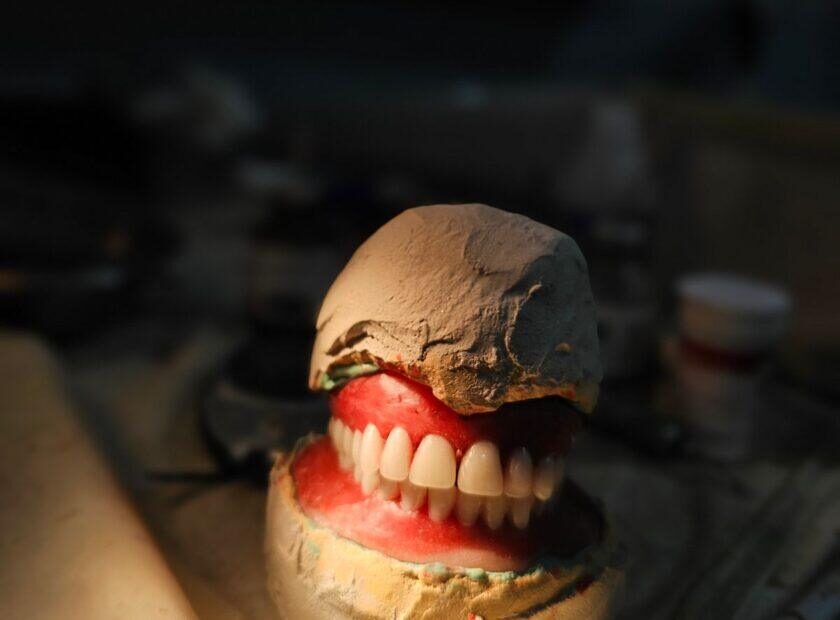
Dental Crown Front Tooth

A dental crown for a front tooth is a custom-made, tooth-coloured cap that covers the entire visible part of a damaged incisor or canine, restoring its strength, shape, and appearance. Front crowns are usually made from all-ceramic materials such as lithium disilicate or layered zirconia so they look natural and blend with neighbouring teeth. Needing a front crown is common after a fracture, large filling, root canal, or discolouration, and a skilled team at a trusted dental clinic in Tillsonburg can create a crown that is very hard to tell apart from your natural teeth.
A large break or crack, a tooth weakened by big fillings, a darkened tooth after a root canal, severe wear, or a misshapen tooth that cannot be fixed with bonding or a veneer. All-ceramic materials are usually chosen for the most lifelike look.
Front crowns are a key part of restorative care, but they are not the only option. When enough healthy tooth remains, thinner porcelain veneers may achieve a similar look with less tooth reduction.
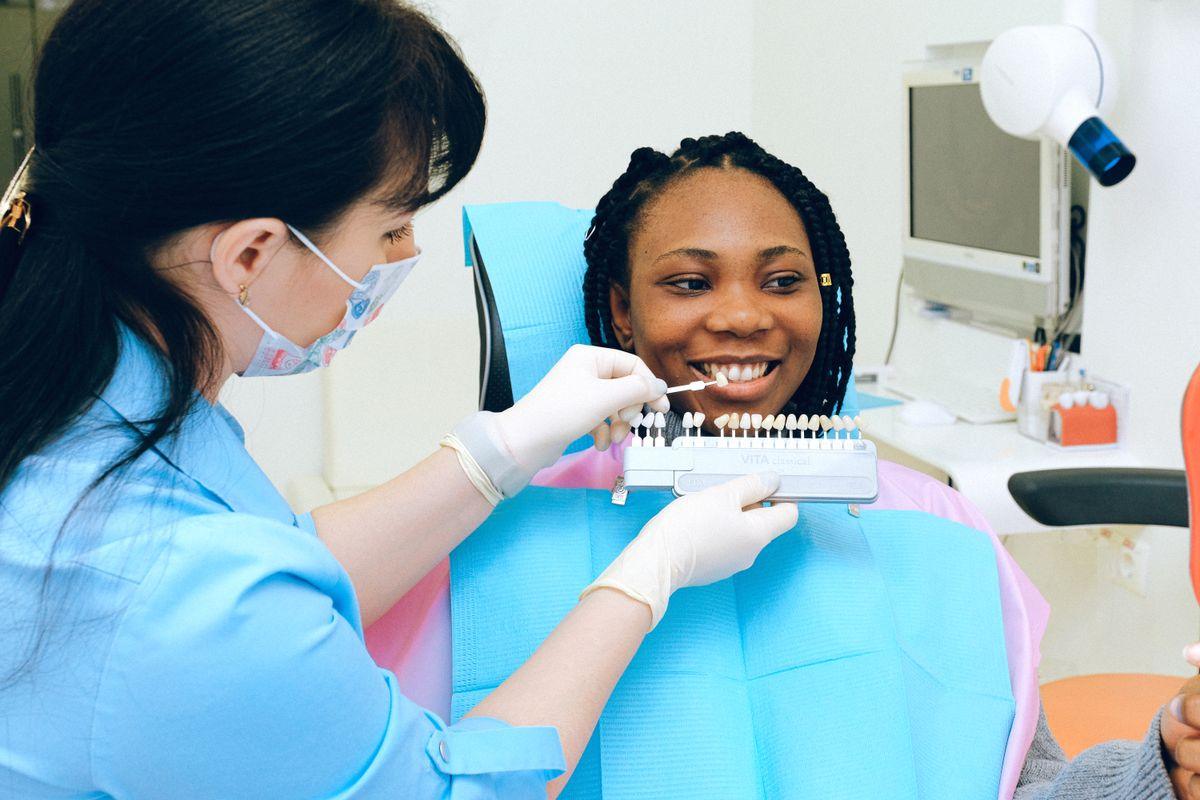
If your front tooth has just been chipped or knocked loose, quick action can make a big difference to the outcome. Emergency dental care can protect the tooth and plan the right restoration.
Why Front Crowns Need Special Planning
Back teeth are mainly about strength, but front teeth are judged first by how they look. They are in the centre of your smile, they catch light from every angle, and even a small difference in colour, length, or translucency can be noticed. A front crown must match the tooth beside it, follow the curve of your smile, and look natural at the gumline. At the same time, it needs to be strong enough to handle biting into food and the forces of your bite. Achieving this balance requires careful preparation, accurate impressions, and close teamwork between the dentist and the dental lab.
Best Crown Materials for Front Teeth
| Material | Appearance | Strength | Notes |
|---|---|---|---|
| Lithium disilicate | Excellent translucency and lifelike colour | Strong for front teeth | Popular choice for single front crowns |
| Layered zirconia | Very good, with porcelain layered on a zirconia core | Very strong core | Useful for heavier bites or dark teeth |
| Monolithic high-translucency zirconia | Good and improving | Very strong | Less layering, very durable |
| Porcelain fused to metal | Good, but may show a dark line at the gum over time | Strong | Less common for front teeth today |
Front Crown vs Veneer vs Bonding
Bonding
Tooth-coloured resin added directly to the tooth. Best for small chips. Minimal or no tooth removal, but can stain or chip over time.
Veneer
A thin ceramic shell on the front surface. Great for shape and colour changes when the tooth is strong.
Crown
Covers the whole tooth. Best when the tooth is weak, heavily filled, broken, or darkened after a root canal.
The Front Crown Process
- Exam and X-rays. The dentist checks the nerve, root, gums, and bite.
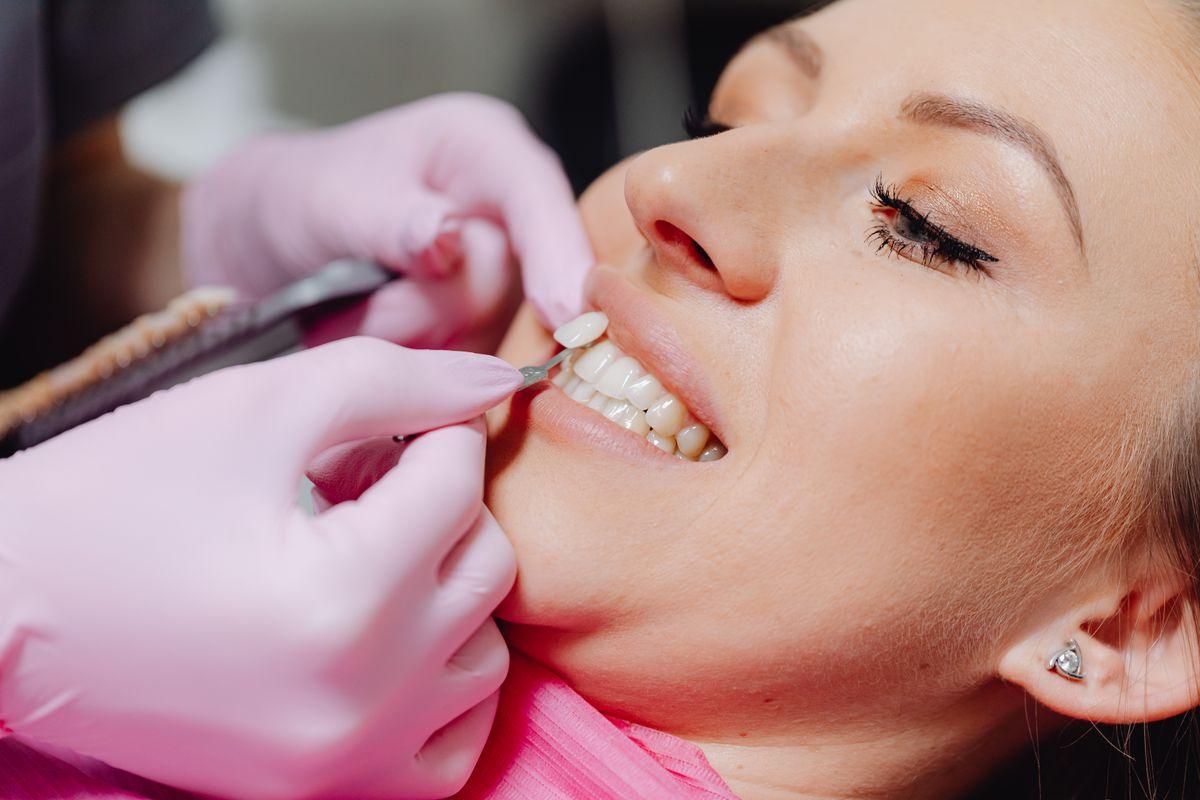
- Smile and shade planning. Photos and shade matching in natural light guide the design.
- Tooth preparation. The tooth is gently reshaped under local anaesthetic.
- Impression or scan. A precise record is taken, including gum detail.
- Temporary crown. A tooth-coloured temporary protects the tooth and keeps your smile complete.
- Custom lab work. The technician builds the crown to match your neighbouring teeth.
- Try-in and cementation. Fit, colour, and bite are checked before the crown is bonded.
How Long Does a Front Crown Last?
With good care, front crowns often last ten years or longer. Lifespan depends on your bite, oral hygiene, habits like nail-biting or grinding, and regular checkups. Gum health is especially important around front crowns, because gum recession can expose the edge of the crown and affect appearance.
Myths About Front Crowns
What Makes a Front Crown Look Natural?
A natural front crown is the result of many small details coming together. The most important is colour, but colour in teeth is more complex than a single shade. Natural front teeth are usually slightly more yellow near the gum, brighter in the middle, and more translucent at the biting edge, where light passes through. Skilled technicians layer ceramic to recreate this gradient. Surface texture also matters, since natural enamel has fine ridges and a soft sheen rather than a flat, glassy finish. The shape of the crown, including the corners, the length, and the way the edge curves, should mirror the tooth on the other side of your smile.
Colour gradient
Warmer near the gum, brighter in the body, translucent at the edge.
Surface texture
Subtle ridges and lustre that reflect light like natural enamel.
Symmetry
Matching the shape and length of the opposite front tooth.
Gum harmony
A healthy, even gumline around the crown.
Matching One Crown to Natural Teeth
Matching a single front crown to a natural tooth beside it is one of the most demanding tasks in cosmetic dentistry. Your dentist may take photos with shade tabs held next to your teeth, use digital shade-matching tools, and send detailed notes to the lab. In some cases, you may visit the lab for a custom shade appointment, or the crown may be tried in before final glazing so small colour adjustments can be made. This extra care is what separates a crown that blends in from one that stands out.
When the Tooth Underneath Is Dark
A front tooth that has darkened after an injury or root canal can be tricky to cover. Very translucent materials may let the dark colour show through, making the crown look grey. To prevent this, your dentist may choose a material with a more opaque core, such as layered zirconia, or use special techniques to mask the darker tooth before the crown is placed. Internal whitening of the tooth before crowning is sometimes recommended as well.
Gum Health and Front Crowns
The gums frame your front teeth, so their health has a big effect on how a crown looks. Before treatment, any gum inflammation should be treated so the gumline is stable. Around the crown, careful brushing and flossing keep the gums healthy and prevent recession, which can expose the edge of the crown. If your gums are uneven, your dentist may discuss gum contouring to create a more balanced smile line before or after the crown is placed.
Caring for Your Front Crown
- Brush twice daily. Use a soft toothbrush and fluoride toothpaste, focusing on the gumline.
- Floss every day. Slide floss gently between the crown and neighbouring teeth.
- Avoid using teeth as tools. Do not bite nails, open packages, or chew pens.
- Wear a mouthguard for sports. Protect your crown and natural teeth from impact.
- Consider a night guard. If you grind or clench, a guard reduces stress on the crown.
- Keep checkups. Regular visits catch small issues around the crown early.
Living With a Temporary Front Crown
While your permanent crown is being made, a temporary crown keeps your smile complete and protects the prepared tooth. Temporary front crowns are made from acrylic or composite and look reasonably natural, but they are not as strong as the final crown. Avoid biting directly into hard or sticky foods with the temporary, such as apples, crusty bread, or toffee. Cut food into small pieces and chew with your back teeth. If the temporary comes loose, keep it safe and contact the clinic, as it can usually be recemented quickly. Most patients wear a temporary for two to three weeks.
Questions to Ask Before Getting a Front Crown
- Is a crown the best option, or would a veneer or bonding work for my tooth?
- Which material do you recommend for my bite and the colour of the tooth underneath?
- Should I whiten my other teeth before the crown is matched?
- Will the crown be tried in before it is permanently bonded?
- How should I protect the crown during sports or if I grind my teeth?
Asking these questions helps you feel confident about the plan and ensures the final crown suits both your smile and your lifestyle.
Support From a Top Dentist in Tillsonburg
Patients rate Family Dentistry on Brock 5.0 on Google across 252+ reviews, making it one of the top dental offices in Tillsonburg. The practice welcomes new patients, accepts CDCP (Canadian Dental Care Plan) patients, and offers dental implants, clear aligners, restorative care, veneers, laser treatment, teeth whitening, dental emergency care, sedation dentistry, dental surgery, and orthodontics.
Talk to the team before you decide
Call +1 519-900-5640 or email info@familydentistryonbrock.com. The office is located at 49 Brock St E, Tillsonburg, ON N4G 1Z7, with Monday hours until 7:00 PM and Saturday appointments available on request.
Frequently Asked Questions
Will a front tooth crown match my other teeth?
Yes. Shade matching, photos, and custom lab work help create a crown that blends with your natural teeth.
Does getting a front crown hurt?
The procedure is done with local anaesthetic, so most people feel only pressure. Mild sensitivity afterwards usually fades quickly.
Should I whiten my teeth before getting a front crown?
If you want whiter teeth, whitening first is best, because the crown is then matched to your new shade.
Can I bite into food with a front crown?
Yes, but avoid very hard foods like ice or hard candy, and cut firm foods into smaller pieces.
What is better for a front tooth, a crown or a veneer?
Veneers suit strong teeth needing cosmetic change. Crowns suit weak, broken, or heavily filled teeth.
Conclusion
A dental crown for a front tooth restores strength and creates a natural, confident smile when damage is too extensive for bonding or a veneer. All-ceramic materials and careful shade matching help the crown blend with neighbouring teeth. A consultation will show whether a crown, veneer, or bonding is the best choice for your tooth.