How Long Does It Take For A Root Canal Procedure

A root canal procedure usually takes between 60 and 90 minutes per appointment, and many are completed in a single visit. Front teeth with one canal are often faster, while molars with three or four canals can take 90 minutes or longer, and some cases are split into two visits. Needing a root canal is common and very treatable, and modern techniques make it much more comfortable than many people expect. An assessment at an experienced emergency dental clinic in Tillsonburg will tell you how long your own treatment is likely to take.
Front tooth (incisor or canine): about 45 to 60 minutes. Premolar: about 60 to 75 minutes. Molar: about 90 minutes or more. Complex cases, infections, or retreatment may need two or more visits, plus a separate visit for a crown afterwards.
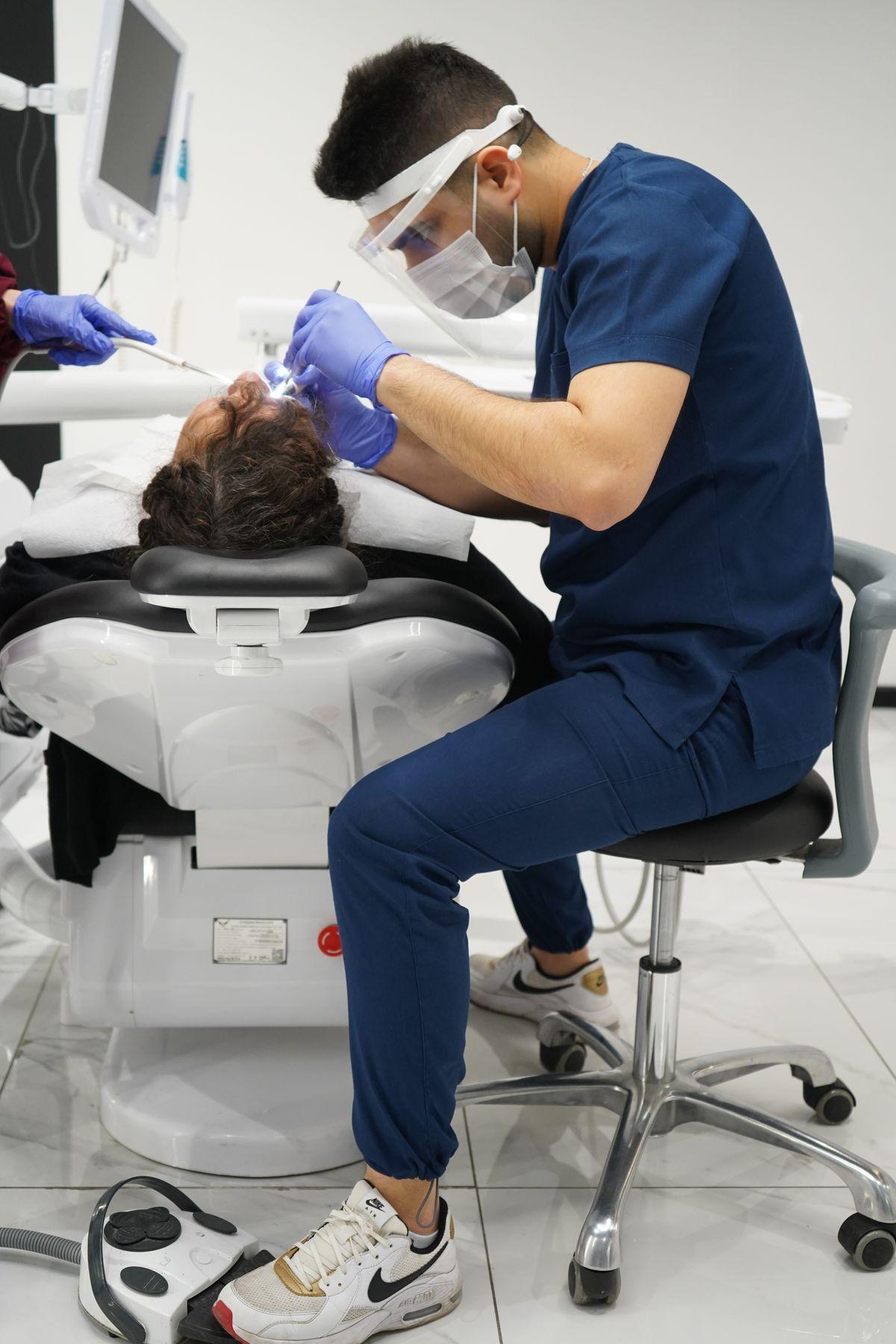
If you are in pain right now, the first step may be a shorter appointment to relieve pressure and start cleaning the tooth. Same-week emergency dental care can often begin treatment quickly so you can rest comfortably.
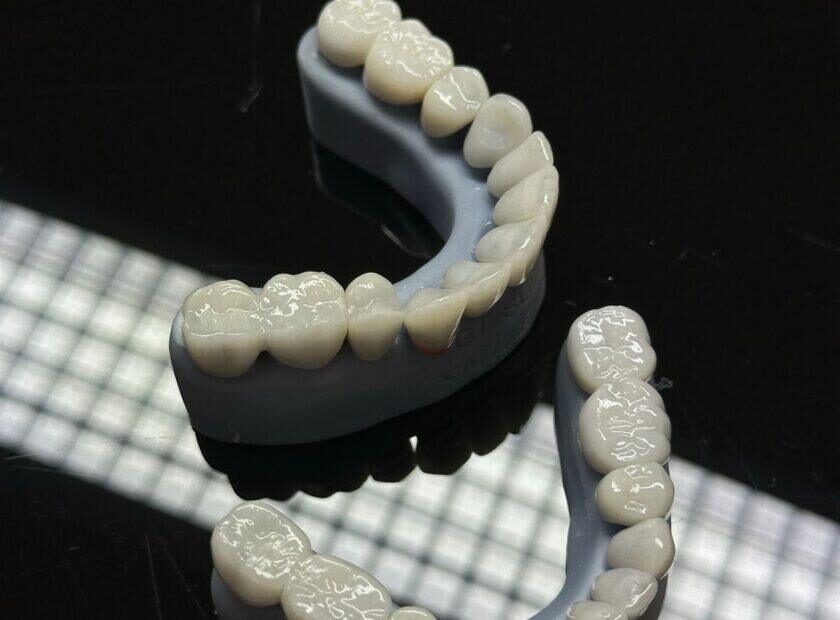
After the root canal, most back teeth need a crown to protect them from cracking. This final step is part of restorative care and is usually planned within a few weeks.
If you feel anxious about longer appointments, ask about sedation dentistry. Many patients find it helps them relax through the procedure.
What Happens During a Root Canal and How Long Each Step Takes
A root canal treats the inside of a tooth, called the pulp, when it becomes infected or inflamed. The goal is to remove the damaged tissue, clean and disinfect the canals inside the roots, and seal them so bacteria cannot return. Understanding each step makes the total time easier to picture.
- Exam and X-rays (10 to 15 minutes). The dentist confirms the diagnosis and studies the shape and number of roots.
- Numbing (5 to 10 minutes). Local anaesthetic is given and allowed to take full effect.
- Isolation (5 minutes). A thin rubber sheet called a dental dam keeps the tooth clean and dry.
- Access opening (5 to 10 minutes). A small opening is made in the top of the tooth to reach the pulp.
- Cleaning and shaping (20 to 50 minutes). Fine instruments remove the infected tissue and shape each canal, while disinfecting solutions rinse the area.
- Filling the canals (10 to 15 minutes). The canals are sealed with a rubber-like material called gutta-percha.
- Temporary or permanent filling (5 to 10 minutes). The access opening is closed.
Root Canal Time by Tooth Type
| Tooth type | Usual number of canals | Typical appointment time |
|---|---|---|
| Incisors and canines | Usually 1 | About 45 to 60 minutes |
| Premolars | 1 to 2 | About 60 to 75 minutes |
| Molars | 3 to 4, sometimes more | About 90 minutes or longer |
| Retreatment of a previous root canal | Varies | Often longer and may need more than one visit |
Why Some Root Canals Need Two Visits
Many root canals are finished in one appointment, but there are good reasons a dentist might choose two. When a tooth has a significant infection, swelling, or drainage, placing a medicated dressing inside the canals for a week or two can help calm the area before the final seal. Teeth with curved, narrow, or calcified canals can take extra time to clean properly. Some patients also prefer shorter appointments because of jaw discomfort or anxiety. Splitting treatment is not a sign that something went wrong. It is often the most careful way to get a predictable result.
Factors That Affect How Long Your Root Canal Takes
Number of canals
Molars have more canals to locate, clean, and seal than front teeth.
Canal shape
Curved, narrow, or partially blocked canals take longer to treat safely.
Infection level
Active infection may require extra disinfection or a second visit.
Previous treatment
Removing old filling material during retreatment adds time.
Tooth access
Back teeth and limited mouth opening can make work slower.
Patient comfort
Breaks for jaw rest or sedation can extend the visit slightly.
How Long Does Recovery Take?
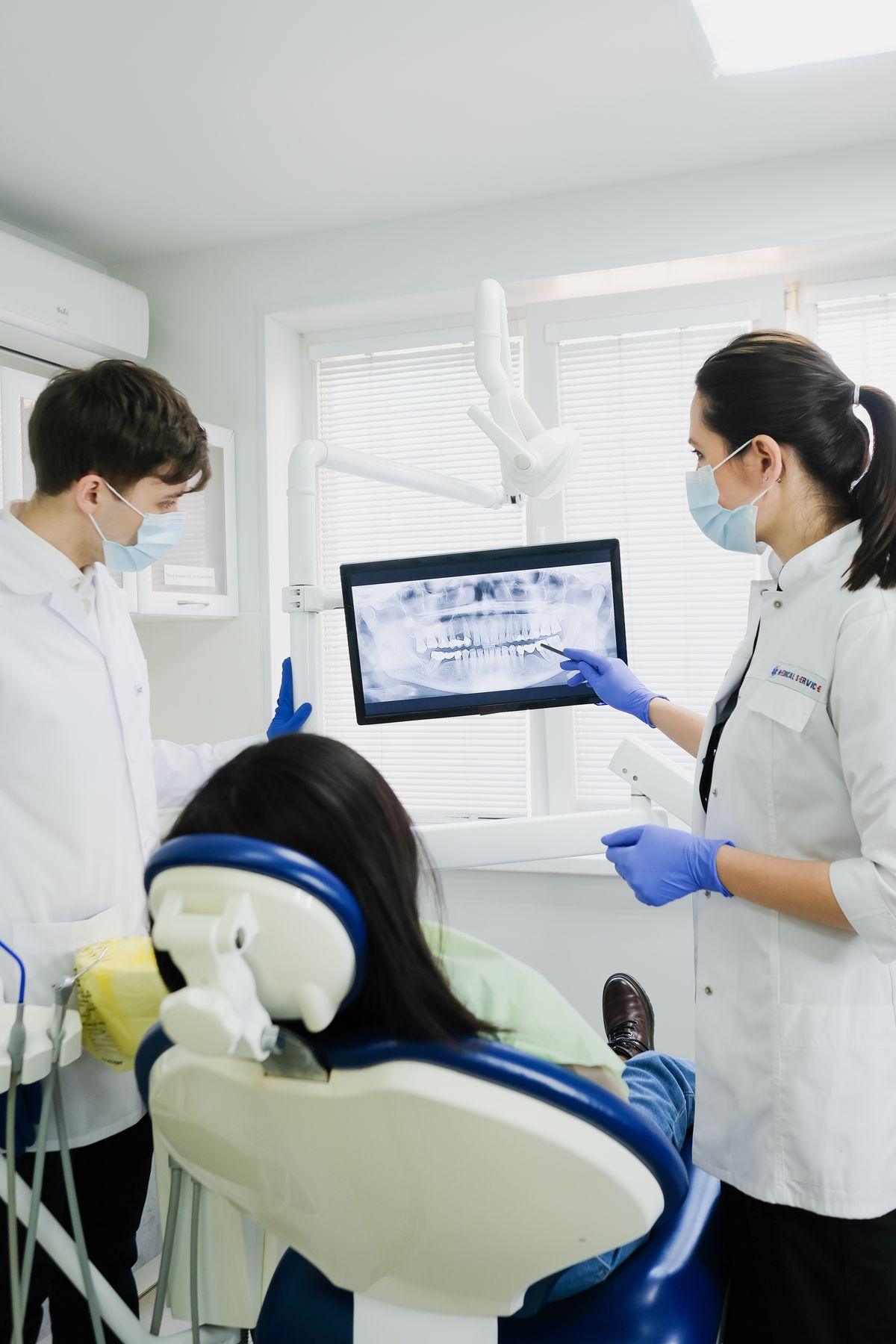
Most people return to work or normal activities the same day or the next day. The numbness wears off in a few hours. It is common for the tooth to feel tender when biting for a few days, because the tissues around the root tip are healing. Over-the-counter pain relief, as recommended by your dentist, usually controls this well. If you were prescribed antibiotics because of an infection, take the full course as directed.
While the tooth has a temporary filling, avoid chewing hard foods on that side. A tooth that has had a root canal but no crown is more brittle and can crack under heavy force. Booking your crown promptly protects the investment you made in saving the tooth.
Myths About Root Canal Time and Pain
Signs You May Need a Root Canal
Recognising the warning signs early can shorten treatment time, because a tooth treated before a large infection develops is often simpler to clean and seal. Common symptoms include lingering pain after hot or cold drinks, a deep ache when chewing, a tooth that has darkened in colour, tender or swollen gums near one tooth, and a small pimple-like bump on the gum that may release a bad taste. Some teeth need root canal treatment without any pain at all, and the problem is only found on an X-ray during a routine visit. This is one reason regular checkups are so valuable.
- Pain that lasts more than a few seconds after hot or cold
- Throbbing pain, especially at night or when lying down
- Pain when biting or tapping on a tooth
- Swelling in the gum, face, or jaw
- A tooth that has changed colour after an injury
- A recurring gum bump or bad taste
How to Prepare for Your Root Canal Appointment
A little preparation can make your appointment smoother and help it run on time. Eat a light meal beforehand, since your mouth may be numb for a few hours afterwards. Take any regular medications as usual unless your dentist advises otherwise, and let the team know about all medications, allergies, and medical conditions. If you have been prescribed antibiotics before treatment, start them as directed. Bring headphones if music helps you relax, and plan a calm rest of the day so you can recover comfortably.
What If the Tooth Needs Retreatment Later?
Root canal treatment has a high success rate, and most treated teeth last for many years. Occasionally, a tooth may become reinfected because of new decay, a cracked filling, a hidden extra canal, or a crown that was delayed too long. In that case, the root canal can often be redone, a procedure called retreatment. Retreatment usually takes longer than the original root canal because old filling materials must be removed before the canals are cleaned again. Sometimes a specialist in root canal treatment, called an endodontist, is involved for complex cases.
Root Canal vs Extraction: Comparing the Total Time
| Path | Treatment steps | Overall timeline |
|---|---|---|
| Save the tooth | Root canal plus crown | Usually two to three visits over a few weeks |
| Extract and replace with an implant | Extraction, healing, implant placement, healing, crown | Often several months |
| Extract and replace with a bridge | Extraction, healing, bridge preparation, bridge fitting | Several weeks, with neighbouring teeth prepared |
| Extract without replacement | Extraction only | Quick, but may lead to shifting teeth and bite changes |
Saving your natural tooth with a root canal is often the quickest and most conservative path to a complete, comfortable smile.
Aftercare Tips to Help You Heal Quickly
- Wait for numbness to fade. Avoid eating until feeling returns, so you do not bite your cheek or tongue.
- Chew on the other side. Protect the treated tooth until the permanent filling or crown is placed.
- Take pain relief as advised. Anti-inflammatory medication taken as directed usually controls tenderness well.
- Keep brushing and flossing. Clean gently around the treated tooth to keep the area healthy.
- Call if symptoms worsen. Increasing pain or swelling after a few days should be checked.
- Book your crown. Do not delay the final restoration, especially for molars and premolars.
Following these simple steps helps most people feel back to normal within a few days and keeps the treated tooth strong for the long term.
Your Local Dental Office in Tillsonburg
Family Dentistry on Brock is one of the most highly rated clinics in town, holding a 5.0 Google rating from more than 252 patient reviews. New patients and CDCP (Canadian Dental Care Plan) patients are welcome. The team provides dental implants, clear aligners, restorative care, dental veneers, laser treatment, teeth whitening, emergency dental care, sedation dentistry, dental surgery, and orthodontics.
Prompt, friendly care when you need it
Visit 49 Brock St E, Tillsonburg, ON N4G 1Z7, call +1 519-900-5640, or send an email to info@familydentistryonbrock.com. Weekday care extends until 7:00 PM on Mondays, and Saturday visits can be arranged by appointment.
Frequently Asked Questions
Can a root canal be done in one visit?
Yes. Many root canals are completed in a single visit of about 60 to 90 minutes, depending on the tooth.
How long does a molar root canal take?
Molar root canals often take about 90 minutes or longer because molars have several canals.
How long after a root canal do I need a crown?
Most dentists recommend placing a crown within a few weeks, especially on back teeth.
Can I drive after a root canal?
Yes, if only local anaesthetic was used. If you had sedation, arrange for someone to drive you home.
How long will my tooth be sore after a root canal?
Mild tenderness usually lasts a few days and improves steadily.
Conclusion
Most root canal procedures take about 60 to 90 minutes, with molars and complex cases taking longer or needing two visits. Recovery is usually quick, with mild tenderness for a few days. Getting a crown soon afterwards protects the tooth so it can last for many years.