Porcelain Dental Filling

A porcelain dental filling is a tooth-coloured ceramic restoration, usually called an inlay or onlay, that is custom-made to fit a cavity or damaged area and then bonded into the tooth. Unlike composite fillings, which are shaped directly in the mouth, porcelain fillings are made in a dental lab or milling unit from an impression or scan. They are strong, stain-resistant, and highly natural-looking, making them a great option for medium to large repairs. Needing a larger filling is common, and a trusted dentist in Tillsonburg can tell you whether porcelain is the right choice for your tooth.
Porcelain fillings are inlays (within the cusps) or onlays (covering one or more cusps). They usually take two visits, last a long time with good care, resist staining, and preserve more natural tooth than a crown when damage is moderate.
Porcelain inlays and onlays are part of modern restorative dentistry, sitting between a standard filling and a full crown in size and coverage.

To see how porcelain fillings compare with other options like composite fillings, crowns, and bonding, you can browse the clinic’s full list of dental services.
Your dentist will explain the pros and cons of each material for your specific tooth. You can learn more about the clinic’s dentists and their conservative approach before your visit.
Inlays vs Onlays: What Is the Difference?
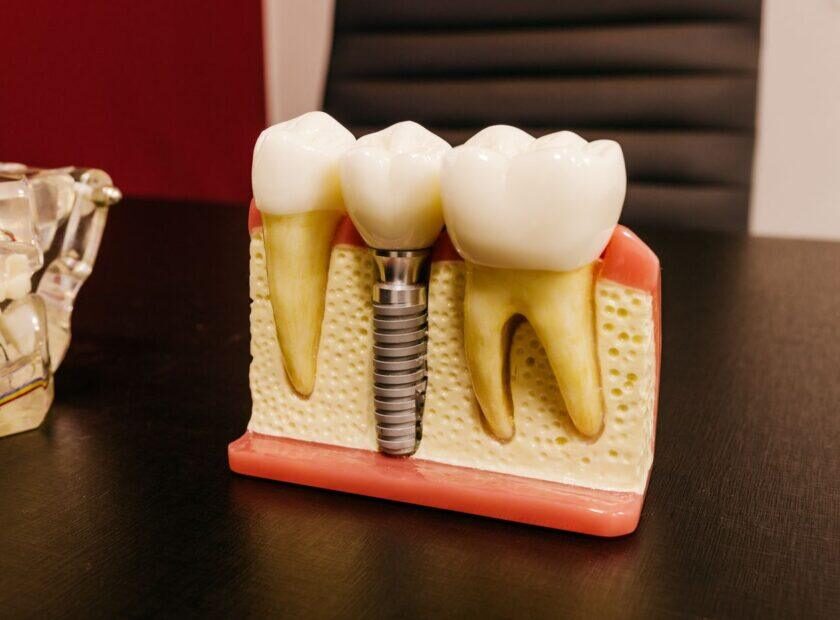
Both inlays and onlays are made from the same types of ceramic, but they cover different parts of the tooth. An inlay fits inside the grooves and between the raised points, called cusps, on the chewing surface of a back tooth. It is used when the damage is in the centre of the tooth and the cusps are still strong. An onlay extends over one or more cusps, covering a larger area. It is used when a cusp is cracked, weak, or missing, but the rest of the tooth is healthy enough that a full crown is not needed. Because onlays preserve more healthy tooth structure than crowns, they are often described as a conservative alternative.
Inlay
Fits within the cusps. Ideal for moderate cavities in the centre of the tooth.
Onlay
Covers one or more cusps. Ideal when part of the chewing surface is weak or broken.
Crown
Covers the entire tooth. Used when damage is extensive or the tooth is very weak.
Porcelain vs Composite vs Amalgam Fillings
| Feature | Porcelain inlay or onlay | Composite filling | Amalgam filling |
|---|---|---|---|
| Appearance | Very natural, stain-resistant | Tooth-coloured, may stain over time | Silver-coloured |
| How it is made | Custom-made in a lab or milling unit | Placed and shaped directly in the tooth | Placed directly in the tooth |
| Visits | Usually two, sometimes one | One | One |
| Strength for larger repairs | Very good, supports weakened cusps | Good for small to medium fillings | Durable, but does not bond to tooth |
| Tooth preservation | Conservative compared with a crown | Very conservative for small cavities | May need more tooth removal for retention |
| Fees | Higher | Moderate | Often lower |
Benefits of Porcelain Fillings
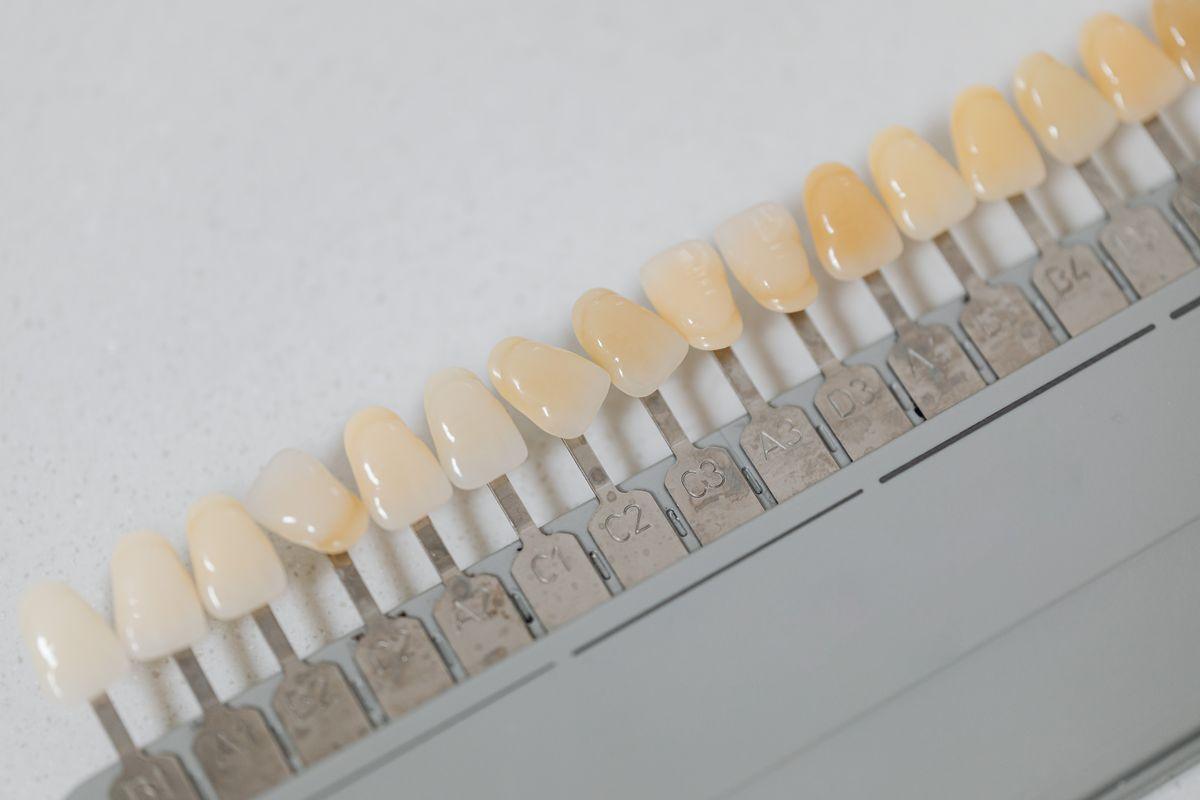
- Natural appearance: Ceramic reflects light much like natural enamel and can be closely shade-matched.
- Stain resistance: Porcelain resists staining from coffee, tea, and wine better than composite.
- Strength: Bonded ceramic can help reinforce a weakened tooth.
- Precise fit: Lab or digital fabrication creates accurate contacts with neighbouring teeth.
- Durability: Porcelain inlays and onlays can last many years with good care.
- Conservative: Onlays save more tooth structure than full crowns.
Possible Downsides
- Usually requires two appointments and a temporary filling in between
- Higher fees than direct composite or amalgam fillings
- Ceramic can chip under very heavy biting forces or grinding
- Repairs are more involved if the restoration is damaged
The Porcelain Filling Process
- Exam and X-rays. The dentist checks the size of the cavity and the strength of the remaining tooth.
- Preparing the tooth. Decay and old fillings are removed, and the tooth is shaped.
- Impression or scan. A precise record is taken for fabrication.
- Temporary filling. The tooth is protected while the restoration is made.
- Fabrication. A lab or milling unit creates the porcelain inlay or onlay.
- Bonding. The restoration is tried in, adjusted, and bonded with a strong adhesive.
- Polishing. The surface is smoothed and the bite checked.
Myths About Porcelain Fillings
Who Is a Good Candidate for a Porcelain Filling?
Porcelain inlays and onlays are especially helpful for back teeth with medium to large cavities, old fillings that have failed, or cracked cusps where the rest of the tooth is still strong. They are a good choice for patients who want a tooth-coloured restoration with excellent durability and stain resistance. People who grind their teeth heavily can still benefit, but they may need a protective night guard. Very small cavities are usually better treated with a direct composite filling, while teeth with extensive damage may need a crown instead.
Often suitable
Moderate to large cavities, failing old fillings, a single weak or broken cusp, patients wanting long-lasting tooth-coloured repairs.
May need another option
Very small cavities, teeth with very little structure left, active gum disease, or untreated grinding without protection.
Replacing Old Silver Fillings With Porcelain
Many people with older amalgam fillings ask about replacing them with tooth-coloured materials. Replacing a filling that is still in good condition purely for appearance is a personal choice and should be discussed carefully, because each time a filling is replaced, some additional tooth structure is lost. However, when an old filling is cracked, leaking, has decay underneath, or the tooth around it is showing fracture lines, replacing it with a bonded porcelain inlay or onlay can be an excellent way to restore and strengthen the tooth. Your dentist will assess each filling individually and explain whether replacement is recommended.
How Porcelain Bonds to the Tooth
One of the key advantages of porcelain inlays and onlays is that they are bonded, not just cemented. The inside of the ceramic is treated so that it can form a strong chemical and mechanical bond with special adhesive resins. The tooth surface is also prepared to bond. When the restoration is placed, the porcelain and tooth effectively become one unit. This bonding helps support weakened tooth walls and seal the edges against bacteria, which is important for long-term success.
Caring for Porcelain Fillings
- Brush twice daily. Use a soft toothbrush and fluoride toothpaste.
- Floss every day. Clean around the edges where the porcelain meets the tooth.
- Avoid very hard foods. Chewing ice or hard candy can chip ceramic.
- Protect against grinding. Wear a night guard if recommended.
- Keep regular checkups. Your dentist will check the margins and bite at each visit.
What to Expect After Your Appointment
After a porcelain inlay or onlay is bonded, the tooth may feel slightly sensitive to cold or pressure for a few days. This is normal and usually settles quickly. Your bite should feel even. If one spot feels high when you bite down, contact the clinic for a quick adjustment, as an uneven bite can cause soreness and stress on the restoration. Most people find their porcelain filling feels smooth and natural within a short time, and many forget it is there.
Porcelain Fillings and Insurance
Insurance plans often treat porcelain inlays and onlays differently from standard fillings. Some plans cover them under major services, while others may cover them at the rate of a basic filling and leave the difference to the patient. The Canadian Dental Care Plan and other programs have their own rules. Asking the clinic to submit a predetermination before treatment is the easiest way to understand your coverage. Your dentist can also explain whether a composite filling or crown might be a suitable alternative if cost is a concern, so you can make an informed choice that balances durability, appearance, and budget.
Care From a Family Dentist in Tillsonburg
Family Dentistry on Brock has earned a 5.0 Google rating from over 252 patients and is known locally as a dependable family dentist in Tillsonburg. The clinic accepts new patients and CDCP (Canadian Dental Care Plan) patients, and provides a full range of care including dental implants, clear aligners, restorative care, dental veneers, laser treatment, teeth whitening, dental emergency care, sedation dentistry, dental surgery, and orthodontics.
Have questions about your own situation?
Phone +1 519-900-5640, write to info@familydentistryonbrock.com, or visit the clinic at 49 Brock St E, Tillsonburg, ON N4G 1Z7. Extended hours run until 7:00 PM on Mondays, with Saturday care by appointment.
Frequently Asked Questions
How long do porcelain fillings last?
With good care, porcelain inlays and onlays can last many years, often longer than direct composite fillings.
Are porcelain fillings better than composite?
For medium to large repairs, porcelain can be stronger and more stain-resistant. For small cavities, composite is often ideal.
Do porcelain fillings need two visits?
Usually yes, though some clinics with milling technology can complete them in one visit.
Can porcelain fillings be used on front teeth?
Front teeth are more often repaired with composite bonding, veneers, or crowns, depending on the damage.
Is getting a porcelain filling painful?
The tooth is numbed during preparation, so most people feel only pressure. Mild sensitivity afterwards usually fades.
Conclusion
A porcelain dental filling is a custom ceramic inlay or onlay that restores medium to large areas of damage with a natural, durable result. It preserves more tooth structure than a crown when enough healthy tooth remains. Your dentist can help you decide whether porcelain, composite, or a crown is the best choice for your tooth.