How Long After Dental Filling Can I Eat
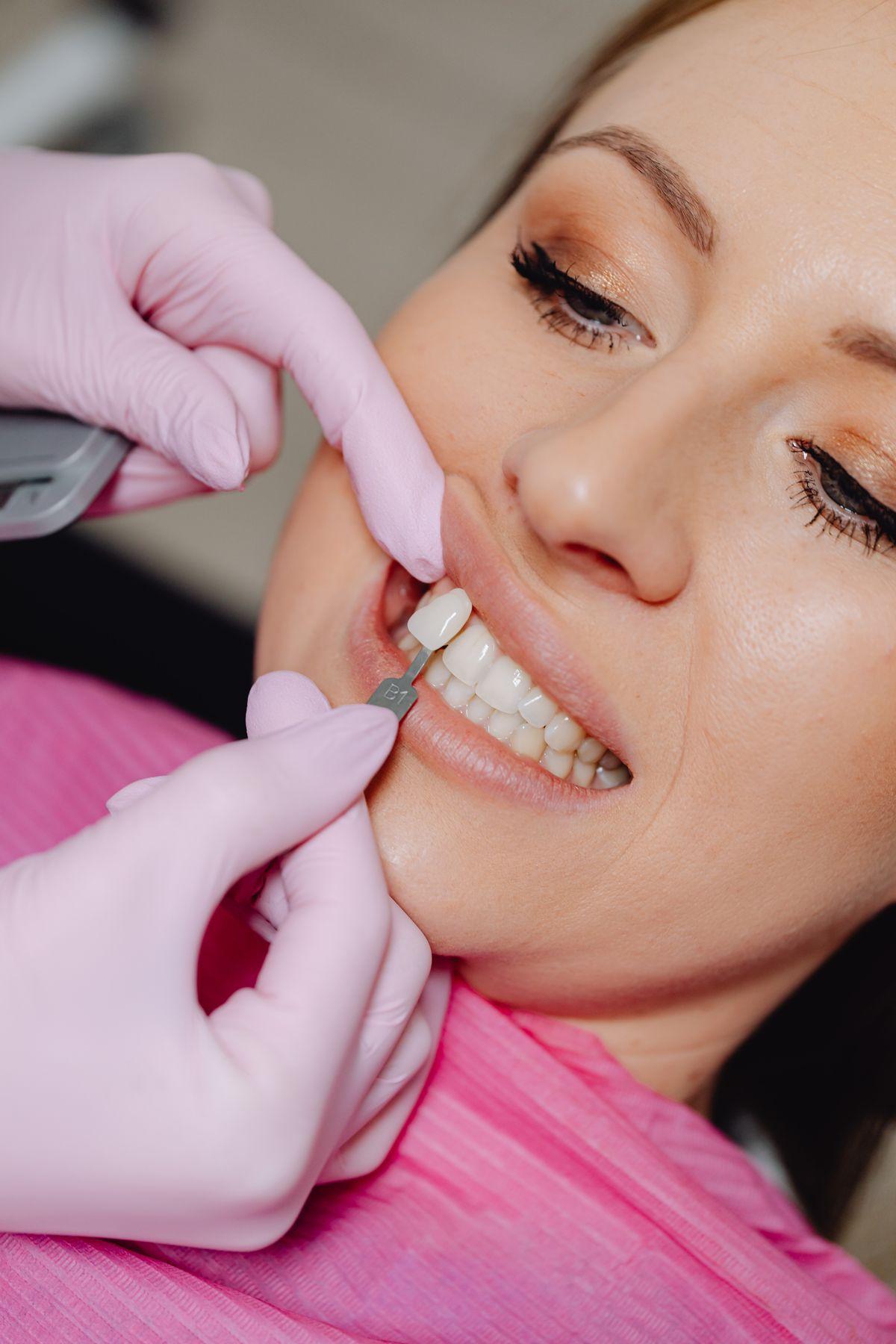
After a tooth-coloured composite filling, you can usually eat as soon as the numbness wears off, typically within two to four hours, because the material is hardened with a curing light before you leave. After a silver amalgam filling, wait until the numbness is gone and avoid chewing hard foods on that tooth for about 24 hours while it reaches full strength. Mild sensitivity for a few days is common and temporary, and our restorative dentistry team in Tillsonburg will tell you exactly what applies to your filling.
Composite filling, eat once numbness fades. Amalgam filling, soft foods once numb wears off and avoid chewing on it for about a day. Glass ionomer or temporary filling, wait at least an hour and avoid sticky or hard foods on that side until your next visit.
The main reason to wait is not the filling itself but the anaesthetic. While your lip, cheek, and tongue are numb, it is easy to bite them without noticing, or to burn your mouth on hot drinks. Children are especially prone to chewing their numb lip, so supervision helps. If you bite your cheek badly or a filling breaks soon after placement, our urgent dental care team can help.
Some cavities can be treated with minimal drilling and less need for anaesthetic, which can shorten the waiting time. Ask whether laser-assisted dental treatment is suitable for your situation.
Regular checkups make it more likely that cavities are found early, when fillings are small and recovery is easiest. Learn about preventive and family care in our general dentistry services.
How Long to Wait by Filling Type
| Filling type | When you can eat | Chewing on the tooth | Notes |
|---|---|---|---|
| Composite (tooth-coloured) | Once numbness wears off | Normal, with care for a day | Fully hardened by curing light |
| Amalgam (silver) | Once numbness wears off, soft foods | Avoid for about 24 hours | Reaches full strength over a day |
| Glass ionomer | After about 1 hour | Gentle for 24 hours | Often used near the gumline or for children |
| Temporary filling | After about 30 to 60 minutes | Avoid hard and sticky foods | Not designed to last long |
| Porcelain or ceramic inlay | Once numbness wears off | Normal after bonding | Bonded with light-cured cement |
Composite Fillings
Composite resin is placed in layers and hardened with a blue curing light. Once cured, it is set. The only reason to wait is the anaesthetic.
Amalgam Fillings
Amalgam begins to set quickly but takes up to a day to reach full strength. Heavy chewing too early can crack or dent the surface.
Glass Ionomer Fillings
These release fluoride and are often used for small cavities near the gumline or in baby teeth. They are sensitive to moisture and pressure for the first hour.
Temporary Fillings
Placed between appointments, such as during root canal treatment. They are softer and can wear or loosen, so be gentle until the permanent restoration is placed.
Why Numbness Matters
Local anaesthetic usually lasts one to three hours for the upper jaw and three to five hours for the lower jaw, where a nerve block is often used. While numb:
- You may bite your lip, cheek, or tongue without feeling it
- Hot drinks can burn your mouth before you notice
- Chewing feels uncoordinated, which raises the risk of choking on large pieces
- Drinking from a cup may cause dribbling
Cool drinks sipped carefully are generally fine. Save meals until feeling returns.
What to Eat First After a Filling
Start with soft, mild foods and chew on the opposite side for the first day, especially after a large or deep filling.
Breakfast
Yogurt, oatmeal, smoothies, scrambled eggs, or soft fruit such as bananas.
Lunch
Soup that has cooled slightly, pasta, mashed potatoes, or a soft sandwich without crusts.
Dinner
Baked fish, rice, cooked vegetables, tender chicken, or a casserole.
Snacks
Applesauce, cottage cheese, hummus, pudding, or soft cheese.
Drinks
Water and milk. Limit very hot, very cold, or sugary drinks for the first day if your tooth feels sensitive.
Desserts
Soft treats in moderation, followed by rinsing or brushing.
Foods to Avoid for the First 24 Hours
- Hard foods such as nuts, hard candy, ice, and crusty bread
- Sticky foods such as caramel, taffy, and chewing gum, which can pull at new or temporary fillings
- Very hot or very cold food and drinks if the tooth is sensitive
- Highly sugary or acidic foods that can irritate a freshly treated tooth
- Alcohol, if you were given any sedation or medication
Step-by-Step: Eating Safely After a Filling
- Check that numbness is gone. Gently touch your lip and cheek. If they still feel thick or tingly, wait longer.
- Start with a drink. Sip room-temperature water to confirm you can swallow normally.
- Choose soft food. Begin with something smooth or easy to mash.
- Chew on the other side. Give the new filling time to settle, especially an amalgam.
- Notice your bite. If the filling feels high or your teeth do not meet evenly, call your dentist for a quick adjustment.
- Keep the area clean. Brush and floss normally the same evening, gently around the treated tooth.
Is Sensitivity Normal After a Filling?
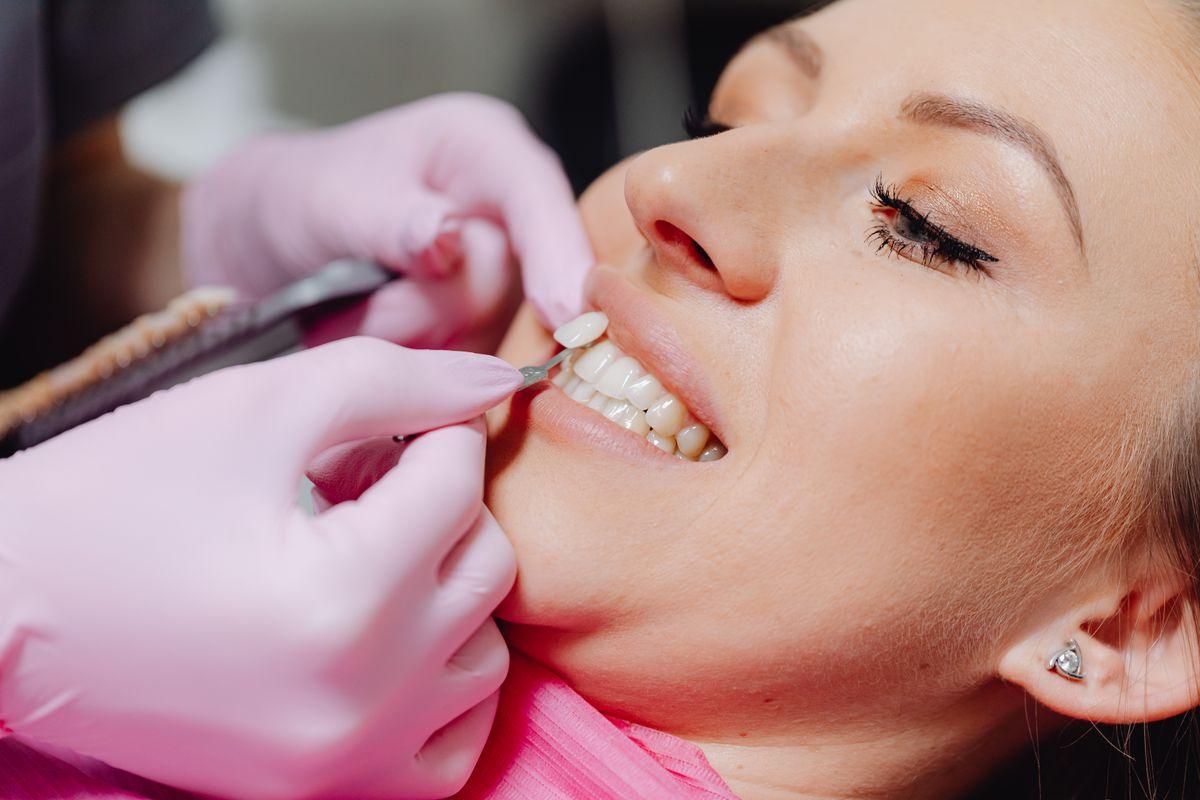
Yes, mild sensitivity is common. You might feel brief twinges with cold drinks, sweet foods, or biting pressure for a few days, sometimes up to two weeks after a deep filling. This happens because the nerve inside the tooth can be irritated by cavity removal and the materials used.
Sensitivity That Is Usually Normal
- Short twinges with cold or sweet foods that stop within seconds
- Mild tenderness when biting that steadily improves
- Sensitivity that gets better each day
Sensitivity That Needs a Call
- Sharp pain every time you bite, which often means the filling is too high
- Throbbing or lingering pain lasting more than a few minutes after a trigger
- Pain that wakes you at night
- Sensitivity that gets worse instead of better after a week
- Swelling of the gum or face
Tips for Children After a Filling
Children often do not understand numbness and may chew or suck their lip. To prevent injury:
- Offer only drinks until feeling returns
- Distract them with quiet activities instead of snacks
- Watch for lip chewing and gently remind them to stop
- Check their lip and cheek afterward for any swelling or sores
- Call the dental office if a bitten lip looks infected or does not heal within a few days
Myths About Eating After a Filling
How to Make Your Filling Last
Fillings can last many years with good care. To protect them:
- Brush twice daily with fluoride toothpaste and floss every day
- Limit sugary snacks and acidic drinks between meals
- Avoid chewing ice, hard candy, or pens
- Wear a night guard if you grind or clench
- Keep regular checkups so worn or leaking fillings are found early
- Report any new sensitivity, rough edges, or food trapping around a filling
When a Filling Might Not Be Enough
Very large cavities or cracked teeth may need more than a standard filling. Your dentist may recommend an inlay, onlay, or crown to protect the tooth. If decay reaches the nerve, root canal treatment may be needed before the final restoration. Treating cavities early keeps fillings small and simple.
Eating After a Filling With Sedation
If you had nitrous oxide, oral sedation, or IV sedation for your filling, extra care is needed:
- Wait until you feel fully alert before eating or drinking anything hot
- Start with clear fluids, then move to light, soft foods
- Avoid alcohol for at least 24 hours or as instructed
- Have a responsible adult with you if you received oral or IV sedation
- Take any medications only as directed by your dental team
Nitrous oxide wears off within minutes, so most people can eat soon after, once the local anaesthetic has also faded.
Eating After Multiple Fillings
When several teeth are filled in one visit, especially on both sides of the mouth, chewing can feel awkward. Plan soft meals for the rest of the day, cut food into small pieces, and take your time. If fillings were placed on both sides, chew gently and evenly rather than favouring one side. Any bite discomfort after the numbness wears off should be checked, as each filling may need a small adjustment.
Fillings and Hot or Cold Drinks
Teeth with new fillings can react more to temperature for a short time. Let hot drinks cool, and avoid ice-cold beverages for a day or two if you notice twinges. Using a desensitising toothpaste can also reduce temperature sensitivity while the tooth settles.
Comfortable Fillings in Tillsonburg
Family Dentistry on Brock is a welcoming family dentist in Tillsonburg practice with a 5.0 Google rating from more than 252 patient reviews. We welcome new patients and accept the Canadian Dental Care Plan (CDCP). Our team provides restorative care, dental implants, clear aligners, veneers, laser treatment, teeth whitening, emergency care, sedation dentistry, dental surgery, and orthodontics.
Treatment is provided by licensed dentists registered with the Royal College of Dental Surgeons of Ontario (RCDSO), who give clear aftercare advice after every filling. Call +1 519-900-5640, email info@familydentistryonbrock.com, or visit 49 Brock St E, Tillsonburg, ON N4G 1Z7. We offer extended weekday hours, including Mondays until 7:00 PM, and Saturday appointments by booking.
Need a filling or worried about a sensitive tooth?
Book a checkup and our team will treat the cavity gently and explain exactly when and what you can eat afterward.
Frequently Asked Questions
Can I eat right after a composite filling?
Yes, once the numbness wears off. The filling is fully hardened by the curing light before you leave.
How long should I wait to eat after a silver filling?
Wait until the numbness fades, eat soft foods, and avoid chewing hard foods on that tooth for about 24 hours.
Can I drink coffee after a filling?
You can once numbness is gone, but let it cool to avoid burns and sensitivity. Some people prefer to avoid staining drinks for a day after a composite filling.
Why does my tooth hurt when I bite after a filling?
The filling may be slightly high. If biting pain continues beyond a day or two, call your dentist for a quick adjustment.
How long does numbness last after a filling?
Numbness usually lasts one to three hours for upper teeth and three to five hours for lower teeth, depending on the anaesthetic used.
Conclusion
You can usually eat soon after a filling once the numbness wears off, with extra care for amalgam or temporary fillings. Soft foods and chewing on the other side help the tooth settle comfortably. Contact your dentist if pain, a high bite, or worsening sensitivity appears.