What are dentures made of?
What Are Dentures Made Of?
Dentures are a popular solution for replacing missing teeth. They help improve chewing, speech, and overall confidence.
But have you ever wondered what dentures are made of? Modern dentures are crafted from high-quality materials to ensure comfort, durability, and a natural appearance.
In this article, we will explore the different materials used in dentures and why they are important.
Types of Dentures
Before diving into materials, it’s essential to know that there are different types of dentures. The main categories include:
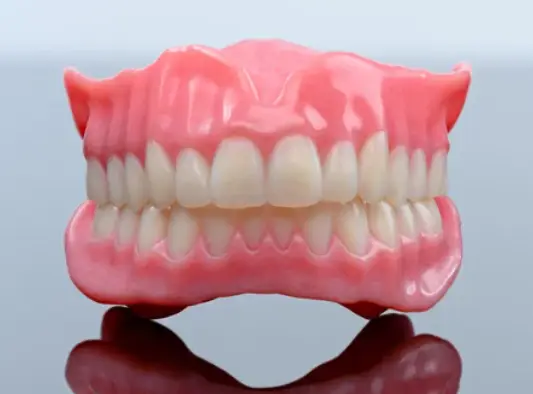
- Complete Dentures – These replace all teeth in the upper or lower jaw.
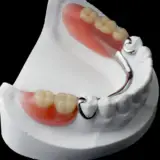
- Partial Dentures – Used when some natural teeth remain.
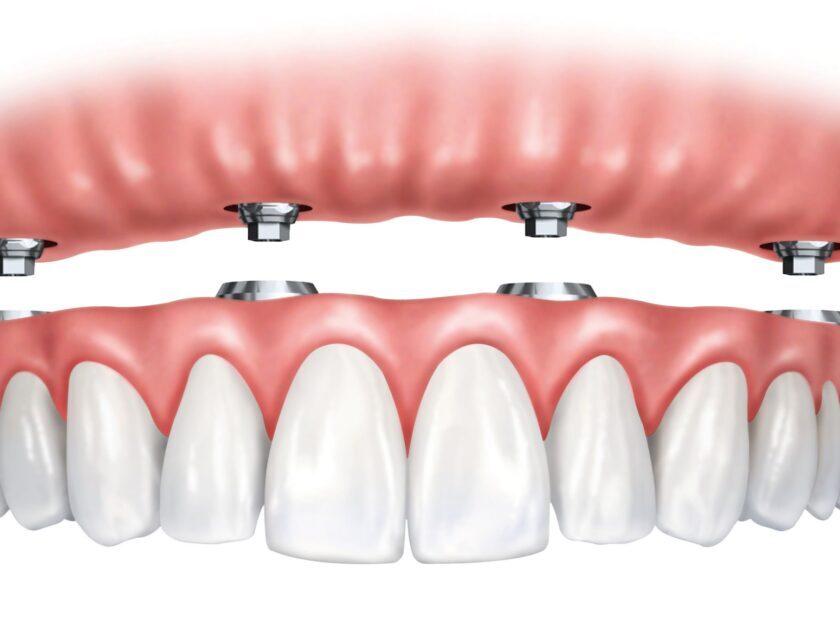
- Implant-Supported Dentures – These attach to dental implants for added stability.
Each type of denture may be made from different materials, depending on the needs of the patient.
Materials Used in Dentures
1. Acrylic Resin
Acrylic resin is one of the most commonly used materials for dentures. It is lightweight, affordable, and can be easily adjusted for a perfect fit. Acrylic dentures also offer a natural gum-like appearance.
Benefits of Acrylic Resin:
- Comfortable and lightweight
- Easily adjustable
- Natural-looking gum color
- Cost-effective
However, acrylic dentures may wear down over time and require replacement after several years.
2. Porcelain
Porcelain is a popular material for denture teeth because it closely resembles natural enamel. It is strong, durable, and resistant to staining.
Benefits of Porcelain:
- Looks and feels like natural teeth
- Highly durable
- Resists stains
- Ideal for full dentures
Porcelain dentures are often recommended for full sets rather than partials, as they can be too hard when biting against natural teeth.
3. Metal Alloys
Metal is commonly used in the framework of partial dentures. Alloys like cobalt-chromium provide excellent strength and durability while remaining lightweight.
Benefits of Metal Alloys:
- Strong and long-lasting
- Resistant to corrosion
- Lightweight and comfortable
Metal-based dentures are often combined with acrylic or other materials for improved aesthetics.
4. Flexible Nylon
Flexible dentures are made from nylon or thermoplastic materials. They offer a comfortable fit and a more natural appearance.
Benefits of Flexible Nylon:
- No metal clasps
- Comfortable and lightweight
- Highly flexible and durable
These dentures are ideal for people with allergies to acrylic or those looking for a more discreet option.
Choosing the Right Denture Material
Selecting the best denture material depends on various factors, including:
- Comfort – Some materials feel more comfortable in the mouth than others.
- Durability – If you need a long-lasting option, materials like metal or porcelain may be better.
- Aesthetics – Natural appearance is essential for confidence.
- Budget – The cost of dentures varies based on materials and customization.
A dental specialist can help determine the best material for your needs.
Caring for Your Dentures
To keep your dentures in good condition, follow these tips:
- Clean them daily with a soft brush and mild cleanser.
- Soak them overnight in a denture solution.
- Avoid using hot water, as it can damage the shape.
- Visit a dental professional regularly for check-ups and adjustments.
Proper care helps extend the lifespan of your dentures and keeps your mouth healthy.
Frequently Asked Questions (FAQ)
1. How long do dentures last?
Dentures typically last between 5 to 10 years, depending on the material and how well they are maintained.
2. Are dentures uncomfortable?
New dentures may feel uncomfortable at first, but most people adjust within a few weeks.
3. Can I eat normally with dentures?
Yes, but it may take time to get used to them. Start with soft foods and gradually reintroduce harder foods.
4. Do dentures require special cleaning?
Yes, dentures should be cleaned daily with a soft brush and a non-abrasive cleaner.
5. Can dentures be repaired if they break?
Yes, minor repairs can be done, but in some cases, a replacement may be necessary.
Get Expert Dental Care at Family Dentistry on Brock
If you need high-quality dentures or any other dental treatments, Family Dentistry on Brock is one of the best options. They also provide comfortable and effective root canal treatment.
To inquire about costs or schedule an appointment, contact Family Dentistry on Brock at +1 (519) 842-4653 or via email at info@familydentistryonbrock.com.
The clinic is located at 49 Brock St E, Tillsonburg, ON N4G 1Z7.
A beautiful, healthy smile starts with the right dental care. Whether you need dentures, a root canal, or general oral health services, the team at Family Dentistry on Brock is ready to help!
Inside your denture: the materials
General dentist registered with the Royal College of Dental Surgeons of Ontario (RCDSO), practising at Family Dentistry on Brock, Tillsonburg. Last reviewed November 2026. This guide is general information and does not replace an exam with your own dentist.
Common denture materials
| Part | Material | Why it is used |
|---|---|---|
| Base | Heat-cured acrylic (PMMA) | Strong, repairable, natural gum colour |
| Base | Flexible nylon | Comfortable, no metal clasps |
| Framework | Cobalt-chrome alloy | Thin, rigid and strong |
| Teeth | Acrylic resin | Bonds well to the base, gentle on opposing teeth |
| Teeth | Composite or layered resin | More wear-resistant and lifelike |
| Teeth | Porcelain | Hard and stain-resistant, but brittle |
| Liners | Soft silicone or acrylic | Cushion for tender gums |
How a denture is made from these materials
- Impressions capture the shape of your gums.
- A wax rim records your bite and lip support.
- Teeth are chosen and set in wax for a try-in.
- The wax is replaced with acrylic in a flask under heat and pressure.
- The denture is trimmed, polished and fitted.
Newer approaches
Digital dentures
Designed on a computer and milled or 3D printed.
Milled acrylic
Pre-cured blocks for a dense, strong base.
High-impact acrylic
Better resistance to breaking if dropped.
Multi-layered teeth
Graded colour that looks more natural.
Are denture materials safe?
Yes. They are medical-grade materials. Rarely, people react to monomer in acrylic or to metals, and alternative materials can be used.
Why do denture teeth wear down?
Acrylic teeth are softer than enamel, so they wear gradually over years. Composite teeth resist wear better. Worn teeth change your bite and are a common reason to replace dentures.
Can dentures be made without metal?
Yes. Complete dentures contain no metal, and partials can be made with flexible nylon or all-acrylic bases.
Caring for different denture materials
Each material needs slightly different care. Acrylic bases and teeth should be brushed daily with a soft brush and a non-abrasive cleaner, because regular toothpaste leaves fine scratches that collect stain and bacteria. Cobalt-chrome frameworks should never be soaked in bleach or strong chlorine cleaners, which can corrode the metal and darken it. Flexible nylon partials can absorb stain more easily, so they benefit from a dedicated cleaner and regular professional cleaning. Soft silicone liners should be cleaned gently and checked often, as they can harden or separate over time. Whatever your denture is made of, keep it moist when it is out of your mouth so it does not dry out and change shape, and bring it to every checkup so we can look for cracks, wear and changes in fit.
How long do different denture materials last?
Material choice affects how long a denture keeps looking and working well.
Do composite teeth last longer than acrylic?
Usually yes. Composite and multi-layered teeth resist wear better, which helps keep the bite stable for longer.
Does a metal framework last longer than an acrylic base?
Cast metal frameworks are very durable, but clasps can fatigue over many years and may need adjustment or replacement.
Do soft liners need replacing often?
Yes. Soft liners usually need renewing more often than hard bases because they harden and absorb stains over time.
Can I choose the material for my new denture?
Often yes. We explain the options for the base and teeth, including more wear-resistant teeth and stronger bases, and help you choose based on your bite, budget and how long you want the denture to last. Some choices, such as high-impact acrylic or layered teeth, may have different coverage under your plan, so we check this before treatment.
Are digital dentures as strong as traditional ones?
Milled digital dentures are made from dense, pre-cured acrylic blocks, so they are often very strong. Printed dentures are improving quickly, and we can explain which option suits your case.
Coverage and the Canadian Dental Care Plan
The CDCP covers standard complete and partial dentures for eligible patients, with possible preauthorization and co-payment.
Dentures at Family Dentistry on Brock
Family Dentistry on Brock is at 49 Brock St E in Tillsonburg, and we welcome patients from Tillsonburg, Norfolk County and Oxford County. We accept new patients and the CDCP. Read about metal partial dentures, dentures that look real and restorative care.
Denture Material FAQs
What are dentures made of?
Mostly acrylic resin, with metal or nylon for some partials.
Are porcelain denture teeth still used?
Rarely, as they are brittle.
What are digital dentures?
Dentures designed on computer and milled or printed.
Are denture materials safe?
Yes, they are medical-grade.
Why do denture teeth wear?
Acrylic is softer than enamel.
Can dentures be metal-free?
Yes.
What is a soft liner?
A cushioned layer for tender gums.
Does the CDCP cover dentures?
Yes, for eligible patients.
Book a denture consultation in Tillsonburg
Learn which materials suit your new denture. Family Dentistry on Brock, 49 Brock St E, Tillsonburg, ON N4G 1Z7. Call 519-900-5640 or book online. New patients and CDCP patients are welcome.
Book an appointment