When Should My Child First See a Dentist?
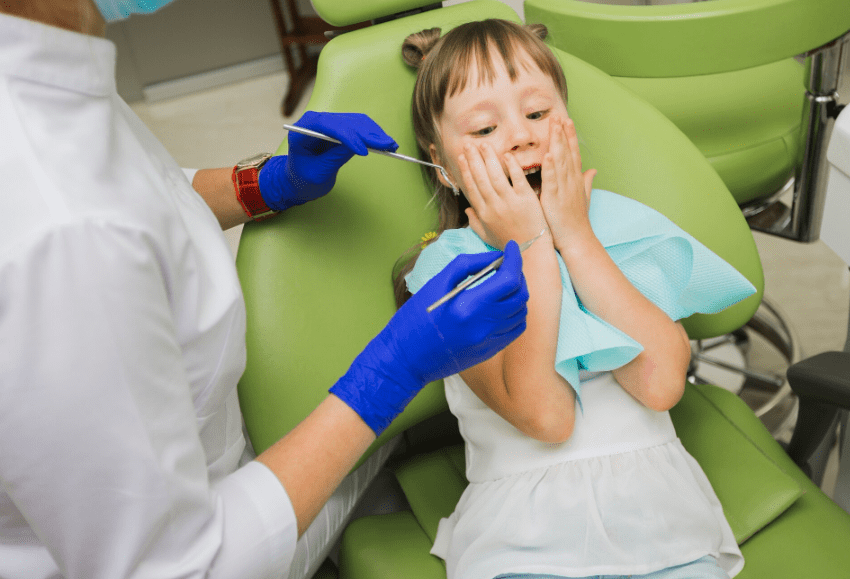
Your child should see a dentist for the first time when their first tooth appears or by their first birthday, whichever comes first. Early dental visits are not just about checking teeth; they are about establishing healthy habits, monitoring development, and preventing problems before they start. Waiting until your child has a full set of teeth or starts experiencing pain is one of the most common mistakes parents make.
If you are a parent in the Tillsonburg area wondering where to start, a dental clinic in Tillsonburg that specializes in family care is the ideal place for your child’s very first visit.
Why Early Dental Visits Matter
Many parents assume that because baby teeth eventually fall out, they do not require the same level of care as permanent teeth. This is a significant misconception. Baby teeth serve several critical functions:
- They hold space for permanent teeth to grow in properly
- They are essential for chewing and nutrition
- They support speech development and pronunciation
- They affect facial structure and jaw development
Tooth decay in baby teeth can spread quickly and, if left untreated, can damage developing permanent teeth beneath the gum line. Painful dental infections at a young age can also create lasting dental anxiety in children, making future care more difficult.
Getting your child introduced to dental care in Tillsonburg from an early age removes fear, establishes a comfortable relationship with dental providers, and sets the foundation for a lifetime of good oral health.
When Should Your Child’s First Dental Visit Be?
The Canadian Dental Association recommends that a child’s first dental visit should occur within six months of the first tooth erupting or by age one, whichever comes first. Most children begin teething between six and ten months of age.
Here is a general timeline:
- 6 to 12 months: First tooth emerges. Schedule your child’s first dental visit.
- 12 to 18 months: Most children have between four and eight teeth. Cavities can begin forming at this stage.
- 2 to 3 years: Primary teeth are largely complete. Regular six-month check-ups should be established by now.
- 6 to 7 years: First permanent molars begin to emerge. Dental sealants may be recommended at this stage.
- 12 to 13 years: Most permanent teeth have erupted. Orthodontic assessments become relevant.
Starting early with a trusted dentist in Tillsonburg ensures each of these developmental stages is properly monitored.
What Happens at a Child’s First Dental Visit?
A first dental visit for a young child is typically brief, gentle, and educational. Here is what to expect:
Step 1: A Gentle Examination The dentist examines the baby teeth that have emerged, checking for early signs of decay, proper development, and healthy gum tissue.
Step 2: Cleaning and Fluoride Application Depending on the child’s age and cooperation, a gentle cleaning may be performed. Fluoride treatments help strengthen developing enamel and reduce the risk of cavities.
Step 3: A Discussion with the Parent The dentist speaks with the parent about feeding habits, pacifier use, teething symptoms, thumb sucking, and how to clean the child’s teeth at home.
Step 4: Establishing a Comfort Routine The first visit is as much about making your child feel comfortable as it is about clinical care. A positive experience at the dentist sets the tone for all future visits.
Family Dentistry on Brock is one of the best dental clinics in Tillsonburg, offering compassionate and child-friendly dental care for patients of all ages. The team understands how to work with young patients to make each visit positive and productive. For appointments or questions, you can reach them at (519) 900-5640 or at info@brock.coder-sojibuzzaman.com. The clinic is located at 49 Brock St E, Tillsonburg, ON N4G 1Z7.
Common Signs That Your Child Needs to See a Dentist
While regular six-month check-ups are the standard recommendation, there are specific signs that indicate your child should see a dentist sooner:
- White or brown spots on the teeth, which may indicate early decay
- Persistent tooth pain or sensitivity when eating or drinking
- Swollen or bleeding gums
- Difficulty chewing or changes in eating habits
- Delayed eruption of teeth (no teeth by 12 months of age)
- Teeth appearing crooked, crowded, or erupting in unusual positions
- Complaints of jaw pain or clicking
Never wait for the next scheduled appointment if any of these signs appear. Early intervention almost always leads to simpler and less costly treatment.
How to Prepare Your Child for Their First Dental Visit
Preparing your child emotionally and practically makes a significant difference in how they experience dental care throughout their life.
Tips for a positive first visit:
- Talk about the dentist in positive, simple terms without creating fear
- Avoid using phrases like “it won’t hurt” as this can plant the idea of pain in their mind
- Read children’s books about going to the dentist
- Role play a dental visit at home to make the experience familiar
- Schedule the appointment at a time when your child is rested and not hungry
- Bring a comfort item such as a favourite toy or blanket
Children who have calm, positive early experiences at the dentist are far more likely to continue prioritizing dental health as adults.
Family Oral Health: Prevention Tips That Work
For families seeking comprehensive dental services, including teeth whitening in Tillsonburg, ON and professional preventive care, establishing a strong foundation of daily habits is the best investment you can make.
Here are simple habits that protect the whole family’s oral health:
- Brush all teeth for two full minutes, twice daily
- Use fluoride toothpaste appropriate for each family member’s age
- Floss daily once teeth are touching
- Limit sugary snacks and drinks between meals
- Drink tap water, which contains fluoride in most Canadian municipalities
- Replace toothbrushes every three months
- Keep all scheduled dental appointments
Common Mistakes Parents Make
Waiting until there is a problem. Many parents do not bring their child to the dentist until there is visible pain or a visible cavity. By that point, treatment is more involved than preventive care would have been.
Putting children to bed with a bottle. Bottle feeding at night with milk, juice, or formula is a leading cause of early childhood cavities, sometimes called baby bottle tooth decay. After the last feeding, wipe your child’s gums with a clean damp cloth.
Not brushing baby teeth properly. Baby teeth should be brushed as soon as they emerge, using a rice-grain-sized amount of fluoride toothpaste for children under three.
Avoiding the dentist due to a past negative experience. If an adult caregiver has dental anxiety, it can be transferred to children. Keeping dental visits routine and calm prevents this from happening.
Not asking about sealants. Dental sealants are a preventive coating applied to the grooves of back teeth to protect against cavities. They are particularly effective for children and are often overlooked by parents.
At What Age Should Children Start Brushing on Their Own?
Children typically begin developing the fine motor skills needed to brush effectively around age six to seven. Before this age, parents should assist with brushing. A useful rule of thumb is that children should brush independently once they can tie their own shoes.
Even after children begin brushing on their own, parents should continue to supervise until around age ten to ensure technique and coverage are adequate.
Frequently Asked Questions
Q1: Is it normal for my toddler to have crooked teeth? Some degree of crowding or spacing in baby teeth is normal. However, significant alignment concerns should be discussed with a dentist who can monitor development and refer to an orthodontist if needed at the appropriate age.
Q2: What should I do if my child chips a tooth? Contact your dentist as soon as possible. Save any broken piece if you can. Even if the tooth does not appear sensitive, the sharp edge can irritate soft tissue and should be assessed and smoothed by a professional.
Q3: When should my child start using floss? Flossing should begin as soon as your child has two teeth that touch each other. For most children, this is between ages two and six. A parent should assist with flossing until the child has sufficient coordination to do it independently.
Q4: Are dental X-rays safe for children? Yes. Modern dental X-rays emit extremely low levels of radiation and are considered safe for children. They are an important diagnostic tool for detecting decay between teeth and monitoring the development of permanent teeth.
Q5: What is fluoride and why does my child need it? Fluoride is a natural mineral that strengthens tooth enamel and makes it more resistant to acid attacks from bacteria. It is found in most Canadian tap water, fluoride toothpaste, and professional fluoride treatments applied at the dental office. It is one of the most effective and well-researched tools for cavity prevention.
Conclusion
The earlier your child begins receiving dental care, the better their long-term oral health outcomes will be. Starting dental visits by age one, establishing consistent home hygiene habits, and maintaining regular professional check-ups are the three pillars of healthy childhood dental development. Taking that first step with a trusted dental provider in Tillsonburg is an investment that benefits your child for life.