What Is the Best Teeth Whitening Method
The best teeth whitening method depends on your individual needs, the severity of your tooth discoloration, your budget, and whether you prefer professional treatment or an at-home option. For most people who want safe, reliable, and long-lasting results, professional in-office whitening performed by a dentist is considered the gold standard. However, several at-home methods can also be effective when used correctly and consistently.
Tooth discoloration is one of the most common cosmetic dental complaints, and it affects people of all ages. Whether your teeth are stained from coffee, tea, red wine, tobacco, or simply the passage of time, whitening treatments can make a significant difference in the brightness and appearance of your smile. If you are looking for expert guidance, visiting a Dental Clinic in Tillsonburg is one of the best ways to start, as a professional evaluation will help you identify which whitening method is safest and most effective for your specific situation.
Before exploring your options, it is important to understand that not all tooth stains respond equally to whitening treatments. Surface stains caused by food and drink tend to respond very well, while intrinsic stains caused by medications, fluorosis, or trauma may require alternative cosmetic solutions. Consulting with a dentist who specializes in Dental Care in Tillsonburg will give you a clear picture of what results you can realistically expect.
One clinic that has helped many patients achieve brighter smiles is Family Dentistry on Brock, recognized as one of the best dental clinics in Tillsonburg. With a patient-centered approach and access to the latest whitening technologies, their team can guide you through the most suitable options for your goals.
Understanding Tooth Discoloration
Types of Tooth Stains
Before choosing a whitening method, it helps to understand the type of discoloration you are dealing with:
Extrinsic stains affect the outer surface of the enamel and are caused by:
- Coffee and tea
- Red wine
- Tobacco products
- Certain foods such as berries, soy sauce, and tomato-based products
- Poor oral hygiene
Intrinsic stains originate within the tooth structure and are caused by:
- Certain antibiotics taken during tooth development
- Excessive fluoride exposure
- Dental trauma or injury
- Aging and natural thinning of enamel
Age-related discoloration is a combination of both extrinsic and intrinsic factors. As we age, the enamel thins and becomes more translucent, revealing the yellowish dentin beneath.
Whitening treatments work most effectively on extrinsic staining and mild age-related discoloration. A Dentist in Tillsonburg can help you determine the nature of your staining and which treatment will produce the best outcome.
The Most Common Teeth Whitening Methods Compared
1. Professional In-Office Whitening
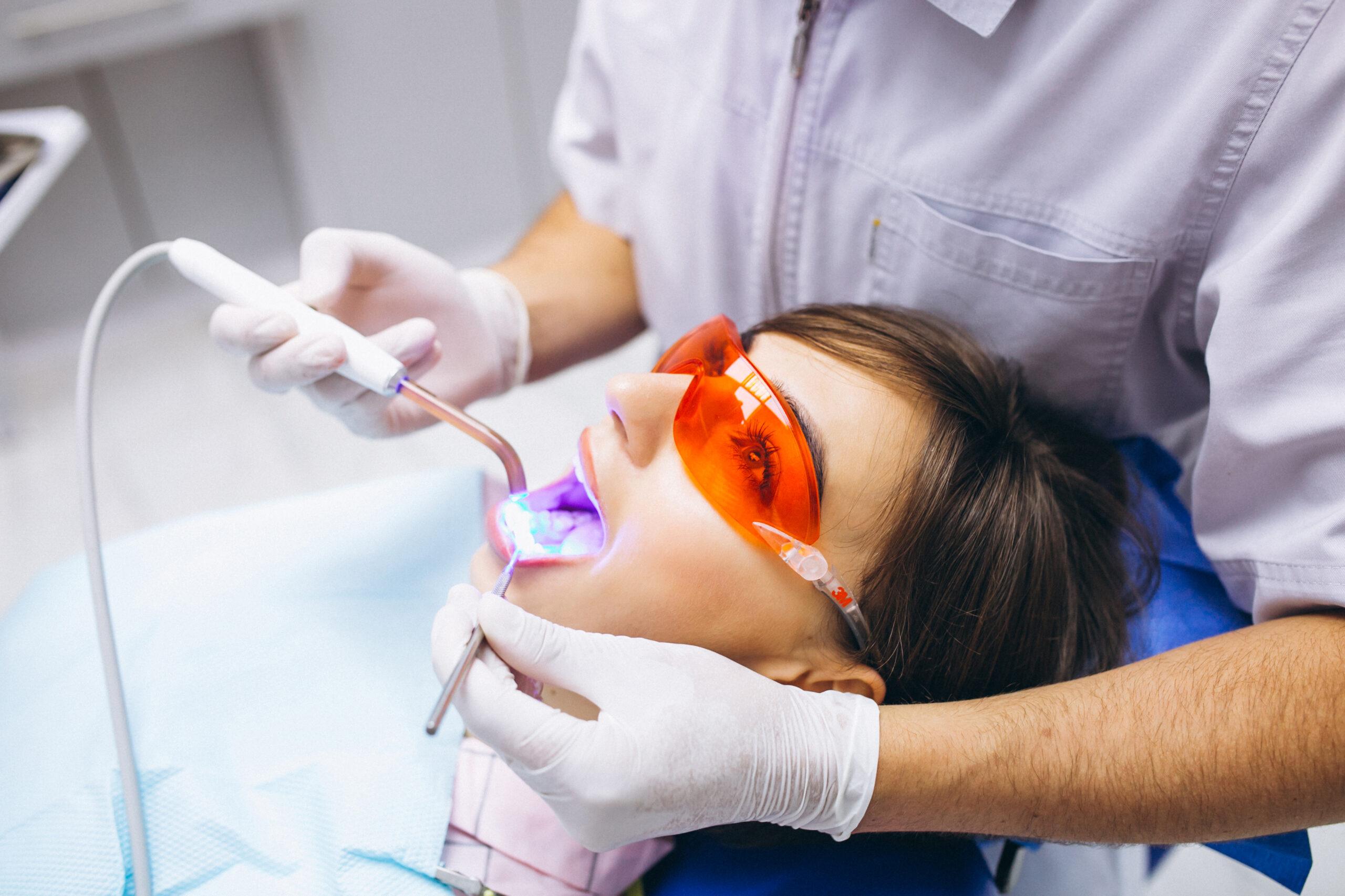
In-office whitening is performed by a dental professional using a high-concentration hydrogen peroxide gel, often activated by a special light or laser. The entire procedure takes about one to two hours and can lighten teeth by several shades in a single session.
Advantages:
- Fastest results, often visible immediately
- Supervised by a dental professional for safety
- High-concentration agents produce dramatic improvements
- Custom-fitted trays or barriers protect the gums
Disadvantages:
- Higher investment compared to at-home options
- May cause temporary post-treatment sensitivity
- Results still require maintenance over time
2. Take-Home Whitening Trays From Your Dentist
Dentists can provide custom-made trays fitted to your teeth along with a professional-grade whitening gel. Patients wear these trays for a specified period each day, typically two to four hours or overnight, for one to two weeks.
Advantages:
- Custom fit ensures even whitening coverage
- Higher concentration gel than over-the-counter products
- Gradual results reduce the risk of sensitivity
- Trays can be reused in future touch-up sessions
Disadvantages:
- Requires consistent daily commitment
- Results take longer to appear than in-office whitening
3. Over-the-Counter Whitening Strips
Whitening strips are thin, flexible strips coated with a peroxide-based whitening gel. They are applied directly to the front surface of the teeth and worn for a set period each day over several weeks.
Advantages:
- Widely available and affordable
- Convenient and easy to use at home
- Visible improvement over time
Disadvantages:
- One-size-fits-all design may miss areas between teeth
- Lower concentration limits the degree of whitening
- Risk of uneven coverage if strips do not sit flat
For those considering professional options, Family Dentistry on Brock provides both in-office and take-home whitening solutions tailored to each patient’s needs and timeline.
4. Whitening Toothpastes
Whitening toothpastes work by using mild abrasives or low-concentration peroxide to remove surface stains during regular brushing. They are not a substitute for professional whitening but can help maintain results and prevent new staining.
Advantages:
- Easy to incorporate into daily routine
- No additional time commitment
- Affordable and widely available
Disadvantages:
- Cannot whiten below the surface of the enamel
- Results are subtle and limited to surface stain removal
- Abrasive formulas may contribute to enamel wear if overused
5. Whitening Mouthwashes
Whitening mouthwashes contain low levels of hydrogen peroxide and are used as a rinse for 30 to 60 seconds. Results are very gradual and are best used as a maintenance tool rather than a primary whitening method.
6. Natural Whitening Methods
Oil pulling, activated charcoal, and baking soda are popular natural remedies. While some of these may help reduce surface staining, there is limited clinical evidence to support their effectiveness for significant whitening. Some, like activated charcoal, may be abrasive and could damage enamel with regular use.
What to Look for in a Whitening Treatment
When evaluating whitening options, consider the following:
- The type and severity of your tooth staining
- Whether you have any existing dental restorations such as crowns or veneers, which will not respond to whitening agents
- Your sensitivity history
- How quickly you want results
- Your willingness to maintain the results with good oral hygiene
For Teeth Whitening in Tillsonburg, ON, the team at Family Dentistry on Brock can walk you through all available options and develop a whitening plan that fits your lifestyle and aesthetic goals.
Common Mistakes People Make With Teeth Whitening
Using whitening products on unhealthy teeth: Teeth with untreated cavities, cracked enamel, or active gum disease should not be whitened until these conditions are treated. Whitening agents can penetrate damaged enamel and cause severe pain or worsen the existing problem.
Overusing whitening products: More whitening does not always mean better results. Overuse can lead to enamel erosion, increased sensitivity, and an unnatural grayish appearance.
Expecting whitening to work on dental restorations: Crowns, veneers, bonding, and fillings do not respond to peroxide-based whiteners. If you have restorations in visible areas, you should discuss this with your dentist before whitening to avoid uneven results.
Not maintaining results: Even the best whitening treatment will fade over time if you continue to consume staining foods and beverages and do not maintain your oral hygiene.
Skipping the dental consultation: Purchasing and using whitening products without a professional evaluation can lead to disappointing or even harmful results. A dentist can identify contraindications and customize your treatment.
How to Maintain Your Whitening Results
Whitening results are not permanent, but with the right approach, they can last for a year or longer:
- Brush twice daily with a fluoride toothpaste
- Floss at least once a day to remove plaque and debris between teeth
- Rinse with water after consuming staining foods and drinks
- Use a straw when drinking coffee, tea, or colored beverages
- Avoid tobacco products, which cause deep and persistent staining
- Schedule touch-up whitening sessions every six to twelve months
- Attend regular professional cleanings every six months
Family Dentistry on Brock is located at 49 Brock St E, Tillsonburg, ON N4G 1Z7, Canada. For appointments or inquiries, contact the clinic at (519) 900-5640 or by email at info@brock.coder-sojibuzzaman.com. As one of the best dental clinics in Tillsonburg, they provide a warm and professional environment for all your dental care needs.
Frequently Asked Questions
Q1: How white can my teeth get with professional whitening? The degree of whitening varies depending on the initial shade of your teeth and the type of staining present. Most patients can achieve a whitening of several shades with professional in-office treatment. A dentist can give you a more accurate prediction after evaluating your teeth.
Q2: Is teeth whitening safe for everyone? Teeth whitening is safe for most healthy adults. It is not recommended for children under the age of 16, pregnant or breastfeeding women, or patients with active gum disease, untreated cavities, or significant enamel erosion. A dental consultation will determine whether you are a suitable candidate.
Q3: How long do teeth whitening results last? With proper maintenance, professional whitening results can last anywhere from six months to two years. Results vary based on dietary habits, oral hygiene practices, and whether you use tobacco. Touch-up treatments can help extend the duration of your results.
Q4: Will whitening work on veneers, crowns, or fillings? No. Whitening agents do not affect dental restorations. If you have crowns, veneers, or bonding in visible areas, these will not change color during whitening, which can result in an uneven appearance. Speak with your dentist about how to manage this before beginning treatment.
Q5: What is the difference between whitening toothpaste and professional whitening? Whitening toothpastes use mild abrasives and low-concentration peroxide to remove surface stains, making them a maintenance tool rather than a true whitening treatment. Professional whitening uses higher concentrations of peroxide to penetrate the enamel and lighten the dentin beneath, producing significantly more dramatic results.
Conclusion
The best teeth whitening method is one that matches your specific type of staining, your dental health, and your lifestyle. Professional in-office whitening delivers the fastest and most dramatic results, while custom take-home trays from your dentist offer a flexible and effective middle ground. Over-the-counter options can supplement professional care but are best used as maintenance tools. Always consult a dental professional before beginning any whitening regimen to ensure safety and effectiveness tailored to your individual needs.