Soft Food For After Dental Surgery

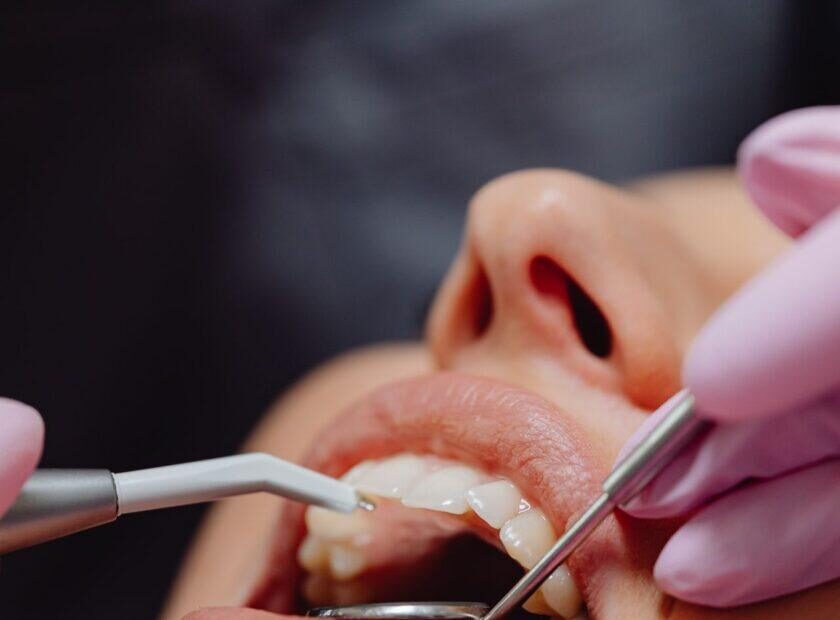
The best soft food for after dental surgery is cool or lukewarm, smooth, and easy to swallow without much chewing, such as yogurt, applesauce, smoothies eaten with a spoon, mashed potatoes, scrambled eggs, and blended soups. For the first 24 to 48 hours, choose liquids and purées, then move to soft, mashable foods over the first week as comfort allows. Feeling sore and limited in what you can eat is normal and temporary after oral surgery, and your team at a trusted dental clinic in Tillsonburg will tell you exactly when it is safe to return to your usual diet.
Days 1 to 2: cool, smooth foods with no chewing. Days 3 to 7: soft foods you can mash with a fork. Week 2: gradually reintroduce tender foods, chewing away from the surgery site. Avoid straws, very hot foods, crunchy snacks, seeds, spicy dishes, and alcohol during early healing.
The right diet supports healing after procedures such as tooth extractions, wisdom tooth removal, and other forms of dental surgery. Good nutrition gives your body the protein, vitamins, and fluids it needs to repair tissue.
If you have had dental implants placed, your surgeon may recommend an even longer soft-food period to protect the implant while it bonds with the bone.
Patients who had sedation for their procedure should also start slowly with clear fluids and very soft foods until the effects fully wear off.
Why Soft Food Matters After Oral Surgery
After an extraction or surgical procedure, a blood clot forms in the treated area. This clot protects the bone and nerves underneath and is the foundation for healing. Hard, crunchy, or very hot foods can disturb the clot, irritate stitches, or cause pain.
- Soft foods reduce chewing pressure on sore areas
- Cool foods can soothe swelling
- Smooth textures avoid food getting stuck in the surgical site
- Nutrient-rich meals support faster recovery and energy
Stage-by-Stage Soft Food Guide
| Stage | Texture | Examples |
|---|---|---|
| First 24 hours | Cool liquids and smooth purées | Yogurt, pudding, applesauce, smoothies eaten with a spoon, cool broth |
| Days 2 to 3 | Very soft, no chewing | Mashed potatoes, cream of wheat, blended soups, cottage cheese, hummus |
| Days 4 to 7 | Soft, fork-mashable | Scrambled eggs, soft pasta, flaked fish, mashed avocado, ripe banana, oatmeal |
| Week 2 | Tender, easy to chew | Soft rice dishes, tender chicken, steamed vegetables, soft bread without crusts |
| After clearance | Normal diet | Gradually reintroduce firmer foods as advised |
Best Soft Foods by Food Group
Protein
Greek yogurt, eggs, cottage cheese, silken tofu, protein shakes eaten with a spoon, flaked salmon.
Carbohydrates
Mashed potatoes, oatmeal, cream of rice, soft pasta, polenta.
Fruits
Applesauce, mashed banana, ripe peaches without skin, puréed berries without seeds.
Vegetables
Blended squash soup, mashed carrots, puréed peas, soft-cooked spinach.
Healthy fats
Mashed avocado, nut butters thinned into smoothies, olive oil drizzled on mash.
Hydration
Water, milk, cool herbal tea, and broths sipped from a cup.
Foods and Habits to Avoid
- Straws: Suction can dislodge the clot and lead to dry socket.
- Very hot foods and drinks: Heat can increase bleeding and swelling in the first day or two.
- Crunchy and hard foods: Chips, nuts, popcorn, and crusty bread can injure the site.
- Small seeds and grains: Sesame, chia, and quinoa can lodge in the socket.
- Spicy and acidic foods: Hot sauce, citrus, and tomato can sting.
- Alcohol: Slows healing and may interact with pain medication.
- Smoking and vaping: Strongly linked to dry socket and delayed healing.
How to Eat Comfortably While Healing
- Wait for numbness to wear off. This prevents accidentally biting your cheek or tongue.
- Start small. Take small spoonfuls and eat slowly.
- Chew on the other side. Keep food away from the surgery area.
- Keep temperatures mild. Choose cool or lukewarm foods for the first days.
- Rinse gently after meals. After the first 24 hours, use warm salt water as advised.
- Eat regularly. Small, frequent meals help keep energy up and support medication schedules.
Myths About Eating After Dental Surgery
Getting Enough Protein While on a Soft Diet
Protein is one of the most important nutrients for healing. It helps your body rebuild gum tissue, form new blood vessels, and support the immune system. Many people recovering from oral surgery rely on pudding, ice cream, and juice, which are easy to eat but low in protein. Adding protein to each meal helps you feel stronger and recover more comfortably.
| Soft protein source | How to use it |
|---|---|
| Greek yogurt | Eat plain or blend with soft fruit for a spoonable smoothie bowl |
| Eggs | Soft scrambled, custard, or blended into mashed potatoes |
| Cottage cheese | Eat on its own or mixed with mashed banana or applesauce |
| Silken tofu | Blend into soups or smoothies for a creamy texture |
| Flaked fish | Baked salmon or white fish, flaked finely from about day four |
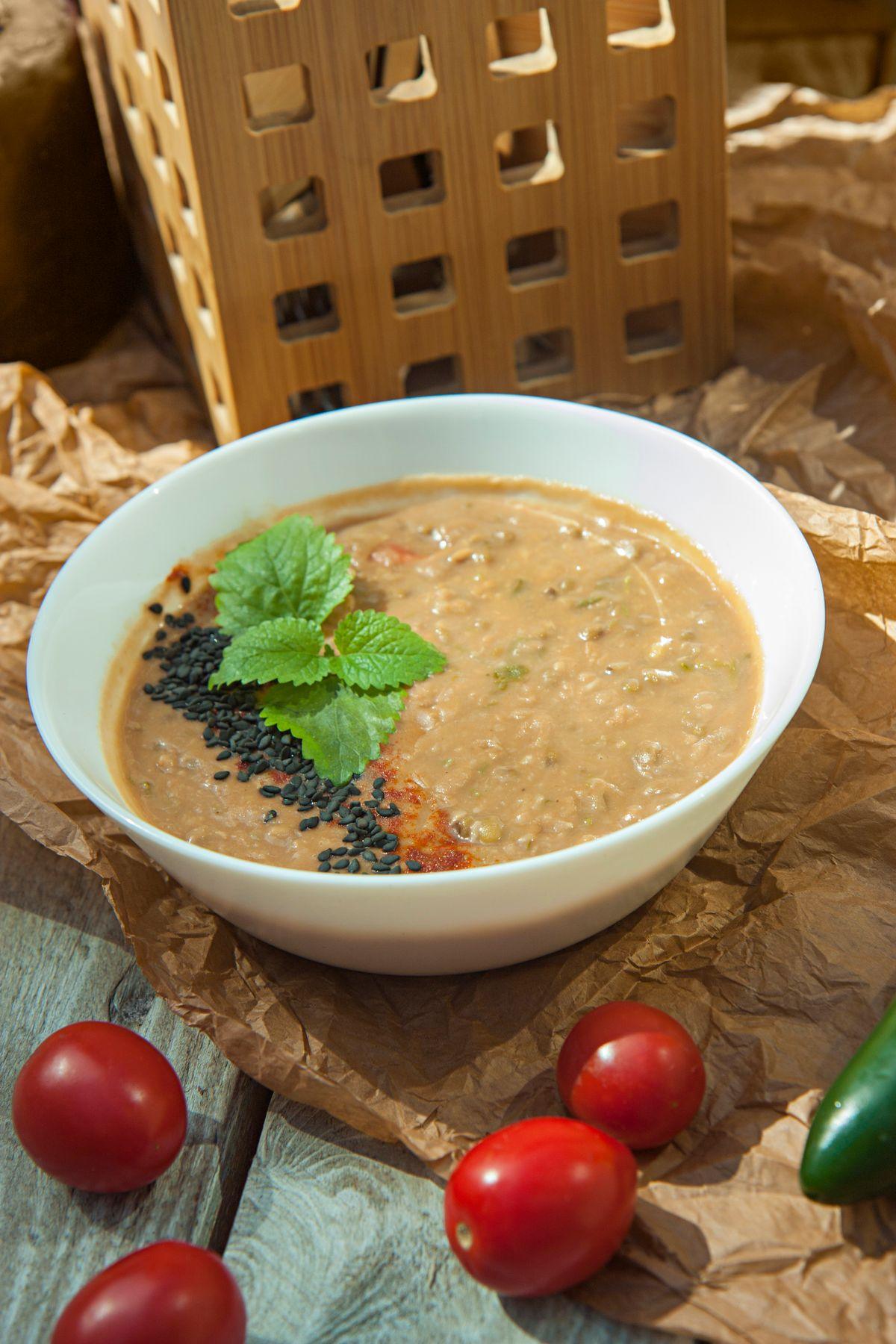
| Lentils and beans | Cooked until very soft and blended into a smooth soup or dip |
| Milk and milk alternatives | Use in oatmeal, cream of wheat, or mashed potatoes |
| Unflavoured protein powder | Stir into yogurt, soups, or smoothies eaten with a spoon |
Vitamins and Minerals That Support Healing
Vitamin C
Supports collagen and gum repair. Try mashed papaya, ripe mango, or puréed cooked peppers once acidity is comfortable.
Vitamin A
Helps tissue repair. Found in mashed sweet potato, squash, and carrots.
Zinc
Supports wound healing. Sources include eggs, dairy, and blended beans.
Iron
Important after any bleeding. Found in puréed lentils, soft spinach, and fortified cereals.
Citrus juices are high in vitamin C but can sting in the first few days, so softer, less acidic sources are often more comfortable early in recovery.
Sample Soft Food Day After Dental Surgery
| Meal | Day 1 to 2 | Day 4 to 6 |
|---|---|---|
| Breakfast | Greek yogurt with smooth applesauce | Soft scrambled eggs and mashed avocado |
| Mid-morning | Spoonable banana smoothie | Cottage cheese with soft peaches |
| Lunch | Cool or lukewarm blended butternut squash soup | Soft macaroni and cheese |
| Afternoon | Chocolate pudding or custard | Hummus with soft bread without crusts |
| Dinner | Smooth mashed potatoes with gravy | Flaked salmon with mashed sweet potato |
| Evening | Cool milk or a protein shake from a cup | Oatmeal made with milk |
Tips for Preparing Soft Foods at Home
- Cook ahead: Make soups, mashed vegetables, and purées before your surgery so you are not cooking while sore.
- Freeze portions: Store single servings to reheat gently and let cool to lukewarm.
- Use a blender: Turn many favourite meals into smooth, easy-to-eat versions.
- Add flavour gently: Herbs such as basil, dill, or parsley add taste without heat or acidity.
- Check textures: Avoid hidden small pieces like seeds, grains, or nut fragments.
- Keep it cool at first: Let warm foods cool to lukewarm in the first 48 hours.
Understanding Dry Socket
Dry socket happens when the protective blood clot in an extraction site breaks down or is dislodged before healing is complete. It causes a deep, throbbing pain that often starts two to four days after surgery and may spread toward the ear. It can also cause a bad taste or smell. Your diet and habits play a big role in preventing it.
- Do not use straws for at least the first week, or as long as advised
- Avoid smoking and vaping during healing
- Do not rinse forcefully in the first 24 hours
- Avoid foods that could lodge in the socket, such as seeds and crumbs
If you think you have dry socket, contact your dentist. Treatment is simple and brings quick relief.
Returning to Your Normal Diet
Moving back to regular foods should be gradual. Your mouth will tell you a lot about what it is ready for. If a food causes pain, return to softer options for a few more days and try again.
- Start with tender foods that need light chewing, such as soft pasta, well-cooked vegetables, and tender meat cut small.
- Chew on the side opposite the surgical area until it feels comfortable.
- Introduce firmer textures one at a time, such as toast or cooked rice.
- Leave very hard, crunchy, or chewy foods like nuts, popcorn, chips, and tough steak until your dentist confirms healing.
- Keep up gentle cleaning of the area after meals to prevent food from collecting.
Special Considerations for Children and Older Adults
Children may be reluctant to eat when sore. Offering familiar soft favourites, such as yogurt, pudding, mashed potatoes, and soft pasta, in small portions throughout the day can help. Older adults may already have chewing challenges, dry mouth, or dentures, so keeping meals moist, nutritious, and easy to swallow is especially important. In both groups, watching fluid intake helps prevent dehydration, which can slow healing and increase tiredness.
Oral Surgery Aftercare From a Dentist in Tillsonburg
Family Dentistry on Brock is one of the most trusted dental offices in Tillsonburg, with a 5.0 Google rating and 252+ patient reviews. The team welcomes new patients and CDCP (Canadian Dental Care Plan) patients, and offers dental implants, clear aligners, restorative care, dental veneers, laser treatment, teeth whitening, dental emergency care, sedation dentistry, dental surgery, and orthodontics.
Questions about your recovery?
Call +1 519-900-5640, email info@familydentistryonbrock.com, or visit 49 Brock St E, Tillsonburg, ON N4G 1Z7. The clinic is open until 7:00 PM on Mondays, with Saturday appointments available.
Frequently Asked Questions
How long should I eat soft foods after dental surgery?
Most people follow a soft diet for about a week, then slowly return to normal foods. Implant or complex surgery may require longer.
Can I drink coffee after dental surgery?
Wait until bleeding has stopped and drink it lukewarm, not hot. Avoid using a straw.
Are eggs good after tooth extraction?
Yes. Soft scrambled eggs are an excellent source of protein and easy to eat from about day two.
When can I eat solid food after oral surgery?
Many people start tender solid foods after the first week, chewing away from the surgical site, as advised by their dentist.
Is soup okay after dental surgery?
Yes, if it is smooth and lukewarm. Avoid chunky or very hot soups for the first few days.
Conclusion
Soft, cool, and nutrient-rich foods help protect the healing site and support recovery after dental surgery. Start with smooth purées, move to fork-soft meals, and return to firmer foods only as comfort and your dentist allow. Following these simple steps keeps healing on track and lowers the risk of complications.