Partial Dentures Before and After
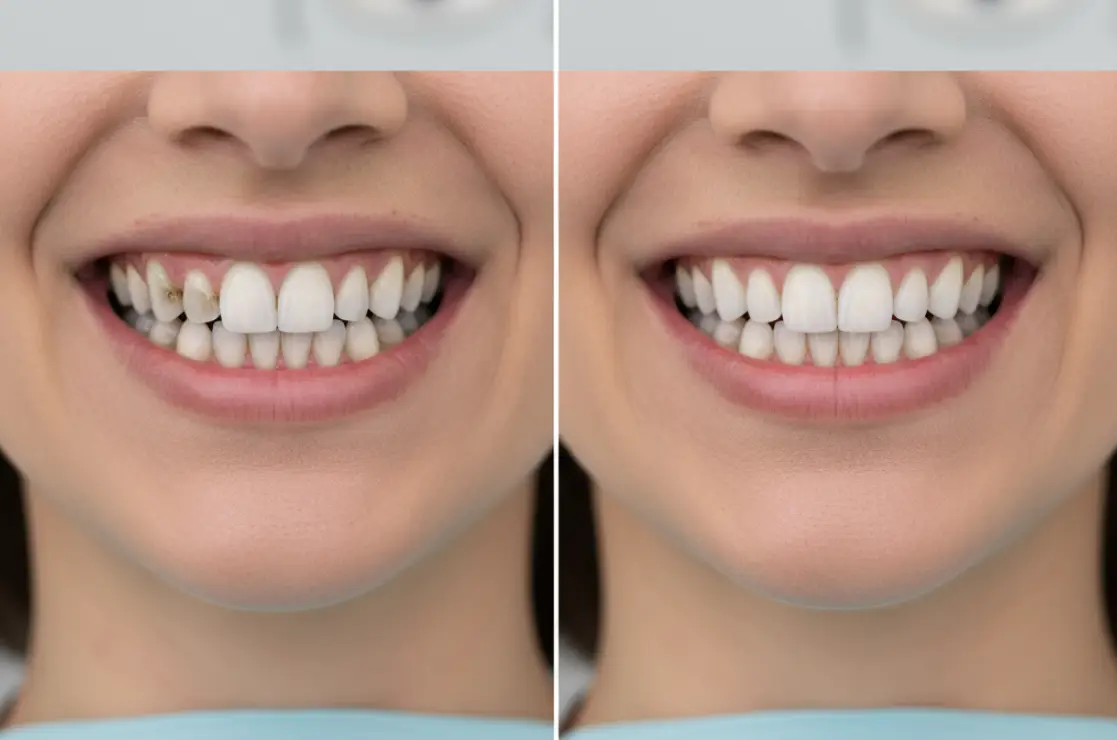
If you’re missing several teeth, you’ve probably considered options like implants, bridges, or dentures. One of the most common and affordable solutions is partial dentures. They not only improve the way your smile looks but also restore function so you can eat, speak, and smile with confidence again.
In this article, we’ll walk you through everything you need to know about partial dentures before and after, how they work, and what kind of results you can expect. We’ll also highlight where to get high-quality treatment in Tillsonburg.
What Are Partial Dentures?
Partial dentures are removable dental appliances designed to replace one or more missing teeth. They are typically made of acrylic, metal, or a combination of both, and they are custom-made to fit comfortably in your mouth. Unlike complete dentures, which replace all teeth in a jaw, partial dentures fill the gaps while keeping your natural teeth intact.
Patients often choose them because they are cost-effective, non-invasive, and offer a quick solution compared to permanent treatments.
The “Before” Stage: Life Without Partial Dentures
Before getting partial dentures, many people struggle with:
- Difficulty chewing certain foods
- Speech problems caused by gaps
- Loss of confidence due to visible missing teeth
- Shifting of natural teeth into empty spaces
These issues can have both functional and emotional impacts. Some patients report avoiding social situations or feeling self-conscious in photos. Missing teeth can also accelerate jawbone changes, which may alter facial appearance over time.
The “After” Stage: Life With Partial Dentures
Once partial dentures are fitted, the transformation is noticeable both functionally and aesthetically:
- Chewing becomes easier, allowing for a more varied diet
- Speech improves, making conversations smoother
- Smiles look natural again, restoring self-confidence
- Remaining natural teeth stay in better alignment
With proper care, partial dentures can last for years while maintaining comfort and appearance. Patients often describe the experience as life-changing because of the boost in quality of life.
Why Choose Family Dentistry on Brock in Tillsonburg?
When it comes to getting partial dentures before and after results you can be proud of, working with an experienced dental team is key. Family Dentistry on Brock is one of the best dental clinics in Brock Tillsonburg, offering personalized care and modern solutions for patients of all ages.
Their skilled team provides a full range of services, including preventive, restorative, and cosmetic treatments. Whether you’re exploring dentures, veneers, or implants, they focus on comfort, function, and aesthetics.
All Care Under One Roof
Many patients worry about what life will look like after getting partial dentures. At a Dental Clinic in Tillsonburg like Family Dentistry on Brock, you can actually see the difference in both appearance and confidence. Smiles become fuller, chewing becomes easier, and day-to-day life feels more natural again.
You can also combine dentures with other cosmetic options like Dental Veneers in Brock Tillsonburg to enhance their overall smile. And for anyone who needs urgent treatment due to sudden pain or damage, an Emergency Dentist in Tillsonburg is always available for immediate care.
For those considering permanent alternatives, the clinic also provides the Best Dental Implants in Tillsonburg, giving patients the choice between removable and permanent solutions depending on their lifestyle and goals.
Partial Dentures vs. Other Options
While partial dentures are a great solution for many patients, it’s important to compare them with other treatments:
- Partial Dentures: Affordable, non-invasive, and removable.
- Bridges: Fixed solution, but require support from neighbouring teeth.
- Implants: Long-term stability, but involve surgery and higher costs.
Your dentist will recommend the best option based on your oral health, budget, and long-term goals.
Caring for Partial Dentures
To make the most of your new dentures, follow these care tips:
- Remove them nightly to give your gums a rest.
- Clean them with a denture brush and mild cleanser.
- Avoid hot water, which can warp the material.
- Keep up with regular dental check-ups for adjustments.
With consistent care, you’ll enjoy comfort and durability for years.
FAQs About Partial Dentures
1. How long does it take to get partial dentures?
Typically, it takes a few weeks and multiple appointments to get impressions, fittings, and adjustments completed.
2. Are partial dentures noticeable?
Modern dentures are designed to look natural, blending seamlessly with your existing teeth.
3. Can I eat normally with partial dentures?
Yes, though you may need time to adjust. Start with softer foods and gradually add harder ones as you adapt.
4. How often should partial dentures be replaced?
With proper care, they can last anywhere from 5 to 10 years before needing replacement.
5. Do partial dentures hurt at first?
Mild discomfort is normal during the adjustment phase, but it should resolve as your mouth gets used to them.
Conclusion
Partial dentures can make a remarkable difference in both appearance and function. From restoring confidence in your smile to improving daily activities like eating and speaking, the transformation is often dramatic. Choosing the right clinic, like Family Dentistry on Brock in Tillsonburg, ensures you receive personalized care tailored to your needs.
For more information or to book an appointment, you can reach Family Dentistry on Brock at info@familydentistryonbrock.com or visit them at 49 Brock St E, Tillsonburg, ON N4G 1Z7, Canada.
Keeping a partial looking and feeling new
General dentist registered with the Royal College of Dental Surgeons of Ontario (RCDSO), practising at Family Dentistry on Brock, Tillsonburg. Last reviewed November 2026. This guide is general information and does not replace an exam with your own dentist.
How a partial changes over the years
| Time | What often changes | Maintenance that helps |
|---|---|---|
| Year 1 | Small sore spots, settling | Adjustments |
| Years 2 to 3 | Base gaps as gums shrink | Reline |
| Years 3 to 5 | Clasps loosen, minor staining | Clasp adjustment, professional clean |
| Years 5 to 10 | Worn teeth, cracks, poor fit | Repair or new partial |
Before and after common maintenance
Reline
Before: food under the base and rocking. After: snug fit and less movement.
Clasp adjustment
Before: partial lifts when talking. After: stays in place.
Professional cleaning
Before: tartar and stain. After: fresh, natural look.
Tooth replacement on the partial
Before: a chipped or missing denture tooth. After: a complete smile.
Adding a tooth
Before: a newly lost natural tooth leaves a gap. After: tooth added to the existing partial.
When a new partial gives a better result
- The teeth on the partial are worn flat.
- The frame is cracked or has been repaired several times.
- Several natural teeth have changed or been lost.
- Relines no longer give a stable fit.
- You want a different design, such as fewer visible clasps.
Can teeth be added to my existing partial?
Often yes, especially with metal partials. If you lose another natural tooth, it can usually be added rather than making a new partial.
Why has my partial started to look yellow?
Acrylic absorbs stain from coffee, tea and tobacco over time. Professional cleaning helps, and daily soaking slows it down.
How do I know if my partial needs attention?
If it rocks, catches food underneath, rubs the gums or the clasps no longer grip, it is time for a check.
Daily habits that keep a partial in good shape
Small daily habits make a big difference to how long a partial stays comfortable. Take it out after meals and rinse away food, brush it once a day with a soft brush and a non-abrasive cleaner, and soak it overnight so the acrylic does not dry out. Brush and floss the natural teeth that hold the clasps carefully, since healthy anchor teeth keep the partial stable. Handle it over a folded towel or a sink of water, and never bend the clasps yourself. With these habits and regular checkups, many partials stay comfortable and natural-looking for years.
How do I store my partial when I am not wearing it?
Keep it in a clean case with water or a soaking solution so it stays moist. Never wrap it in a tissue, where it is easily thrown away.
Coverage and the Canadian Dental Care Plan
The CDCP covers partial denture relines, repairs, additions and replacements for eligible patients, with frequency limits and a possible co-payment.
Partial dentures at Family Dentistry on Brock
Family Dentistry on Brock is at 49 Brock St E in Tillsonburg, and we welcome patients from Tillsonburg, Norfolk County and Oxford County. We accept new patients and the CDCP. Read about cleaning partial dentures, how partial dentures change your smile and what a reline is.
Partial Denture Maintenance FAQs
How long does a partial denture last?
Often five to ten years with maintenance.
Why does my partial rock?
The gums may have shrunk; a reline helps.
Can loose clasps be fixed?
Yes, with an adjustment.
Can a tooth be added to my partial?
Often yes.
Why is my partial stained?
Acrylic absorbs stain over time.
When do I need a new partial?
When teeth are worn or relines no longer help.
How often should my partial be checked?
At every cleaning appointment.
Does the CDCP cover partial repairs?
Yes, for eligible patients.
Book a partial denture check in Tillsonburg
Keep your partial comfortable and natural-looking. Family Dentistry on Brock, 49 Brock St E, Tillsonburg, ON N4G 1Z7. Call 519-900-5640 or book online. New patients and CDCP patients are welcome.
Book an appointment