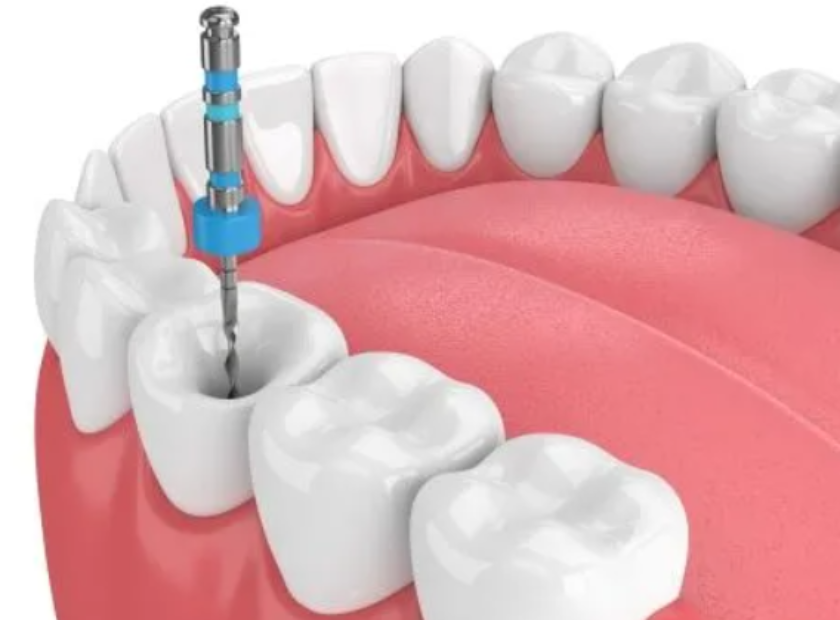
Lower Partial Dentures Bottom Front Teeth

Lower partial dentures for bottom front teeth replace one or more missing lower incisors or canines with natural-looking teeth attached to a base that sits behind and around your remaining teeth. They are usually held in place by small clasps on the back teeth and a thin metal or flexible connector that runs behind the lower front teeth. Losing bottom front teeth is fairly common, often due to gum disease or crowding, and it is very treatable, so a check with a dental clinic in Tillsonburg can help you choose a comfortable, discreet solution.
Bottom front partials are typically cast metal frameworks with a lingual bar, flexible nylon partials, or simple acrylic designs. They are removable, non-surgical, and can look very natural. Bridges and implants are fixed alternatives when the supporting teeth and bone allow.
A partial is often part of a larger plan to stabilise the lower jaw. If the remaining teeth need fillings, crowns, or gum treatment first, these are handled through restorative care before the partial is made.

Some patients prefer a fixed replacement that never comes out. In suitable cases, a narrow dental implant can replace a single lower front tooth, although space in this area can be tight.
When the lower front teeth are crowded, tipped, or spaced unevenly, orthodontic treatment may be recommended first so the replacement tooth fits naturally into the arch.
Why Bottom Front Teeth Are Often Lost
- Gum disease: The lower front teeth are a common area for tartar build-up and bone loss.
- Crowding: Tightly packed teeth are harder to clean, which increases decay and gum problems.
- Trauma: Falls and sports injuries can fracture or loosen lower incisors.
- Root problems: Infection or resorption may make a tooth impossible to save.
Design Options for a Lower Front Partial
Cast metal partial with lingual bar
A thin metal bar runs behind the lower front teeth and connects to clasps on the back teeth. Strong and slim.
Lingual plate
A thin metal plate covers the backs of the lower front teeth. Used when gums are low or extra support is needed.
Flexible partial
Nylon-based and metal-free, with gum-coloured clasps that blend in. Comfortable for many patients.
Acrylic partial
A simple, quick option often used temporarily or after a recent extraction.
Comparing Lower Front Tooth Replacement Options
| Option | Removable | Affects neighbouring teeth | Main advantages | Main limitations |
|---|---|---|---|---|
| Lower partial denture | Yes | Clasps rest on teeth | Non-surgical, can replace several teeth, easy to add teeth later | Needs daily removal and cleaning; some adjustment period |
| Bridge | No | Yes, adjacent teeth are crowned | Fixed and stable | Requires healthy anchor teeth; harder to clean underneath |
| Bonded bridge | No | Minimal preparation on the back of teeth | Conservative, fixed | Not suitable for heavy bites or weak teeth |
| Implant | No | No | Preserves bone, independent of other teeth | Needs enough space and bone; surgical procedure |
How a Lower Front Partial Is Made
- Exam and X-rays. The dentist checks the gums, bone, and strength of remaining teeth.
- Treating active problems. Gum disease or decay is managed first for a stable foundation.
- Impressions. Accurate models of both arches are taken.
- Design. Clasp placement and connector type are chosen for comfort and appearance.
- Framework try-in. For metal partials, the framework is tested before teeth are added.
- Tooth setup and shade matching. Replacement teeth are positioned to match your smile.
- Final fit. The finished partial is fitted and adjusted for comfort.

Getting Used to a Bottom Front Partial
The tongue is very sensitive to anything placed behind the lower front teeth, so the connector may feel noticeable at first. Most people adapt within one to two weeks.
- Speech may feel slightly different for a few days
- Saliva flow may increase temporarily
- Start with soft foods and avoid biting into hard items with the front teeth
- Small sore spots can be adjusted quickly
Myths About Lower Front Partials
Protecting Your Remaining Lower Teeth
The teeth that support a lower partial do a lot of work. They hold the clasps, guide the partial into place, and share chewing forces. Keeping them healthy is the single most important factor in how long your partial lasts.
Clean the clasp areas
Plaque collects where clasps touch the teeth. Brush these surfaces carefully twice a day.
Use fluoride
Fluoride toothpaste, and sometimes a fluoride rinse, helps protect anchor teeth from decay.
Floss daily
Floss or interdental brushes clean between teeth where a toothbrush cannot reach.
Professional cleanings
Lower front teeth collect tartar quickly, so regular hygiene visits are especially important.
Gum Health and Lower Front Partials
Because many lower front teeth are lost to gum disease, the health of the remaining gums is a key part of planning. Active gum infection needs to be controlled before a partial is fitted, otherwise the supporting teeth may continue to loosen. After treatment, regular maintenance helps keep the gums stable.
A well-designed partial is shaped to stay clear of the gum margins where possible, so plaque does not collect against the tissue. Lingual bars, for example, are positioned a safe distance below the gumline behind the lower front teeth. When there is not enough space, a lingual plate may be used, and extra attention is given to cleaning.
What If More Teeth Are Lost Later?
One advantage of a cast metal or acrylic partial is that additional teeth can often be added if another natural tooth is lost in the future. This can save the time and expense of making an entirely new appliance. Flexible partials are more difficult to modify, which is something to consider when choosing a design.
Bottom Front Partial vs Bonded Bridge
For a single missing lower incisor, a bonded bridge, sometimes called a Maryland bridge, is another option. It uses a replacement tooth with small wings bonded to the backs of neighbouring teeth. It is fixed and requires minimal tooth reduction, but it depends on healthy, stable neighbouring teeth and a bite that does not put too much force on the bond.
| Consideration | Lower partial | Bonded bridge |
|---|---|---|
| Number of teeth replaced | One or many | Usually one |
| Daily removal | Yes | No |
| Effect on neighbouring teeth | Clasps rest on teeth | Wings bonded to the backs of teeth |
| Suitability with gum disease | Often adaptable | Needs stable, healthy supporting teeth |
| Ease of future changes | Teeth can often be added | Limited |
Daily Routine for Lower Partial Wearers
- Morning: Brush natural teeth, rinse the partial, and insert it by pressing gently with fingers, not by biting it into place.
- After meals: Remove and rinse the partial, and rinse your mouth.
- Evening: Brush the partial with a denture cleanser and clean your natural teeth thoroughly.
- Overnight: Store the partial in water or a soaking solution.
- Every six to twelve months: Visit for a checkup and professional cleaning.
How Long Do Lower Front Partials Last?
With good care, many partials last several years. Metal frameworks are especially durable, while acrylic and flexible partials may need replacing sooner. The supporting teeth and gums also change over time, so relines, clasp adjustments, or tooth additions may be needed along the way. Regular checkups make it easier to plan these small updates before the fit becomes uncomfortable.
Appearance Tips for a Natural Lower Smile
Lower front teeth are less visible than upper teeth in many smiles, but they show clearly when you speak, laugh, or open wide. A few design details help a bottom front partial blend in.
- Matching shade and shape: Lower incisors are small and narrow, so replacement teeth are chosen to match their size closely.
- Natural alignment: Slight overlaps or rotations that mirror your remaining teeth look more natural than a perfectly straight replacement.
- Gum contour: The pink section around the replacement tooth should follow the shape of your neighbouring gums.
- Discreet retention: Clasps are placed on back teeth or replaced with tooth-coloured or gum-coloured materials when possible.
Speech and the Lower Partial
The tongue rests just behind the lower front teeth, so a connector in that space can make some sounds feel unusual at first. Reading aloud, counting, and practising common phrases help your tongue adapt. Most people find their speech feels normal within a week or two. If certain sounds remain difficult, your dentist can sometimes thin or reshape the connector slightly to give the tongue more room. With patience and the right design, a lower partial quickly becomes part of everyday life.
Lower Partials From a Family Dentist in Tillsonburg
Family Dentistry on Brock is one of the most trusted dental offices in Tillsonburg, with a 5.0 Google rating and 252+ patient reviews. New patients and CDCP (Canadian Dental Care Plan) patients are welcome. The clinic offers dental implants, clear aligners, restorative care, dental veneers, laser treatment, teeth whitening, dental emergency care, sedation dentistry, dental surgery, and orthodontics.
Missing a bottom front tooth?
Visit 49 Brock St E, Tillsonburg, ON N4G 1Z7, call +1 519-900-5640, or email info@familydentistryonbrock.com. Monday hours extend until 7:00 PM, and Saturdays are available by appointment.
Frequently Asked Questions
Can a partial denture replace just one bottom front tooth?
Yes. A small partial can replace a single lower front tooth, though a bonded bridge or implant may also be options.
Will the metal bar behind my lower teeth be visible?
The lingual bar sits behind the teeth and is generally not visible when you smile or talk.
How do I clean a lower front partial?
Remove it daily, brush it with a soft denture brush and non-abrasive cleanser, and soak it overnight.
Is a flexible partial good for lower front teeth?
It can be, especially for metal-free aesthetics, but it may be harder to adjust or add teeth to later.
Can I eat normally with a lower front partial?
Yes, after a short adjustment period. Cut firm foods into small pieces and chew with your back teeth.
Conclusion
Lower partial dentures for bottom front teeth are a practical, discreet way to fill gaps and protect your bite. The right design depends on your remaining teeth, gum health, and comfort preferences. A professional assessment helps you compare partials, bridges, and implants for a confident choice.