
How Does Diabetes Affect Your Teeth and Gums?
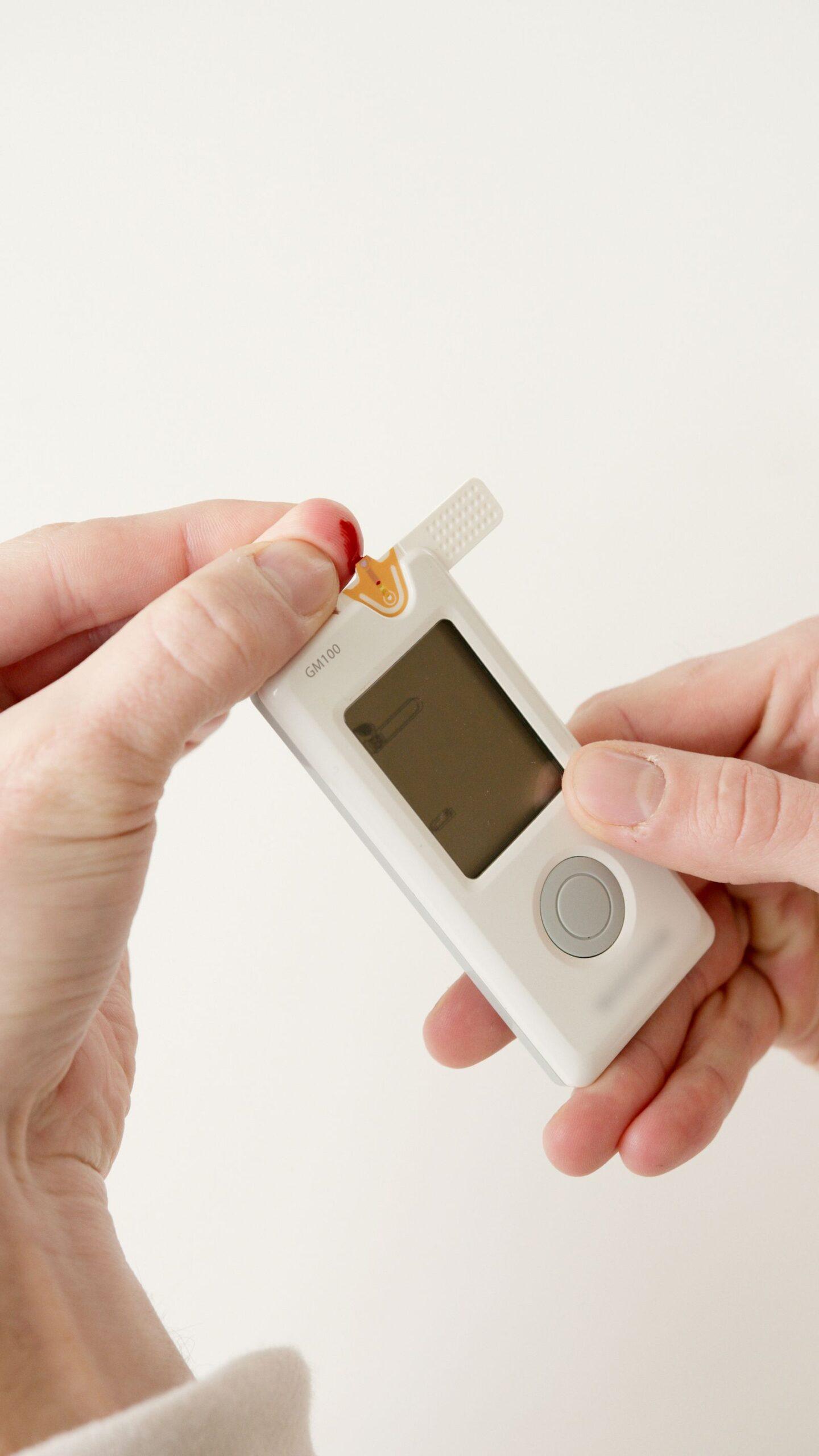
Diabetes, especially when blood sugar runs high, makes gum disease more likely and more severe, and it also raises the risk of dry mouth, cavities, thrush and slow healing after dental work. The link works both ways: untreated gum disease can make blood sugar harder to control. It’s a common and serious connection, but it’s very manageable with good daily care and regular visits to a dental clinic in Tillsonburg that knows your health history.
If you live with type 1 or type 2 diabetes, your mouth is part of your diabetes care. Many people don’t hear that from anyone until a problem starts.
The good news is that most diabetes-related dental problems can be prevented or caught early. A full range of dentistry services means cleanings, gum care and repairs can all be handled in one place.
When gum disease is already present, gentle laser treatment in Tillsonburg can help clean infected gum pockets with less bleeding and often quicker healing.
People with well-controlled diabetes can usually get dental implants in Tillsonburg too, with careful planning. If it’s been a while since your last checkup, you can book an appointment and mention your diabetes when you do.
Why does diabetes affect the mouth?
Here’s what happens in more detail:
- Weaker infection response. White blood cells don’t work as well when blood sugar is high, so gum infections spread more easily.
- Changes in blood vessels. Diabetes thickens small blood vessels, which reduces nutrient flow to gums and slows healing.
- More glucose in saliva. Bacteria and yeast feed on it.
- Less saliva. Dry mouth is common with diabetes and some diabetes medications.
- Inflammation. Diabetes and gum disease both drive inflammation, and each makes the other worse.
Common dental problems linked to diabetes
Gum disease (periodontitis)
People with diabetes are significantly more likely to develop gum disease, and it tends to be more severe. Signs include bleeding, swollen or tender gums, gums pulling back, bad breath and loose teeth.
Dry mouth
Less saliva means less natural cleaning and less protection against acid. It can cause a sticky feeling, trouble swallowing, cracked lips and more cavities.
Cavities
Dry mouth and sugar in saliva raise the risk of decay, especially along the gumline and on exposed roots.
Oral thrush
A yeast infection that causes white or red patches and a burning feeling. It’s more common with high blood sugar, dentures and recent antibiotics.
Slow healing
Extractions, gum treatment and other procedures may take longer to heal, with a higher risk of infection.
Burning mouth and taste changes
Some people notice a burning feeling or changes in taste, often linked to dry mouth or nerve changes.
How gum disease affects blood sugar
This is the part many people don’t know. Gum infection causes ongoing inflammation, which can make cells more resistant to insulin.
Several studies have found that treating gum disease in people with type 2 diabetes is linked with a modest improvement in HbA1c, a key measure of long-term blood sugar control. Gum treatment isn’t a replacement for diabetes medication, but it’s a meaningful part of the bigger picture.
Warning signs to watch for
- Gums that bleed when you brush or floss
- Red, puffy or tender gums
- Bad breath or a bad taste that won’t go away
- Gums pulling away from the teeth
- Loose teeth or a change in your bite
- Dry mouth most of the day
- White or red patches in the mouth
- Sores that heal slowly
- Pus around the teeth or gums
Diabetes and dental care: what to expect
| Area | Without diabetes | With diabetes |
|---|---|---|
| Gum disease risk | Baseline | Higher, often more severe |
| Healing after treatment | Usual timeline | Can be slower, needs good sugar control |
| Recommended cleanings | Often every 6 months | Often every 3 to 4 months |
| Dry mouth | Less common | More common |
| Thrush risk | Low | Higher |
| Implant success | High | High when diabetes is well controlled |
Tips for dental visits if you have diabetes
- Tell your dental team. Share your diabetes type, recent HbA1c, medications and any history of low blood sugar.
- Eat and take medication as usual. Unless told otherwise, don’t skip meals before a visit.
- Book morning appointments. Blood sugar is often more stable then.
- Bring your glucose meter and a snack. Let the team know if you feel shaky, sweaty or confused.
- Plan for healing. For surgery or extractions, ask how to manage meals and medications during recovery.
- Ask about cleaning frequency. Many people with diabetes do better with cleanings every 3 to 4 months.
How to protect your teeth and gums at home
- Keep blood sugar in your target range as much as possible.
- Brush twice a day with fluoride toothpaste and a soft brush.
- Clean between your teeth every day.
- Drink water often, especially if your mouth feels dry.
- Choose sugar-free gum or lozenges with xylitol to boost saliva.
- Don’t smoke. Smoking plus diabetes greatly raises gum disease risk.
- Take dentures out at night and clean them daily.
- Check your mouth monthly for bleeding, sores or patches.
Myths about diabetes and teeth
“Diabetes automatically means you’ll lose teeth.” Not true. With good control and regular care, people with diabetes keep their teeth for life.
“Bleeding gums are normal with diabetes.” Bleeding is a sign of inflammation and should be treated, not ignored.
“You can’t get dental implants with diabetes.” Many people with well-controlled diabetes have successful implants. Careful planning and good sugar control matter.
“Sugar-free diets mean no cavities.” Dry mouth and starchy foods can still cause decay, so hygiene and fluoride still matter.
Real patient scenarios
The new diagnosis. A 52-year-old had bleeding gums and loose lower teeth for a year. His dentist noticed severe gum disease and suggested a check with his doctor, who diagnosed type 2 diabetes. Treating both together improved his gums and his blood sugar numbers within months.
The dry mouth. A 63-year-old with type 2 diabetes kept getting new cavities near her gums. Her medications were drying her mouth. A high-fluoride toothpaste, xylitol mints and 3-month cleanings slowed new decay.
The implant patient. A 58-year-old with well-controlled type 1 diabetes wanted to replace a missing molar. With good planning and close follow-up, the implant healed well.
Type 1 vs type 2: are the dental risks different?
The mouth doesn’t care much which type you have. What matters most is how well blood sugar is controlled over time. That said, there are a few practical differences.
| Type 1 diabetes | Type 2 diabetes | |
|---|---|---|
| When it often starts | Childhood or young adulthood | Usually adulthood |
| Gum disease risk | Raised, can start young | Raised, often found alongside other risk factors |
| Low blood sugar during visits | More common with insulin | Possible with insulin or some pills |
| Common dental concern | Gum disease in teens and young adults | Gum disease, dry mouth from medications |
Kids and teens with type 1 diabetes should start regular dental visits early, since gum problems can show up sooner than in other children.
What happens during gum treatment for people with diabetes?
- Measurement. Your hygienist measures the gum pockets around every tooth.
- X-rays. These show bone levels around the roots.
- Deep cleaning. Scaling and root planing remove tartar and bacteria below the gumline, usually with local anesthetic.
- Laser therapy if helpful. A dental laser can reduce bacteria in deep pockets and support healing.
- Re-check. After 4 to 8 weeks, pockets are measured again.
- Maintenance. Cleanings every 3 to 4 months to keep the infection under control.
Healing tends to be better when blood sugar is in a good range, so let your dentist know if your numbers have been high lately. Sometimes it makes sense to time bigger treatment around better control.
Diabetes medications and your mouth
Some diabetes and related medications can cause dry mouth, and blood pressure or cholesterol medicines often add to it. Bring a current medication list to each visit. Your dentist can suggest saliva substitutes, fluoride products or other tips if dryness is a problem.
Smoking, diabetes and gums: a tough combination
Smoking and diabetes each raise the risk of gum disease. Together, the risk climbs much higher, and healing after treatment is slower. Quitting is one of the most powerful things you can do for your gums. Your doctor or pharmacist can help with quit support.
Finding a dentist in Tillsonburg who understands diabetes
Look for a team that asks about your health, adjusts cleaning schedules to your needs and works with your doctor when needed.
Family Dentistry on Brock is one of the most trusted dental clinics in Tillsonburg, with a 5.0 Google rating from more than 252 patient reviews. The clinic welcomes new patients and accepts CDCP (Canadian Dental Care Plan) patients. Patients with diabetes often see it as the top dentist in Tillsonburg for steady, preventive care.
Services include dental implants, clear aligners, restorative care, dental veneers, laser treatment, teeth whitening, dental emergency care, sedation dentistry, dental surgery and orthodontics. Extended weekday hours run until 7:00 PM on Mondays, and Saturday visits are available by appointment.
Visit the clinic at 49 Brock St E, Tillsonburg, ON N4G 1Z7, call +1 519-900-5640 or email info@familydentistryonbrock.com. The team usually responds quickly, and urgent calls are prioritized.
Frequently asked questions
Can diabetes cause tooth loss?
It can if gum disease goes untreated, since diabetes makes gum infections more severe. With good control and regular care, most people with diabetes keep their natural teeth.
How often should people with diabetes see a dentist?
Many dentists recommend checkups and cleanings every 3 to 4 months for people with diabetes, especially if they have gum disease. Your dentist will suggest the right schedule.
Can gum disease raise blood sugar?
Yes. Gum infection adds to inflammation in the body, which can make blood sugar harder to control. Treating gum disease may help improve long-term blood sugar levels.
Is it safe to have teeth pulled if I have diabetes?
Yes, with good planning. Your dentist will review your blood sugar control and may adjust timing or aftercare to support healing.
What toothpaste is best for people with diabetes?
A fluoride toothpaste is the main recommendation. If you have dry mouth or frequent cavities, your dentist may suggest a higher-fluoride toothpaste.
Conclusion
Diabetes raises the risk of gum disease, dry mouth, cavities, thrush and slow healing.
Treating gum disease can help with blood sugar control, so mouth care is part of diabetes care.
Good daily habits, steady blood sugar and regular dental visits keep teeth and gums healthy for life.