Is Flossing Really Necessary If You Brush Twice a Day?
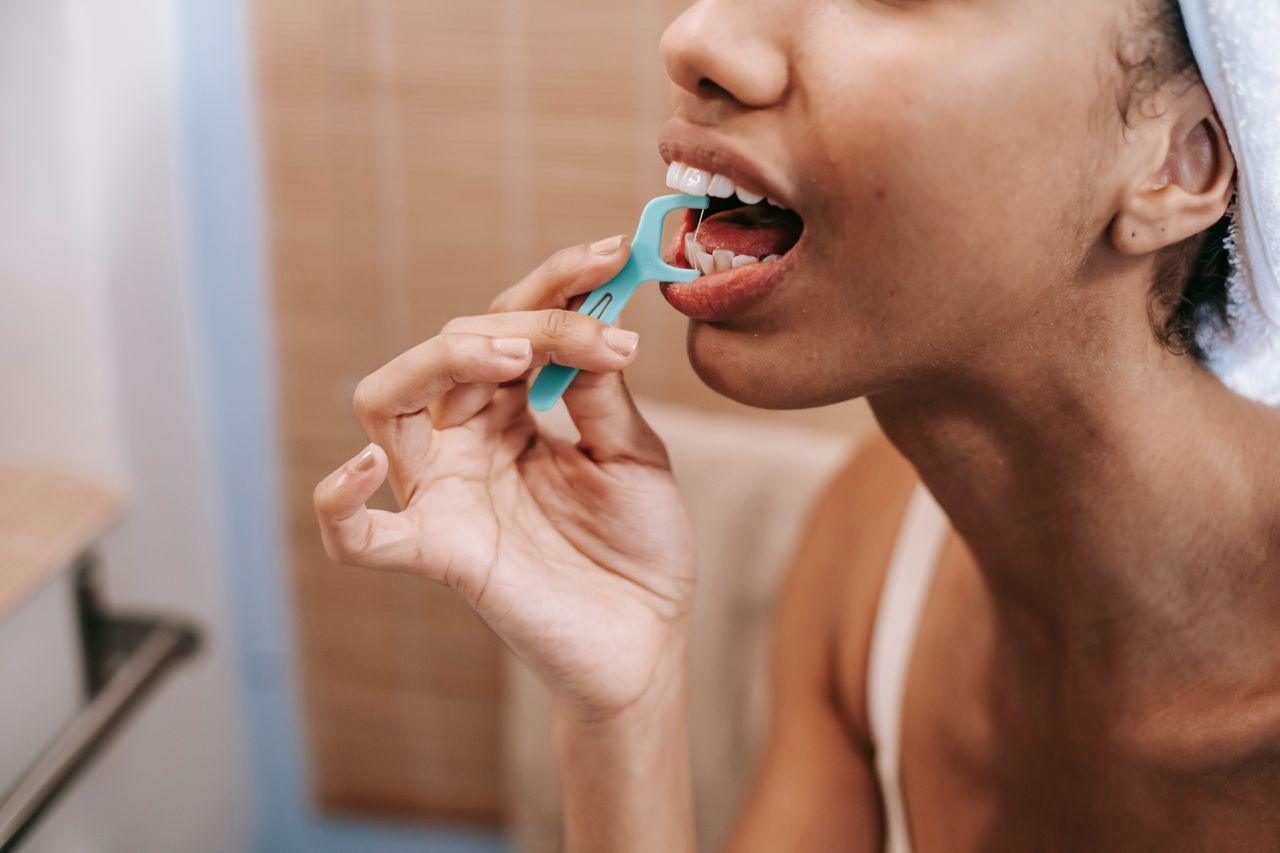
Yes. Brushing cleans the front, back, and chewing surfaces of your teeth, but it can’t reach the tight spaces between them, where cavities and gum disease often start. Cleaning between your teeth once a day with floss, interdental brushes, or a water flosser lowers your risk of both. Skipping it is very common, and bleeding gums from missed flossing are usually reversible, but over years it can lead to serious gum disease.
Let’s be honest: flossing is the habit most people quietly skip. And you might have seen headlines a few years back saying the evidence for flossing was weak. So is it worth the effort? Every hygienist at our clinic, and pretty much every dental team listed under all dentistry services, would say yes, and here’s why.
Between your teeth is where plaque hides longest. It’s also where gum inflammation usually starts. If it progresses, treatments like laser treatment in Tillsonburg can help clean and calm infected gum pockets, but daily cleaning is what keeps you from needing it.
Cavities between teeth are sneaky. They often don’t show up until an X-ray catches them, and by then you may need a filling or more through restorative care. A minute a day of cleaning between teeth helps avoid that.
And if you’ve had a tooth replaced, cleaning around it matters even more. Dental implants in Tillsonburg can’t get cavities, but the gum around them can get infected. If you’re not sure your technique is right, book an appointment and ask for a quick demo at your next cleaning.
What does flossing actually do?
Flossing removes plaque and food from between teeth and just under the gumline. Plaque is a sticky film of bacteria. Left there for a day or more, it starts to irritate the gums and produce acid that weakens enamel.
Your toothbrush bristles are great at flat and curved surfaces, but they can’t slide into the tight contact between 2 teeth. That leaves a meaningful share of each tooth’s surface uncleaned if you only brush.
What does the research say?
Here’s the balanced version. In 2016, news stories reported that the evidence for flossing was weaker than people assumed. That was partly because flossing studies are short and hard to run, and people often floss poorly.
Since then, a large Cochrane review found that brushing plus cleaning between teeth reduces gum inflammation more than brushing alone. Interdental brushes performed especially well in people with enough space between teeth. Dental associations, including the Canadian Dental Association, continue to recommend cleaning between your teeth daily.
The takeaway: the method matters less than doing it consistently and doing it well.
Flossing vs. interdental brushes vs. water flossers
| Tool | Best for | Pros | Cons |
|---|---|---|---|
| String floss | Tight contacts between teeth | Cheap, portable, reaches tight spaces | Harder technique, easy to do poorly |
| Floss picks | Beginners, kids, limited dexterity | Easy to hold | Harder to wrap around each tooth |
| Interdental brushes | Larger gaps, gum recession, bridges | Very effective where they fit | Need the right size for each space |
| Water flosser | Braces, implants, bridges, arthritis | Gentle, easy, good around appliances | Bulkier, needs power and water |
How to floss properly, step by step
- Use about 45 cm (18 inches) of floss. Wind most around one middle finger and the rest around the other.
- Hold it tight between your thumbs and index fingers, leaving about 2 to 3 cm to work with.
- Slide it gently between teeth with a back-and-forth motion. Don’t snap it into the gums.
- Curve it into a C shape against one tooth and slide it up and down, just under the gumline.
- Repeat on the neighbouring tooth before moving on.
- Use a fresh section for each space.
- Don’t forget the back side of your last molars.
Before or after brushing? Either works. Cleaning between teeth first may help fluoride from your toothpaste reach those surfaces, so many hygienists suggest floss first, then brush.
Is it normal for gums to bleed when you start flossing?
Yes, at first. Bleeding means the gums are inflamed from plaque that’s been sitting there. With gentle daily cleaning, bleeding usually settles within 1 to 2 weeks.
If bleeding continues past 2 weeks, or your gums are swollen, tender, or pulling back, book a visit. Ongoing bleeding can be a sign of gum disease that needs a professional cleaning.
What happens if you never floss?
- Gingivitis: red, puffy gums that bleed. Reversible.
- Cavities between teeth: often invisible until an X-ray finds them.
- Tartar buildup: hardened plaque that only a hygienist can remove.
- Periodontitis: gum and bone loss that can loosen teeth over time.
- Bad breath: trapped food and bacteria between teeth are a common cause.
Who needs to be extra careful?
- People with braces or aligners
- Anyone with bridges, implants, or crowns
- People with diabetes, whose gums are more prone to infection
- Pregnant patients, since hormones make gums more reactive
- Smokers and vapers, whose gums may not bleed as a warning sign
- Older adults with gum recession and wider spaces
How to clean between teeth with braces, bridges, and implants
Braces
Thread floss under the wire with a floss threader or use “super floss” with a stiff end. Interdental brushes are great for cleaning around brackets. A water flosser on a low setting helps flush out trapped food after meals.
Bridges
The false tooth in a bridge sits on the gum, and plaque collects underneath it. Use a floss threader or super floss to slide under the bridge and clean the underside, along with the gum beneath it.
Implants
Implant crowns don’t decay, but the gum and bone around them can get infected (peri-implantitis). Use unwaxed tape, implant-specific floss, soft interdental brushes, or a water flosser. Avoid metal-core interdental brushes that could scratch the implant.
Clear aligners
Brush and clean between your teeth before putting aligners back in. Food trapped under a tray sits against your teeth for hours.
How to choose the right interdental brush size
Interdental brushes come in colour-coded sizes. The right size fills the space snugly without forcing. If it bends or hurts, it’s too big. If it slides through with no resistance, it’s too small.
Most people need 2 or 3 different sizes for different spaces. Your hygienist can measure and tell you which sizes to buy, which saves a lot of trial and error.
Does flossing help with bad breath?
Often, yes. Food and bacteria trapped between teeth break down and release smelly compounds. Try this: floss a back tooth and smell the floss. If there’s an odour, that area needs more attention. Daily cleaning between teeth, plus brushing your tongue, clears up a lot of everyday bad breath.
Is there a link between gum health and overall health?
Research has linked gum disease with diabetes, heart disease, and pregnancy complications. The exact cause and effect is still being studied, but inflammation is a likely common thread. Keeping your gums healthy is a reasonable, low-cost step that supports your overall health too.
Common myths about flossing
“If my gums bleed, I should stop flossing.”
Bleeding usually means you need to clean that area more gently and more consistently, not less.
“Mouthwash replaces flossing.”
Mouthwash can reduce some bacteria, but it can’t scrape away sticky plaque between teeth.
“Flossing makes gaps between teeth.”
Flossing doesn’t create gaps. Gaps that appear are usually from gum swelling going down or from gum disease that was already present.
“Kids don’t need to floss.”
Once 2 teeth touch, plaque can hide between them. Parents can help with floss picks until kids have the dexterity, usually around age 8 to 10.
What your hygienist can tell from your gums
Hygienists can usually tell within seconds whether someone cleans between their teeth. Gums between teeth that are pink, firm, and tightly wrapped around the tooth point to good habits. Puffy, shiny, or bleeding gum points between teeth suggest plaque has been sitting there.
At your cleaning, ask for your bleeding score or pocket readings. Tracking those numbers over a few visits is a great motivator. Many patients see their bleeding points drop by half or more within 3 to 6 months of daily cleaning between teeth.
Signs your technique needs work
- Floss shreds or catches on the same tooth every time (could be a rough filling or tartar)
- You snap floss into the gum and it hurts
- Bleeding hasn’t improved after 2 weeks
- You only slide floss down and up without hugging each tooth
A quick 2-minute demo at your next visit can fix most of these.
Real patient scenarios
The “I brush 3 times a day” patient: a 35-year-old who brushed carefully but never flossed was surprised by 2 cavities between his molars. After fillings, he started using floss picks every night while watching TV. His next 2 checkups were cavity-free.
The implant owner: a 62-year-old with an implant crown noticed bleeding around it. Her hygienist showed her how to use a water flosser around the implant. The inflammation cleared within a few weeks.
The braces teen: a 14-year-old with braces struggled with string floss. A water flosser and floss threaders made it doable in under 3 minutes, and his gums stopped bleeding.
Tips to make flossing a habit
- Keep floss or picks where you’ll see them, like next to the TV remote
- Floss at the same time every day, usually before bed
- Start with just your back teeth if the whole mouth feels like too much
- Try different tools until you find one you’ll actually use
- Ask your hygienist to check your technique
Choosing a dental clinic in Tillsonburg for preventive care
Regular cleanings and honest coaching make home care easier. Make sure your care comes from licensed dental professionals registered with the Royal College of Dental Surgeons of Ontario (RCDSO).
Family Dentistry on Brock is one of the most trusted dental clinics in Tillsonburg, holding a 5.0 Google rating from more than 252 patient reviews. The clinic welcomes new patients and CDCP (Canadian Dental Care Plan) patients.
From cleanings and gum care to dental implants, clear aligners, restorative care, dental veneers, laser treatment, teeth whitening, dental emergency care, sedation dentistry, dental surgery, and orthodontics, the full range is under one roof. Hours run until 7:00 PM on Mondays, with Saturdays available by appointment.
You can visit at 49 Brock St E, Tillsonburg, ON N4G 1Z7, call +1 519-900-5640, or email info@familydentistryonbrock.com. Questions about bleeding gums usually get a quick reply.
This article is general information and doesn’t replace a dental exam. Persistent bleeding, swelling, or loose teeth should be checked by a dentist.
FAQs
Is flossing once a day enough?
Yes. Cleaning between your teeth thoroughly once a day, usually before bed, is enough for most people.
Is a water flosser as good as string floss?
Water flossers can be very effective at reducing gum inflammation, especially around braces, implants, and bridges. Some people use both for tight contacts.
Why do my gums bleed when I floss?
Bleeding usually means gum inflammation from plaque. It should improve within 1 to 2 weeks of gentle daily cleaning. If it doesn’t, see your dentist.
Should I floss before or after brushing?
Either works if you do it well. Flossing first may help fluoride from toothpaste reach between your teeth.
At what age should kids start flossing?
Start when 2 teeth touch. Parents usually need to help until kids are around 8 to 10 years old.
Conclusion
Flossing, or cleaning between your teeth another way, is necessary even if you brush twice a day.
It removes plaque from spots your toothbrush can’t reach and lowers your risk of cavities and gum disease.
Pick the tool you’ll actually use, and do it once a day.